
Introduction to Bun Cha
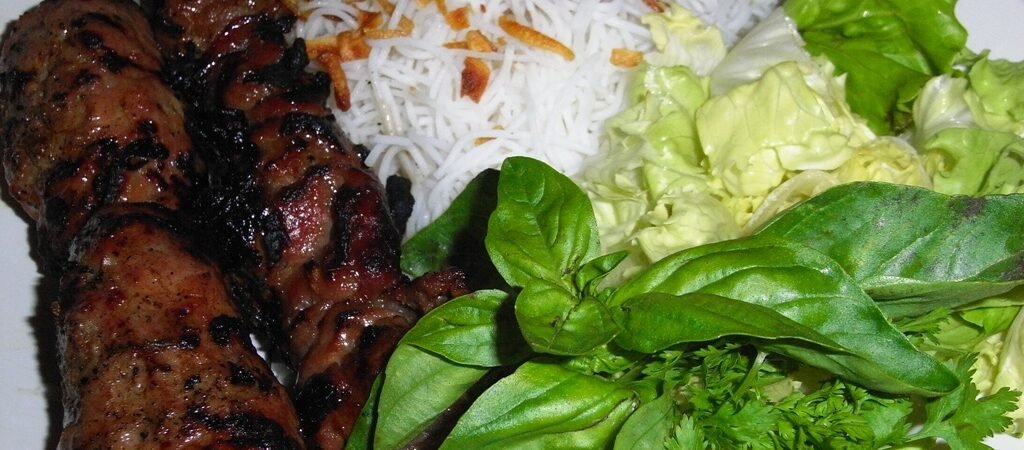
Bun Cha is a traditional Vietnamese dish that showcases a harmonious blend of flavors and textures, making it a beloved staple in Vietnamese cuisine. Originating from Hanoi, this dish beautifully encapsulates the essence of Vietnamese food culture. It features a delightful medley of grilled pork, fresh herbs, rice noodles, and a tangy dipping sauce, which together create a unique culinary experience.
The roots of Bun Cha can be traced back to the streets of Hanoi, where vendors delicately prepare the dish over charcoal burners, infusing the meat with smoky flavors. Served in a bowl, the grilled pork is complemented by a vibrant broth made from fish sauce, vinegar, sugar, and lime, which enhances the dish’s overall taste profile. This balance between sweet, sour, and savory is integral to Bun Cha’s appeal and is a hallmark of Vietnamese cooking.
Cultural significance also plays a vital role in the popularity of Bun Cha. It is often enjoyed as a casual meal, bringing friends and families together, whether at street-side stalls or in homes. Moreover, Bun Cha gained international fame when President Barack Obama dined on this dish during his visit to Vietnam, further cementing its status as a must-try culinary experience for both locals and tourists alike.
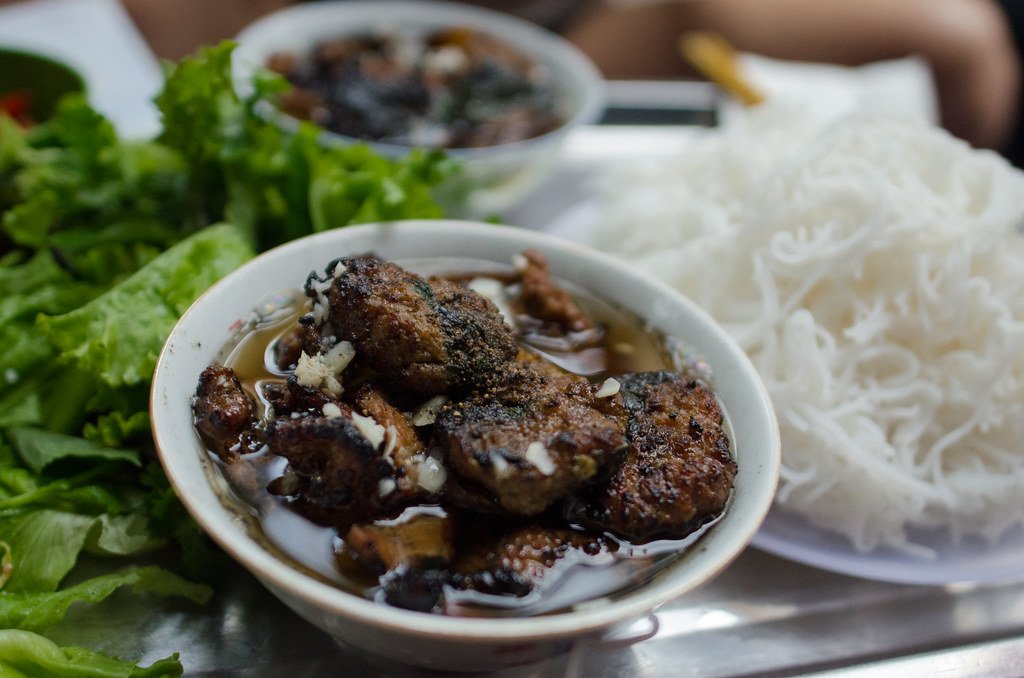
In preparing this delicious recipe at home, one can appreciate the authentic flavors of Vietnam while discovering the joy of creating a dish that is both satisfying and healthy. Its prominent features make it an ideal centerpiece for a Vietnamese feast, allowing everyone to indulge in the rich culinary heritage that Bun Cha represents.
Ingredients You’ll Need
To prepare a delicious Bun Cha, it is essential to gather high-quality ingredients that contribute to the dish’s authentic flavors. The main components of Bun Cha include different types of meat, fresh herbs, rice noodles, and a range of sauces.
Start with the meat: traditional Bun Cha features grilled pork, which can be either pork belly or ground pork patties, marinated in a blend of garlic, shallots, and fish sauce. If you are unable to find authentic pork cuts, you may consider using chicken or tofu as alternatives, though they will yield a different taste profile. For the best results, select fresh, high-quality meat.
Next, rice noodles, or “bun,” are crucial for the dish. These thin rice vermicelli noodles can usually be found in Asian grocery stores; however, if they are unavailable, rice paper sheets can serve as an alternative, albeit with a different texture. Cook the noodles according to the packaging instructions until they are al dente.
Fresh herbs play a significant role in the flavor of Bun Cha. Commonly used herbs include mint, cilantro, and Vietnamese perilla leaves. These can often be sourced from local Asian markets or your home garden for the freshest taste. In their absence, you may use regular mint and parsley, though the flavor may be altered.
Finally, the dipping sauce, made from a mixture of fish sauce, lime juice, sugar, and chilies, is imperative for a balanced flavor. Ensure the fish sauce is of high quality, as it is the backbone of this dish. With these ingredients in hand, you are ready to create a vibrant Bun Cha that is sure to impress your guests.
Step-by-Step Cooking Instructions
To prepare a delicious Bun Cha at home, follow these detailed cooking instructions that will guide you through the entire process. Start by marinating the meat; for this dish, you will typically use pork belly and minced pork. Combine the minced pork with fish sauce, sugar, garlic, and pepper in a bowl, ensuring all ingredients are mixed well. Let the meat marinate for at least 30 minutes to enhance the flavors.
While the meat is marinating, you can prepare the dipping sauce. In a small saucepan, combine water, fish sauce, vinegar, sugar, and minced garlic. Bring this mixture to a simmer over medium heat, stirring until the sugar dissolves completely. Remove from heat and add lime juice and chopped chilies according to your spice preference for an extra kick.
Next, it’s time to cook the marinated meat. You can choose to grill the pork over charcoal for an authentic smoky flavor, or alternatively, pan-sear it on a stovetop. If grilling, preheat your grill to medium-high heat and place the marinated pork on it, cooking for about 3-4 minutes on each side until golden brown. If using a pan, heat a small amount of oil over medium heat and cook the meat for a similar duration, ensuring it is well-cooked and caramelized.
As the meat cooks, prepare the vermicelli noodles. Boil water in a pot, add the noodles, and cook according to package instructions (usually about 3-5 minutes). Once cooked, rinse them under cold water to stop the cooking process and drain well.
Now, it’s time to assemble your Bun Cha. In each bowl, place a serving of vermicelli noodles, add the grilled meat, and top with fresh herbs such as mint and cilantro, alongside slices of cucumber and radish. Pour the dipping sauce over the noodles and meat, and your Bun Cha is ready to be enjoyed!
Serving Suggestions and Variations
When hosting a gathering, serving Bun Cha can be a delightful experience that captivates your guests. To elevate the presentation of Bun Cha, consider arranging the components on a large platter. Each element—grilled pork patties, crispy spring rolls, and vermicelli noodles—can be beautifully displayed, allowing your guests to customize their own bowls. Include a vibrant assortment of fresh herbs, lettuce, and bean sprouts as garnishes to enhance the visual appeal.
For those seeking to modify the Bun Cha recipe to accommodate dietary preferences, there are several appealing options available. A vegetarian alternative can be created using marinated tofu instead of grilled pork. The tofu can be seasoned with a mix of soy sauce, garlic, and a dash of sesame oil, then grilled or pan-fried to achieve a delightful texture. Additionally, you can experiment with different proteins such as chicken or shrimp, each adding unique flavors that resonate with the Vietnamese essence.
Pairing Bun Cha with complementary side dishes can also enhance the dining experience. A fresh Vietnamese salad or a side of crispy fried plantains make delightful complements to the dish. For beverages, consider traditional Vietnamese iced coffee or a light beer to balance the flavors of the meal. Herbal teas can be a refreshing alternative for those looking to stay non-alcoholic. Ultimately, the journey of serving and enjoying Bun Cha can be as versatile and creative as your imagination allows, ensuring that every meal is both satisfying and memorable.