
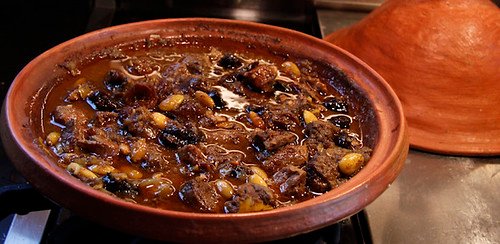
Introduction to Lamb Tagine
Lamb tagine is a traditional Moroccan dish that beautifully encapsulates the essence of North African cuisine. Named after the earthenware pot in which it is cooked, the tagine, this dish features lamb that is slow-cooked with a variety of spices, fruits, and vegetables. The unique blend of flavors, textures, and aromas makes lamb tagine a favorite among food lovers and a staple of Moroccan gastronomy.
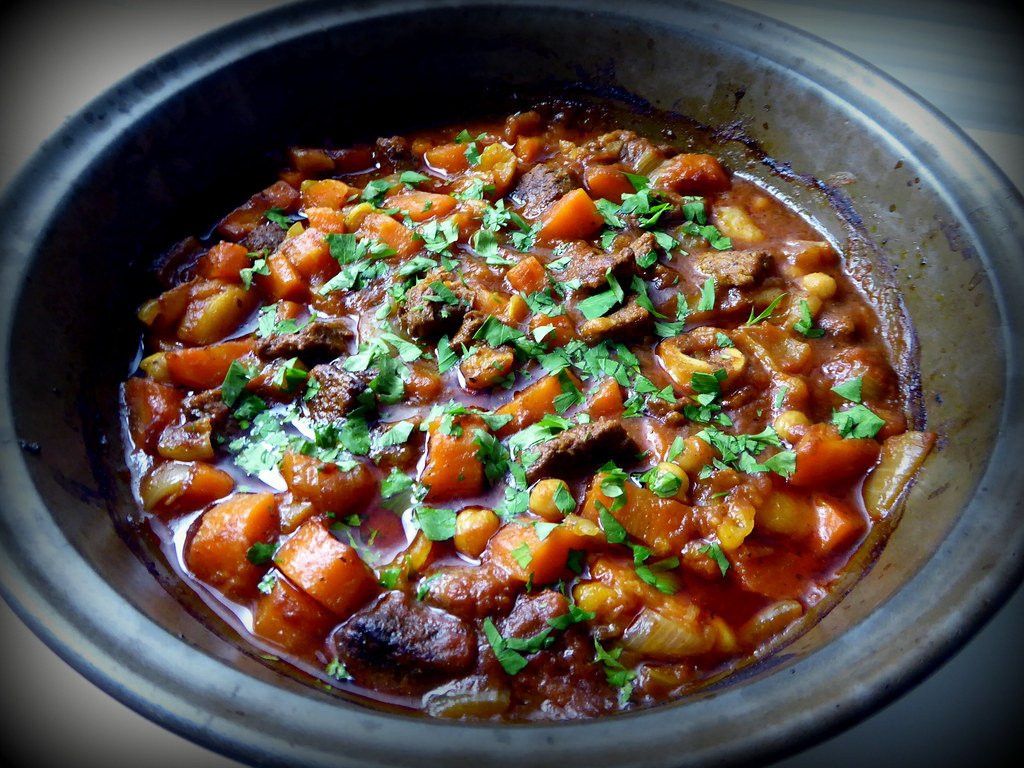
The origins of lamb tagine can be traced back to the Berber refugees of the Maghreb region. Over centuries, it has evolved into a cherished culinary tradition, reflecting the cultural influences of Arab, Berber, and Mediterranean societies. The process of cooking lamb tagine is a ritual in itself; the ingredients are combined and allowed to simmer at low temperatures, which enhances the flavors and tenderness of the meat. This slow-cooking technique is essential in revealing the dish’s rich and intricate taste.
The sensory experience of preparing and enjoying lamb tagine is profound. As the spices—such as cumin, coriander, cinnamon, and saffron—infuse the lamb during cooking, a symphony of aromatic notes fills the air. The tender meat, paired with sweet dried fruits like apricots or prunes, creates a harmonious balance of savory and sweet, captivating the palate with each bite. Serving lamb tagine often involves traditional accompaniments like couscous, which further elevates the dining experience.
Beyond its culinary appeal, tags and tagines hold cultural significance in Morocco. Not just cookware, they signify the communal aspect of dining and the importance of hospitality in Moroccan society. A meal of lamb tagine is often shared among family and friends, symbolizing togetherness and celebration. This dish, with its rich history and inviting flavors, continues to capture the hearts of many, making it a beloved component of Moroccan cuisine.
Essential Ingredients for Lamb Tagine
To create a traditional lamb tagine that resonates with authentic Moroccan flavors, it is crucial to utilize high-quality ingredients that harmonize beautifully. The primary ingredient, of course, is lamb. Opt for cuts such as shoulder or shank, as these parts become tender during the slow cooking process, absorbing the spices and aromatics. If lamb is not available, beef or goat can serve as suitable substitutes, though the taste will vary.
Spices play a pivotal role in crafting the depth of flavor associated with lamb tagine. A typical spice blend includes cumin, coriander, cinnamon, ginger, and saffron, which contribute to the dish’s distinctive taste. Obtaining fresh spices is essential; consider visiting local spice shops or farmers’ markets to find high-quality options. In lieu of traditional spices, dried alternatives can also be utilized, though fresh is always recommended for optimal flavor.
Vegetables enhance the texture and flavor profile of the tagine. Common choices include tomatoes, carrots, and bell peppers, which help create a robust base. Alternatively, seasonal vegetables, such as zucchini or parsnips, can be incorporated during cooking, aligning with local availability. Dried fruits, particularly apricots and raisins, are often added to lamb tagine, imparting a subtle sweetness that balances the savory spices.
Aromatics such as onion and garlic further enrich the dish’s complexity. Chopped onion should be sautéed until golden before adding the lamb, while garlic can be minced and included for depth. Lastly, fresh herbs such as cilantro or parsley can be sprinkled before serving to bring a bright freshness to the dish.
In summary, focusing on sourcing high-quality lamb, fresh spices, seasonal vegetables, and aromatic herbs will elevate your lamb tagine’s flavor. Taking the time to select the right ingredients is essential for achieving a memorable and authentic culinary experience.
Step-by-Step Cooking Instructions
To create an authentic lamb tagine, follow these detailed steps ensuring that your dish is both flavorful and tender. Begin by marinating the lamb, which is essential to infuse the meat with flavors. In a bowl, combine chunks of lamb shoulder with olive oil, ground cumin, coriander, cinnamon, and a pinch of salt. Optionally, add minced garlic and grated ginger for added depth. Let the lamb marinate for a minimum of two hours, ideally overnight, to allow the spices to penetrate the meat.
Next, prepare your vegetables. Traditional ingredients include onions, carrots, and tomatoes, but feel free to incorporate seasonal vegetables like zucchini or bell peppers. Dice the vegetables into uniform pieces to ensure even cooking. If you choose to include dried fruits such as apricots or raisins, chop them roughly to release their sweetness during the cooking process.
For the cooking method, you can opt for either stovetop or oven preparation. For the stovetop method, heat a heavy-bottomed pot or a tagine pot over medium heat. Add a tablespoon of olive oil and sear the marinated lamb until browned on all sides. Remove the lamb and set aside. In the same pot, sauté the onions until translucent, then introduce the chopped vegetables and cook for an additional five minutes.
Return the lamb to the pot, add a cup of chicken or vegetable broth, and cover tightly. Reduce the heat to low and let it simmer for approximately two hours, stirring occasionally. Alternatively, for an oven method, preheat your oven to 325°F (163°C). Follow the same initial steps—browning the lamb and sautéing the vegetables in a Dutch oven. Then, add broth and cover. Place in the oven for two to three hours, checking for tenderness.
Throughout the process, maintain a close eye on liquid levels to prevent burning. If the sauce thickens too much, add more broth as needed. Finally, when the lamb is fork-tender, serve it hot over couscous or with crusty bread, garnished with fresh herbs for a vibrant touch.
Serving Suggestions and Variations
Lamb tagine is not only a flavorful dish but also a versatile one that can be served in various ways to complement its rich taste. Traditionally, it is enjoyed alongside couscous, which serves as an excellent base to soak up the aromatic sauce. The grains of couscous capture the essence of the tagine, enhancing each bite. Additionally, serving it with warm, crusty bread is common as it allows diners to scoop up the tender lamb and vegetables, creating a delightful combination of flavors and textures.
Presentation is key when serving lamb tagine. Using a traditional Moroccan tagine pot not only showcases the dish but also keeps it warm while dining. Garnishing with fresh herbs, such as cilantro or parsley, and perhaps a sprinkle of toasted almonds can provide a vibrant contrast to the dish’s earthy tones, making it visually appealing. When hosting, consider placing the tagine in the center of the table, allowing guests to serve themselves, which promotes an interactive dining experience.
Exploring regional variations can inspire creativity when preparing lamb tagine. For instance, the addition of olives and preserved lemons is common in coastal Moroccan recipes, lending a bright, briny flavor that complements the richness of the meat. Alternatively, incorporating fruits such as apricots or raisins can add a delightful sweetness, echoing the sweet and savory balance cherished in North African cuisine. These variations encourage home cooks to tailor their lamb tagine according to personal preferences or available ingredients.
When it comes to beverages, pairing lamb tagine with a fruity red wine, such as Grenache or Syrah, works beautifully as these wines can enhance the dish’s complex flavors. For non-alcoholic options, mint tea or a refreshing pomegranate juice provides a delightful accompaniment. Lastly, if any leftovers remain, they can be stored in an airtight container in the refrigerator for up to three days, allowing for delightful meals in the days following the initial preparation.