

Introduction to Boerewors: The South African Sausage
Boerewors is a traditional South African sausage that holds a special place in the nation’s culinary repertoire. Its name is derived from the Afrikaans words “boer,” meaning farmer, and “wors,” meaning sausage. The origins of boerewors trace back to the early days of South Africa when it was brought to the region by Dutch settlers. Over time, this sausage has evolved into a beloved staple, deeply embedded in South African culture and enjoyed at various gatherings, particularly during braais (barbecues).
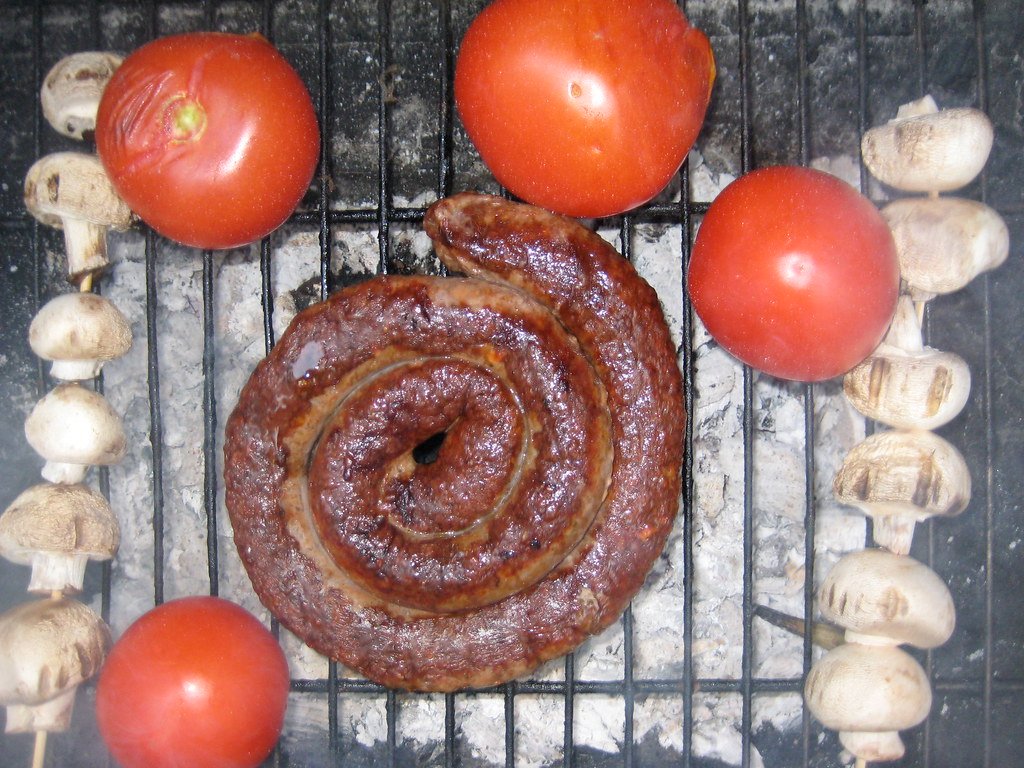
What differentiates boerewors from other types of sausages is its unique blend of spices and ingredients. Typically made from a mixture of minced beef and pork, boerewors is infused with traditional seasonings such as coriander, nutmeg, and black pepper, contributing to its distinct flavor profile. In addition to these spices, the meat is often combined with vinegar or red wine, which enhances its taste and preserves the sausage. The specific protein proportions and spice combinations can vary regionally, making each homemade or commercially produced batch a bit different.
In terms of consumption, boerewors is often grilled on an open flame, resulting in a savory aroma and a satisfying texture. It is commonly served with pita-like bread, sauces, and various side dishes, showcasing its versatility as either a main course or a delectable snack. While many South Africans enjoy purchasing boerewors from local butchers, making this sausage at home can be a rewarding culinary endeavor. By crafting boerewors from scratch, one not only embraces the artistry of sausage-making but also honors the rich heritage and traditions associated with this treasured dish.
Essential Ingredients for Perfect Boerewors
To create authentic boerewors, understanding the essential ingredients is crucial. Traditionally, this South African sausage is primarily made from a blend of beef and pork. The beef contributes a rich, hearty flavor, while the pork adds tenderness and moisture. Ideally, the meat should be finely minced but not ground too much, ensuring a chunky texture that enhances the eating experience.
Equally important is the fat content of the meats. A ratio of about 80% meat to 20% fat is recommended to achieve the desired juiciness without compromising the integrity of the sausage. The fat helps in flavor development during cooking and ensures that the boerewors remains succulent.
Spices play a vital role in defining the taste of boerewors. Coriander seeds, which are often coarsely ground, impart a distinctive aroma and flavor. Cloves add warmth and depth, while other spices such as allspice, nutmeg, and black pepper can be included based on personal preference. Additionally, a splash of vinegar is crucial; it not only enhances the flavor profile but helps in preserving the sausage.
For those seeking alternatives due to dietary restrictions, options like chicken or lamb can substitute the traditional meats, while remaining mindful of the fat content for optimal results. Furthermore, a variety of spices can be adjusted to accommodate individual tastes without sacrificing the essence of boerewors.
Finally, when sourcing ingredients, prioritize quality over quantity. Fresh, high-quality meat from a reputable butcher, along with organic spices, will greatly enhance your boerewors. This approach not only maximizes flavor but ensures a more satisfying culinary experience.
Step-by-Step Process of Making Boerewors at Home
Making boerewors at home is a rewarding process that involves several key steps to ensure the sausage has the right flavor and texture. Begin with selecting high-quality meats; traditional boerewors is typically a blend of beef and pork, with a fat content of around 20% to enhance juiciness. Start by cutting the meat into manageable chunks, approximately 1-inch cubes.
Next, prepare your spices and herbs. A classic boerewors spice mixture includes coriander seeds, black pepper, nutmeg, and cloves, among others. Lightly toast the whole spices in a dry skillet to unlock their flavors, then grind them to a fine consistency using a spice grinder or mortar and pestle.
Once your meat and spices are ready, it’s time to grind the mixture. Using a meat grinder fitted with a coarse plate, process the meat and spice blend together until it achieves a uniform consistency. A good tip is to chill the meat and grinder components in the freezer for about 30 minutes before grinding, which helps maintain the texture.
After grinding, transfer the mixture to a mixing bowl and add a small amount of vinegar, typically red wine vinegar, which is essential for flavor and texture. Mix thoroughly with your hands, ensuring that the spices are evenly distributed throughout the meat.
The next step is to stuff the casings. Natural hog casings are commonly used for boerewors, and they need to be soaked in cold water before use. Fit the casing onto the stuffing nozzle of your sausage stuffer, and carefully feed the meat mixture into the casing until it is filled but not overly packed. Tie off the ends securely.
Finally, once the sausages are shaped and tied, they can be hung in a cool, ventilated area for a short period to allow the flavors to meld. Make sure to refrigerate your boerewors if not cooking immediately. This step-by-step guide emphasizes precision and attention to detail, crucial for achieving authentic boerewors that showcases the rich culinary heritage of South Africa.
Cooking and Serving Tips for Your Boerewors
When it comes to preparing boerewors, several cooking methods can help you achieve the desired taste and texture. One popular technique is grilling, which allows the boerewors to develop a smoky flavor while retaining its juiciness. To grill boerewors to perfection, preheat your grill to medium heat and cook the sausages for approximately 15 to 20 minutes, turning them regularly to avoid burning and ensure even cooking.
Another option is frying, which can deliver a crisp outer layer. Preheat a skillet over medium-high heat and add a small amount of oil. Place the boerewors in the pan and cook for around 10 to 15 minutes, turning them frequently. Additionally, baking is a healthy and straightforward method. Preheat your oven to 180°C (350°F) and place the boerewors on a baking sheet. Bake for roughly 20 to 25 minutes, flipping halfway through to promote even cooking.
Complementing your boerewors with suitable side dishes can elevate your dining experience. Traditional options include pap (a type of maize porridge), chakalaka (a spicy vegetable relish), and a fresh side salad. These accompaniments enhance the flavors of the boerewors and add texture to the meal.
Serving boerewors can be as simple as placing it on a plate alongside your chosen sides, or you can get creative by using rolls or flatbreads to make boerewors burgers. To keep boerewors fresh and flavorful, store any leftovers in an airtight container in the refrigerator. Consume leftovers within 2-3 days for the best quality. Alternatively, you can freeze boerewors to extend its shelf life; simply wrap individual portions tightly in plastic wrap and place them in a freezer bag. When using boerewors as an ingredient, consider incorporating it into stir-fries, casseroles, or pasta dishes for added flavor and protein. By employing these cooking and serving tips, you can enjoy delicious boerewors in various ways.