
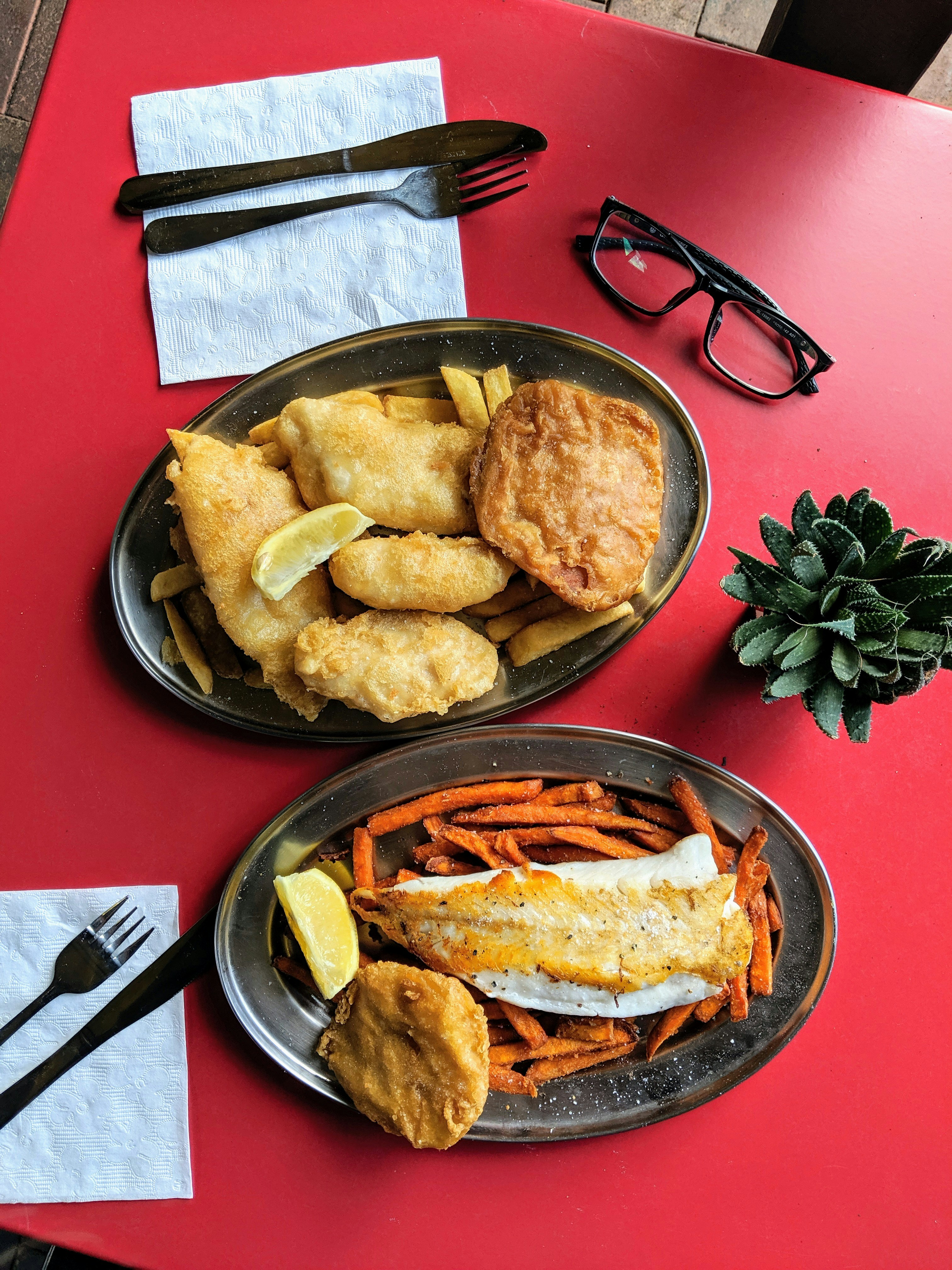
Introduction to Fish and Chips
Fish and chips is a traditional British dish that has become synonymous with British cuisine and culture. The simple combination of battered fish and deep-fried potatoes offers more than just a meal; it embodies a rich history that dates back to the 19th century. The origins of this iconic dish can be traced to the working-class communities in the United Kingdom, where it provided a hearty and affordable source of sustenance.
The exact timeline of when fish and chips first emerged is somewhat disputed, but many agree that it was popularized in England during the Industrial Revolution. The introduction of railways in the mid-1800s enabled fresh fish to be transported from coastal ports to inland cities, allowing this dish to flourish. Vendors selling fried fish and potato chips began to appear in various cities, and soon after, dedicated fish and chip shops started to open, cementing its place in British culinary history.
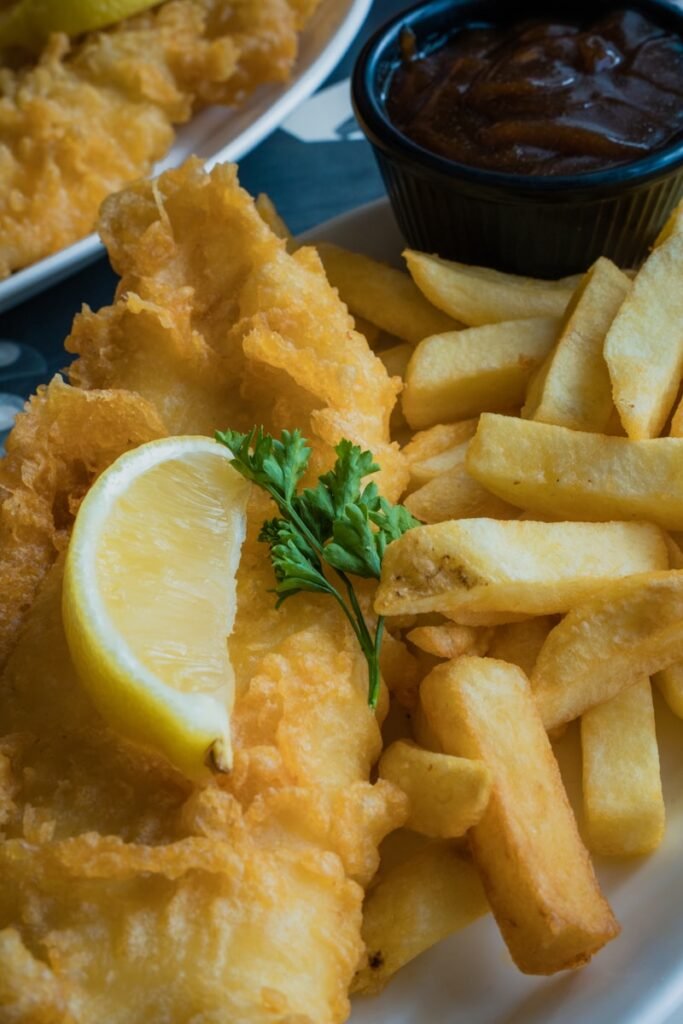
Fish and chips gained popularity not only for its taste but also for its convenience. The dish quickly became a staple for laborers and families, and its accessibility contributed to its establishment as a national treasure. Its combination of textures—the crunch of the golden batter combined with tender, flaky fish, alongside the crispiness of the chips—offers a delightful dining experience that resonates with many.
In modern times, fish and chips are often associated with seaside holidays and social gatherings. The dish has also been adapted in various ways across the world, yet the traditional version remains a beloved comfort food. Making fish and chips at home can be a fulfilling experience, allowing enthusiasts to connect with this culinary heritage while enjoying the satisfaction of creating a timeless meal from scratch.
Ingredients Needed for the Perfect Fish and Chips
To recreate classic fish and chips at home, one must gather a selection of essential ingredients that will contribute to the authentic taste of this beloved dish. The two main components of this meal are the fish and the chips, each requiring specific ingredients.
For the fish, the traditional choices include white fish varieties such as cod, haddock, or pollock. These fish types are favored for their mild flavor and flaky texture, which respond well to frying. Your fish fillets should be fresh, and if possible, sourced from sustainable fisheries to enhance the environmental impact of your meal.
Next, you will need ingredients to prepare the batter that coats the fish. A classic recipe typically includes all-purpose flour, baking powder, and a pinch of salt. Some recipes further enhance the batter with cornstarch or beer to impart a light and crispy texture. Depending on your preference, you may choose a carbonated beverage for the batter, as it adds a unique flavor and lightness.
As for the chips, you will require starchy potatoes such as Maris Piper or Russet potatoes, known for their excellent frying qualities. After peeling and cutting the potatoes into thick strips, soaking them in cold water helps remove excess starch, which contributes to achieving the perfect crispy finish during frying.
Completing your fish and chips dish, consider side sauces such as traditional tartar sauce or malt vinegar for after frying. Optional accompaniments may include mushy peas or a wedge of lemon to enhance the overall dining experience.
Step-by-Step Instructions for Preparing and Cooking
To successfully prepare classic fish and chips at home, it is essential to follow a structured approach which encompasses creating the batter, prepping the fish, frying the chips, and achieving that ideal crunchy texture.
Begin by preparing the batter, which is fundamental to the crispiness of the fish. In a mixing bowl, combine 1 cup of all-purpose flour with 1 teaspoon of baking powder, a pinch of salt, and some ground black pepper. Gradually add 1 cup of cold sparkling water while whisking until the mixture is smooth and devoid of lumps. For a richer flavor, you may substitute some of the sparkling water with beer, a traditional choice in many recipes.
Next, focus on preparing the fish. Commonly used fish for this dish includes cod or haddock. Ensure that the fish fillets are fresh, boneless, and skinless, cutting them into uniform-sized pieces, approximately 4 to 6 ounces each. Pat the fish dry using paper towels to remove excess moisture, which is crucial for ensuring the batter adheres well.
When it comes to the chips, choose starchy potatoes, such as Russets. Peel the potatoes and cut them into thick sticks, roughly 1 inch wide. Rinse the cut chips under cold water to eliminate excess starch, then soak them in water for up to 30 minutes to further reduce starch levels. Drain and thoroughly dry the chips with a towel.
Heat vegetable oil in a deep fryer or a large, heavy-bottomed pot to approximately 350°F (175°C). It is essential to fry the chips in two stages. First, blanch the chips in the hot oil for about 5 minutes until tender but not golden, then remove and allow them to cool. Increase the oil temperature to 375°F (190°C) before frying the chips again for 3 to 5 minutes until they become golden brown and crispy.
For the fish, dredge each piece in the flour and shake off the excess. Dip the fish into the batter, allowing any excess to drip off before carefully lowering it into the hot oil. Fry the fish for approximately 5 to 7 minutes until the batter is golden brown and crispy. Ensure to monitor the cooking times closely to achieve perfect results.
Safety is paramount when frying. Always use a deep-fry thermometer to manage oil temperatures accurately. Additionally, avoid overcrowding the frying vessel as this can lower the oil temperature significantly, resulting in soggy chips and fish.
Serving Suggestions and Variations
When it comes to serving classic fish and chips, presentation and accompaniments play a crucial role in enhancing the overall dining experience. Traditionally, fish and chips are served with a side of mushy peas and tartar sauce, which complements the crispy batter and flaky fish perfectly. You may also consider offering a wedge of lemon to add a refreshing zest as well as a touch of color to the plate. For an authentic British experience, serve the dish wrapped in paper, reminiscent of the fish and chip shops found throughout the UK.
In addition to the traditional accompaniments, variations of fish and chips can elevate this classic dish. While cod is widely used, other fish such as haddock, pollock, or even sole can provide different flavor profiles and textures. Each type of fish has its unique characteristics, making for an interesting twist on the dish. Furthermore, experimenting with different spices in the batter, such as cayenne pepper, garlic powder, or even curry powder, can add depth or a unique kick to your classic recipe, appealing to diverse palates.
For those looking to enjoy a healthier version of fish and chips, consider baking the fish instead of frying it. A light coating of breadcrumbs or an egg wash can provide a delightful crunch without the extra calories of deep frying. Additionally, instead of traditional chips, you can substitute frozen sweet potato fries or baked potato wedges, which offer a nutritious alternative while still satisfying those cravings for something hearty and fried.