
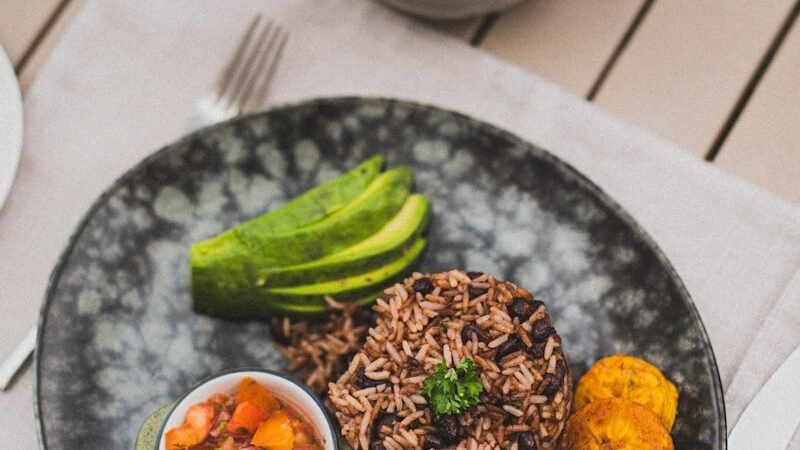
What is Casado?
Casado is a traditional Costa Rican dish that embodies the essence of the country’s culinary identity. The term “Casado” translates to “married” in English, symbolizing the combination of various ingredients that come together to create a harmonious meal. This meal is a staple in Costa Rican households, representing the balanced diet that the country values and serving as a vibrant reflection of its culture.
Typically, a traditional Casado consists of several significant components: rice, beans, protein (such as chicken, beef, or fish), a fresh salad, and fried plantains. Each element plays a crucial role in providing not just sustenance, but also variety and vibrancy to the dish. The rice and beans are often cooked separately but are served together, showcasing the complementary nature of these staple ingredients. This combination provides essential nutrients, reflecting Costa Rica’s focus on health and wellness.
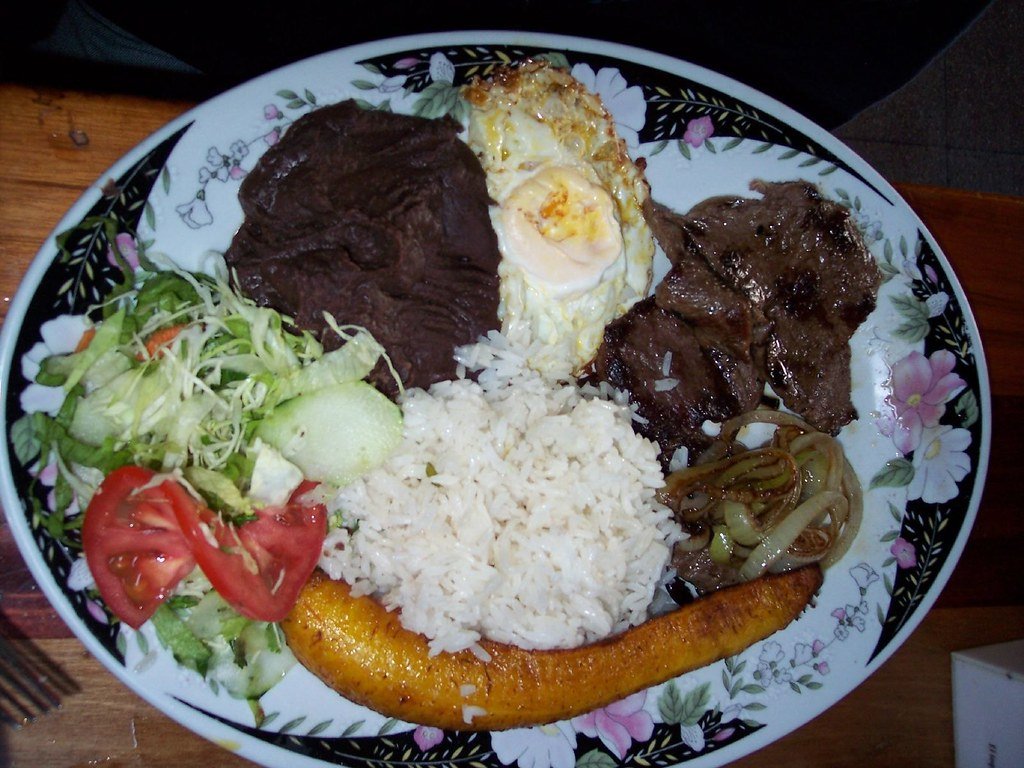
Casado holds a special significance in everyday Costa Rican life, often enjoyed as lunch in homes and restaurants alike. For many Costa Ricans, it is a go-to meal after a busy morning, offering nourishment and satisfaction. It exemplifies the country’s agricultural richness, utilizing local ingredients that contribute to its unique flavor profile. As diners experience Casado, they witness a celebration of simplicity, seasonal produce, and culinary tradition, making it a dish that connects generations.
The appeal of Casado lies not only in its diverse components but also in its versatility. While the core elements remain consistent, variations can occur based on regional availability or personal preference. As such, Casado serves as a canvas for creativity while still adhering to its traditional roots, celebrating the cultural landscape of Costa Rica. For both locals and visitors, enjoying a plate of Casado is an immersive experience in Costa Rican heritage and flavor.
Essential Ingredients for Casado
Casado is a quintessential dish in Costa Rican cuisine, characterized by its balance of flavors and colors. To prepare an authentic Casado, it is crucial to focus on the vital ingredients that embody the essence of this meal.
One of the primary components of Casado is the choice of protein. Common options include chicken, beef, or fish. Each protein source offers a distinct flavor, but it is recommended to use fresh, locally sourced meats for optimal taste and quality. For those who prefer a vegetarian alternative, grilled vegetables or tofu can also serve as an excellent substitute.
Rice and beans are the pillars of a traditional Casado. Typically, white rice is served alongside black beans, creating a nutritious and satisfying base. The inclusion of the “gallo pinto” variety, which incorporates spices and coriander, can further enhance the dish’s flavor profile, making it a delightful addition.
Salads are a crucial accompaniment, often featuring a mix of fresh vegetables such as tomatoes, cucumbers, and lettuce. A light dressing, often made with lime juice and olive oil, complements the freshness of the salad and adds an inviting zesty flavor.
A notable side dish in Casado is fried plantains, known locally as “plátanos maduros.” These sweet and crispy servings contrast beautifully with the savory components of the meal. Their golden color and delicate sweetness enhance the overall presentation and enjoyment.
Incorporating these fresh and local ingredients will not only capture the authenticity of Costa Rican cuisine but also highlight the culinary heritage that Casado represents. Emphasizing quality and freshness serves to elevate the dining experience, ensuring that every bite resonates with true Costa Rican flavor.
Step-by-Step Casado Recipe
Casado is a traditional dish from Costa Rica that typically includes rice, beans, a protein, salad, and fried plantains. To create an authentic casado, follow these detailed steps to ensure that all components come together harmoniously.
Ingredients:
- 2 cups of white rice
- 1 can of black beans
- 1 pound of your choice of protein (chicken, beef, or fish)
- 1 ripe plantain
- Fresh vegetables for salad (e.g., lettuce, tomato, cucumber)
- Cooking oil, salt, and spices to taste
Preparation Steps:
- Cook the Rice: Begin by rinsing 2 cups of white rice under cold water until the water runs clear. This helps remove excess starch. In a pot, combine the rinsed rice with 4 cups of water, a pinch of salt, and bring it to a boil. Once boiling, reduce the heat to low, cover, and simmer for about 20 minutes, or until the rice absorbs all the water.
- Prepare the Beans: While the rice cooks, drain and rinse the canned black beans. To enhance flavor, heat a tablespoon of oil in a skillet over medium heat, adding the beans along with some garlic, onion, and spices. Heat until warmed through, approximately 5–7 minutes.
- Cook the Protein: In another skillet, heat oil and season your chosen protein with salt and spices. Sear the protein for about 5-7 minutes on each side or until cooked thoroughly and golden brown. Let it rest before slicing.
- Fry the Plantains: Peel the ripe plantain and slice it diagonally into about 1-inch thick pieces. In a separate skillet, heat oil over medium heat and fry the slices until golden and caramelized, generally about 2–3 minutes per side.
- Assemble the Casado: On a large plate, start by placing a generous serving of rice and beans side by side. Arrange the sliced protein next to them, add a portion of the fresh salad, and finish with a few slices of fried plantain.
Timing is crucial for ensuring all components are ready simultaneously. Consider starting the rice first, followed by the beans, then the protein, and finally the plantains. This method ensures that each element is fresh and ready for assembly without extensive downtime.
Serving and Enjoying Casado
Casado is a quintessential dish that embodies the essence of Costa Rican comfort food. When serving Casado, the presentation plays a crucial role in capturing the vibrant and diverse components of the meal. Typically, a well-arranged plate of Casado will contain a balanced portion of rice, black beans, fried plantains, and a protein of your choice, such as grilled chicken, beef, or fish. The dish is often garnished with fresh cilantro or sliced avocado to enhance both flavor and visual appeal.
In Costa Rica, eating Casado is more than merely satisfying hunger; it is a daily ritual cherished by families. Traditionally, Casado is served at lunchtime, accompanied by a refreshing side salad featuring fresh vegetables. The meal’s layout reflects the communal aspect of Costa Rican culture, with family members often gathering around the table to share stories and engage in conversation. This sense of unity enhances the dining experience, making Casado not just a meal but a cherished event.
To elevate your Casado experience, consider pairing it with a glass of natural fruit juice, such as guanabana or fresco de cebadilla, which complements the dish’s flavors beautifully. If you prefer a non-alcoholic option, Costa Rican coffee is an excellent choice that aligns with the country’s rich coffee-growing heritage. For those seeking an alcoholic beverage, a local beer or a light cocktail can enhance the meal without overpowering the natural tastes of Casado.
Finally, enjoying Casado with friends and family enhances the authenticity of this beloved dish. Whether at home or in a local restaurant, sharing this culinary experience fosters a deeper appreciation for Costa Rican culture and its culinary traditions. Thus, serving and enjoying Casado goes beyond mere nourishment—it is an invitation to engage with community and heritage.