
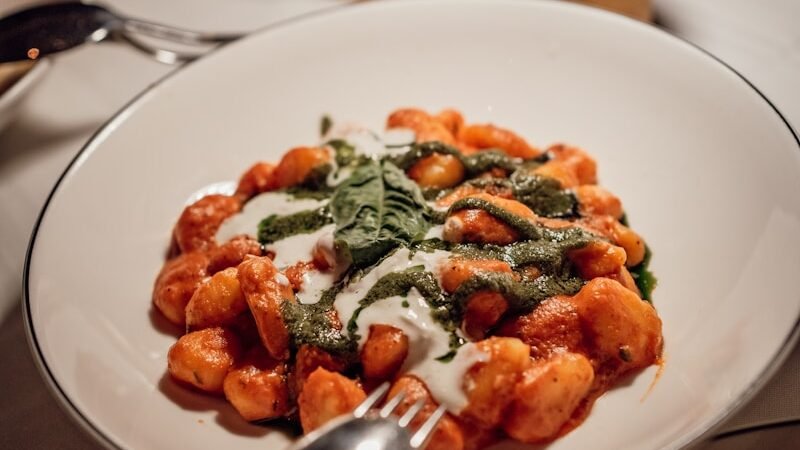
Introduction to Gnocchi: A Delicious Italian Tradition
Gnocchi, a beloved staple in Italian cuisine, boasts roots that trace back to antiquity. The term “gnocchi” is derived from the Italian word for “lump” or “knot,” and this charming dish is traditionally made from a mixture of potatoes, flour, and eggs. This classic preparation has evolved over the centuries, embracing various regional variations across Italy that incorporate diverse ingredients like semolina, spinach, and even ricotta.
The cultural significance of gnocchi extends far beyond its simple composition. It is often enjoyed during special occasions and family gatherings, symbolizing togetherness and the warmth of home-cooked meals. Moreover, gnocchi can be found in menus across Italy, from upscale restaurants to cozy trattorias, each offering a unique take on this ageless dish. The comforting texture and delicious taste of freshly made gnocchi exemplify the essence of Italian culinary tradition, showcasing the importance of quality ingredients and a love for food.
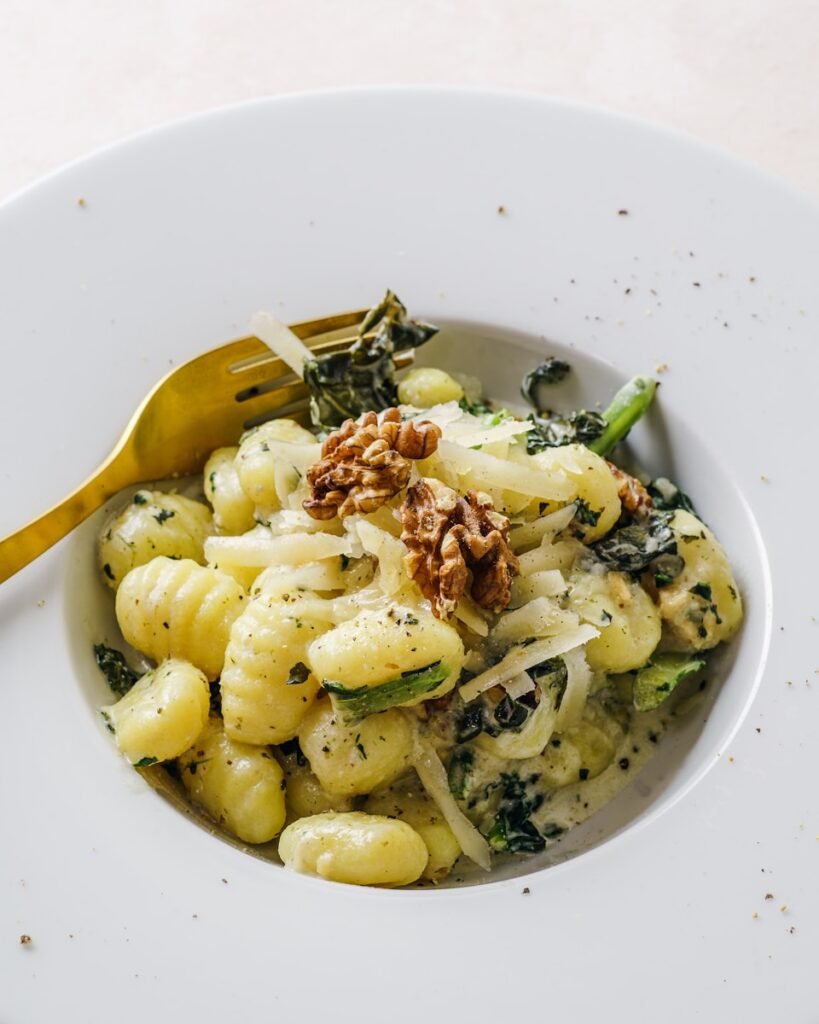
Making gnocchi from scratch elevates the culinary experience significantly. While store-bought alternatives may offer convenience, nothing compares to the satisfaction of crafting this delicate pasta at home. The process of mashing and mixing the potatoes, rolling the dough, and shaping each piece by hand not only connects you with an important culinary heritage, but it also allows for customization in flavor and texture that store-bought versions often lack. The tactile enjoyment of kneading dough and the joyful anticipation that accompanies the cooking process transforms gnocchi into an act of creativity and passion.
Embracing this rewarding practice cultivates an appreciation for Italian cuisine and its rich traditions. Ultimately, gnocchi is not just food; it is a celebration of family, shared moments, and the artistry of cooking, making every homemade batch a heartwarming addition to any meal.
Ingredients You Need for Perfect Gnocchi
Making gnocchi from scratch is a rewarding culinary experience that begins with sourcing the right ingredients. The foundation of outstanding gnocchi lies primarily in the quality of the potatoes used. Starchy varieties, such as Russet or Yukon Gold, are recommended due to their high starch content, which aids in achieving a light and fluffy texture. It is advisable to avoid waxy potatoes, as they can result in a denser final product.
Another crucial ingredient is flour, which acts as a binding agent. The type of flour you choose plays a significant role in the texture of the gnocchi. All-purpose flour is commonly used, but for a more authentic experience, consider using ’00’ flour, which results in a finer and more delicate dough. The ratio of flour to potato is essential; typically, a good balance is approximately 1 cup of flour for every pound of potatoes. However, this may vary based on the moisture content of the potatoes.
Eggs are often included in traditional gnocchi recipes to enrich the dough and improve its binding capabilities. Using fresh eggs can enhance the flavor and provide additional nutrition. Depending on your preference, you can use one egg for every pound of potatoes, though some recipes may require more eggs or none at all, particularly for a lighter gnocchi.
In addition to these core ingredients, consider incorporating flavor enhancers such as salt, freshly grated nutmeg, or herbs. These can add depth and enhance the overall taste. Once you have sourced quality ingredients, you can begin the process of creating homemade gnocchi that reflects your culinary skills and personal taste.
Step-by-Step Instructions for Making Gnocchi from Scratch
Making gnocchi from scratch is a delightful culinary adventure that requires attention to detail and a bit of practice. To begin, select high-starch potatoes, such as Russets or Yukon Golds, as these varieties yield a fluffier texture. Start by washing and boiling the potatoes with their skins on, which helps to retain moisture. Cook them until they are fork-tender, usually around 20 to 30 minutes, then drain and let them cool slightly. Once they are manageable, peel the potatoes while still warm, as this simplifies the process.
Next, pass the peeled potatoes through a ricer or mash them finely in a bowl. The latter method can introduce lumps; therefore, a ricer is preferred for achieving a smooth consistency. Following this, create a mound of the mashed potatoes on a clean work surface, forming a well in the center. This well will accommodate the flour and egg. Generally, for every pound of potatoes, you should use about 1 to 1.5 cups of all-purpose flour and one egg to bind the mixture. This ratio may vary based on the moisture content of the potatoes.
Gently add the flour and egg into the well, utilizing a fork or your fingers to blend the ingredients. Work the mixture minimally to prevent gluten development, which can lead to a dense texture. Once it resembles a shaggy dough, form it into a ball. Next, divide the dough into smaller portions and roll each piece into a long rope, roughly ¾ of an inch thick. Cut the rope into bite-sized pieces.
To shape the gnocchi, use a fork or a gnocchi board to create ridges, which help sauce adhere better. It is important to sprinkle some flour on the work surface to prevent sticking. After shaping, you can either cook them immediately or freeze them for later use. When ready to cook, drop the gnocchi into boiling salted water and watch for them to float, which typically indicates they are done. This step-by-step guide will assist in crafting pillowy-perfect gnocchi, ensuring a rewarding cooking experience.
Cooking, Serving, and Storing Your Homemade Gnocchi
Once you’ve made your homemade gnocchi, the next steps involve cooking and serving them to ensure a delicious experience. To cook gnocchi, start by bringing a large pot of salted water to a rolling boil. Gnocchi is best cooked in small batches; add them to the boiling water and cook until they rise to the surface, usually about 2-3 minutes. This floating action indicates that they are cooked to perfection. Using a slotted spoon, carefully remove the gnocchi and transfer them to a plate.
When it comes to serving, gnocchi pairs well with a variety of sauces that enhance their delicate flavor. Classic options include a simple butter and sage sauce, which highlights the gnocchi’s texture and allows the potato flavor to shine. Alternatively, a rich marinara or a creamy Alfredo sauce works beautifully. For an added touch, consider garnishing with freshly grated Parmesan cheese, a sprinkle of fresh herbs like basil or parsley, or even toasted pine nuts for some crunch.
Storing your homemade gnocchi is straightforward. If you plan to enjoy them later, it is advisable to freeze them before cooking. After shaping the gnocchi, spread them on a baking sheet lined with parchment paper and freeze until solid. Once frozen, transfer them to an airtight container or resealable plastic bag and store them in the freezer for up to two months. On the other hand, if you’ve cooked gnocchi and have leftovers, they can be stored in the refrigerator in a sealed container for about 2-3 days. To reheat gnocchi, consider sautéing them in a pan with a bit of oil or butter until they are heated through and achieving a crispy edge, restoring their delightful texture.