
Introduction to Kimchi: A Culinary Delight
Kimchi is much more than a mere condiment in Korean cuisine; it embodies a rich cultural heritage and a robust culinary tradition. This fermented vegetable dish, typically made with Napa cabbage and a variety of seasonings, dates back to ancient times, with its earliest records appearing over two thousand years ago. Over the centuries, kimchi has evolved, reflecting regional ingredients and family recipes passed down through generations, making it a quintessential side dish that is almost ubiquitous in Korean households.
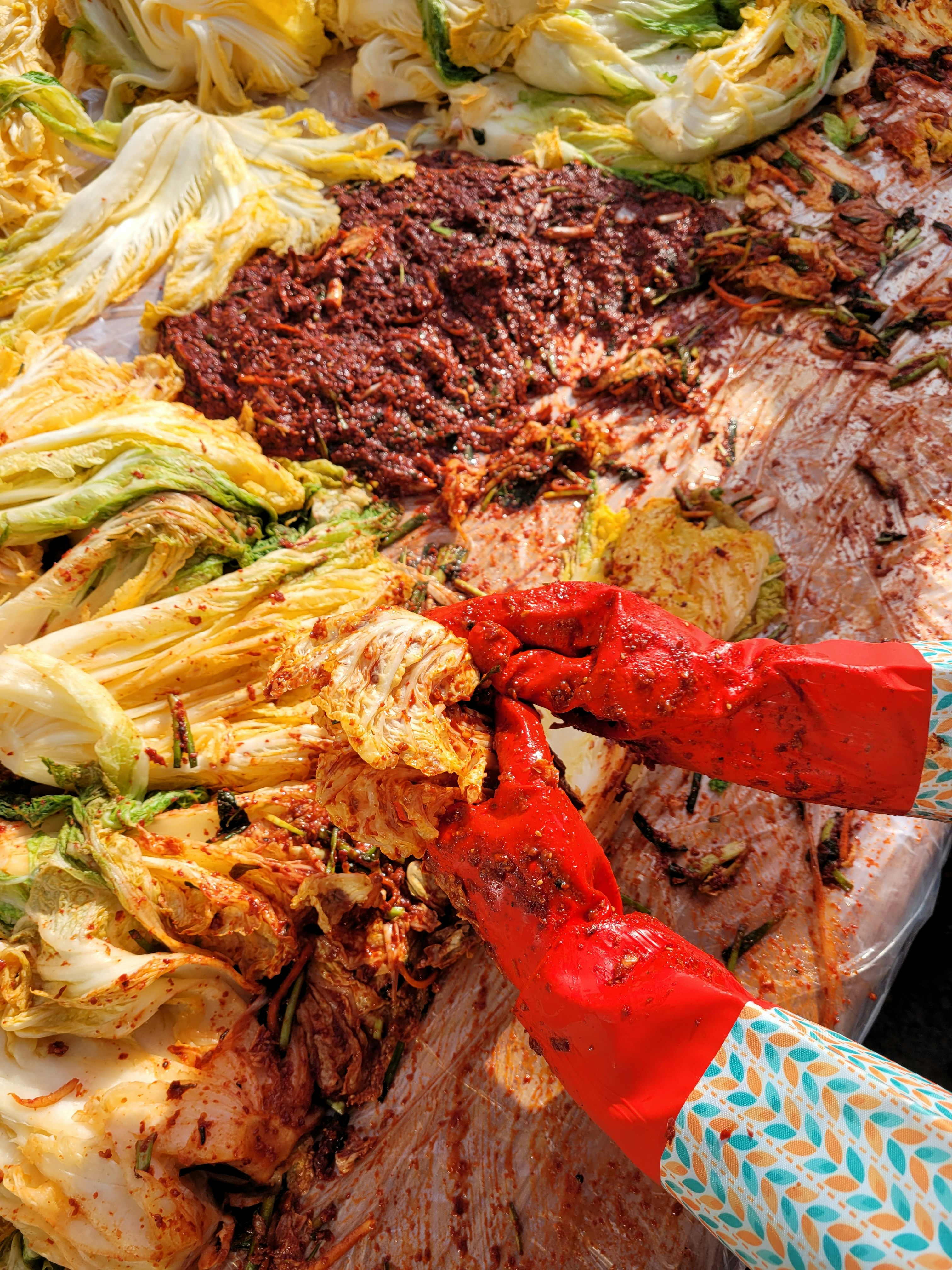
The art of kimchi-making is often viewed as a familial ritual, with families engaging in collaborative efforts during the preparation, particularly in the autumn months when vegetables are harvested. This practice, known as ‘kimjang,’ is recognized by UNESCO as an Intangible Cultural Heritage, highlighting its significance in fostering community spirit and connecting generations. During this process, families not only bond but also pass on traditional knowledge and skills that are critical in preserving the integrity of this culinary delight.
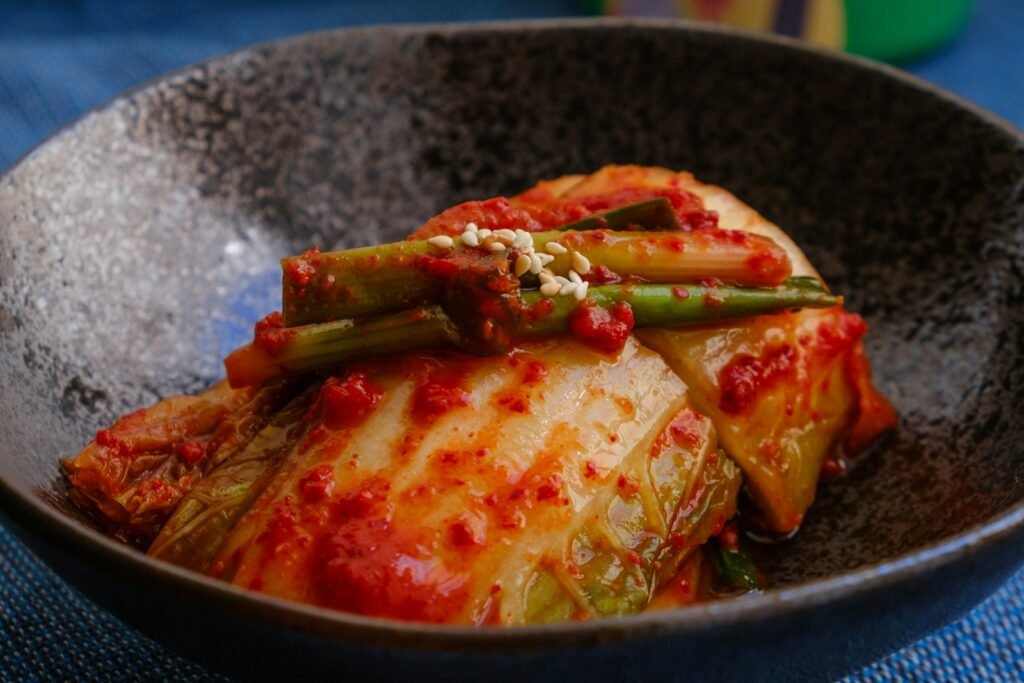
Beyond its cultural importance, kimchi is renowned for its numerous health benefits. First and foremost, the fermentation process produces an array of probiotics that enhance gut health. Consuming kimchi regularly may aid digestion and boost the immune system due to its rich content of vitamins and minerals. Additionally, due to its low-calorie count, it serves as a healthy accompaniment to various meals, promoting overall well-being. The tangy, spicy flavors of kimchi complement a wide range of dishes, making it an indispensable fixture in Korean dining experiences.
Essential Ingredients and Tools for Your Kimchi
Creating authentic kimchi from scratch requires a careful selection of ingredients and tools. The primary ingredient in kimchi is Napa cabbage, which serves as the base. Napa cabbage not only provides the desired texture but also absorbs the flavors of the spices and seasonings effectively. In addition to Taiwan cabbage, other vegetables such as radish, green onions, and carrots can be included to add variety and enhance the overall flavor profile.
Equally important are the spices and fermentation agents that give kimchi its distinctive taste. Korean red pepper flakes, known as gochugaru, are vital for providing both heat and a vibrant red color. Garlic and ginger, often used as aromatics, contribute depth to the kimchi’s flavor. Additionally, fish sauce or fermented shrimp can be added to introduce umami elements, balancing the stronger flavors of the spices.
Alongside the ingredients, specific tools are necessary for the kimchi preparation process. A sturdy cutting board and a sharp knife are essential for chopping vegetables. Mixing bowls, preferably glass or stainless steel, allow for easy mixing of the ingredients without absorbing odors. Fermentation jars, usually made from glass or ceramic, are critical for storing the kimchi as it develops its flavors over time. Utilizing a clean weight may also be beneficial to ensure that the vegetables remain submerged in the brine during fermentation, preventing spoilage.
In summary, a thoughtful selection of fresh, high-quality ingredients paired with the right tools will facilitate an enjoyable kimchi-making experience, ensuring that the final product is both flavorful and authentic.
Step-by-Step Guide to Making Kimchi
Making kimchi from scratch is a rewarding culinary adventure that begins with careful preparation. To start, gather fresh vegetables such as Napa cabbage, radishes, and scallions. Begin by cutting the Napa cabbage into quarters and removing the core. Rinse the leaves thoroughly and place them in a large bowl. Prepare a saltwater brine using one cup of sea salt dissolved in water. Soak the cabbage in this brine for at least two hours, turning it occasionally to ensure even seasoning. This step is crucial, as it helps to soften the cabbage and infuse it with flavor.
While the cabbage is brining, prepare the seasoning blend. In a separate mixing bowl, combine ingredients such as garlic, ginger, fish sauce, Korean red pepper flakes (gochugaru), and a touch of sugar to balance the flavors. You can adjust the spice level by varying the amount of gochugaru used. This seasoning will create the vibrant, tangy paste that enhances the fermented vegetables.
After the cabbage has soaked, drain and rinse it under cold water to remove excess salt. Gently squeeze out any extra moisture. In a large mixing bowl, combine the soaked cabbage, radishes cut into matchsticks, and scallions. Use your hands (wearing gloves to prevent irritation from the peppers) to thoroughly mix in the seasoning paste. Ensure that every piece of vegetable is coated evenly.
Next, pack the prepared kimchi tightly into sterilized jars or an airtight container. Leave some space at the top to allow for fermentation gases. Seal the jars and let them ferment at room temperature for one to two days, depending on your preference for tanginess. After fermentation, store your kimchi in the refrigerator. It is best served cold, and the flavors will continue to develop over time. This process allows for the fermentation to change the vegetables’ texture and flavor profile, resulting in a delightful traditional Korean dish.
Tips for Storing and Enjoying Kimchi
Kimchi, a traditional Korean dish, is renowned not only for its unique flavor but also for its numerous health benefits. To preserve its authenticity and prolong its shelf life, proper storage practices are essential. Store kimchi in an airtight container in the refrigerator, allowing it to ferment slowly and ideally. It’s commonly advised to use glass jars, as they do not impart any undesired flavors, while also making it easy to monitor the contents.
To determine when kimchi has reached an optimal fermentation level, look for changes in its color and aroma. Normally, well-fermented kimchi will develop a sour scent and may appear somewhat darker. Taste-testing is the most effective way to gauge readiness, as preferences for flavor can vary among individuals. For those who enjoy a stronger tang, letting kimchi sit a little longer is advisable, while others might prefer a fresher taste.
To extend the shelf life of kimchi, consider incorporating it into a variety of dishes. Kimchi can be added to stews, stir-fries, or used as a flavorful topping for rice bowls. Additionally, you can blend it into sauces or salad dressings, creatively introducing its distinct flavor to new culinary experiences. Various forms of kimchi, such as napa cabbage, radish, or cucumber, allow for exploration and experimentation with ingredients and spice levels according to personal taste.
Pairing kimchi with other foods enhances its enjoyment. Classic combinations include pairing kimchi with grilled meats, fried rice, or even a hearty sandwich. By understanding how to store and utilize kimchi, you can truly appreciate its versatility, making it a staple not only for traditional Korean meals but for numerous dishes worldwide.