
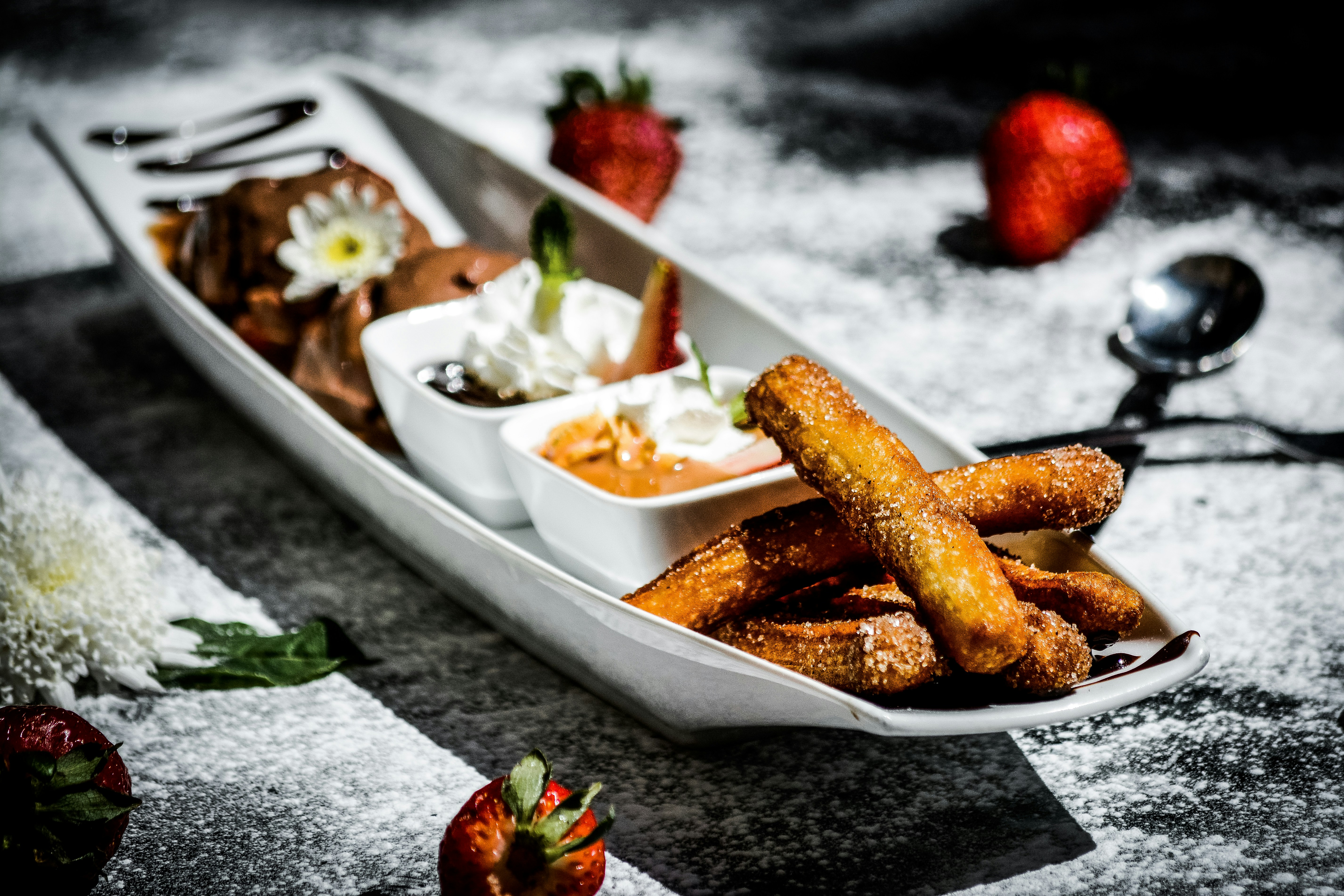
Introduction to Churros
Churros are a delightful pastry that has captured the hearts and taste buds of people around the globe. Originally believed to have originated in Spain, churros are made from a simple dough that is piped through a star-shaped nozzle and then deep-fried until golden brown. The process gives churros their characteristic ridges, which not only enhance their visual appeal but also provide extra texture for holding onto delicious coatings of sugar and cinnamon.
The history of churros dates back to the 19th century, although some culinary historians suggest that their roots can be traced even further. Spanish shepherds are often credited with their invention, as they required a portable, easy-to-make snack for their journeys through rugged terrains. Over time, the churro gained prominence as a national dish in Spain, enjoyed with thick hot chocolate or café con leche during breakfast or as a snack.
As churros made their way into Latin America, they evolved into various regional variations, each bringing unique flavors and recipes. In Mexico, for instance, churros are typically filled with sweet dulce de leche or chocolate, while in Spain, they are often enjoyed without fillings and simply dusted with sugar. Each culture has embraced churros, leading to their increasing popularity around the world as a delightful treat.
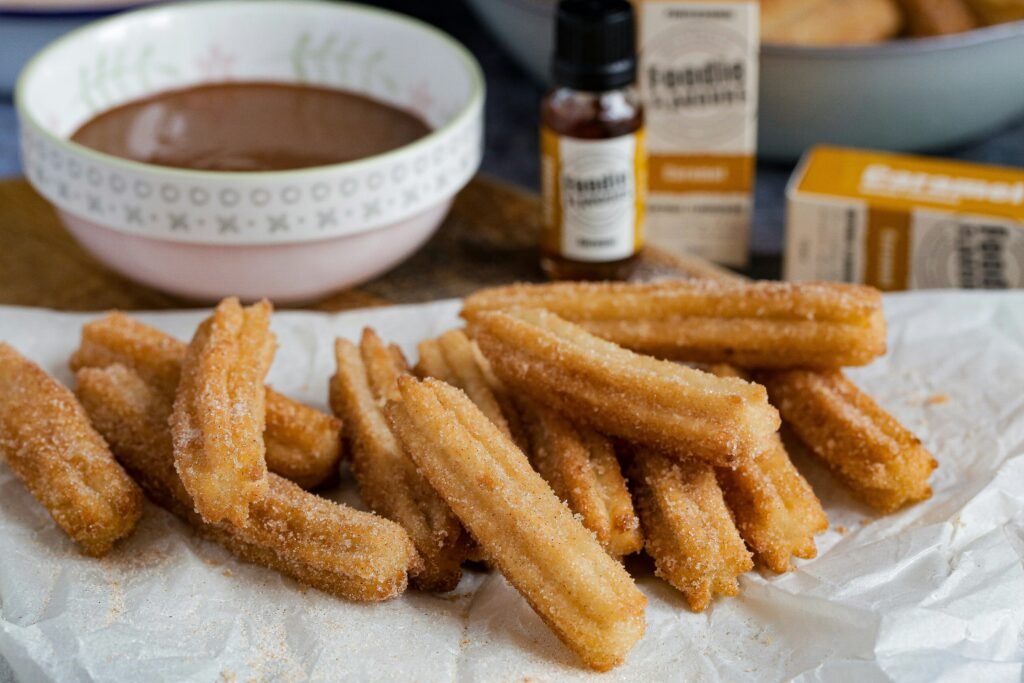
The churro’s appeal extends beyond its taste; it embodies a cultural significance that celebrates community and tradition. Street vendors selling fresh churros can be found in bustling marketplaces, fostering a sense of togetherness as people gather to enjoy this beloved snack. Its versatility and adaptability have secured churros a permanent place in diverse culinary landscapes, making them a favorite for both casual snacking and elaborate culinary presentations.
Understanding Churro Dough
The art of making churro dough lies in the precise combination of key ingredients. The foundational elements of churro dough are flour, water, sugar, and butter. Together, these ingredients contribute to the snack’s distinctive texture and flavor, transforming into the delicious treat we all know and love.
Flour is the primary ingredient in churro dough, and the type of flour used can significantly affect the final outcome. Most traditional recipes recommend using all-purpose flour due to its balanced protein content, which provides the necessary structure to the dough. However, some variations use cake flour for a softer texture or a blend of different flours to achieve specific flavor profiles. Understanding the characteristics of each type of flour is crucial for achieving the desired consistency of the churros.
Water plays an equally important role, as it activates the proteins in the flour and helps create a cohesive dough. The ratio of water to flour must be carefully balanced; too much water can result in a slack dough that will not hold its shape during frying, while too little water may yield a dry and crumbly dough. The sugar included in the dough is not merely for sweetness; it aids in browning the churros, giving them that characteristic golden hue and crisp exterior.
Butter enhances the flavor of the churros while also contributing to a rich, tender texture. When melted and mixed into the dough, it serves to enrich the overall taste profile. Additionally, the proportion of butter can influence the final result, as a higher fat content often leads to a richer mouthfeel. Through careful consideration of these components and their ratios, one can craft churro dough that is both flavorful and perfectly textured, setting the stage for a delectable treat.
Mixing and Preparing the Dough
Creating the perfect churro begins with properly mixing and preparing the dough. Start by gathering the essential ingredients: all-purpose flour, water, sugar, and salt, along with your choice of butter or oil. This mixture will form the basis of your churro dough.
Begin by bringing water, butter (or oil), sugar, and salt to a boil in a medium-sized saucepan. Once it reaches a rolling boil, remove it from the heat and promptly stir in the flour. Mix the combination vigorously using a wooden spoon until the dough pulls away from the sides of the pan and forms a cohesive ball. This step is crucial as it hydrates the flour, ensuring the right dough consistency.
Next, transfer the dough to a mixing bowl and allow it to cool slightly. Once it is warm but not hot, beat in eggs, one at a time. It’s important to fully incorporate each egg before adding the next to achieve the ideal smooth texture. The resultant dough should be thick but pliable—similar to a pasty consistency.
After the eggs are mixed in, knead the dough briefly on a lightly floured surface. This step helps develop gluten, which contributes to the chewy texture of the churros. However, avoid over-kneading, as this can lead to dense churros. Resting the dough for about 30 minutes is also advisable; this allows the gluten to relax, further enhancing the texture. Cover the dough with a damp cloth to prevent it from drying out.
Common mistakes to avoid include adding too much flour or not mixing thoroughly, both of which can compromise the desired consistency. Additionally, ensure the dough is neither too wet nor too dry, as this will affect frying quality. By following these steps and tips, you can create churro dough that will yield delicious, crispy treats when deep-fried.
Shaping Your Churros
Shaping churros is a crucial step in preparing this beloved treat, as it influences both cooking time and presentation. Traditional churros are often created using a pastry bag equipped with various nozzle tips, allowing cooks to experiment with different shapes and sizes. The classic straight churros provide a uniform appearance that is appealing, while spiral-shaped churros add a creative twist and can enhance the visual presentation.
The choice of nozzle plays a significant role in defining the texture and shape of the churro. For example, a star-shaped nozzle produces churros with ridges that hold the cinnamon-sugar coating well, resulting in a delicious crunch. Conversely, using a plain round nozzle leads to a smoother churro with a more delicate texture. Bakers often opt to use nozzles of varying sizes, providing the flexibility to create thin or thick churros, each requiring different cooking times and resulting in distinct flavors.
Uniformity in size is essential for consistent cooking results; uneven churros may lead to some being overcooked while others remain undercooked. To achieve this, it is advisable to practice with piping techniques, measuring the dough lengths before shaping. For example, marking the pastry parchment with measurement lines can guide the baker to maintain consistent sizes. Additionally, employing a ruler can assist in ensuring that churros maintain a similar length and diameter.
Moreover, controlling the pressure applied on the pastry bag is key. A steady, even pressure helps produce uniform churros that will fry evenly. By taking the time to master the shaping process, you can create beautifully shaped churros that are as pleasing to the palate as they are to the eye, elevating the overall churro experience.
Frying to Perfection: Temperature and Techniques
Achieving the ideal fry is crucial for making the perfect churro. One of the most important factors to consider is the oil temperature, which should be maintained between 350°F to 375°F (about 175°C to 190°C). Too low a temperature can result in soggy churros, while excessively high temperatures may lead to burnt exteriors with raw interiors.
The type of oil used also plays a significant role in the frying process. A neutral oil with a high smoke point, such as canola or peanut oil, is recommended for frying churros. These oils not only tolerate high heat but also do not impart any unwanted flavors to the churros. Additionally, ensure that your frying vessel is deep enough to prevent the churros from touching the bottom, which can cause uneven cooking.
To test if the oil is at the right temperature, drop a small piece of the churro dough into the oil; it should sizzle and rise to the surface immediately. A reliable cooking thermometer can also assist in monitoring the temperature accurately. During frying, avoid overcrowding the pan, as this can lower the oil’s temperature and result in poorly cooked churros.
Knowing when churros are done is key to getting them just right. A good indicator is a golden-brown color, which usually takes 2 to 3 minutes per side. To enhance their texture and flavor, churros should be coated in a mixture of sugar and cinnamon shortly after frying. This not only adds sweetness but also helps create a slight crunch.
Safety precautions are essential when frying. Always use a deep-frying thermometer, keep a safe distance from hot oil, and use long tongs to handle the churros. In case of any frying issues, such as soggy churros, consider adjusting the oil temperature or drying them on paper towels immediately after frying to remove any excess oil.
Coating Churros: Sugars and Spices
Coating churros is a crucial step that not only enhances their flavor but also significantly improves their visual appeal. The traditional coating for churros is a blend of sugar and ground cinnamon, creating a sweet and aromatic covering that perfectly complements the warm, crisp texture of the fried pastry. This classic combination has delighted taste buds for generations and remains a favorite among churro enthusiasts.
In addition to the beloved cinnamon sugar, there are numerous alternative coatings that add unique flavor profiles to churros. For example, dipping churros in melted chocolate creates an indulgent treat that is hard to resist. Dark, milk, or white chocolate can be used, and when paired with toppings like crushed nuts or sprinkles, it offers a delightful crunch that contrasts with the softness of the buttered churro interior. Another creative option is to roll churros in powdered sugar, which lends an elegant touch and sweetness without overwhelming the original flavor.
Spices can also be incorporated into churro coatings for an unexpected twist. For instance, mixing cocoa powder with sugar can result in a chocolatey delight while a blend of cardamom and sugar provides an aromatic and exotic flavor experience. Additionally, savory options such as a dusting of parmesan or a spiced salt can turn churros into a unique appetizer or snack.
Here are a couple of simple recipes for coating churros:
- Cinnamon Sugar: Combine 1 cup sugar with 2 tablespoons ground cinnamon. Roll your freshly fried churros in this mixture while they are still warm.
- Chocolate Coating: Melt 1 cup of chocolate chips, dip the churros halfway, and sprinkle with your favorite toppings like crushed nuts, coconut shavings, or colored sprinkles.
By experimenting with various coatings, you can elevate the churro experience, making it delightful not only to the palate but also pleasing to the eyes.
Serving Suggestions and Pairings
Churros are an immensely versatile treat that can be enjoyed in various settings, making them the perfect choice for any occasion. Whether served at parties, as a delightful snack, or as a dessert at the end of a meal, churros can easily elevate the dining experience. When thinking about how to serve churros, it is essential to consider complementary dips that enhance their flavor.
Chocolate sauce is a classic dipping option that pairs beautifully with churros, offering a rich, sweet contrast to the crispy exterior and soft interior. Additionally, caramel sauce and dulce de leche provide a luxurious, indulgent touch that can take your churro experience to the next level. For a twist on traditional flavors, consider serving churros with a spiced chocolate dip, combining the warmth of cinnamon and nutmeg for a unique flavor profile. These dips not only add variety but also allow guests to customize their experience based on personal preferences.
In terms of beverages, churros can be savored alongside a variety of drinks. Hot chocolate, especially when prepared with a rich, creamy consistency, serves as a delightful accompaniment, creating a comforting and satisfying pairing. Alternatively, coffee, whether served iced or hot, complements churros beautifully, balancing the sweetness with a deeper flavor profile. For a more refreshing option, churros also pair well with milkshakes or cold brew coffee, providing a delightful contrast to the warm treat.
Overall, serving churros with thoughtful pairings and dips can enhance their appeal and ensure an enjoyable experience for all. From casual gatherings to festive celebrations, churros can be adapted to fit into any menu, providing a charming and delicious treat that never fails to please.
Creative Twists on Traditional Churros
While traditional churros are beloved for their crispy golden exterior and sweet flavor, modern culinary experimentation has given rise to an array of innovative variations that cater to diverse tastes and dietary needs. One notable twist is the filled churro, which elevates the classic treat by stuffing it with a variety of delicious fillings. Options such as rich chocolate, velvety dulce de leche, or even fruity options like strawberry or raspberry jam provide an exciting flavor combination particularly appealing to those with a sweet tooth.
Another area of exploration is the adaptation of churros for those following gluten-free diets. Many recipes substitute conventional wheat flour with alternatives such as almond flour or rice flour. These adjustments not only ensure that gluten-sensitive individuals can indulge but may also impart a unique texture and flavor, making gluten-free churros a delightful option for everyone.
Moreover, adventurous bakers may choose to infuse their churros with distinct flavors. Ingredients such as matcha powder, which provides an earthy green tea essence, or seasonal spices like pumpkin spice, can transform churros into extraordinary desserts that reflect contemporary culinary trends. Such flavor adaptations can encourage individuals to tailor their churro experience based on personal cravings or seasonal inspirations.
Ultimately, the beauty of churros lies in their versatility. By inviting creativity into the churro-making process, bakers can personalize their creations and discover new favorites along the way. Whether it’s through unique fillings, gluten-free adaptations, or innovative flavor infusions, there are endless possibilities to explore. Therefore, experimenting with traditional churros may yield unexpected delights that cater to varied tastes, making each churro experience exciting and unique.
Conclusion and Encouragement to Make Churros
As we wrap up this comprehensive guide to making and serving churros, we invite you to embrace the joy of crafting this delightful treat in your own kitchen. The process of creating churros from scratch is not just about the delicious end product, but also about the experience itself. Each step, from mixing the dough to the satisfying act of frying, is an opportunity to connect with food and celebrate the art of cooking.
Remember, making churros can be a fun activity for the entire family or a rewarding solo endeavor. The aroma that fills your kitchen as they fry, and the anticipation of enjoying them while they are warm, creates a unique experience that is hard to replicate. When you finally sprinkle them with sugar and serve them alongside a rich chocolate dipping sauce, you will understand why churros have captivated taste buds around the world.
We encourage you to share your churro-making experiences—whether it be triumphs or challenges—so others can learn and gain inspiration from your journey. The beauty of crafting food is that it unites us, and sharing your results can motivate others to step into the kitchen and try making churros themselves. So, gather your ingredients, heat your oil, and let the joyful experience of churro-making begin. Happy frying!