
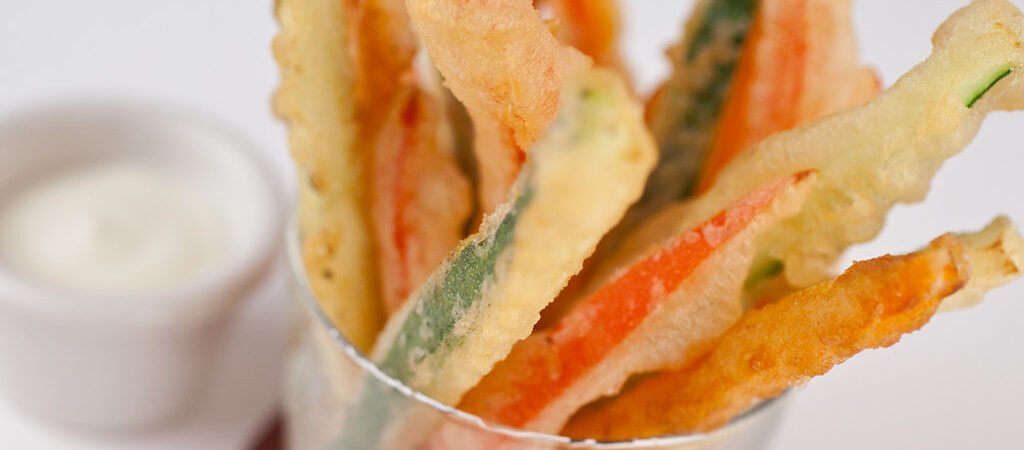
Introduction to Tempura: History and Tradition
Tempura is a revered culinary art form that can be traced back to 16th century Japan, though its origins lie in Portuguese cuisine. The introduction of deep-frying techniques by Portuguese missionaries and traders led to the creation of tempura as we know it today. Initially regarded as a seasonal dish, tempura was prepared to showcase the freshest ingredients available, highlighting its roots in regional agricultural practices.
Traditionally, tempura consists of a variety of ingredients, including vegetables and seafood, coated in a light batter and deep-fried to achieve an exquisitely golden and crispy exterior. This balance between ingredient quality and precise cooking techniques is what sets tempura apart in the realm of Japanese cuisine. The batter itself, typically made from ice-cold water and flour, is mixed in a way to keep it light, allowing for the natural flavors of the food to shine through.
As tempura evolved over the centuries, it transitioned from being a street food item to a staple in high-end Japanese restaurants, reflecting its cultural significance and versatility. The presentation of tempura dishes has also been refined, typically served with a dipping sauce made from soy sauce, mirin, and daikon radish, focusing on both aesthetic appeal and taste. These elements come together to create a well-balanced dish that respects the natural taste of its ingredients.
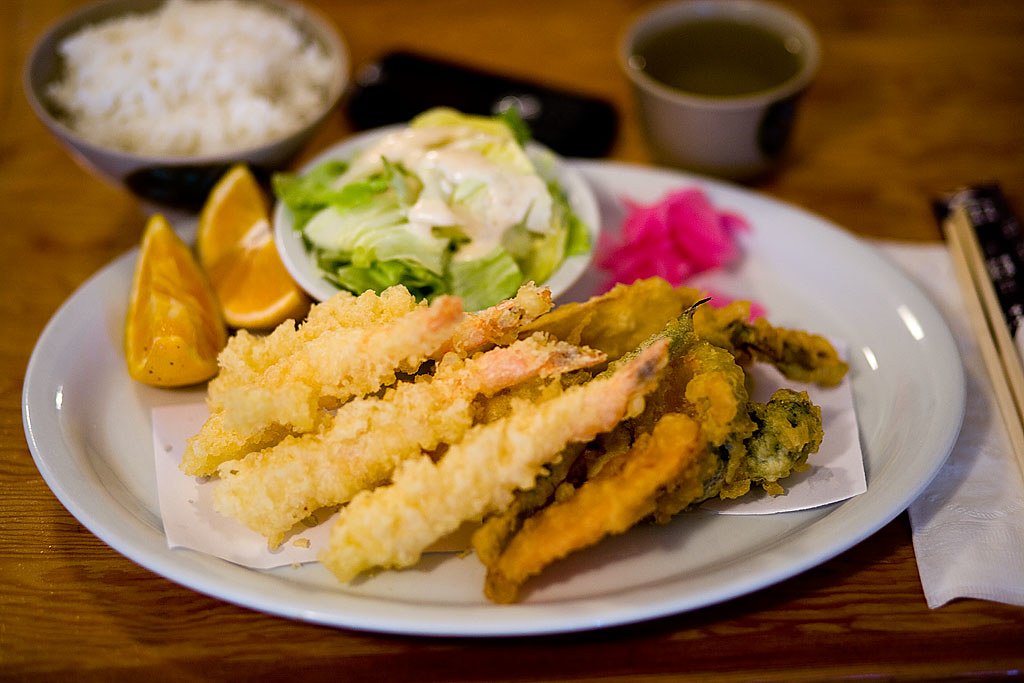
Moreover, different regions in Japan boast their own variations of tempura, reflecting local preferences and seasonal availability, such as the use of sweet potatoes in autumn or the tender greens of spring. This rich history and continuous evolution of tempura signify not just a method of cooking, but a tradition that celebrates harmony, freshness, and culinary artistry within Japanese culture.
Essential Ingredients for Perfect Tempura
Tempura, a popular Japanese dish, is known for its light and crispy coating that enhances the natural flavors of the ingredients. The foundation of perfect tempura lies in the selection of essential ingredients, primarily focusing on the batter, the temperature of the water, and the type of vegetables and seafood used.
The batter for tempura is typically made with a combination of all-purpose flour and corn starch. All-purpose flour provides the necessary structure, while corn starch contributes to the desired crispness. It is crucial to maintain a light touch when mixing the flour with ice-cold water. This incorporation of ice-cold water is a critical factor in achieving the perfect texture. The cold temperature helps create a batter that is not only light but also puffs up beautifully during frying.
When it comes to selecting fresh ingredients for tempura, options abound. Common choices include seasonal vegetables such as sweet potato, zucchini, and bell peppers, and seafood like shrimp, squid, or white fish. These ingredients should be fresh, as their quality significantly influences the final outcome of the dish. Slicing vegetables into uniform pieces ensures even cooking, which is essential for achieving a consistent crunch.
For those mindful of dietary restrictions, there are alternatives available. Gluten-free tempura can be made using rice flour or a gluten-free flour blend. Additionally, for a vegan option, one can rely on vegetables or even fruits like banana, dipping them in a similar batter to create a delightful treat. By carefully selecting and preparing these essential ingredients, one can master the art of making authentic tempura at home.
Step-by-Step Guide to Cooking Tempura
To prepare perfect tempura at home, begin by selecting fresh ingredients, ideally seasonal vegetables and seafood. Common choices include sweet potatoes, zucchini, green beans, shrimp, and squid. Wash and cut the vegetables into uniform pieces to ensure even cooking. If using seafood, clean and devein shrimp or slice fish into manageable portions. This initial step sets the foundation for a successful tempura.
Next, prepare the batter. A classic tempura batter requires just three ingredients: cold water, flour, and egg. In a mixing bowl, combine the egg with cold water and lightly whisk to incorporate air, then add the sifted flour. The secret to a light and crispy tempura lies in not overmixing. The batter should remain slightly lumpy, allowing for a delicate texture when fried. Chilling the batter before use can further enhance crispiness.
Oil temperature is crucial in achieving that sought-after crispy texture. Use a deep-frying thermometer to monitor the oil temperature, which should be between 340°F to 360°F. Maintaining this temperature prevents the tempura from absorbing excess oil, which could lead to greasiness. A good practice is to test the oil with a small drop of batter: it should sizzle and rise to the surface.
Once the oil is ready, dip the prepared vegetables and seafood into the batter, allowing excess to drip off before gently placing them into the hot oil. Fry in small batches, avoiding overcrowding to maintain oil temperature. Cook until the tempura is golden brown, usually taking only a few minutes. After frying, transfer the pieces to a wire rack or paper towel to drain excess oil, ensuring the final result remains crispy.
With these steps, making tempura at home becomes a manageable and rewarding culinary endeavor. Careful attention to each phase—from ingredient prep to frying and draining—will yield deliciously crispy tempura that rivals any restaurant version.
Serving and Pairing Techniques: Elevating Your Tempura Experience
When it comes to enhancing the experience of enjoying tempura, presentation and pairing can significantly elevate this beloved Japanese dish. Serving tempura beautifully can transform it from a simple meal to an enticing culinary experience. Arrange the tempura in a single layer on a serving platter, allowing each piece to be visible and appreciated. Incorporating fresh garnishes, such as shiso leaves or slices of lemon, not only adds color but also introduces refreshing notes that complement the fried delicacies.
One of the quintessential elements of serving tempura is the incorporation of the traditional dipping sauce known as tentsuyu. This delightful sauce, which is made from dashi stock, soy sauce, and mirin, is ideal for enhancing the flavor of the tempura. Serving tentsuyu in small bowls, alongside a sprinkle of grated daikon radish and finely chopped green onions, provides guests with an interactive dining experience. As guests dip their crispy tempura pieces into the sauce, they are invited to explore the harmonious balance of flavors.
In addition to tentsuyu, selecting suitable side dishes can create a well-rounded meal. Traditional accompaniments include rice or soba noodles, which serve as a neutral base that complements the tempura while absorbing any excess sauce. A simple salad made of fresh vegetables, dressed lightly with a citrus vinaigrette, can introduce a crisp contrast to the rich texture of the fried seafood or vegetables.
Etiquette also plays an important role when enjoying tempura. It is customary to use chopsticks to dip the tempura into the sauce, preserving its integrity and ensuring a clean dining experience. By paying attention to these details in presentation and pairings, one can truly appreciate the art of tempura and enhance their culinary skills.