

Introduction to French Onion Soup
French onion soup, a culinary gem originating from France, is renowned for its unique and rich flavors. The history of this comforting soup traces back to ancient Roman times, although it became widely popular in France during the 18th century. The essence of French onion soup lies in its simple yet intriguing ingredients: primarily caramelized onions, beef stock, and toasted bread, typically topped with melted cheese. Each component contributes to a layered depth of flavor, satisfying the palate while evoking a sense of warmth and nostalgia.
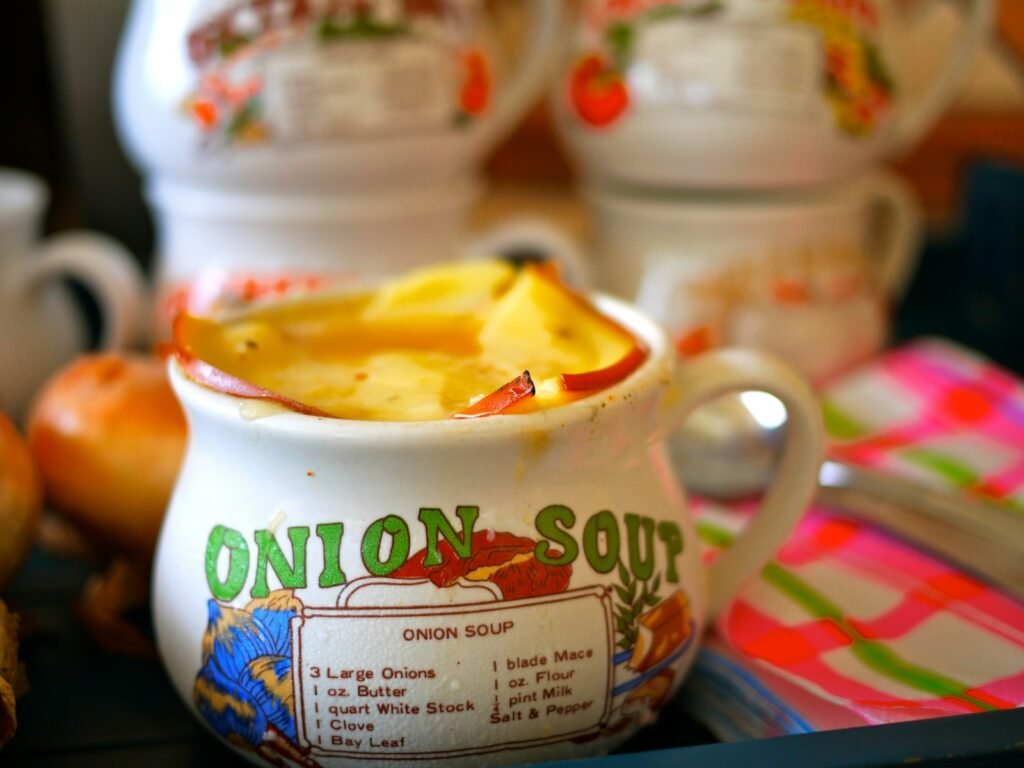
What makes French onion soup especially beloved is its versatility and homely quality. The sweet, caramelized onions serve as the star ingredient, providing a subtle sweetness that balances perfectly with the savory broth. Traditionally, this dish has held a significant place in French cuisine, often served in bistros and cafes across the country. Its popularity has transcended borders, becoming a staple in many international kitchens and celebrated by food lovers around the globe.
Culturally, French onion soup embodies comfort and conviviality, often associated with gatherings and shared meals among family and friends. This dish not only nourishes the body but also invokes a sense of togetherness and shared experiences. However, as culinary trends evolve and palates diversify, there is a growing interest in reinventing classic recipes, including French onion soup.
The purpose behind modern adaptations is to maintain the soul of the original dish while infusing it with contemporary flavors and techniques. Such reinventions can breathe new life into this time-honored soup, allowing it to remain relevant and exciting for new generations of food enthusiasts. With its rich history and universal appeal, French onion soup invites creativity and exploration in the realm of gastronomy.
Creative Twists on the Classic Recipe
While the traditional French onion soup is beloved for its rich flavors and comforting warmth, there are numerous creative twists that can elevate this classic dish. One of the simplest yet impactful alterations is the choice of cheese. While Gruyère is the conventional option, a combination of aged cheddar, blue cheese, or even a hint of goat cheese can deliver unexpected depth and complexity to the flavor profile. Each cheese brings its unique characteristics, creating a localization of taste that can please diverse palates.
Moreover, incorporating unique herbs can also redefine the essence of French onion soup. Fresh thyme and parsley are traditional, but adding a touch of rosemary or sage can create an aromatic experience that pairs beautifully with the sweetness of caramelized onions. Additionally, integrating a splash of sherry or vermouth can enhance the umami notes, turning the soup into a gourmet delight.
For those looking to experiment with different stock variations, consider using mushroom or vegetable broth to offer a distinct twist. This is especially effective for those adhering to vegan diets; using high-quality vegetable stock can complement the savory, sweet onion notes without sacrificing flavor. To make the dish gluten-free, chefs can substitute regular bread for gluten-free alternatives, ensuring that no one misses out on the classic cheesy topping.
These variations can not only modernize the traditional French onion soup but also cater to various dietary preferences. By exploring different ingredients and cooking methods, the reinvented recipe retains the core essence of comfort while embracing innovation.
Step-by-Step Guide to Making Reinvented French Onion Soup
To embark on your culinary journey of crafting reinvented French onion soup, ensure you have the following ingredients on hand: 4 large yellow onions, 4 tablespoons of unsalted butter, 1 tablespoon of olive oil, 1 tablespoon of sugar, 6 cups of beef or vegetable broth, 1 cup of dry white wine, and a selection of herbs including thyme and bay leaves. You will also need salt, pepper, and cheese (such as Gruyère or a blend) for garnishing.
Begin by peeling and thinly slicing the onions. This will be the foundation for your soup, as the caramelization process is crucial for depth of flavor. In a large pot, melt the butter and olive oil over medium heat. Add the onions and a pinch of salt, stirring them gently to coat evenly. Cook the onions for approximately 30 to 40 minutes, stirring frequently, until they turn a rich golden-brown color. If they begin to brown too quickly, lower the heat. For added sweetness, sprinkle the tablespoon of sugar halfway through cooking, which enhances the caramelization.
Next, deglaze the pot by adding the white wine, scraping any caramelized bits from the bottom. Allow the wine to simmer until it reduces slightly. Then, add the broth along with the thyme, bay leaves, and additional salt and pepper to taste. Bring the mixture to a boil, then reduce the heat and let it simmer for an additional 20-30 minutes. This step allows the flavors to meld beautifully.
Before serving, remove the thyme and bay leaves. To serve, ladle the soup into oven-safe bowls, top generously with cheese, and place them under the broiler until the cheese is bubbly and golden. This reinvented French onion soup offers a delightful balance of sweet and savory flavors, making it a comforting yet refined dish suitable for any occasion.
Serving Suggestions and Pairings
When it comes to enjoying a reinvented French onion soup, presentation and pairing can elevate the experience significantly. To begin with, consider garnishing the soup with finely chopped fresh herbs such as chives or parsley. This not only adds a pop of color but also enhances the flavor profile of the dish. A sprinkle of freshly cracked black pepper or a few drops of truffle oil can introduce a layer of sophistication that impresses your guests.
As for side dishes, a crispy baguette or artisanal bread is a classic companion to French onion soup. Toasting the bread lightly and adding a layer of cheese before broiling it briefly can create a delightful accompaniment. Alternatively, a side salad featuring bitter greens dressed in a simple vinaigrette can offer a refreshing contrast to the richness of the soup.
For wine pairings, a dry white wine such as Sauvignon Blanc or a light-bodied red wine like Pinot Noir can complement the savory nature of the soup beautifully. Both choices provide a balance that enhances the meal without overwhelming the flavors. If you prefer non-alcoholic options, a glass of sparkling water or a lightly flavored herbal tea can also be delightful.
When presenting your reinvented French onion soup, consider using individual ramekins or elegant soup bowls. Layering the cheese on top and broiling until golden brown creates a beautiful, bubbling crust that will entice your guests. Additionally, you can arrange the bowls on a wooden serving board, surrounded by complementary garnishes and sides, to create a visually appealing dining experience. These thoughtful touches not only showcase the beauty of the dish but also underscore the care and attention given to each component.