
Understanding Banh Mi: The Essentials
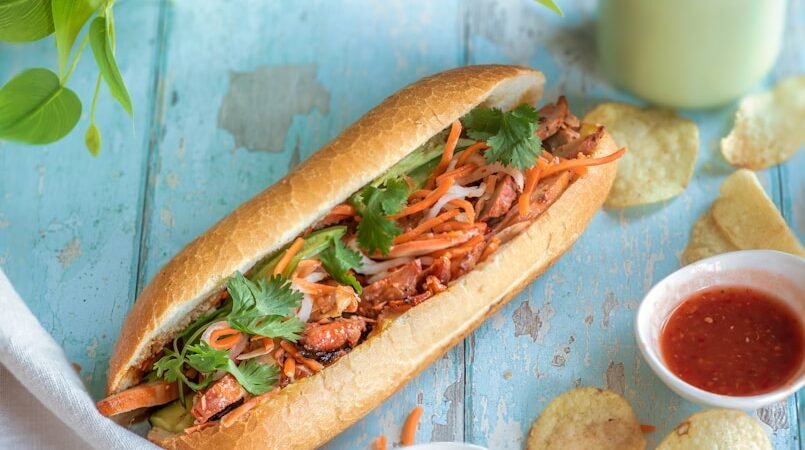
Banh Mi is a Vietnamese sandwich that represents a harmonious blend of cultures, originating from the French colonial period in Vietnam. This dish exemplifies the fusion of French culinary influences with traditional Vietnamese ingredients, highlighting the rich gastronomic heritage of the region. The name “Banh Mi” literally translates to “bread” in Vietnamese, but it encompasses much more than just the bread itself. A quintessential Banh Mi features a baguette, which is distinctively light and airy, serving as the foundation for various fillings.
The essential components of a Banh Mi typically include a protein, a combination of fresh vegetables, and a range of condiments. The most common proteins used are seasoned pork, chicken, beef, or tofu, catering to diverse dietary preferences. Additionally, ingredients such as pickled carrots, daikon radish, and fresh cilantro elevate the sandwich’s flavor profile, offering a delightful crunch and a refreshing taste.
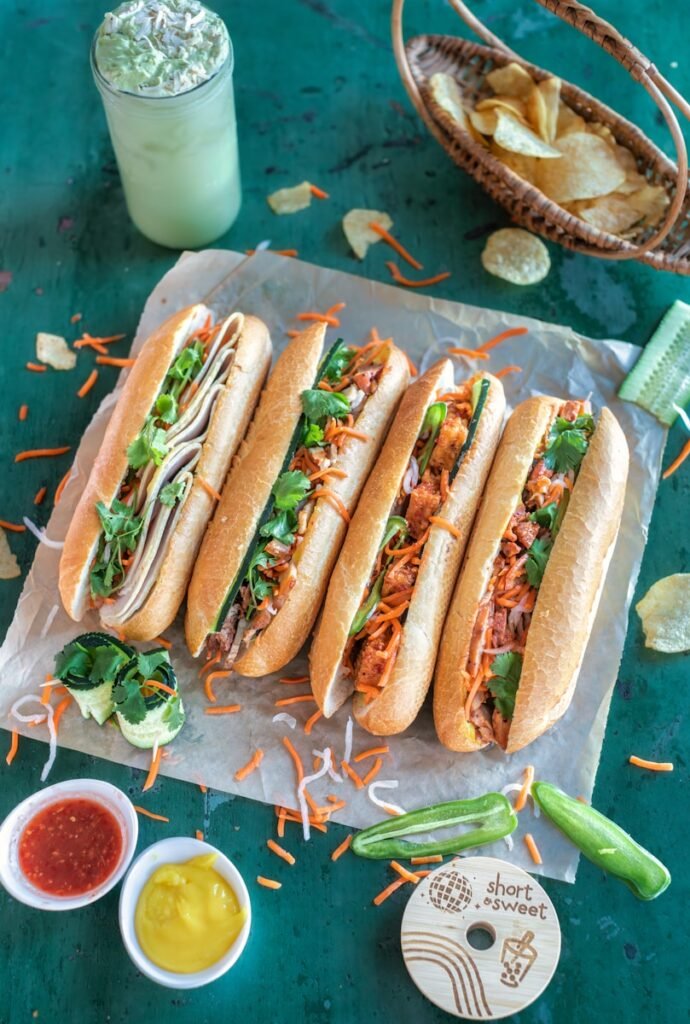
Moreover, the role of condiments cannot be underestimated. Distinctive sauces, such as mayonnaise and sriracha, provide creaminess and heat, further enhancing the overall experience of the Banh Mi. The blend of these elements contributes to the sandwich’s unique flavor hierarchy—a balance of savory, sweet, spicy, and tangy notes.
In summary, the characteristics of Banh Mi transcend mere food; they encapsulate a cultural narrative of Vietnam’s history and adaptability. The interplay of diverse ingredients aptly reflects the essence of Vietnamese cuisine, making Banh Mi a beloved dish both locally and across the globe. Understanding these essentials sets the foundation for mastering the art of creating the perfect Banh Mi at home.
Gathering Your Ingredients
To create the perfect banh mi, it is essential to gather a selection of quality ingredients that contribute to its distinct flavors and textures. The first key component is the bread. Traditional banh mi calls for a light and crusty baguette, typically Vietnamese or French-style. It should have a thin crust and a soft, airy interior, allowing it to hold the fillings without becoming soggy.
The next step involves choosing your preferred protein. Popular options include grilled pork, which is often marinated and adds a savory aspect, or chicken, which provides a lighter alternative. For a vegetarian or vegan approach, tofu is an excellent choice; when properly marinated and grilled, it delivers flavor and texture that wonderfully complement the other ingredients.
In addition to the protein, pickled vegetables are a critical element of the banh mi. Commonly used pickles include daikon radish and carrots, which should be thinly sliced and soaked in a mixture of vinegar, sugar, and salt to achieve that characteristic tangy crunch. This combination balances the richness of the meat and enhances the overall profile of the sandwich.
Herbs such as cilantro and mint add freshness and depth to your banh mi. Fresh herbs are crucial, as they provide aromatic flavors that elevate the dish. A touch of sliced jalapeño may also be added for those who enjoy a bit of heat.
Lastly, sauces play a pivotal role in unifying the flavors. Commonly used sauces include mayonnaise and soy sauce. Authentic Vietnamese mayonnaise is lighter and creamier than regular, which enhances the sandwich’s indulgent texture.
When sourcing ingredients, look for authentic Vietnamese markets or grocery stores that specialize in Asian cuisine. However, if those options are unavailable, many components can be substituted with widely available alternatives, allowing you to recreate the banh mi experience in your kitchen.
Step-by-Step Preparation Techniques
Preparing the perfect banh mi requires attention to detail and a well-organized approach. Start by selecting your choice of protein, which could be marinated pork, chicken, beef, or even tofu for a vegetarian option. Begin by creating the marinade. A traditional marinade often includes fish sauce, sugar, garlic, and black pepper. Combine these ingredients in a bowl and add your protein. Let it marinate for at least 30 minutes, or preferably overnight in the refrigerator to maximize flavor absorption.
While the meat is marinating, you can prepare the pickled vegetables, which are essential for adding that characteristic crunch and tang to the banh mi. Take carrots and daikon radish and slice them into thin strips. In a bowl, prepare a pickling solution with equal parts of water, vinegar (white or rice vinegar works well), and sugar. Once the sugar is dissolved, submerge the cut vegetables in the solution and let them pickle for at least 30 minutes.
Next, cook your marinated meat. If you’re grilling, preheat your grill or stovetop grill pan. Grill the meat for about 4-6 minutes on each side for pork or chicken, ensuring it reaches an internal temperature of 165°F. If you opt for beef, adjust the cooking time according to your preferred doneness. Once cooked, allow the meat to rest for a few minutes before slicing it to maintain its juices.
For assembling the banh mi, choose a fresh baguette that is crispy on the outside and soft inside. Slice it open without cutting all the way through. Start by adding a generous portion of your sliced meat, followed by a handful of the pickled vegetables. Add fresh cilantro leaves, slices of jalapeño for an added kick, and a handful of cucumber slices to complete the sandwich. Optionally, spread a layer of mayonnaise or a chili sauce for an extra burst of flavor. With the right preparation techniques, your banh mi sandwich will embody an ideal balance of textures and flavors.
Serving Suggestions and Variations
Banh Mi is a versatile and customizable sandwich that lends itself well to a variety of flavors and dietary preferences. While the classic version features a delicious combination of marinated meats, pickled vegetables, and fresh herbs, there are many creative variations to explore. For those seeking vegetarian or vegan options, consider substituting traditional meats with grilled tofu, tempeh, or even roasted mushrooms tossed in a flavorful marinade. A spread of avocado or hummus can also provide that creamy texture typically associated with banh mi.
When it comes to serving suggestions, think about complementary side dishes that can enhance the overall meal. Traditional Vietnamese sides like spring rolls or a light, refreshing salad of mixed greens with a tangy dressing pair well with banh mi. For a heartier meal, a bowl of pho or a flavorful broth can round out the dining experience. Additionally, if you are looking for beverage pairings, consider serving the sandwich with a refreshing Vietnamese iced coffee or a light herbal tea to balance the rich flavors.
Presentation plays a crucial role in elevating the banh mi experience. Serve the sandwich in a way that showcases its vibrant colors, and consider garnishing with extra cilantro or chili slices to add visual appeal. If you have leftovers, it’s essential to store them properly to maintain freshness. Wrap the banh mi tightly in parchment paper or aluminum foil and place it in an airtight container in the refrigerator. This will help preserve the crusty exterior of the bread while keeping the fillings flavorful. Reheat any leftovers in an oven to restore the crispness of the baguette before serving. These considerations will not only enhance your enjoyment of the banh mi but also delight your guests during any meal occasion.