
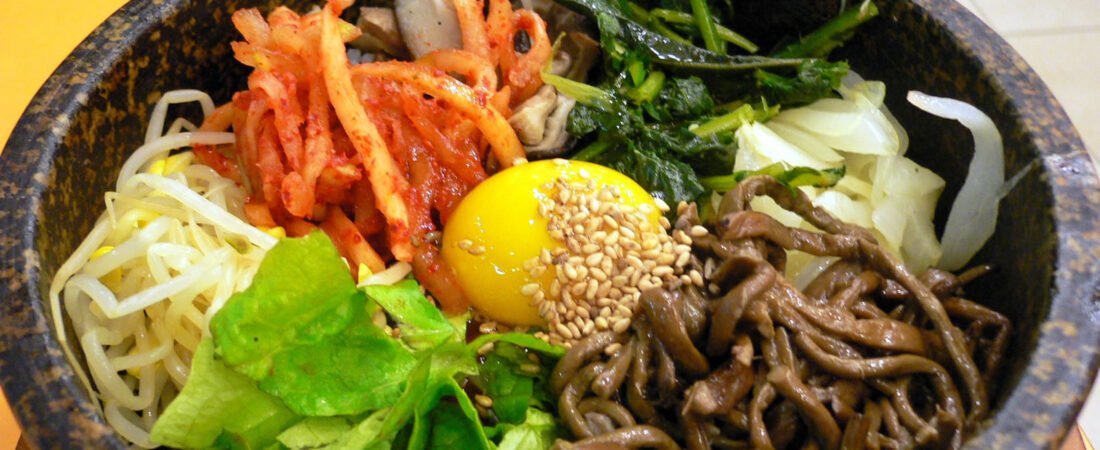
Introduction to Bibimbap: What Makes It Special?
Bibimbap, a colorful and nutrient-rich Korean dish, holds a special place in the heart of Korea’s culinary heritage. Its name directly translates to “mixed rice,” which aptly describes the dish that combines a variety of ingredients meant to be mixed together. Historically, the dish has its roots in the ancient Korean practice of using leftover ingredients. The current form of bibimbap was popularized during the 20th century and has since become emblematic of Korean cuisine.
The cultural significance of bibimbap extends beyond mere nourishment; it embodies the philosophy of balance and harmony, which is central to Korean culinary practices. Each ingredient contributes its color, flavor, and nutritional value, making bibimbap not only a feast for the eyes but also a balanced meal in terms of health. This dish symbolizes unity in diversity—a fusion of flavors from a variety of vegetables, proteins, and sauces that come together to create a singular, delightful experience.
Essential components of bibimbap include steamed or cooked rice as the base, accompanied by an assortment of sautéed vegetables such as spinach, carrots, and mushrooms, topped with a protein such as beef, chicken, or tofu. One of the defining aspects of this dish is the gochujang sauce, a fermented chili paste that adds a distinct spiciness and depth of flavor. Such attention to freshness and quality ensures that each bowl of bibimbap is not only vibrant but a representation of local agricultural produce.
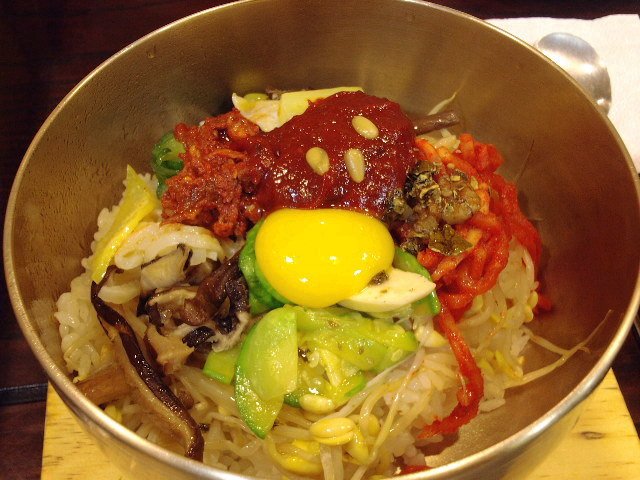
Due to its flexibility, bibimbap has garnered international admiration. It can be modified to suit various dietary preferences, making it an adaptable choice for people around the world. Whether served in a traditional stone bowl or as a gourmet creation in contemporary restaurants, bibimbap remains a beloved dish that showcases the essence of Korean cuisine.
Gathering the Ingredients: What You Need for Authentic Bibimbap
To create an authentic bibimbap, it is essential to gather a variety of fresh ingredients that reflect the traditional flavors of this beloved Korean dish. At its core, bibimbap consists of a base of cooked rice topped with an assortment of sautéed and seasoned vegetables, a protein source, and a flavorful sauce.
Start by preparing the essential vegetables. Common choices include spinach, bean sprouts, carrots, zucchini, and mushrooms. These vegetables can be blanched or lightly stir-fried with sesame oil and garlic for added flavor. For more authentic bibimbap, consider using gochugaru (Korean red pepper flakes) for a spicy kick when seasoning.
When it comes to protein, bibimbap is versatile, allowing you to incorporate either marinated beef (typically bulgogi) or tofu for a vegetarian option. If you are opting for beef, make sure it is thinly sliced and marinated in a mixture of soy sauce, garlic, sesame oil, and sugar to enhance its richness. On the other hand, tofu should be pressed to remove excess moisture, then cubed and either pan-fried or baked until golden.
A key component of bibimbap is the sauce, usually a spicy gochujang (Korean chili paste), which can be mixed with sesame oil and vinegar for added depth. Don’t forget to top your bowl with a fried egg, as it provides a rich, creamy texture that complements the other ingredients.
For those seeking authentic ingredients, visiting a local Korean grocery store is the best option, as they typically offer a wide selection of fresh produce, sauces, and other essentials. Alternatively, many ingredients can be found online, making it easier to source what you need. In cases of dietary restrictions, creative substitutions can also be made; for example, you can use quinoa instead of rice or choose tempeh in place of beef to meet vegetarian or vegan needs.
Step-by-Step Recipe: How to Assemble Your Bibimbap
Creating the perfect bowl of bibimbap involves several steps, each focused on building flavors and textures. Begin with the rice, as it serves as the foundation of your dish. Use short-grain white rice for its sticky consistency, which will help hold the ingredients together. Rinse the rice under cold water until the water runs clear, then cook it in a rice cooker or on the stovetop according to package instructions. Once cooked, keep the rice warm while you prepare the other components.
Next, select your vegetables. Traditional bibimbap includes spinach, carrots, zucchini, and bean sprouts. To prepare the spinach, blench it in boiling water for 30 seconds, then plunge it into an ice bath to preserve its color. Squeeze out excess water, and season it lightly with sesame oil and salt. For the carrots and zucchini, julienne them into thin strips and sauté them separately in a bit of oil until tender, adding salt for flavor.
Your protein choice can range from bulgogi beef, marinated tofu, or a fried egg, depending on your preference. If using beef, marinate in soy sauce, garlic, and sesame oil before stir-frying until fully cooked. If you prefer tofu, press it to remove moisture, cube it, and pan-fry until golden brown.
Now, it’s time to assemble your bibimbap. Place a generous serving of the warm rice in a large bowl and artistically arrange the prepared vegetables and protein on top. The visual appeal is paramount in bibimbap; aim for vibrant colors and varied textures. Finally, add a dollop of gochujang, or Korean red pepper paste, on top, which can be mixed in just before eating. Serve with sesame seeds and sliced green onions for finishing touches.
Following these steps will result in a beautifully presented and delectable bibimbap, perfect for any occasion. Enjoy the harmonious blend of flavors and textures as you savor your homemade rendition.
Serving and Enjoying: Tips to Elevate Your Bibimbap Experience
To serve bibimbap beautifully, attention to detail is crucial. Begin with a vibrant bowl, preferably a hot stone dolsot, which retains heat and enhances the overall experience. Layer the rice at the bottom, ensuring it is evenly distributed and fluffy. Next, artfully arrange each ingredient in distinct sections on top of the rice; this not only adds visual appeal but also allows for a combination of flavors in every bite.
Consider incorporating variations such as seafood bibimbap, which includes fresh fish or shrimp, or a meatless version that features an array of colorful vegetables like spinach, mushroom, and zucchini. Each variation lends its unique taste while retaining the essence of the classic bibimbap. In addition, side dishes such as kimchi or pickled vegetables make excellent accompaniments, providing a balance of flavors and textures that enhance the meal.
Drinks can complement bibimbap wonderfully. Traditional pairings include barley tea or a light Korean beer like Hite or Cass, which cleanse the palate and enrich the dining experience. For a soothing option, a warm cup of misuk or herbal tea can be soothing companions as well.
When it comes to enjoying bibimbap, the tradition of mixing the ingredients is vital. This step not only blends flavors but also signifies the harmony of various components coming together in one dish. Diners are encouraged to use chopsticks to create a medley of tastes and textures that can engage various senses. By embracing these serving tips and respecting traditional customs, the humble bibimbap transforms into an extraordinary gastronomic journey, bringing sheer delight with each mouthful.