

Understanding Clam Chowder: Ingredients and Varieties
Clam chowder is a revered dish originating from coastal areas, particularly associated with New England and the mid-Atlantic region of the United States. This delicious soup is primarily known for its comforting taste and creamy texture, but it exists in several variations that reflect regional preferences and culinary traditions. The two most recognized types are New England clam chowder and Manhattan clam chowder. New England clam chowder is characterized by its rich, creamy base, made with milk or heavy cream, while Manhattan clam chowder adopts a tomato-based broth, giving it a distinct red color and a slightly tangy flavor.
The basic ingredients required to prepare clam chowder include clams, which are the star element of the dish, potatoes that add heartiness, onions for flavor, and a broth that serves as the foundation of the soup. Fresh or canned clams can be used, with fresh clams usually providing a more robust flavor. Potatoes, typically diced, provide texture, and onions, often sautéed beforehand, contribute essential aromatics to the overall profile of the chowder.
In addition to these essential components, many chefs and home cooks incorporate optional ingredients to enhance the final dish. Celery, bacon, and various herbs such as thyme or parsley can offer distinct flavor enhancements, while the addition of corn or carrots can cater to personal preferences or regional traditions. Each variation can bring a new layer of authenticity to clam chowder, demonstrating the dish’s flexibility and the myriad possibilities that come with it. Understanding these ingredients and tasting their harmonious combination is crucial for anyone aspiring to master the art of making clam chowder.
Preparing the Ingredients: The Foundation of Flavor
Preparing the ingredients for clam chowder is a critical step that lays a solid foundation for the overall flavor of the dish. First and foremost, it is essential to use fresh, high-quality clams, as they serve as the main protein in the chowder. To begin, rinse the clams thoroughly under cold running water to remove any sand or debris. Once clean, the next step is to shuck the clams. This can be done using a clam knife; insert the knife into the hinge of the clam and twist to pry it open. Take care to save the clam juice, as it will be a flavorful addition to the broth.
Next, chop the vegetables that will enhance the chowder’s flavor profile. Start by finely dicing a medium onion, which will provide a sweet and aromatic base for the soup. Continuing with the vegetables, peel and dice potatoes into small cubes; this will promote even cooking and a pleasant texture in the finished dish. A common choice for clam chowder is Yukon Gold potatoes, known for their creamy consistency. Additionally, consider incorporating celery for added depth and a slight crunch.
Finally, measure out the necessary broth and seasonings. The choice of broth – whether clam juice, chicken stock, or vegetable broth – will significantly influence the final taste. Ensure that the broth is well-balanced and complements the clams without overpowering them. When it comes to seasonings, classic options include bay leaves, thyme, pepper, and salt, but experimenting with herbs can lead to unique flavors. Proper ingredient preparation not only maximizes flavor when making clam chowder but ensures a delicious outcome that showcases the ingredients’ freshness.
Cooking the Chowder: Step-by-Step Instructions
To create a delicious clam chowder, it is essential to follow a precise set of steps that not only ensure flavor but also texture. First, begin by gathering all necessary ingredients, which typically include fresh clams, potatoes, onions, celery, and cream. Making sure everything is ready before starting will enhance your cooking experience and maintain a smooth workflow.
Next, begin the process by cleaning the clams thoroughly under running water to remove any debris. In a heavy-bottom pot, melt two tablespoons of butter over medium heat. Once the butter has melted, add finely chopped onions and diced celery. Sauté these ingredients for approximately five to seven minutes, or until the vegetables have softened and the onions become translucent, releasing their aromatic essence.
Subsequently, you should add the diced potatoes to the pot and stir for a minute. This step is crucial as it allows the potatoes to absorb the flavors of the sautéed onions and celery. Once combined, pour in two cups of clam juice and bring the mixture to a gentle simmer. Using a heavy-bottom pot helps to distribute the heat evenly, minimizing the risk of burning and ensuring consistency.
After the mixture has reached a simmer, it is time to add the clams. Allow them to cook for about 10 to 15 minutes, or until all the clams have opened. Discard any unopened clams to ensure safety. Once the clams have cooked, you can add one cup of heavy cream, stirring gently to combine. Simmer the chowder for another five minutes to allow the flavors to meld together, taking care not to boil it vigorously, as this could curdle the cream.
It is important to season the chowder with salt and freshly ground black pepper to taste. Common mistakes to avoid include rushing the sautéing process or skimping on the cream, which are critical for achieving that rich and creamy texture characteristic of an excellent clam chowder. Taking your time ensures a flavorful outcome that is both satisfying and comforting.
Serving and Storing Clam Chowder: Tips for Enjoyment and Longevity
When serving clam chowder, the presentation plays a crucial role in elevating the dining experience. To enhance the visual appeal, consider garnishing the chowder with fresh chives or a sprinkle of parsley. Adding crispy bacon bits not only imparts a savory crunch but also complements the creamy texture, making each spoonful delightful. For an extra layer of flavor, a dash of hot sauce or a drizzle of olive oil can be added before serving, catering to individual tastes.
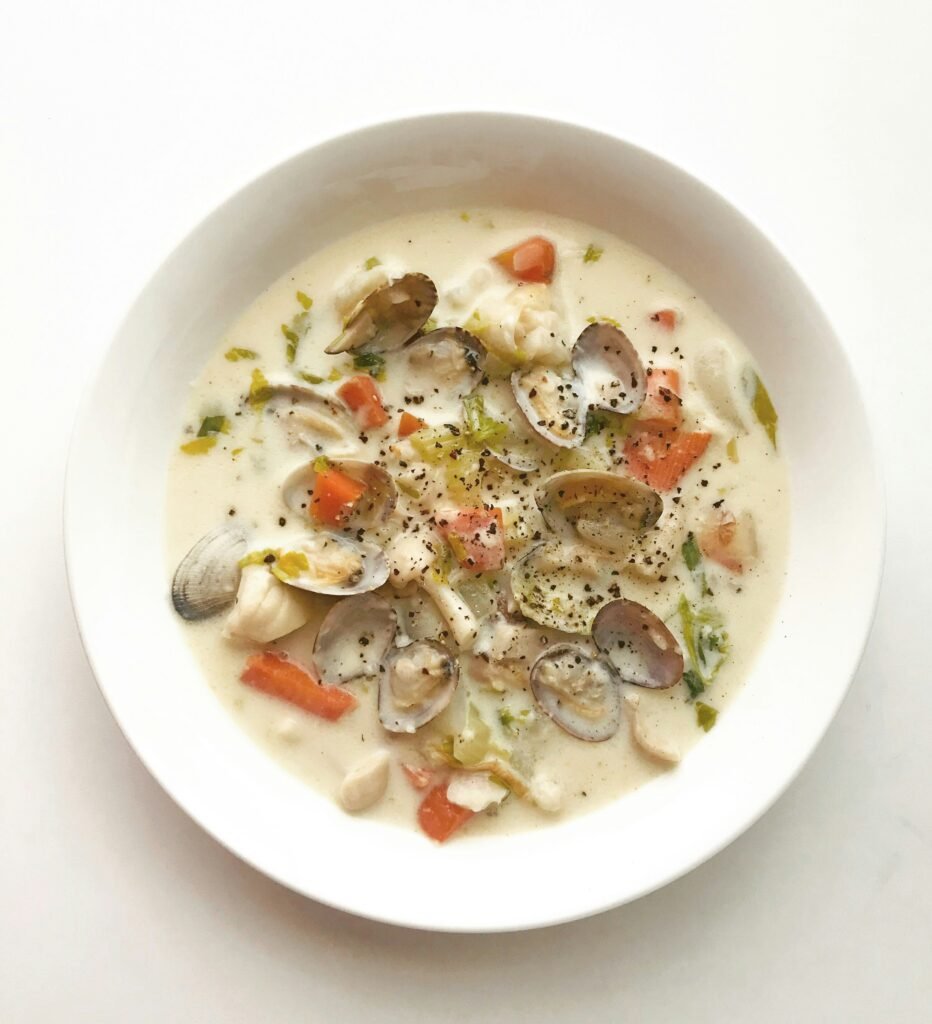
Accompanying your chowder with the right sides can further enhance its enjoyment. Crusty bread or oyster crackers are traditional pairings that can soak up the rich broth while providing a satisfying contrast to the chowder’s creaminess. Alternatively, a simple salad with a vinaigrette can offer a refreshing balance to the dish’s richness.
Proper storage is essential for maintaining the chowder’s flavor and creamy consistency. If you have leftovers, allow them to cool to room temperature before transferring them to an airtight container. It is advisable to store clam chowder in the refrigerator, where it can last for up to three days. For longer storage, consider freezing the chowder; however, keep in mind that freezing may alter the texture. To freeze, place the chowder in a freezer-safe container, leaving some space for expansion.
When reheating clam chowder, do so gently to prevent the cream from separating. The best method is to warm it on the stovetop over low heat, stirring frequently. If the chowder appears too thick after refrigeration, a splash of broth or cream can be added to restore its consistency. By following these serving and storage tips, you can ensure that your clam chowder remains both delicious and visually appealing, maximizing your enjoyment.