
What is Mukimo?
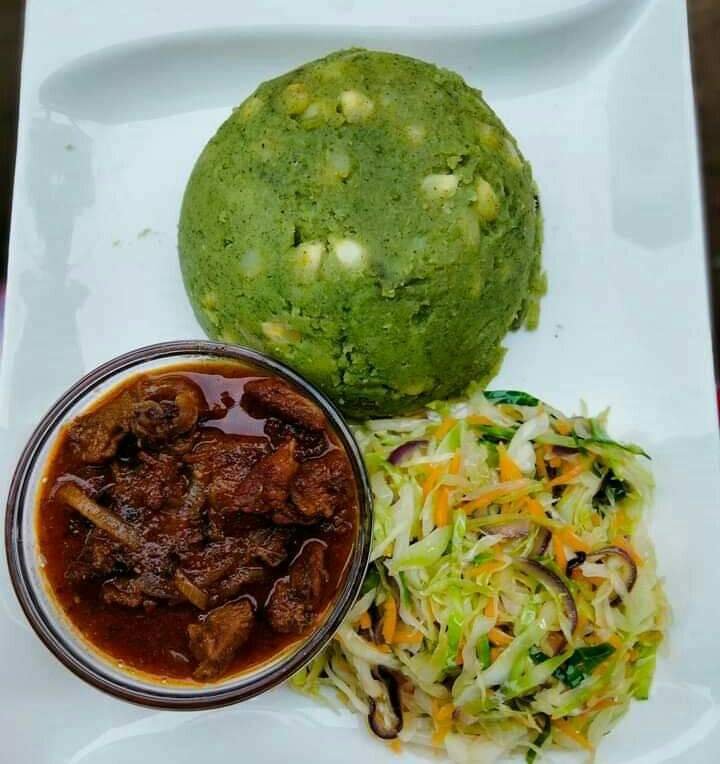
Mukimo is a traditional Kenyan dish that holds significant cultural value within the country’s diverse culinary landscape. It is a staple food characterized by its rich, earthy flavors and vibrant green hues. Historically, mukimo has its roots in the Kikuyu community, where it originated as a celebratory dish often served during special occasions, such as weddings and communal gatherings. Today, mukimo can be enjoyed by various ethnic groups across Kenya, showcasing its versatility and widespread popularity.
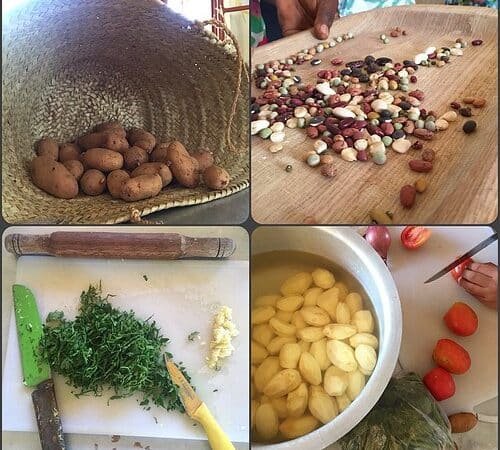
The primary ingredients of mukimo include mashed potatoes, green peas, and a variety of traditional greens, such as sugar snap peas or pumpkin leaves. The dish is typically prepared by cooking the potatoes until tender and mashing them together with the peas and greens, creating a thick, hearty consistency. A dash of seasoning or spices, such as salt and sometimes a hint of chili, can elevate the flavor profile, allowing for a personalized touch based on regional variations and individual preferences.
In addition to the classic recipe, there are numerous adaptations of mukimo, reflecting the diverse agricultural practices and tastes found throughout Kenya. For instance, some regions might incorporate maize, while others might add different types of leafy vegetables or even protein sources like meat or beans. This variety not only enhances the dish’s nutritional value but also promotes local ingredients, making mukimo a practical and meaningful dish for many Kenyan households.
Overall, mukimo is more than just a meal; it embodies the spirit of community and familial ties within Kenyan culture. Its ability to bring people together, whether shared among family at home or served at larger gatherings, underscores the significance of this dish as a symbol of connection and heritage in Kenya.
Essential Ingredients for the Perfect Mukimo
Mukimo is a cherished traditional Kenyan dish known for its rich flavors and nutritional value. To create an authentic mukimo, several essential ingredients are required. The primary constituents include green peas, potatoes, and pumpkin leaves (or spinach), which form the base of the dish. Each of these ingredients adds distinctive textures and flavors that contribute to the overall experience of mukimo.
When selecting potatoes, opt for floury varieties such as Irish potatoes, as they provide a creamy consistency when mashed. It is important to choose fresh produce, as the quality of ingredients significantly influences the final taste of mukimo. Fresh green peas should be vibrant and firm. In the absence of fresh peas, frozen peas can be a convenient substitute without sacrificing flavor. For leafy greens, while pumpkin leaves are traditional, substitutes like kale or collard greens can be used to suit personal preferences or availability.
Other essentials include salt and water for cooking, as well as optional ingredients like butter or cooking oil to enhance the flavor. Some variations of mukimo may include diced onions, garlic, or spices for an extra kick. For individuals with dietary restrictions, consider substituting butter with a plant-based alternative like olive oil. Additionally, those sensitive to starches can reduce the number of potatoes and increase the vegetable content.
To prepare mukimo, you will also require basic kitchen tools such as a large pot for boiling, a masher to blend the ingredients together, and a wooden spoon for stirring. Ensuring you have these essential tools and fresh produce will lead to the preparation of a delicious and satisfying mukimo that embodies the essence of Kenyan cuisine.
Step-by-Step Cooking Instructions
To create the perfect mukimo, it is essential to follow a systematic approach to cooking. Begin by gathering your ingredients, which typically include potatoes, maize (corn), and your choice of greens, such as spinach or pumpkin leaves. Ensuring that your ingredients are fresh can significantly enhance the flavor of your mukimo.
Start with the potatoes. First, peel them and cut them into equal-sized chunks to ensure even cooking. Place the potato chunks in a large pot of water, adding a pinch of salt for flavor. Boil the potatoes on medium heat until they are tender, usually about 20-25 minutes. Test their tenderness by piercing them with a fork; they should break apart easily.
While the potatoes are boiling, prepare the greens. If you’re using maize, cook it separately until soft according to the package instructions. For the greens, rinse them thoroughly to remove any dirt or grit. In a separate pan, heat some vegetable oil over medium heat, and sauté onions and garlic until fragrant, then add the greens. Cook for approximately 5-7 minutes until wilted and tender.
Once the potatoes are fully cooked, drain them and return them to the pot. Use a potato masher to mash the potatoes until they are smooth and free of lumps. Gradually add the cooked maize and greens to the mashed potatoes. Incorporate the mixture thoroughly to achieve a creamy consistency. A wooden spoon works best for this blending process, allowing for even distribution of ingredients.
As you mix, consider adding a splash of broth or a dollop of butter to enhance the creaminess of the mukimo. Taste and adjust seasoning as needed; a little salt and pepper can go a long way. It’s vital to avoid over-mixing, which can result in a gluey texture. Finally, serve your mukimo while it is warm, optionally garnishing it with extra greens or a drizzle of oil for added flavor.
Serving Suggestions and Pairings
Mukimo, a beloved traditional Kenyan dish, is not only nutritious but also versatile when it comes to serving options. This mashed dish, typically made from a blend of mashed potatoes, green peas, and maize, pairs seamlessly with various accompaniments that enhance its flavor and overall dining experience.
One of the classic ways to serve mukimo is alongside rich stews. Dishes such as beef stew, goat stew, or chicken stew infused with aromatic spices create a hearty meal that complements the mild taste of mukimo. The stew’s savory juices soak into the mukimo, further elevating its flavor profile and making it more enjoyable.
Furthermore, grilled or roasted meats are excellent companions for mukimo. The charred flavor of grilled nyama choma (meat) contrasts beautifully with the smooth texture of mukimo. For a festive presentation, consider serving mukimo in a large serving dish and arrange the grilled meats around it, garnished with fresh coriander or parsley for an added touch of freshness.
To enhance visual appeal and flavor, garnishing options are abundant. Consider topping mukimo with sautéed onions, chopped tomatoes, or even avocado slices. These additions not only make the dish more enticing but also contribute a variety of textures and tastes, allowing guests to customize their portions to their liking.
Once you’ve enjoyed your mukimo, storing leftovers is simple. Mukimo can be refrigerated in an airtight container for up to three days. When reheating, a microwave works best, but ensure to cover it to prevent dryness. For a more traditional approach, reheat it gently in a pot over low heat, adding a splash of water to maintain moisture.
Incorporating mukimo into larger meal spreads allows for creativity and exploration of different Kenyan flavors, making it a delightful addition to any table.