
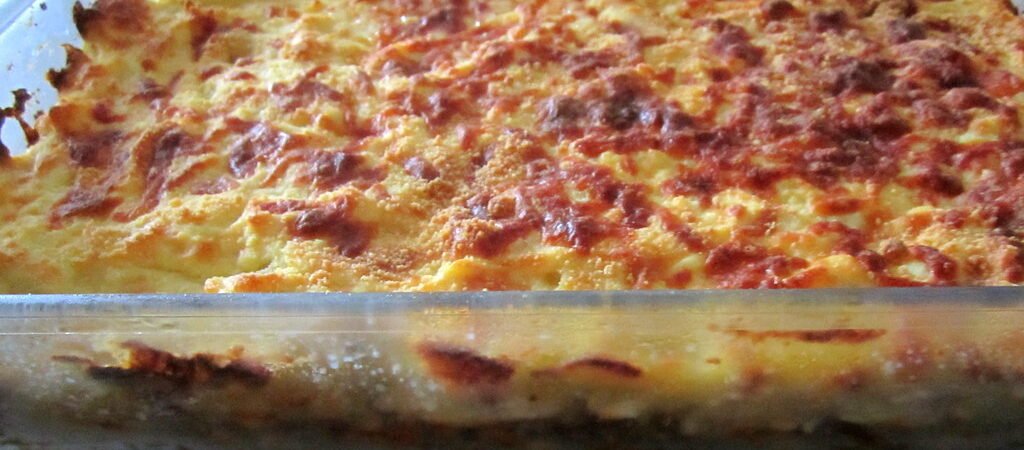
Understanding Pastitsio: An Overview of the Dish
Pastitsio is a classic Greek dish that has captured the hearts and palates of many around the world. Often compared to Italian lasagna, pastitsio features layers of pasta, meat sauce, and a rich béchamel sauce, resulting in a comforting and hearty meal. The origins of this dish can be traced back to Greek and Roman influences, illustrating a culinary tradition that dates back centuries. Over time, pastitsio has evolved into a staple of Greek cuisine, frequently served at family gatherings, festive occasions, and Sunday dinners.
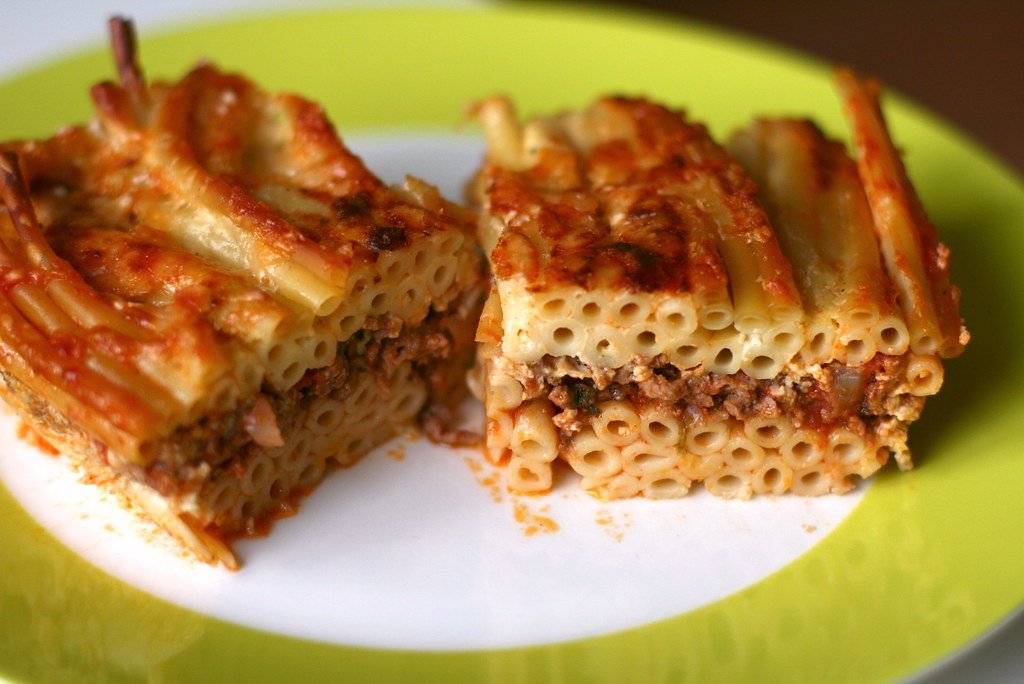
The typical preparation of pastitsio involves a few key ingredients. The most prominent component is the pasta, usually a tubular pasta like bucatini or ziti, which holds the sauce and complements the overall texture of the dish. The meat sauce is traditionally made from ground beef or lamb, sautéed with onions, garlic, and spices such as cinnamon or allspice, which add a unique flavor profile. The dish is then topped with a decadent layer of béchamel sauce, crafted from butter, flour, milk, and egg, providing a creamy finish that binds the layers together.
Different regions of Greece have their own variations of pastitsio, showcasing local ingredients and culinary customs. For instance, while some versions might include cheese in the béchamel or integrate additional vegetables into the meat sauce, others may experiment with spicing or herbs unique to their locality. These regional adaptations inspire home cooks to explore and customize their pastitsio, allowing for individual creativity while maintaining the essence of this cherished dish. Understanding the cultural significance and traditional preparation techniques of pastitsio provides a solid foundation for anyone interested in recreating this beloved Greek dish at home.
Essential Ingredients for Authentic Pastitsio
To craft an authentic Pastitsio, understanding the essential ingredients and their quality is paramount. The foundation of this dish lies in the pasta. Traditionally, a tubular pasta, often referred to as bucatini or macaroni, is used. This type of pasta should have a firm and sturdy texture, allowing it to hold up against the rich layers of meat and béchamel sauce. High-quality pasta, ideally made from semolina, is essential, as it not only elevates the dish but also enhances the overall flavor experience.
Next, the choice of meat is equally critical. A mixture of ground beef and pork is commonly utilized to achieve depth and richness in flavor. For those who prefer a more traditional approach, using lamb can provide a unique twist. It is essential to select fresh, high-quality meat to ensure that the final dish is both flavorful and tender. Additionally, the spices used in Pastitsio, such as cinnamon and nutmeg, contribute significantly to its unique taste profile. These spices add warmth and complexity, making the dish resonate with authentic Greek characteristics.
Cheese is perhaps one of the most vital ingredients in Pastitsio. A combination of grated kefalotyri or parmesan cheese lends a delightful sharpness that complements the creamy béchamel sauce. The béchamel itself should be crafted with care, utilizing whole milk and a good amount of butter, making it luscious and smooth. For those unable to find traditional cheeses, alternatives such as pecorino can suffice, providing similar flavor notes.
Finally, sourcing these ingredients thoughtfully is important. While some may have difficulty finding specific items like kefalotyri, local markets or gourmet stores may offer suitable substitutes. By utilizing high-quality ingredients, even those with limited access can achieve an authentic taste reminiscent of traditional Greek Pastitsio.
Step-by-Step Guide to Making Pastitsio
Creating the perfect pastitsio involves several essential steps, each contributing to the dish’s rich and comforting flavor. The process starts with preparing the meat sauce. Begin by heating two tablespoons of olive oil in a large skillet over medium heat. Add one chopped onion and sauté until translucent, which usually takes about 5 minutes. Next, incorporate one pound of ground beef or lamb; cook until browned, breaking it apart as it cooks. Season the meat with salt, pepper, and a teaspoon of cinnamon, stirring in half a cup of tomato puree and a cup of beef broth, allowing the mixture to simmer for about 20 minutes until thickened.
While the meat sauce is simmering, you can focus on preparing the béchamel sauce. In a medium saucepan, melt four tablespoons of butter over medium heat. Once melted, whisk in a quarter cup of flour, stirring continuously for about two minutes to form a roux. Gradually add two cups of milk, ensuring the mixture remains smooth. Bring the sauce to a gentle boil while continuing to whisk. Once thickened, remove from heat and stir in a pinch of nutmeg and half a cup of grated Parmesan cheese, which will add richness to your béchamel.
After completing the sauces, it’s time to cook the pasta. Bring a large pot of salted water to a boil and add one pound of tubular pasta, cooking it until slightly undercooked; this usually takes about 7-8 minutes. Drain the pasta and toss it with a drizzle of olive oil to prevent sticking. Then, assemble your pastitsio by layering half of the pasta in a greased baking dish, followed by the meat sauce, and then the remaining pasta.
Finally, pour the béchamel sauce generously over the top layer of pasta. Preheat your oven to 350°F (175°C) and bake the pastitsio for approximately 45 minutes, or until the top is golden brown and bubbling. Allow it to cool for about 15 minutes before serving, enabling the layers to set and enhancing the flavors.
Serving Suggestions and Storage Tips
When it comes to serving pastitsio, presentation plays an essential role in enhancing the dining experience. Begin by allowing the dish to rest for about 10-15 minutes after baking; this will help the layers to set, making it easier to slice. To elevate the dish visually, consider serving pastitsio in individual portions garnished with freshly chopped parsley or a sprinkle of grated Parmesan cheese. This simple touch not only adds color but also a burst of flavor.
Accompanying sides can further complement this hearty meal. A light Greek salad, featuring ripe tomatoes, cucumber, olives, and feta cheese, offers a refreshing contrast to the richness of pastitsio. Alternatively, consider serving a side of roasted vegetables or steamed green beans, which can introduce a healthy element to your meal. Additionally, a dollop of tzatziki sauce may enhance the flavors and provide a cooling effect against the savory baked pasta.
Storing any leftover pastitsio properly is crucial to maintaining its deliciousness for future meals. To store, allow the dish to cool completely, then transfer it to an airtight container. Refrigerated pastitsio can remain fresh for about 3-5 days. For optimal freshness, consider freezing any leftovers. Wrap individual portions tightly in plastic wrap and place them in freezer-safe bags; these can be stored for up to 3 months. When you are ready to enjoy, simply thaw in the refrigerator overnight and reheat in the oven at 350°F until heated through. Alternatively, you can microwave individual servings, ensuring they’re evenly warmed. By following these suggestions for serving and storage, you can enjoy your homemade pastitsio even after the first delightful serving.