
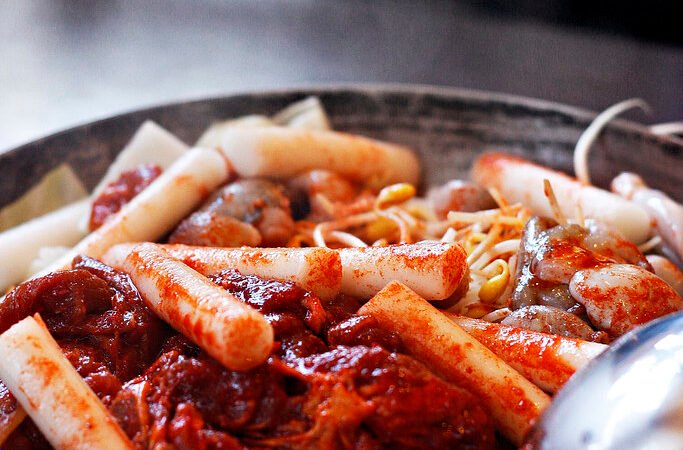
Introduction to Tteokbokki: A Korean Delight
Tteokbokki, a cherished dish from Korea, has gained recognition worldwide for its unique combination of flavors and textures. Traditionally served as a beloved street food, it consists of chewy rice cakes called “tteok” that are stir-fried in a vibrant, spicy-sweet sauce made with gochujang (Korean chili paste), sugar, and soy sauce. Originating in the city of Seoul, tteokbokki was initially a royal dish before evolving into a popular snack found at bustling street carts.
The significance of tteokbokki extends beyond its taste; it is deeply embedded in Korean culture and history. It often features at festive occasions and social gatherings, symbolizing togetherness and the joy of sharing meals with loved ones. The dish has adapted over time, with regional variations emerging that incorporate different ingredients, such as fish cakes, vegetables, and even cheese. This adaptability has contributed to its rise not only within Korea but also among international food enthusiasts.
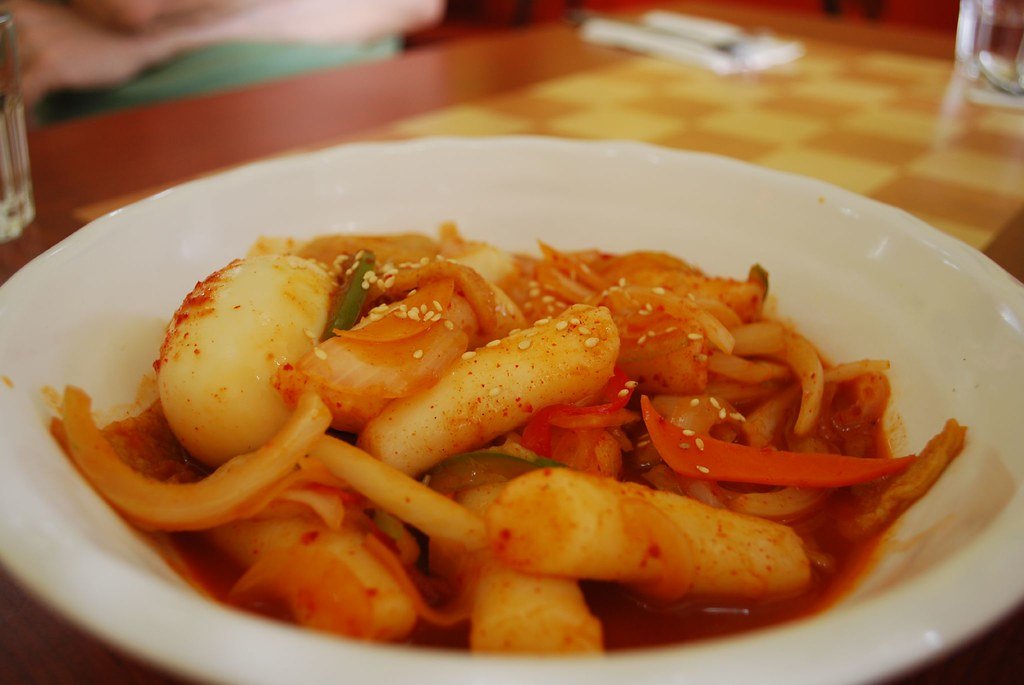
As families seek comforting meal options, tteokbokki presents itself as an ideal candidate for family dinners. Its warm, inviting flavor profile can be custom-tailored to suit diverse tastes, making it appealing to both children and adults. The act of preparing and enjoying this dish can foster connection, bringing family members together around a shared culinary experience. For those looking to bring spice and warmth into their dinner table, tteokbokki is a delightful choice that encapsulates the essence of conviviality and comfort in Korean cuisine.
Gathering Your Ingredients: What You Need for the Perfect Tteokbokki
To create an authentic and flavorful tteokbokki, a selection of key ingredients is essential. The main component is tteok, which are chewy Korean rice cakes. These can be found in various forms such as cylindrical or oval shapes, and they are typically made from glutinous rice. When selecting tteok, look for those that are fresh, as they will provide the best texture and flavor.
Another pivotal ingredient is gochujang, a Korean red chili paste that adds depth, richness, and a spicy kick to the dish. This essential condiment is available at most Asian grocery stores and provides the characteristic heat and umami flavor profile that defines tteokbokki. When choosing gochujang, opt for varieties labeled as ‘premium’ or ‘traditional’ for the best results.
Next, add fish cakes to the mix. These can be found in various forms, sliced or in small rectangular pieces. Fish cakes contribute a unique texture and enhance the overall flavor of the dish. For those with dietary restrictions, alternatives such as tofu or vegetarian meat substitutes can work well.
In addition to these crucial ingredients, include some chopped cabbage and sliced scallions. These vegetables not only add color but also impart freshness to the tteokbokki. If cabbage is not to your taste, alternatives like bok choy or even spinach can be used.
When preparing to cook, utilizing a wok or a non-stick pan will facilitate even cooking and prevent sticking. Ensure your ingredients are prepped and ready to go, as the cooking process is quick and straightforward. Following these suggestions guarantees that everyone can enjoy a delightful plate of tteokbokki, regardless of dietary preferences or ingredient availability.
Step-by-Step Cooking Instructions: Creating the Perfect Tteokbokki
To start making tteokbokki, gather the essential ingredients. For traditional tteokbokki, you will need rice cakes, fish cakes, scallions, a hard-boiled egg (optional), and gochujang (Korean chili paste). Begin by soaking the rice cakes in warm water for approximately 20 to 30 minutes to soften them. This step is crucial for ensuring the rice cakes have the right texture when cooked.
Next, prepare the sauce by mixing 2 to 3 tablespoons of gochujang with 1 tablespoon of soy sauce, 1 tablespoon of sugar, and 1 cup of water in a bowl. Adjust the ingredient quantities depending on your preferred level of spice and sweetness. Stir until the mixture is well-combined, creating a homogenous sauce.
Once your ingredients are prepped and the sauce is ready, it is time to cook the tteokbokki. In a large skillet or a heated pan, add the sauce mixture and bring it to a gentle boil over medium heat. Introduce the softened rice cakes and fish cakes into the skillet, stirring occasionally. Allow the mixture to simmer for about 10 to 15 minutes. During this time, make sure to watch the liquid level; if the sauce becomes too thick, add a bit more water to maintain a desired consistency.
As the cooking progresses, incorporate finely chopped scallions for added flavor. Additionally, you can include a hard-boiled egg for an uplifting touch of richness. Once everything is cooked to your liking, taste the dish and adjust the flavors as needed. Finally, transfer the tteokbokki to a serving plate, garnishing it with extra scallions or sesame seeds if desired. The result should be a vibrant, spicy, and delightful dish ready to impress your family during dinner.
Serving Suggestions and Variations: Customize Your Tteokbokki Experience
Tteokbokki, a beloved Korean street food, provides a delightful experience by blending chewy rice cakes with a spicy-sweet sauce. One of the most enjoyable aspects of tteokbokki is its versatility, allowing you to create various serving suggestions that cater to diverse palates. To elevate your tteokbokki dining experience, consider pairing it with popular Korean side dishes such as kimchi, pickled radishes, or stir-fried vegetables. These accompaniments not only complement the flavors of the tteokbokki but also enhance the overall meal.
Beverages also play a crucial role in the tteokbokki experience. Traditional Korean drinks, such as soju or makgeolli, can be excellent companions, providing a refreshing contrast to the spiciness of the dish. For a non-alcoholic option, consider serving tteokbokki with a cool glass of iced barley tea, which adds a soothing balance to the meal. Finally, if you’re looking to satisfy your sweet tooth after enjoying tteokbokki, traditional Korean desserts like bingsu or rice cakes can be delightful choices to round off the dining experience.
When it comes to variations, the possibilities with tteokbokki are extensive. Cheese tteokbokki, for instance, incorporates melted cheese to create a creamy texture, making it a great option for cheese lovers. Additionally, seafood tteokbokki introduces ingredients such as shrimp, squid, or fish cakes, adding a rich umami flavor that enhances the dish. For vegetarians, simply substituting the meat components with an array of fresh vegetables like mushrooms, bell peppers, or zucchini creates a colorful and delicious version without sacrificing flavor.
Encouraging creativity in the kitchen allows you to customize your tteokbokki experience, transforming this classic dish into a personalized culinary adventure.