
Introduction to Harissa: The Essential North African Spice Blend
Harissa is a traditional North African spice blend that boasts a rich history and cultural significance. Originating from Tunisia, this aromatic condiment has spread across various regions, including Algeria and Morocco, where it plays an essential role in local cuisine. Harissa is typically made from roasted red peppers, spices, garlic, and sometimes hot chili peppers, creating a vibrant and flavorful mixture that embodies the essence of North African cooking.
The preparation and usage of harissa vary widely among different cultures. In Tunisia, it is often served as a dip or condiment, accompanying various dishes from grilled meats to roasted vegetables. Algerians might include it in stews or as a flavor enhancer for couscous. Moroccan variations may feature a more complex mixture with additional spices such as coriander and caraway, showcasing the adaptability of this spice blend. Each region’s interpretation adds a unique twist while maintaining harissa’s foundational attributes.
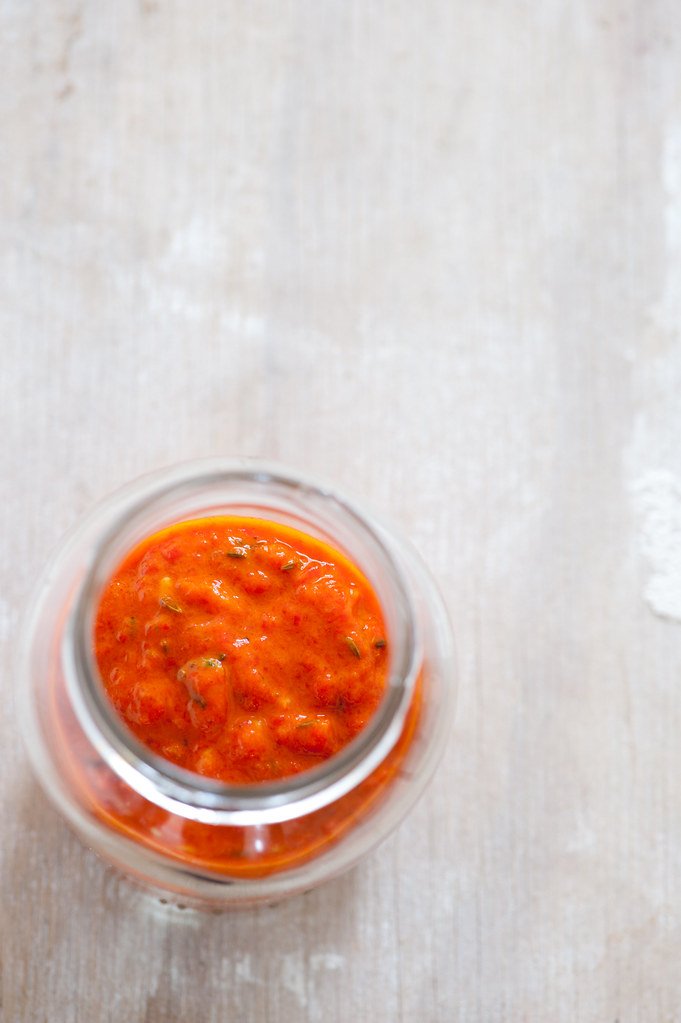
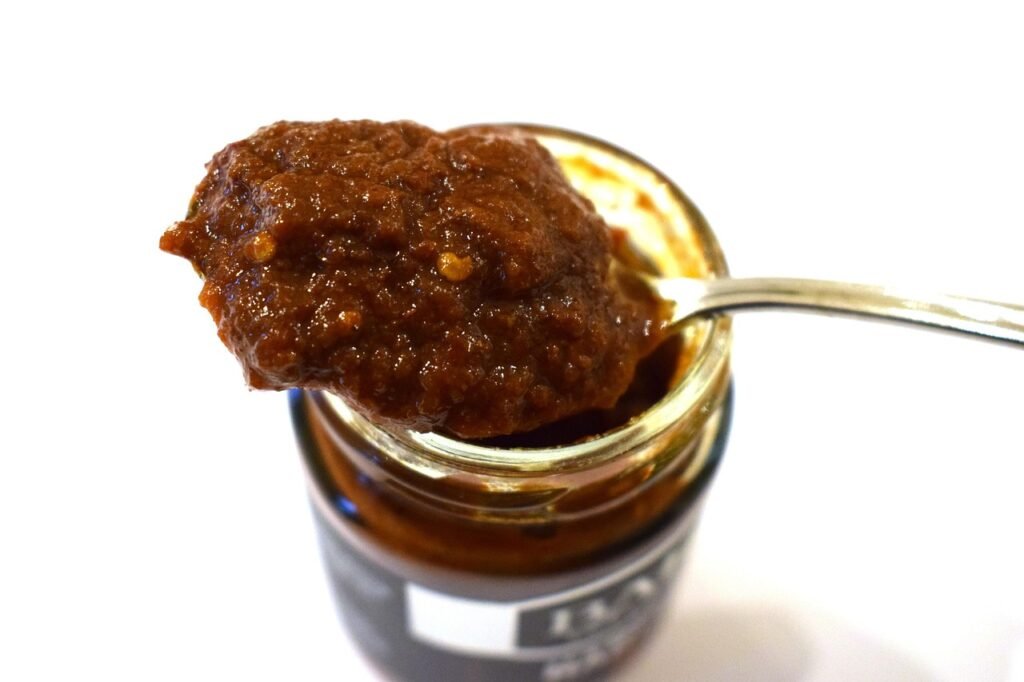
Making homemade harissa is not only an enriching culinary experience but also emphasizes the importance of using fresh ingredients. The flavors found in store-bought versions often pale in comparison to those of a freshly prepared batch. By crafting your own harissa, you can adjust the heat level, experiment with ingredients, and delight in the fulfilling process of creating something from scratch. The vibrant red hue and fragrant aroma that fill your kitchen will not only awaken your senses but also provide a sense of pride in your culinary achievements. Embracing the art of making harissa opens doors to a myriad of delightful dishes that you can easily incorporate into your meal planning.
Essential Ingredients for Authentic Harissa
Creating an authentic harissa paste requires a careful selection of ingredients that contribute to its distinctive flavor profile. At the core of harissa are a variety of chilis, which form the base and provide heat. Traditionally, dried red chilis such as the Arbol or Pasilla are used, imparting a rich flavor and varying levels of spiciness. Depending on your heat tolerance and preference, you can adjust the chili types or amounts in your recipe.
In addition to chilis, spices play a crucial role in achieving authentic harissa. Cumin and coriander seeds are indispensable for their warm, earthy flavors. Toasting these spices before grinding them brings out their essential oils, enhancing the overall flavor of the paste. Some recipes also incorporate smoked paprika, which adds a subtle smokiness, enriching the depth of the harissa.
Garlic is another vital component, imparting a pungent kick and marrying well with the other ingredients. Typically, fresh garlic cloves can be used, but roasted garlic offers a milder, sweeter flavor that may appeal to some. Similarly, vinegar is essential, providing acidity that balances the spice and heat, as well as contributing to the paste’s shelf life. Consider using a high-quality red wine vinegar or apple cider vinegar for an authentic touch.
Lastly, oil is crucial to achieving the right consistency of the harissa paste. A neutral oil such as sunflower or olive oil is commonly used, helping to bind the ingredients together and create a smooth texture. When sourcing these ingredients, look for dried chilis and spices from specialty shops or local markets to ensure freshness and quality, as these factors significantly influence the flavor of your harissa.
Step-by-step Guide to Making Harissa
Creating harissa at home involves several essential steps that ensure a rich and flavorful result. The first step is selecting the right ingredients, as the quality of your harissa depends significantly on this choice. You will require dried red chili peppers, garlic, caraway seeds, coriander seeds, cumin seeds, olive oil, and salt. Begin by choosing dried chili peppers such as guajillo, ancho, or even cayenne for varying heat levels.
Next, prepare the dried chilies by removing the stems and seeds. To soften them, soak the chilies in hot water for about 30 minutes. This not only rehydrates them but also helps to extract a fuller flavor. While the chilies are soaking, toast the spices. In a dry skillet over medium heat, lightly toast the caraway, coriander, and cumin seeds until fragrant, which enhances their aromatic properties.
After toasting, allow the spices to cool slightly before grinding them into a fine powder using a spice grinder or mortar and pestle. This step is crucial for achieving that deeply layered flavor profile characteristic of traditional harissa.
Once your chilies are softened, drain them and add them to a food processor along with the ground spices, peeled garlic cloves, and a pinch of salt. Start blending, adding olive oil gradually until a smooth and thick paste forms. Adjust the olive oil and seasoning to achieve the desired spreadable consistency and flavor balance. You may also choose to add lemon juice or vinegar for a tangy twist.
If you prefer a milder version, consider using fewer or different types of chilies while retaining the core spices. Alternatively, to enhance the flavor, you might incorporate roasted red peppers or herbs like mint or cilantro. Store the harissa in an airtight container in the refrigerator for up to two weeks. With this simple guide, you will be able to enjoy a homemade harissa that can be customized to suit your taste preferences.
Storing, Serving, and Using Harissa in Your Dishes
Storing homemade harissa properly is essential to preserving its freshness and rich flavor. To achieve this, transfer your harissa into a clean, airtight container and store it in the refrigerator. Ideally, homemade harissa can last up to two weeks when stored in this manner. To extend its shelf life, consider adding a layer of olive oil on top of the harissa before sealing the container. This helps create a barrier against air, which can degrade the flavor over time.
When it comes to serving harissa, there are numerous creative ways to incorporate it into your meals. As a condiment, harissa can enliven roasted vegetables or grilled meats, adding a spicy kick that enhances their natural taste. It can also be used as a marinade, where the combination of spices and oil helps tenderize proteins while infusing them with robust flavors. Simply mix harissa with yogurt or olive oil and marinate your choice of meat for several hours before cooking.
Harissa’s versatility extends into dips and sauces as well. You can create a delightful dip by mixing harissa with cream cheese or sour cream for a zesty appetizer perfect for gatherings. Additionally, drizzle harissa over grain bowls or soups to add depth and a flavorful twist. The potential for harissa usage is expansive, inviting culinary exploration that goes beyond traditional recipes.
In addition to the aforementioned uses, consider incorporating harissa into stews, pasta dishes, or as a flavor booster in salad dressings. Its complex profile and spiciness make it an excellent addition to a wide variety of culinary contexts. By experimenting with harissa, you not only create unique dishes but also savor the authentic taste of your homemade creation in various and unexpected ways.