
Understanding Coq au Vin: A French Classic
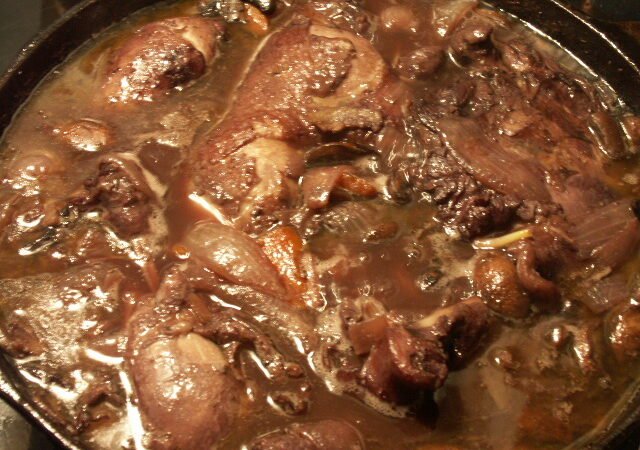
Coq au Vin, translating to “rooster in wine,” is a traditional French dish that embodies the essence of rustic French cuisine. Its origins can be traced back to ancient Gaul, where roosters were often cooked in wine as a method of tenderizing the meat. However, the dish gained significant popularity in the 20th century, largely attributed to Julia Child’s influence in making French cooking accessible internationally.
This classic recipe typically employs a combination of chicken, red wine, mushrooms, onions, lardons (pork fat or bacon), and garlic, all of which contribute to its rich and complex flavor profile. While the original version prominently featured rooster, modern iterations almost exclusively use chicken due to the availability and ease of preparation. The choice of wine plays a crucial role; a full-bodied red such as Burgundy or Côtes du Rhône is preferred, as it enhances the dish’s overall depth.
Coq au Vin is often categorized as a comfort food, representative of home-cooked meals shared amongst loved ones. Its preparation often involves slow cooking, allowing the flavors to meld beautifully over time. Each family or chef may add their personal touch, such as the inclusion of herbs or spices like thyme and bay leaves, or even adapting the dish for regional preferences. Variations include Coq au Vin Blanc, which substitutes white wine, offering a lighter twist.
The significance of Coq au Vin in French culture extends beyond its delectable taste; it represents the values of French culinary traditions, emphasizing the use of local ingredients and patience in cooking. For many, mastering this dish is a rite of passage that not only showcases one’s culinary skills but also pays homage to the rich gastronomic heritage of France. As one embarks on the journey to prepare Coq au Vin, understanding its historical and cultural context enhances the cooking experience, paving the way to mastering this beloved recipe.
Essential Ingredients for the Perfect Coq au Vin
To create an authentic Coq au Vin, the selection of ingredients is paramount. This classic French dish traditionally features chicken as the centerpiece, and the quality of the bird significantly influences the final flavor. Opting for free-range or organic chicken not only enhances the dish’s taste but also ensures ethical sourcing. The rich flavor profiles of these chickens can elevate your Coq au Vin, making it genuinely special.
The next crucial component is the wine. Traditionally, a full-bodied red wine such as Burgundy is recommended, although any good-quality Pinot Noir can serve as an excellent substitute. The wine not only contributes depth but also influences the overall character of the dish. Choosing a wine that you would enjoy drinking is vital, as the flavor will concentrate during cooking.
Aromatics play an integral role in building the dish’s complexity. Essential herbs, such as thyme and bay leaves, should be included, along with aromatic vegetables like onions, carrots, and celery. These elements provide depth and subtle layers of flavor. For a more robust experience, consider incorporating garlic and shallots as well.
Optional additions, such as mushrooms and bacon, can further enhance the dish. The addition of mushrooms adds earthiness, while bacon introduces a smoky undertone that harmonizes beautifully with the other flavors. When sourcing these ingredients, prioritize freshness and quality. Local farmers’ markets or specialty stores often provide superior products compared to conventional supermarkets.
In conclusion, mastering Coq au Vin begins with the careful selection of ingredients, ensuring that each element contributes positively to the final dish and upholds the dish’s rich culinary heritage.
Step-by-Step Cooking Techniques
Mastering Coq au Vin involves a series of precise cooking techniques that ensure the chicken is flavorful and tender. The first step is to marinate the chicken. In a large bowl, combine red wine, chopped onions, carrots, and herbs such as thyme and bay leaf. Allow the chicken pieces to marinate for at least four hours, preferably overnight, to absorb the rich flavors of the wine and aromatics.
Once marinated, remove the chicken and pat it dry with paper towels. This step is crucial for achieving a good sear. Heat a large Dutch oven over medium-high heat, and add bacon or lardons, cooking them until they are crisp. This fat will provide flavor to the dish and can be used to brown the chicken. In batches, add the chicken pieces to the pot, ensuring not to overcrowd. Sear on all sides until golden brown, which typically takes about 5 to 7 minutes per side. Proper browning is essential as it develops depth of flavor.
Next, remove the browned chicken and set it aside. Utilize the remaining fat in the pot to sauté garlic and mushrooms until they are tender. Then, deglaze the pan with a splash of the marinating red wine, scraping up the brown bits from the bottom. This process enhances the sauce with additional flavor. After deglazing, reintroduce the chicken to the pot, along with the marinade, chicken stock, and any additional seasonings.
Allow the mixture to come to a gentle simmer and then cover the pot, letting it cook on low heat for about one to one and a half hours. This slow cook time is vital for tenderizing the meat. Before serving, check for the sauce’s consistency; if too thin, remove the lid and let it reduce further. Remember, the goal is a rich, thick sauce to accompany the chicken. With careful attention to these techniques, you will achieve a classic Coq au Vin that impresses.
Serving and Pairing Recommendations
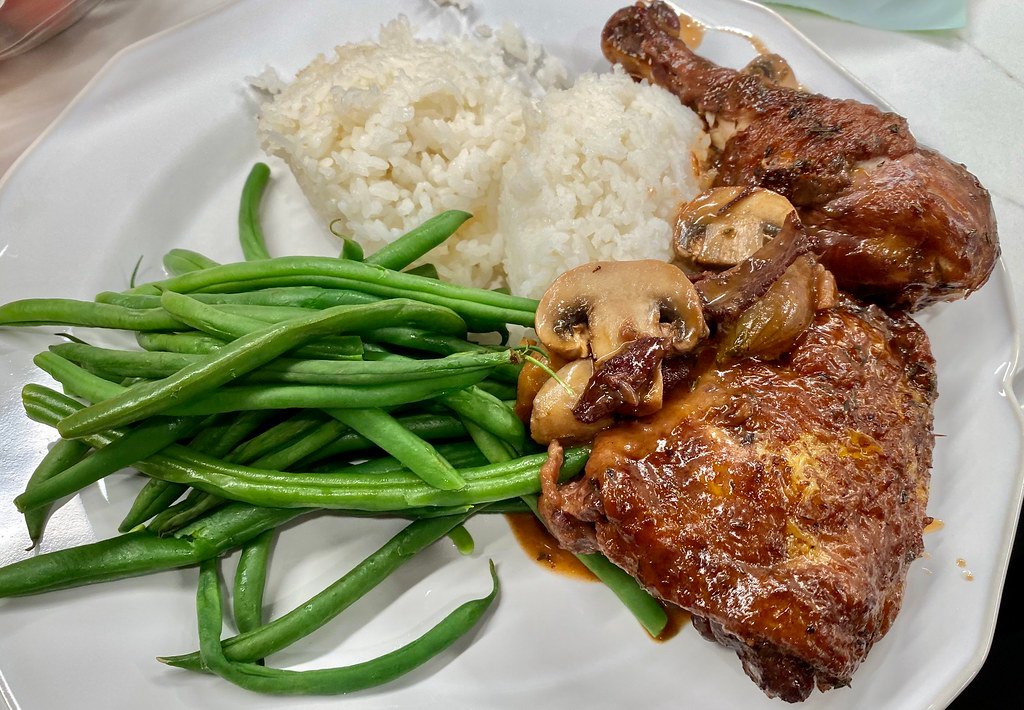
Once your Coq au Vin is cooked to perfection, serving it in a manner that enhances its rich flavors is important. Ideally, Coq au Vin should be served warm, allowing the deep flavors of the braised chicken and red wine sauce to shine through. For an elegant presentation, consider using wide, shallow bowls. Ladle a generous portion of the stew in the center and arrange the chicken legs aesthetically atop the sauce, showcasing the vibrant colors of the dish.
To complement the weight and intensity of Coq au Vin, side dishes should be equally robust. Creamy mashed potatoes make for a classic pairing, their smooth texture balancing the hearty sauce. Alternatively, consider serving it with crispy, crusty bread; this not only helps to soak up the flavorful sauce but also adds a satisfying crunch to the meal. Roasted root vegetables or a fresh green salad can add contrast and freshness to each bite, rounding out the meal with a delightful mixture of textures and tastes.
When it comes to wine pairing, a glass of the same red wine used in the cooking process, such as a Burgundy or a Pinot Noir, makes for a seamless match. The acidity in the wine will mirror the flavors of the dish, enhancing the overall dining experience. If you’re looking to try something different, consider a light-bodied Merlot or even a Côtes du Rhône, both of which offer complementary notes to the rich and savory elements of Coq au Vin. By following these serving and pairing suggestions, you can elevate your Coq au Vin experience to that of a culinary expert.