
Introduction to Peking Duck
Peking Duck is a renowned dish that holds a special place in Chinese culinary history, celebrated for its distinct preparation method and exceptional flavors. Originating from Beijing, this dish has been enjoyed since the imperial era, with references dating back to the Southern and Northern Dynasties (AD 420–589). Over the centuries, Peking Duck has evolved from a royal delicacy into a beloved culinary staple that attracts food enthusiasts from around the world.
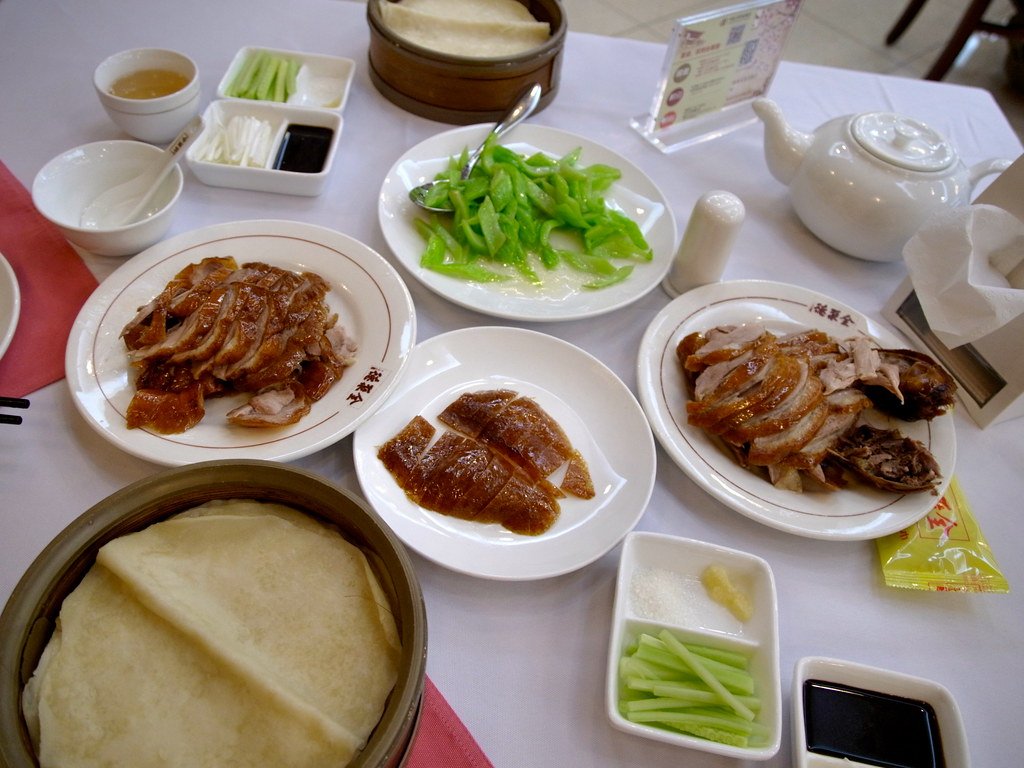
The preparation of Peking Duck is meticulous and requires attention to detail, which is critical for achieving the desired characteristics of this iconic dish. A well-cooked Peking Duck features a crispy, golden-brown skin and succulent, tender meat. The unique texture and flavor profile of the duck are further complemented by the traditional condiments served alongside it, which typically include hoisin sauce, thinly sliced scallions, and pancakes. These elements work harmoniously to create a memorable dining experience.
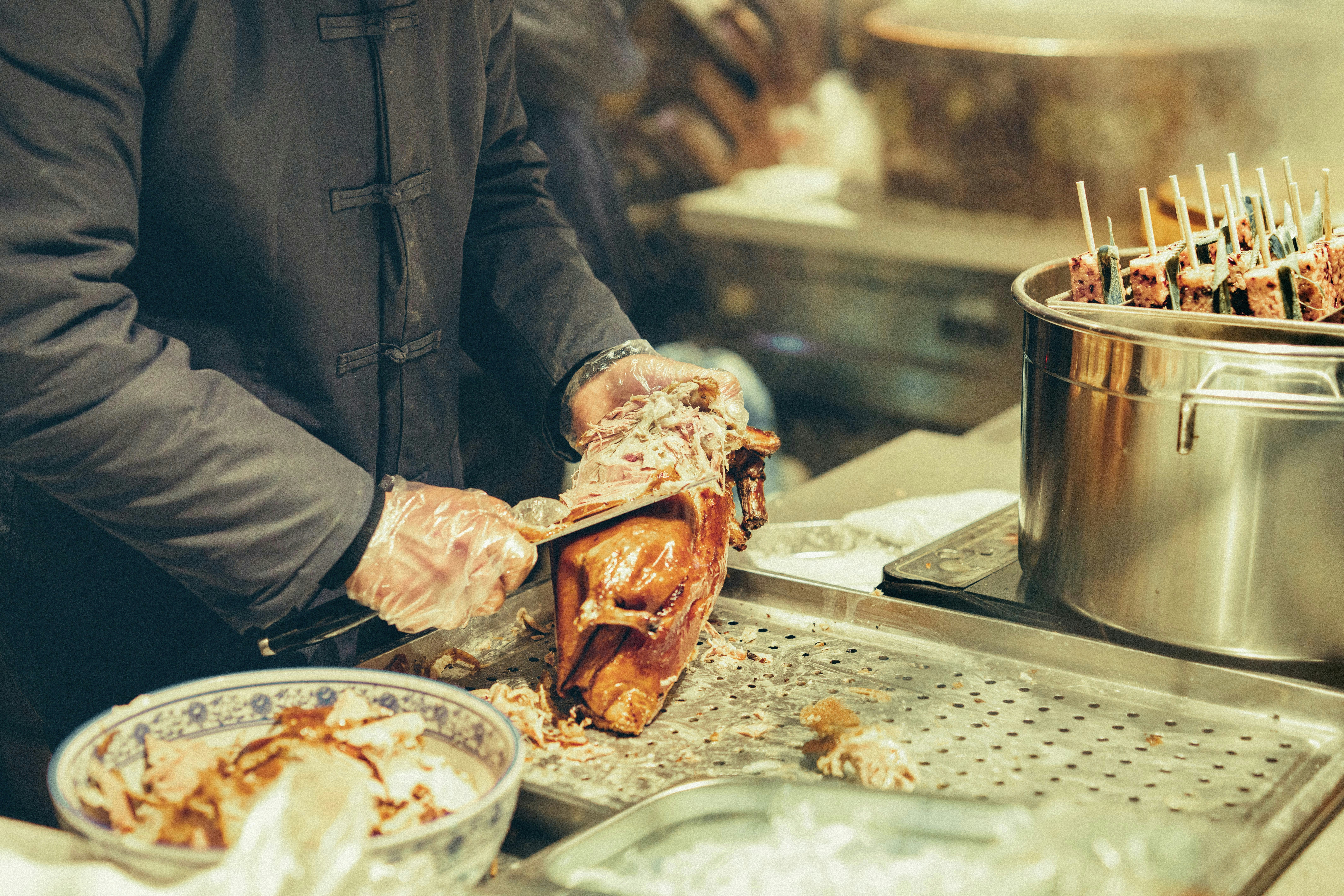
In addition to its taste, the artistry involved in serving Peking Duck is significant. Traditionally, the duck is carved in front of diners, showcasing the skill of the chef and emphasizing the dish’s aesthetic appeal. This presentation adds a layer of formality to the dining experience, making it a highlight of various celebratory occasions. The combination of crispy skin, juicy meat, and expertly balanced flavors is what sets Peking Duck apart, making it not only a delicacy but also an essential part of Chinese cultural heritage.
As we delve into the step-by-step guide that follows, readers will gain a comprehensive understanding of how to prepare an authentic Peking Duck at home, ensuring that everyone can appreciate its rich flavors and impressive presentation.
Gathering Ingredients and Tools
To successfully prepare traditional Peking Roasted Duck, one must first gather a selection of essential ingredients. The main star of this dish is, of course, the duck itself. It is recommended to select a young and tender Pekin duck, weighing approximately 4 to 5 pounds, as this variety yields a succulent meat and crispy skin. In addition to the duck, a variety of seasonings is required to enhance the flavor profile. Essential ingredients include soy sauce, maltose (or honey), five-spice powder, and salt. These components are crucial in achieving the authentic sweet and savory taste that Peking duck is known for.
Furthermore, it’s advisable to gather accompaniments that will enhance the dining experience. Thin pancakes, usually made from wheat flour, are traditional alongside Peking duck, as they serve as a vehicle for wrapping the meat and adding ingredients such as cucumber and scallions. Hoisin sauce is often served as a condiment to add extra flavor, offering a rich and slightly sweet contrast to the duck.
Equally important to the ingredients are the tools and equipment necessary for preparation and cooking. A sturdy roasting pan is essential to hold the duck during the roasting process, ensuring that the fat can drip away while allowing the skin to achieve a perfect crispness. A hook for hanging the duck during the drying process is vital, as it’s crucial for the skin’s texture. Lastly, a fan or a well-ventilated area can aid in drying out the duck’s skin before roasting. This step is important, as it contributes significantly to the legendary crisp texture of the finished product.
Preparing the Duck for Roasting
To achieve the perfect Peking roasted duck, meticulous preparation is essential. Begin with selecting a high-quality, fresh duck, ideally weighing around 5 to 6 pounds. The first step involves cleaning the duck thoroughly. Rinse it under cold water, ensuring any remnants of feathers or blood are removed. Pat the duck dry with paper towels to prepare it for seasoning.
Once cleaned, the next step is to brine or marinate the duck. A simple brine can consist of water, salt, sugar, and a blend of spices like star anise, ginger, and garlic, which infuse flavor into the meat. If opting for a marinade, ensure to apply it generously under the skin as well as on the exterior, allowing for at least four to six hours—though overnight marinating yields superior results. This process not only enhances the flavor but also aids in retaining moisture during roasting.
After brining or marinating, focus on drying out the skin. A crucial tip for achieving a crisp exterior is to air dry the duck for at least 12 hours in a cool environment. Hanging the duck in a well-ventilated area is ideal. If this is not possible, placing it in the refrigerator uncovered works effectively as well. Additionally, applying a glaze consisting of maltose or honey mixed with vinegar can help create a shiny, crispy skin on the roast.
Ensure to puncture the skin lightly in multiple places without affecting the meat; this step allows the fat to render while roasting, contributing to that coveted crispy texture. Following these preparation steps diligently will set a solid foundation for a delicious and authentic Peking roasted duck, making the final result truly exceptional.
Roasting Techniques and Serving Suggestions
Mastering the roasting of Peking duck requires attention to detail and the right techniques to achieve the iconic crispy skin and succulent meat. To begin, it is essential to prepare the duck adequately. The traditional method involves air-drying the duck for several hours or overnight after cleaning and seasoning it. This process not only enhances the flavor but also contributes to crispy skin upon roasting.
Once dried, the next step is to roast the duck at the right temperature. Preheat your oven to 350°F (175°C). For optimal results, start by roasting the duck at this moderate heat to allow the fat to render out gradually. It is crucial to place the duck on a rack in a roasting pan, ensuring that the fat drips away from the bird during this initial phase. Typically, a roasting time of about 1.5 to 2 hours is suitable, depending on the size of the duck. Utilize a meat thermometer to ensure the internal temperature reaches 165°F (74°C).
Alternative roasting methods, such as using a rotisserie or a dedicated Peking duck oven, can also yield superb results. Each method has its unique benefits: the rotisserie allows for even cooking and basting in its own fat, while a specialized oven can provide the high heat necessary for crisping the skin quickly.
When it comes to serving, presentation is key. Serving Peking duck typically involves slicing the meat into thin pieces, accompanied by thin pancakes, fragrant hoisin sauce, and assorted sliced vegetables such as cucumbers and scallions. This not only creates a visually appealing dish but also allows guests to build their own pancakes, enhancing the dining experience. The combination of crispy skin, tender meat, and flavorful accompaniments captures the essence of this traditional dish, making it a true culinary delight.