
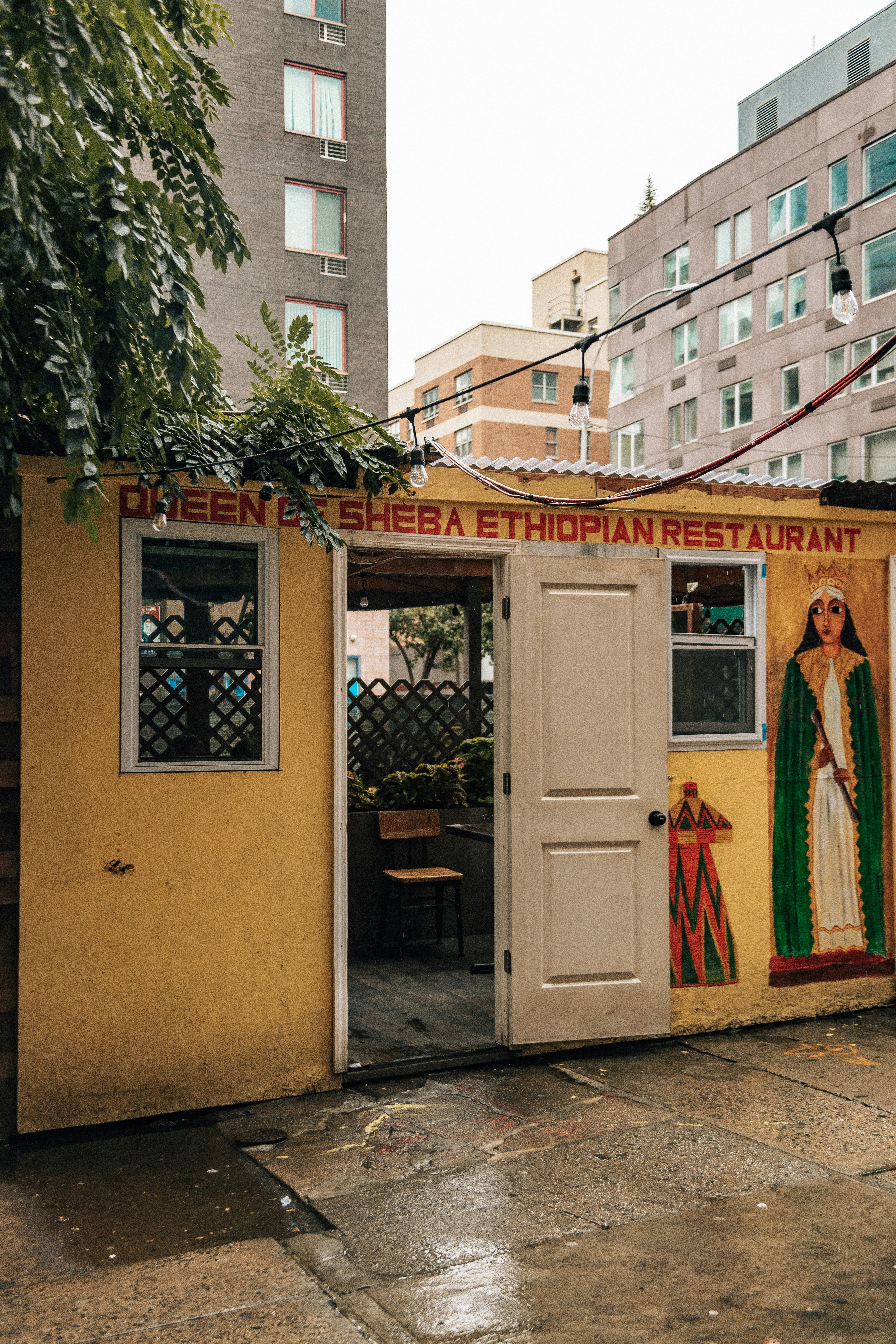
Introduction to Injera
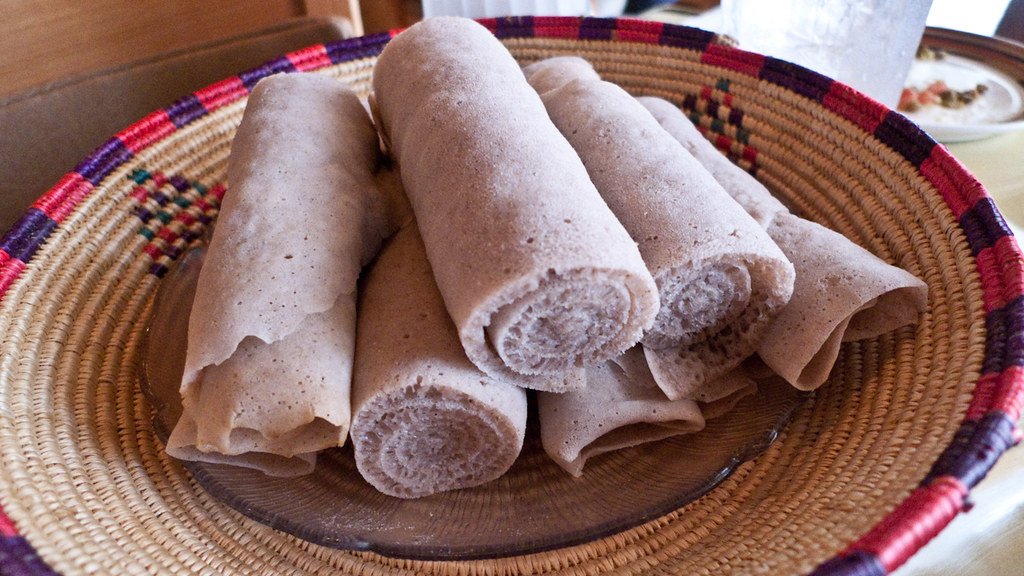
Injera, a traditional Ethiopian flatbread, serves as both a staple food and a cultural emblem of Ethiopia. This unique dish has its roots embedded deeply in Ethiopian history, with origins dating back thousands of years. Primarily made from teff flour, a grain native to the region, injera boasts not only nutritional value but also a rich flavor profile that adds depth to various Ethiopian dishes.
The process of making injera is quite intricate and is steeped in tradition. First, the teff flour is combined with water to create a batter, which is then allowed to ferment for several days. This fermentation process is crucial, as it imbues the injera with its characteristic sour taste and distinct texture, reminiscent of a spongy pancake. Once the batter is ready, it is poured onto a large, flat cooking surface called a mitad, where it cooks until bubbles form and the surface becomes porous. The resulting injera is soft, yet able to hold its shape, making it ideal for scooping up accompanying dishes.
In Ethiopian dining customs, injera serves a dual purpose. It acts as a foundation upon which various stews, salads, and grilled meats are served, constituting the core of many traditional meals known as injera platters. Moreover, injera is often used as an edible utensil, allowing diners to tear off pieces and use them to scoop food. This communal style of eating fosters a sense of togetherness among diners, highlighting the cultural importance of sharing meals in Ethiopian society.
Overall, injera is not merely a food item; it reflects the heritage and social dynamics of Ethiopia, making it an integral part of the nation’s identity and culinary landscape.
The Making of Injera: Ingredients and Techniques
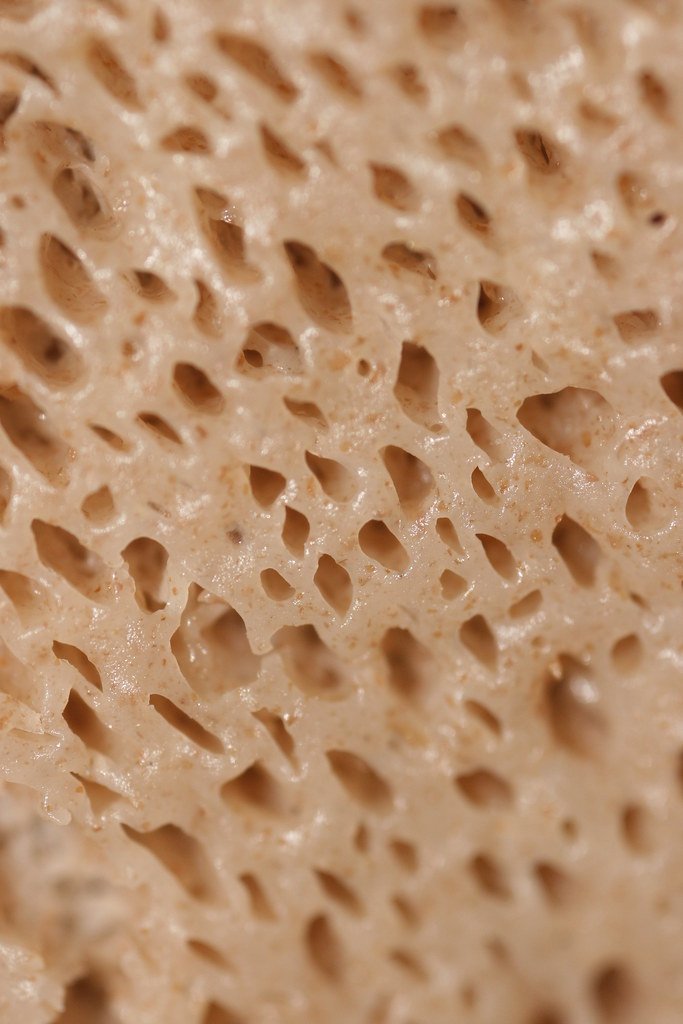
Injera, a staple of Ethiopian cuisine, is primarily made from teff flour, a gluten-free grain that is high in protein, fiber, and essential minerals such as calcium and iron. Teff is unique due to its tiny seeds and high nutrient density, making it an ideal choice for those seeking a healthy diet. The flour obtained from teff is the cornerstone of injera, providing not only nutrition but also contributing to the dish’s distinct sour flavor when fermented.
The fermentation process of injera is vital to achieving its characteristic taste and spongy texture. Typically, a batter made from teff flour and water is created and left to ferment for approximately 1 to 3 days. During this time, naturally occurring lactic acid bacteria and yeast develop, producing carbon dioxide and giving injera its airy bubbles. This fermentation also imparts a tanginess that balances well with various Ethiopian stews and dishes served atop the injera.
Cooking injera involves careful attention to technique, traditionally performed on a large, round griddle known as a mitad. The mitad’s arch shape allows for even heat distribution, which is essential for cooking the injera uniformly. The timing of cooking is crucial; each piece typically cooks for about 2-3 minutes, during which the formation of bubbles signals that it is ready. Unlike conventional pancakes, injera is not flipped; the top is left soft and slightly moist, while the bottom becomes firm and slightly crisp. This preparation not only showcases the ingenuity of Ethiopian culture but also underscores the significance of timing and precision in the culinary arts. Through this meticulous process, injera is elevated from mere sustenance to a cultural emblem of community and tradition in Ethiopia.
Flavor Profile and Texture of Injera
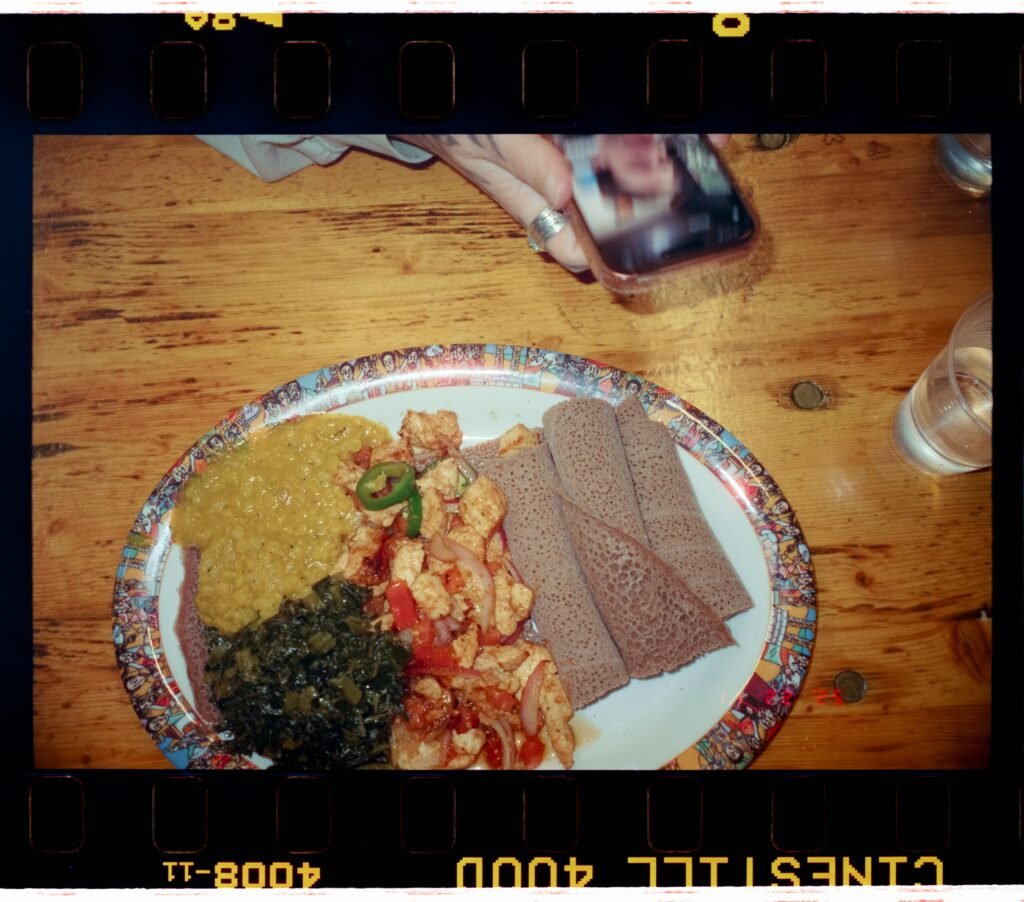
Injera, a staple in Ethiopian cuisine, is renowned for its distinctive flavor profile and unique texture. Its signature tanginess derives from the fermentation process of teff flour, combined with water, which is left to sit for several days. This natural fermentation not only develops injera’s sour taste but also yields additional health benefits, including improved digestibility and nutrient availability. The level of tang can vary significantly based on the duration of fermentation, allowing for a wide range of flavor experiences depending on the preparation method used.
The texture of injera is both airy and hearty, making it a versatile accompaniment to a variety of dishes, particularly the rich stews known as wot. Its slightly spongy consistency enables it to soak up the flavors of these stews, acting as both a food and a utensil. Diners typically tear off pieces of injera to scoop up the flavorful wot and other side dishes, creating an engaging and communal dining experience. This textural quality also makes injera an ideal partner for grilled meats and vegetarian dishes alike, facilitating a harmonious blend of flavors.
There are different varieties of injera, contingent upon the ingredients and preparation methods employed. While the traditional version primarily uses teff flour, some adaptations incorporate a blend of other flours, including barley or millet, which can introduce diverse flavor nuances and cater to specific dietary needs, such as gluten-free diets. Comparatively, injera can be likened to flatbreads such as dosa from India or sourdough pita from the Mediterranean region. Each of these breads shares a commonality in their fermentation processes, yet the unique local ingredients cultivate distinct flavors and textures that reflect their respective culinary traditions.
Cultural Significance and Dining Experience with Injera
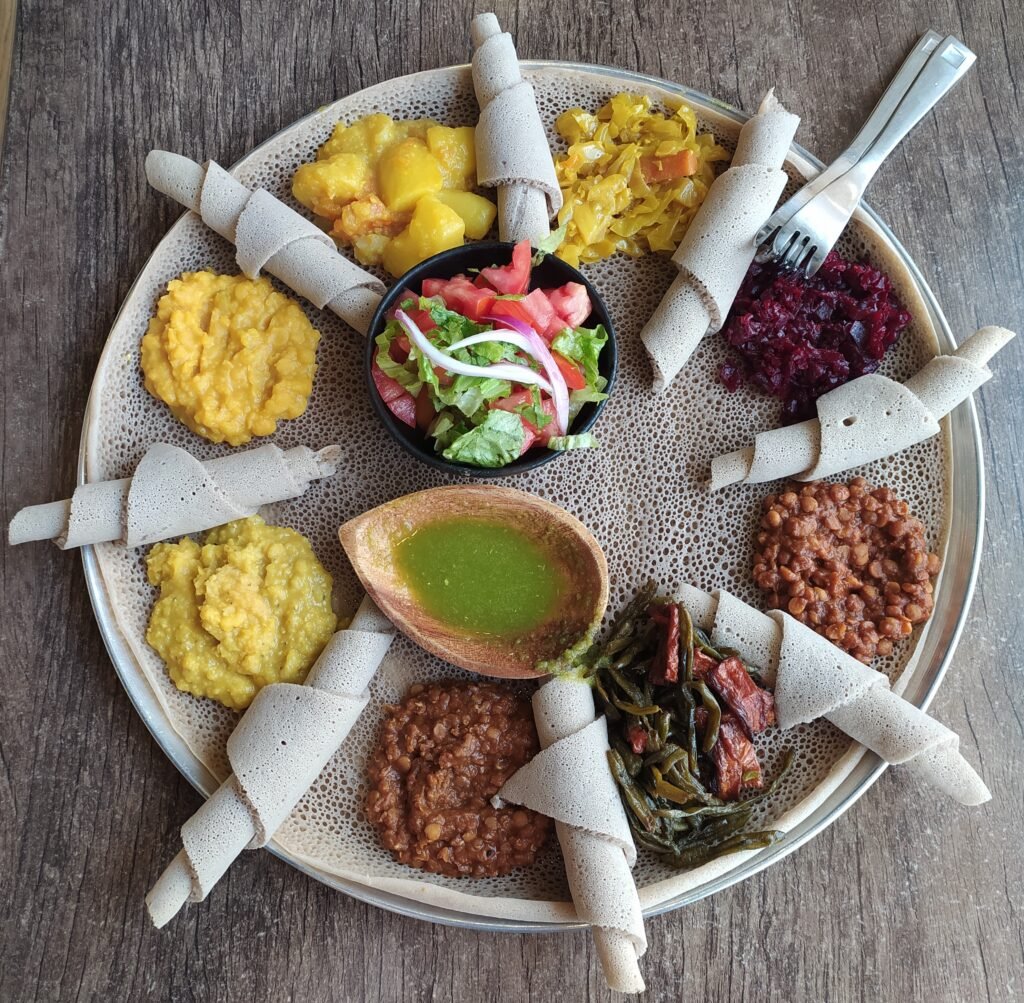
The cultural significance of injera extends beyond its status as food; it represents an integral part of Ethiopian identity and social interactions. This sourdough flatbread, traditionally made from teff flour, plays a pivotal role during communal meals, which are central to Ethiopian tradition. Sharing injera is more than a dining practice; it is a ritual that fosters connection among family and friends. During gatherings, it is common to find a large platter filled with various stews and vegetables placed in the center, with injera layered beneath the dishes. This arrangement not only showcases the food but also invites diners to partake in a shared experience.
Eating with hands is the norm in Ethiopian culture, and this practice is deeply intertwined with the communal aspect of meals. Diners tear pieces of injera and use them to scoop up stews, creating a sense of unity and engagement. In many households, it is customary for the host to serve guests by placing the food directly onto their injera, symbolizing hospitality and respect. Such etiquette underscores the importance of communal dining, where sharing injera becomes a symbolic act of togetherness.
Anecdotes from locals reveal the profound connection that injera fosters among individuals. One Ethiopian remarked, “When we gather around injera, we are not just sharing food; we are sharing our lives and stories.” This sentiment encapsulates the essence of dining in Ethiopia, where meals serve as a backdrop for family bonding and social discourse. The act of eating together not only nourishes the body but also strengthens relationships, making injera a cornerstone of Ethiopian heritage. Through this lens, injera transcends its culinary function, embodying the spirit of community and the rich cultural tapestry of Ethiopia.