

- The Origin of Mole
- The History of Mole: From Ancient Times to Modern Day
- The Meaning of Mole in Mexican Culture
- Exploring the Different Types of Mole
- Mole: An Explosive Flavor Explosion
- The Texture of Mole: A Culinary Experience
- Mole in Modern Cuisine
- How to Pair Mole with Food and Drink
- Conclusion: The Timeless Allure of Mole
The Origin of Mole
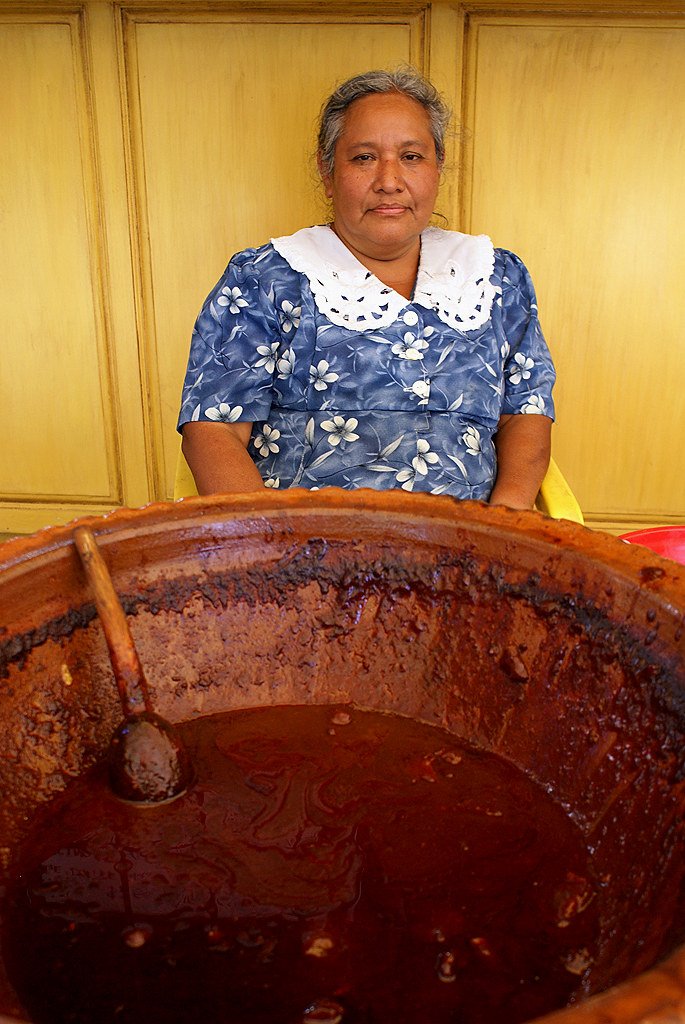
The culinary art of mole, a rich and complex sauce, has its origins deeply embedded in the history of pre-Columbian Mexico. Before the arrival of Spanish colonizers in the 16th century, indigenous peoples were already combining native ingredients to create flavorful sauces. These early versions of mole featured a blend of foods readily available in the region, such as chilies, nuts, seeds, and spices, forming a base that would evolve significantly over time.
Following the Spanish conquest, a transformative culinary fusion took place. European ingredients, including chocolate, cinnamon, and various meats, were introduced to the existing indigenous recipes. This integration not only diversified the flavor profiles of mole but also marked the beginning of a new era in Mexican cuisine. The combination of native foods with these new elements resulted in regional adaptations of mole that are still celebrated today. Each area of Mexico boasts its own unique interpretation, reflecting local ingredients, culinary traditions, and cultural nuances.
The History of Mole: From Ancient Times to Modern Day
The history of mole can be traced back to ancient Mesoamerican civilizations, where it held a sacred place in rituals and culinary practices. The ancient Aztecs, for instance, utilized a variety of ingredients to craft sauces resembling mole, which were often intricately prepared for ceremonial offerings and feasting. Central to these recipes were local ingredients such as chiles, spices, and the native chocolate, which was revered for its rich flavor and nutritional benefits. It is widely believed that mole was not just a dish, but a symbol of cultural identity and spirituality, signifying the connection between the people and the land they inhabited.
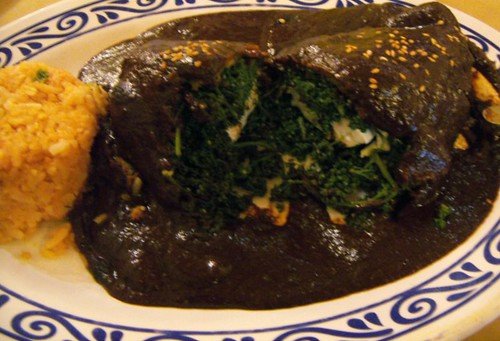
During the colonial period, the introduction of new ingredients by Spanish settlers, such as nuts, additional spices, and domesticated animals, transformed traditional mole recipes. The blending of Indigenous cooking techniques with Spanish culinary practices produced various regional mole styles, particularly in the Puebla and Oaxaca regions of Mexico. Mole poblano, often associated with celebrations, emerged as one of the most iconic variations, marrying chocolate with diverse ingredients to create a complex and harmonious flavor profile that reflects the rich cultural tapestry of Mexico.
In modern culinary practices, mole has evolved further, becoming emblematic of contemporary Mexican cuisine. Chefs today embrace this historical dish by experimenting with flavors while respecting traditional techniques. Various interpretations of mole can now be found across the world, often showcasing the dish’s ability to adapt to different cultural contexts while still maintaining its roots. The layered flavors and rich history of mole continue to inspire chefs and home cooks alike, ensuring that this ancient sauce remains relevant and celebrated in today’s culinary landscape.
The Meaning of Mole in Mexican Culture
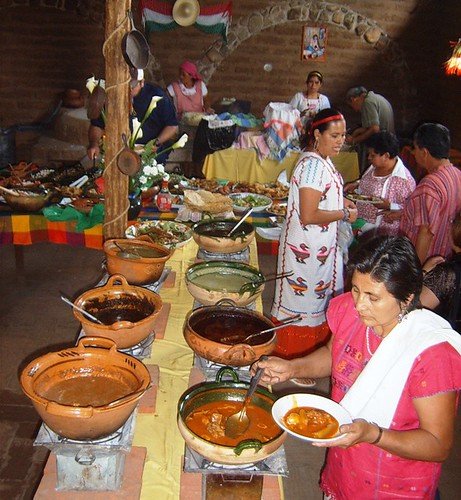
Mole is more than just a complex and flavorful sauce in Mexican cuisine; it represents a profound element of cultural identity and heritage. Serving as a culinary symbol, mole embodies the rich traditions and communal values that are integral to Mexican society. Typically prepared during significant festivities, family gatherings, and special occasions, this dish reflects the essence of togetherness and community celebration. It often graces the tables of weddings, birthdays, and religious events, underscoring its role as a centerpiece in social gatherings.
The preparation of mole is a communal activity, often involving families and friends coming together in the kitchen. This collaborative cooking process fosters connections among individuals, reinforcing bonds through shared labor and experiences. The intricate process of making mole, involving various ingredients like chiles, nuts, chocolate, and spices, symbolizes the fusion of diverse culinary influences present in Mexico’s history, highlighting a blend of indigenous and colonial elements. Each region of Mexico boasts its own variation, reflecting local tastes and traditions, which adds further depth to its cultural significance.
Mole also signifies the importance of hospitality and generosity in Mexican culture. When served to guests, it embodies a warm welcome and an expression of care and affection. The dish’s complexity and flavor profile serve as a metaphor for the deep relationships that individuals forge within their communities. Thus, mole transcends mere sustenance; it represents a tapestry of history, traditions, and familial connections that bind Mexican society together.
In conclusion, mole encapsulates the heart and soul of Mexican culture, serving as a testament to community, celebration, and heritage. Its presence during pivotal moments in people’s lives highlights its enduring role in fostering social cohesion and the shared joy of Mexican culinary traditions.
Exploring the Different Types of Mole
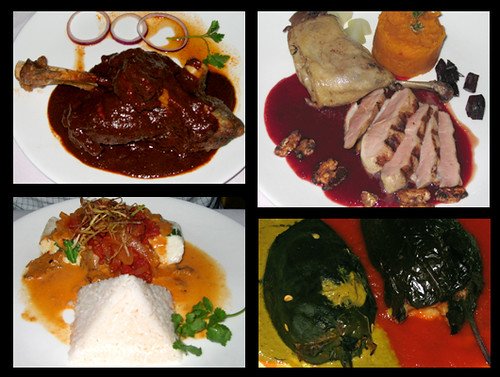
Mole, a quintessential sauce in Mexican cuisine, comes in numerous variations, each showcasing a unique blend of flavors and ingredients that reflect regional distinctions. Among the most renowned types of mole are Mole Poblano, Mole Verde, and Mole Negro, each contributing its own character to the culinary landscape.
Mole Poblano, perhaps the most famous variety, originates from Puebla. This exquisite sauce combines an array of dried chiles such as ancho and mulato with ingredients like chocolate, almonds, and spices. The rich, complex flavors derived from toasting the chiles and blending in nuts and seeds create a deep, dark sauce that is often served over turkey or chicken, highlighting its coexistence of sweetness, heat, and earthiness.
In contrast, Mole Verde is a lighter variant hailing from Oaxaca. This vibrant sauce is characterized by the use of fresh green ingredients, including tomatillos, cilantro, and green chiles. The preparation typically involves blending these elements with pumpkin seeds and spices, resulting in a piquant sauce that pairs beautifully with grilled meats and vegetables. Its fresh flavor profile is synonymous with the region’s agricultural abundance.
Mole Negro, also from Oaxaca, is distinguished by its rich, dark color and intense flavors. This type of mole features a blend of both dried and fresh chiles, spices, and unique ingredients such as plantains and raisins. The cooking process often involves multiple steps, where each component is toasted and then blended, resulting in a sauce that boasts a deep, multilayered taste profile. Mole Negro is commonly served with meats and is a celebration of Oaxacan culinary traditions.
These variations of mole not only illustrate the breadth of flavors and ingredients utilized across different regions but also reflect the cultural significance of mole as a dish that brings together families and communities during celebrations and gatherings.
Mole: An Explosive Flavor Explosion
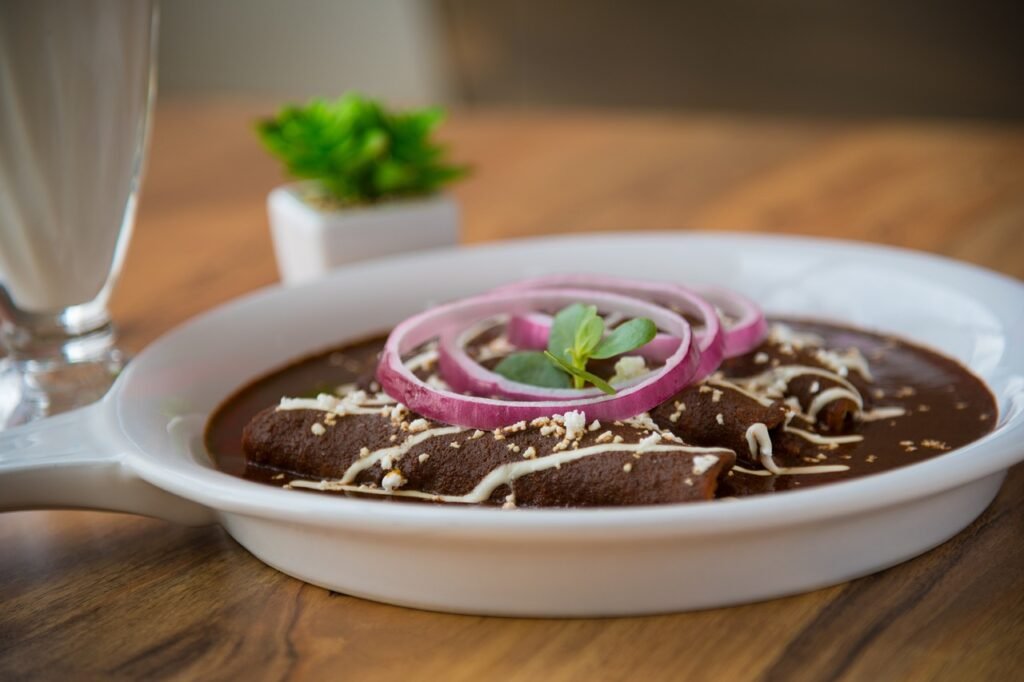
The taste profile of mole is often described as a harmonious blend of complexity and depth, which can be attributed to its rich combination of ingredients. Primarily recognized for its bold flavors, mole is a distinctive sauce that showcases a balance of sweet, savory, spicy, and earthy notes, making it a unique culinary experience. The primary elements contributing to this intricate flavor profile include different varieties of chili peppers, chocolate, various spices, and sometimes even seeds or nuts.
Chili peppers serve as the backbone of mole, offering varying degrees of heat and smokiness depending on the type used. Peppers such as poblano, ancho, and guajillo are common, each contributing distinct characteristics to the sauce. The heat from these peppers is often tempered by the introduction of chocolate, which adds an unexpected layer of richness and sweetness. This marriage of flavors not only enhances the sauce’s depth but also creates an intriguing contrast that captivates the palate.
Besides chocolate, the inclusion of aromatic spices such as cinnamon, cloves, and cumin further enriches mole’s flavor spectrum. These spices lend earthy tones and warmth, cultivating a sense of complexity that can be savored with each bite. Many traditional recipes also incorporate fruits like plantains or nuts, which can add additional sweet or creamy textures, enhancing the overall tasting experience.
The true magic of mole lies in its ability to marry these diverse flavor components into a coherent and balanced dish. It is a testament to the culinary artistry of its origins, where skillful blending and layering of ingredients create a sauce that is not only multifaceted but also profoundly satisfying. This delightful multiplicity of flavors is why mole continues to be celebrated worldwide, inviting food enthusiasts to explore its historical and cultural significance beyond just the taste.
The Texture of Mole: A Culinary Experience
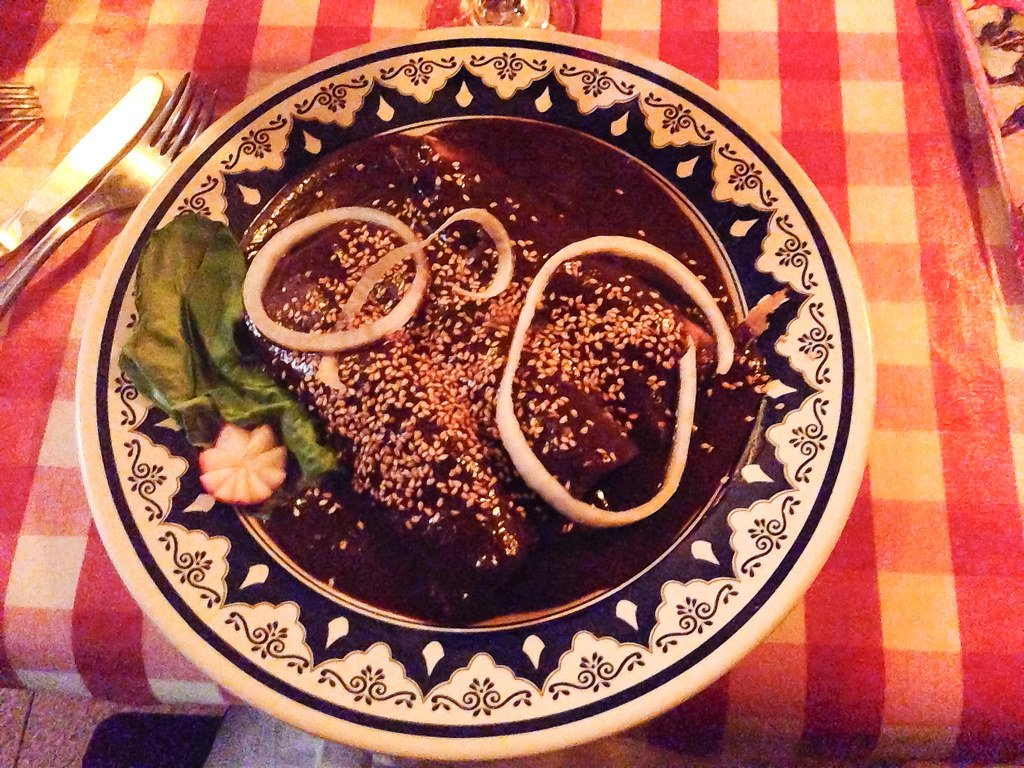
The texture of mole is a defining characteristic that elevates this traditional sauce beyond mere flavor. Rich and velvety, mole has a remarkable ability to coat a variety of dishes, creating a delightful experience on the palate. This luxurious consistency is achieved through a careful balance of ingredients and meticulous preparation methods, which includes blending and simmering techniques.
The process begins with the selection of the primary components, often including ingredients such as chiles, spices, nuts, and chocolate. Each element contributes unique qualities to the final texture. For instance, nuts like almonds or peanuts add a creamy thickness, while various chiles provide a certain body and depth. The blending stage is crucial; when these ingredients are ground together, they create a smooth paste, contributing to the overall velvety mouthfeel of the mole. A high-quality blender or food processor can assist in achieving the desired consistency, ensuring that the sauce is not grainy or chunky.
Subsequent simmering helps meld these flavors while allowing the sauce to thicken. The gentle heat during this stage allows the ingredients to break down further, which enhances both the richness and the creaminess of the mole. The addition of broth or water during simmering can adjust the thickness, providing cooks with the flexibility to tailor the sauce to their preferences. This balance is essential—too thin, and the mole will lack substance; too thick, and it may overpower the dish it accompanies.
Ultimately, the textural qualities of mole are what make it a beloved sauce across various cuisines. Whether it is drizzled over chicken, ladled onto enchiladas, or served alongside rice and beans, the rich, silky texture of mole provides a culinary experience that is profoundly satisfying and memorable. Such qualities not only enhance the overall flavor profile but also make every mouthful an enticing journey.
Mole in Modern Cuisine
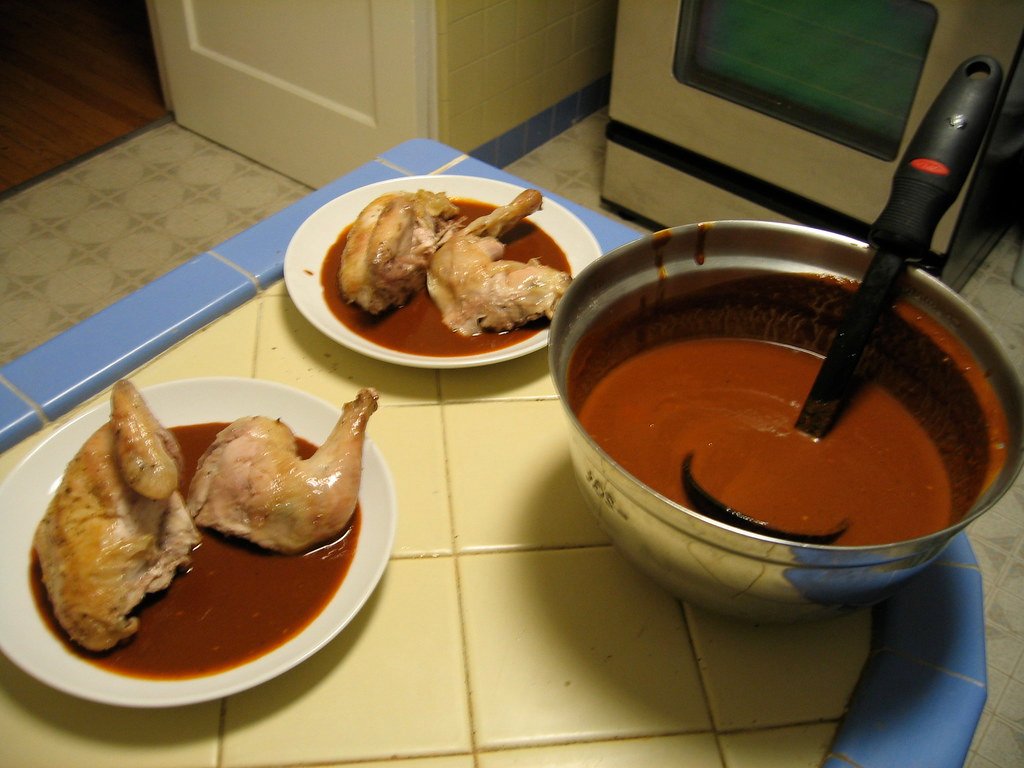
Mole, a complex sauce that embodies the culinary heritage of Mexico, has found its way into modern gastronomy, captivating palates across the globe. Contemporary chefs are reinterpreting this traditional sauce, integrating it into innovative fusion dishes that reflect a blend of diverse culinary influences. As a result, mole is no longer confined to traditional Mexican fare but has become a staple in upscale dining experiences worldwide.
Several culinary artists are at the forefront of this movement, skillfully incorporating mole into a variety of cuisines. For instance, in fine dining establishments, you might encounter mole-infused duck confit or mole-based marinades on exotic proteins like octopus, showcasing its versatility as a flavor enhancer. By melding mole with non-traditional ingredients, these chefs elevate the sauce, demonstrating its adaptability while maintaining respect for its origins.
Moreover, the growing appreciation for global flavors has led to an increasing visibility of mole within international culinary scenes. Chefs in countries outside Mexico are starting to experiment with mole, integrating it into their menus as they explore the possibilities of cross-cultural cooking. In places where culinary boundaries are constantly being redefined, mole has emerged as a way to connect with Mexican culture while offering unique gastronomic experiences. It serves as a bridge for diners looking to explore multi-faceted flavors that tell a story of history and tradition.
While mole traditionally serves as a companion to meats and vegetables, its utilization has expanded into desserts as well. Innovative pastry chefs are crafting mole chocolate truffles or mole-infused cakes, introducing an unexpected twist to dessert menus. This evolution showcases the sauce’s rich flavor profile, proving that mole can tantalize taste buds in any culinary context.
How to Pair Mole with Food and Drink
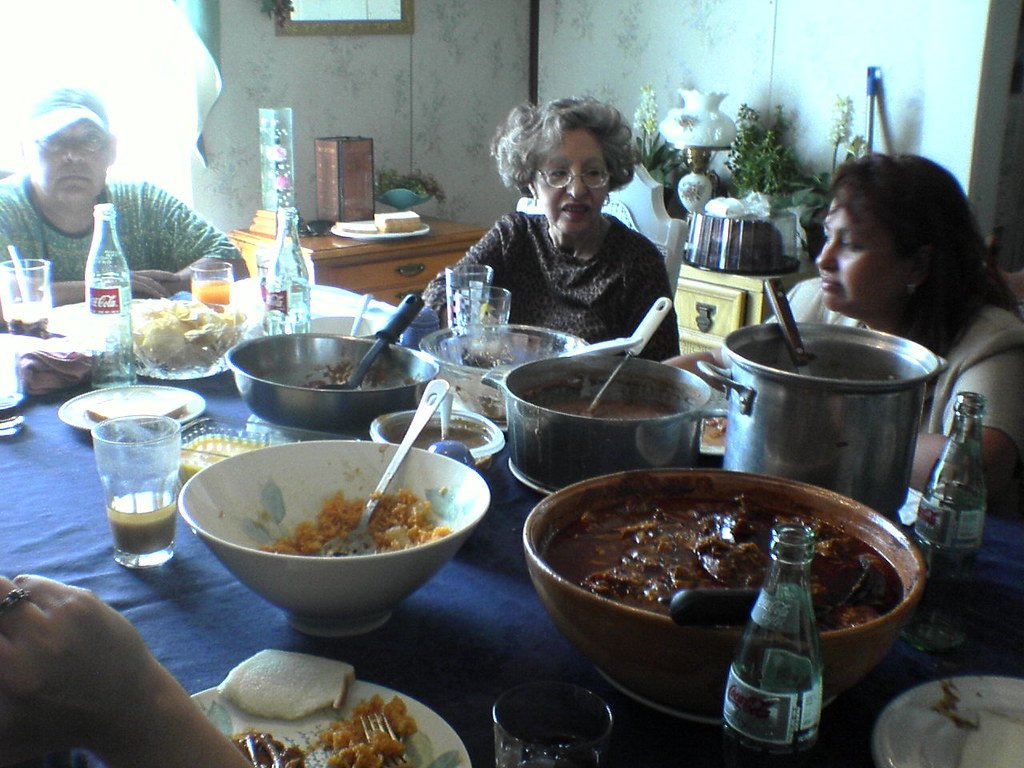
Pairing mole with food and drink can elevate the culinary experience, showcasing its complex flavors and rich history. Traditionally, mole is associated with various types of meat, particularly chicken, turkey, and pork. These pairings work exceptionally well, as the savory notes in the mole complement the protein’s natural flavors. Enchiladas filled with cheese or shredded meats also harmonize beautifully with mole, creating a satisfying dish that excites the palate.
For a more contemporary approach, consider pairing mole with grilled vegetables or tofu for a vegetarian twist. The complexity of mole can enhance the flavors of roasted vegetables, and the dish can be served alongside rice or quinoa for a complete meal. Fusion cuisine has popularized new pairings, such as using mole as a sauce for burgers or gourmet tacos, allowing for innovative culinary creations.
When it comes to beverages, wine selection should focus on complementing the mole’s depth. A full-bodied red wine such as a Zinfandel or a Malbec can match the sauce’s richness and complexity. Alternatively, a light-bodied white wine, such as a Sauvignon Blanc, offers a refreshing contrast, especially when paired with lighter dishes. For those who prefer cocktails, a margarita made with fresh lime juice and a hint of spice can enhance the experience, balancing the rich flavors of mole with its zesty components.
In addition to traditional and innovative pairings, don’t forget about non-alcoholic options. A well-crafted agua fresca or even a sparkling water infused with lime can cleanse the palate between bites, ensuring that the vibrant flavors of mole are properly appreciated. The key to successful pairing lies in finding balance and contrast, allowing the unique flavors of mole to shine.
Conclusion: The Timeless Allure of Mole
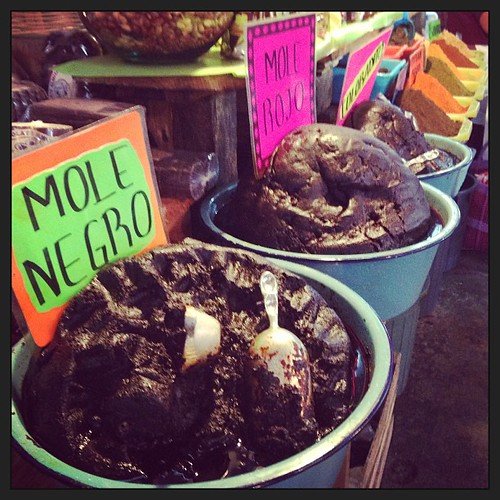
Throughout its storied history, mole has emerged as a dish that transcends mere sustenance. Originating from ancient Mexico, this complex sauce has evolved into a symbol of cultural identity and expression. Mole represents not just a blend of ingredients but a fusion of traditions that reflect the diverse influences on Mexican cuisine. It is a dish that evokes deep emotions and memories for those who consume it, often serving as a centerpiece during celebrations and family gatherings.
The enduring popularity of mole can be attributed to its remarkable versatility. With variants that range from the well-known mole poblano to the lesser-known mole verde and negro, each recipe is a testament to regional flavors and local ingredients. This adaptability allows mole to resonate with a variety of palates, making it cherished by both locals and international food enthusiast alike. The heart of mole lies in its ability to bring people together, fostering connections that go beyond the boundaries of taste.
Moreover, mole’s significance extends into the realm of Mexican heritage, embodying the craftsmanship of generations of cooks who have perfected the art of mole-making. This sauce is often prepared with care, with many families possessing heirloom recipes passed down through time. As it continues to gain recognition on the global stage, mole remains a heartfelt representation of Mexico’s culinary prowess, celebrated for both its rich flavors and cultural narrative.
In conclusion, mole is more than just a dish; it is a culinary journey that encapsulates the history, culture, and pride of Mexico. Its timeless allure lies in its intricate flavors and the stories it tells, forging an enduring bond between past and present, as well as between those who enjoy it across the world. As the appreciation for mole grows, so too does the acknowledgment of its significance in the broader tapestry of global gastronomy.