
- The Origins of Moussaka
- Cultural Significance of Moussaka
- Unique Flavors that Define Moussaka
- Textures That Create a Culinary Experience
- The Visual Appeal of Moussaka
- Plating Techniques for Moussaka
- The Global Adaptations of Moussaka
- Pairing Suggestions for Moussaka
- Final Thoughts: The Enduring Legacy of Moussaka
The Origins of Moussaka
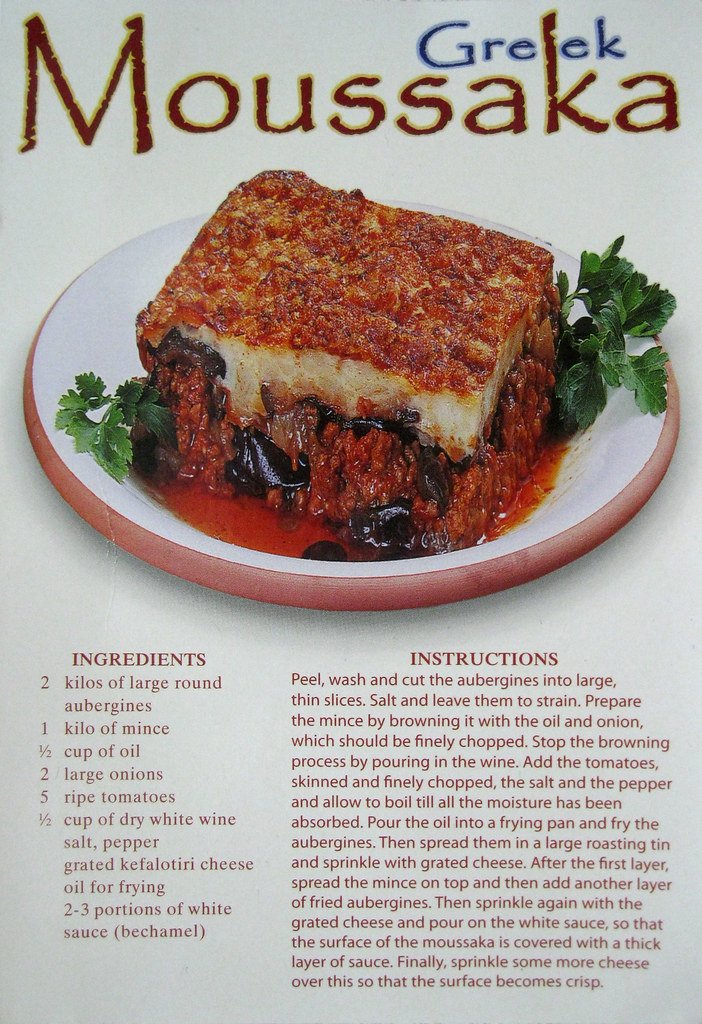
Moussaka is a dish that boasts a rich and diverse history, tracing its origins back to the Middle East. The earliest known references to a similar dish can be found in Arabic cookbooks, with the name “musaqqa’a” reflecting the careful layering of ingredients. This initial version primarily consisted of eggplant and a combination of spices, reflecting the influences of the region’s agricultural bounty. As the dish traveled westward over centuries, it adapted to the local tastes and available ingredients of various cultures.
As moussaka made its way to the Mediterranean, it underwent significant transformations. By the time it reached Greece, the dish incorporated ground meat, commonly lamb or beef, layered with roasted vegetables and topped with a creamy béchamel sauce. This adaptation became widely celebrated as a fundamental aspect of Greek cuisine, evolving further to encapsulate the essence of the region’s culinary traditions. Different areas of Greece and neighboring countries introduced their unique twists, integrating local flavors and ingredients into their versions of moussaka.
In Turkey, for example, a variant known as “musakka” emerged, which is often devoid of the béchamel topping and instead features a focus on spiced meat and vegetables, showcasing a different approach to the dish while retaining the core concept of layering. Other Mediterranean locales, such as Egypt and the Levant, also embraced their takes on moussaka, producing dishes that highlight the versatility of eggplant and regional spice profiles, demonstrating the dish’s remarkable adaptability across cultures.
Today, moussaka stands as a testament to the culinary exchanges that occur throughout history, celebrating its evolution while remaining a beloved dish in various global cuisines. The journey of moussaka from the Middle East to its current status reveals not only the historical pathways of food but also the enduring appeal of this timeless dish.
Cultural Significance of Moussaka
Moussaka, a beloved dish primarily associated with the Mediterranean region, especially Greece, holds a depth of cultural significance that transcends its culinary attributes. In various Mediterranean countries, moussaka is not merely a meal; it embodies hospitality, family bonding, and tradition. This rich casserole, composed of layered eggplants, spiced meat, and creamy béchamel sauce, is often the centerpiece at family gatherings and special occasions. It stands as a testament to the warmth and generosity typical of Mediterranean cultures.
In Greece, moussaka serves as a staple during festive celebrations, such as weddings, holidays, and communal feasts. Its preparation is often a family affair, where generations come together to craft their cherished recipes, passing down knowledge and lore alongside culinary skills. This communal approach highlights how moussaka fosters relationships and strengthens the bonds of community. When served to guests, it signifies not only nourishment but also an invitation to share in the joy of the occasion.
The dish’s presence in literature and art further underscores its cultural significance. Moussaka frequently appears in various Mediterranean literary works, symbolizing comfort and nostalgia. It evokes imagery of warm kitchens and familial love, creating an emotional connection for readers. Artists and playwrights have also drawn inspiration from the communal aspects of this dish, reinforcing the idea that food plays a pivotal role in storytelling and cultural identity.
Ultimately, moussaka is more than a culinary delight; it represents the rich heritage and shared experiences of the Mediterranean people. Its preparation brings families and friends together, illustrating the essence of hospitality that defines Mediterranean culture. This timeless dish remains an integral part of celebrations and daily life, reflecting the enduring spirit and warmth of its origins.
Unique Flavors that Define Moussaka
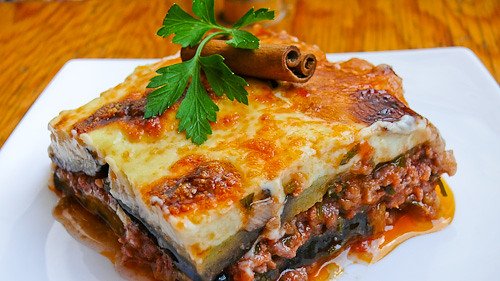
Moussaka is a dish that embodies a harmonious blend of flavors, creating a culinary experience that is both comforting and complex. At its core, moussaka typically features layers of eggplant, ground meat—often lamb or beef—and a rich béchamel sauce, each ingredient playing a pivotal role in defining its unique taste. The eggplant contributes a savory depth, often enhanced through grilling or frying, which imparts a slight smokiness and a velvety texture that contrasts beautifully with the savory filling.
The ground meat is seasoned with an array of spices such as cinnamon, allspice, and nutmeg, which not only contribute warmth but also a hint of sweetness that balances the dish. Garlic and onions are commonly incorporated, adding aromatic qualities that elevate the overall profile. These ingredients come together to create a rich, savory filling that lies beneath the creamy layer of béchamel sauce.
The béchamel sauce, typically made with butter, flour, and milk, is further enriched with eggs and cheese, leading to a decadent topping that encases the dish. This creamy layer melds with the underlying meat and vegetables, adding a luxurious mouthfeel and further enhancing the flavorful experience. The subtle seasoning of nutmeg or even a hint of lemon zest in the béchamel can add brightness, cutting through the richness and adding complexity.
Herbs such as parsley and oregano may also be sprinkled throughout the dish, providing freshness and aromatic elements that make each bite enjoyable. Together, these ingredients create a layered taste experience, where the nuances of flavor can be appreciated with each forkful. From its savory meat filling to the creamy béchamel and comforting eggplant, moussaka offers a symphony of tastes that reflects its rich cultural heritage while remaining a delightful comfort food for many.
Textures That Create a Culinary Experience

One of the most captivating aspects of moussaka is the harmonious interplay of textures that elevates this classic dish into an unparalleled culinary experience. At the heart of moussaka lies the creamy béchamel sauce, which serves as a luxurious topping that envelops the dish in a velvety embrace. This sauce, made from butter, flour, and milk, introduces a rich and smooth texture that contrasts beautifully with the other components of the dish. When baked to perfection, the béchamel develops a light golden crust, offering both visual appeal and a slight crispness that enhances each bite.
Additionally, the tender slices of eggplant play a crucial role in the textural profile of moussaka. Cooked until just soft, the eggplant incorporates a subtle creaminess, which adds to the dish’s overall indulgent composition. It absorbs the savory flavors from the meat sauce, which consists of minced meat, tomatoes, and spices, further contributing to the dish’s sensory complexity. The meat sauce itself introduces a hearty and robust texture; its thick consistency ensures a satisfying mouthfeel that complements the delicate béchamel and soft vegetables.
The combination of these textures not only creates a multi-layered experience for the palate but also elevates the monotony often found in single-textured dishes. Each forkful of moussaka presents an intricate layering of flavors and sensations, inviting diners to engage fully with their meal. The crispy béchamel contrasts with the smooth eggplant, while the robust meat sauce adds depth, resulting in a truly engaging dining experience. Ultimately, the textural contrasts present in moussaka are fundamental to its status as a beloved dish, showcasing the intricate balance between tenderness and richness that defines this timeless culinary creation.
The Visual Appeal of Moussaka
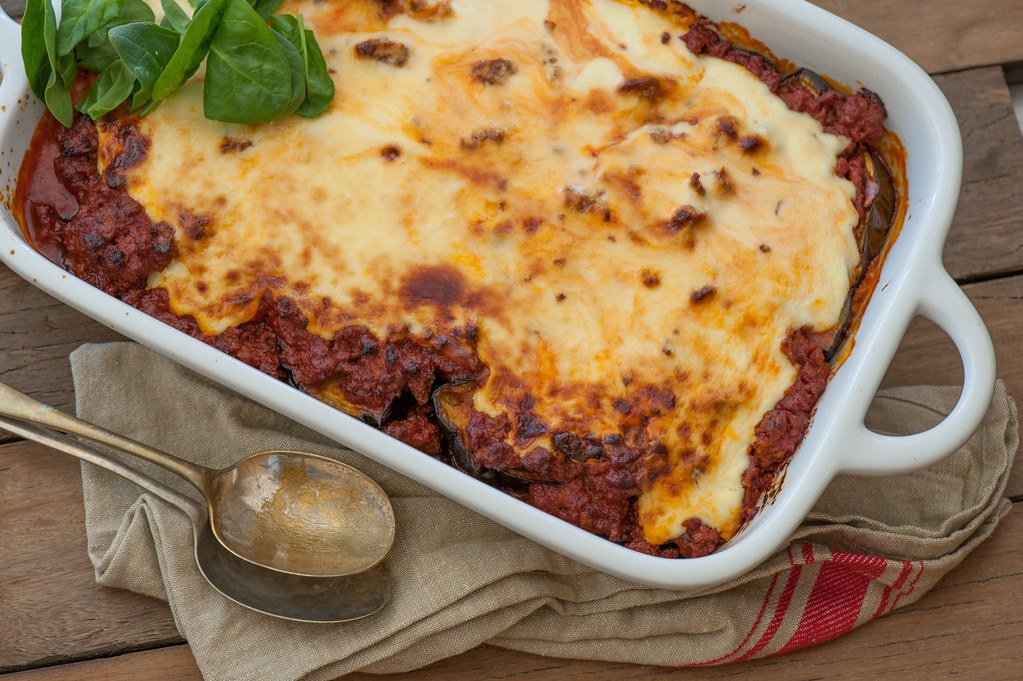
Moussaka is not only a dish that tantalizes the taste buds but also one that captivates the eyes. The meticulous layering of its ingredients creates a visually striking presentation that enhances the overall dining experience. Traditionally, moussaka consists of layers comprising sautéed eggplant or potatoes, seasoned ground meat, and a rich tomato sauce, all finished with a creamy béchamel topping. The interplay of colors from the vibrant vegetables to the rich, hearty meat provides a feast for the eyes.
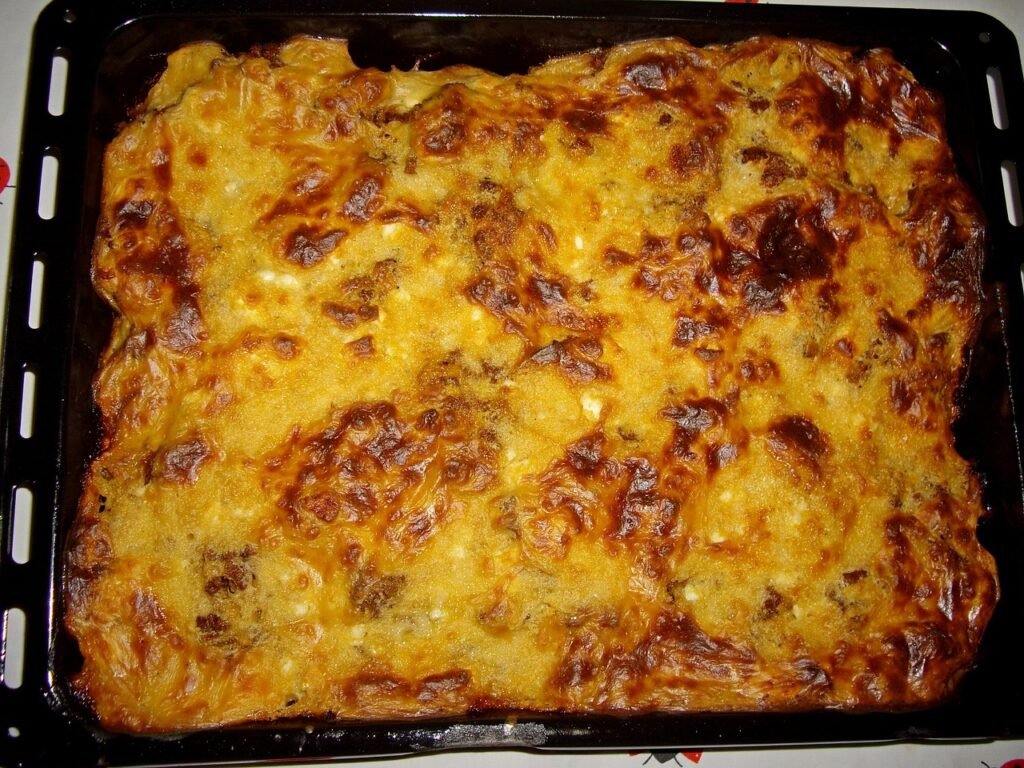
The golden-brown crust formed by the béchamel sauce is particularly noteworthy. This luscious topping, made from a blend of flour, milk, butter, and eggs, is spread generously over the layers before baking. As moussaka cooks, the béchamel transforms into a velvety, inviting layer that not only serves a protective function but also adds depth to the visual aesthetics of the dish. The browning of the béchamel generates an appealing contrast against the moister layers beneath, inviting diners to indulge in what appears to be a comforting yet sophisticated meal.
Presentation plays a pivotal role in the appreciation of moussaka as a culinary art form. The arrangement of the dish in a baking dish or on a serving platter provides opportunities for creative plating. For instance, garnishing with fresh herbs or a light drizzle of olive oil can enhance its allure further, making it visually appealing while elevating the dining experience. The visual aspects of moussaka are essential in stimulating the appetite; a beautifully presented dish often leads to greater anticipation and enjoyment of the meal. In this way, moussaka exemplifies how thoughtful presentation can elevate the perception of comfort food into a culinary masterpiece.
Plating Techniques for Moussaka
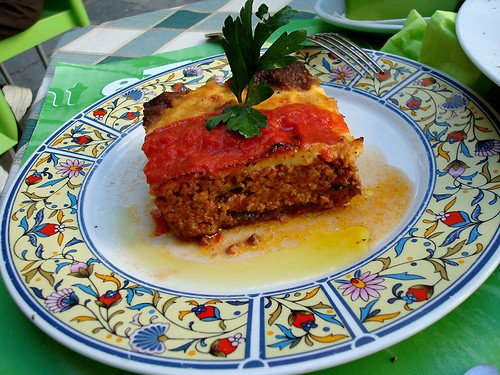
Presentation plays a critical role in elevating the dining experience, especially for a dish as rich and multifaceted as moussaka. To properly showcase this timeless recipe, one should consider various plating techniques that highlight its layered structure and vibrant ingredients. The right choice of plate can transform not only the appearance of the dish but also the overall perception by diners. Opt for a wide, shallow plate that allows the moussaka to be the focal point, creating ample space around it for garnishing and enhancing visual appeal.
When serving moussaka, the cutting technique is equally important. Use a sharp knife to ensure clean slices, allowing the contrasting layers—such as the creamy béchamel, spiced meat filling, and tender eggplant—to be visible. This not only adds to the dish’s aesthetic but also invites diners to appreciate the care taken in its preparation. To further complement the moussaka, consider creating an artistic presentation on the plate. A spoonful of rich tomato sauce can be drizzled artistically beside the moussaka, introducing a vibrant red hue that contrasts beautifully against the golden brown top. Additionally, a sprinkle of freshly chopped parsley or mint can add a bright touch, both visually and in flavor.
For those looking to serve moussaka as part of a larger meal, consider incorporating side dishes that pair well with this classic dish. A simple green salad with a lemon vinaigrette can bring a refreshing balance to the richness of the moussaka. Lastly, do not underestimate the impact of presentation on the overall dining experience; use elegant cutlery and linens to enhance the ambiance, making the meal feel special. By employing these plating techniques, both home cooks and chefs can delight the senses, making moussaka not only delicious but also a feast for the eyes.
The Global Adaptations of Moussaka
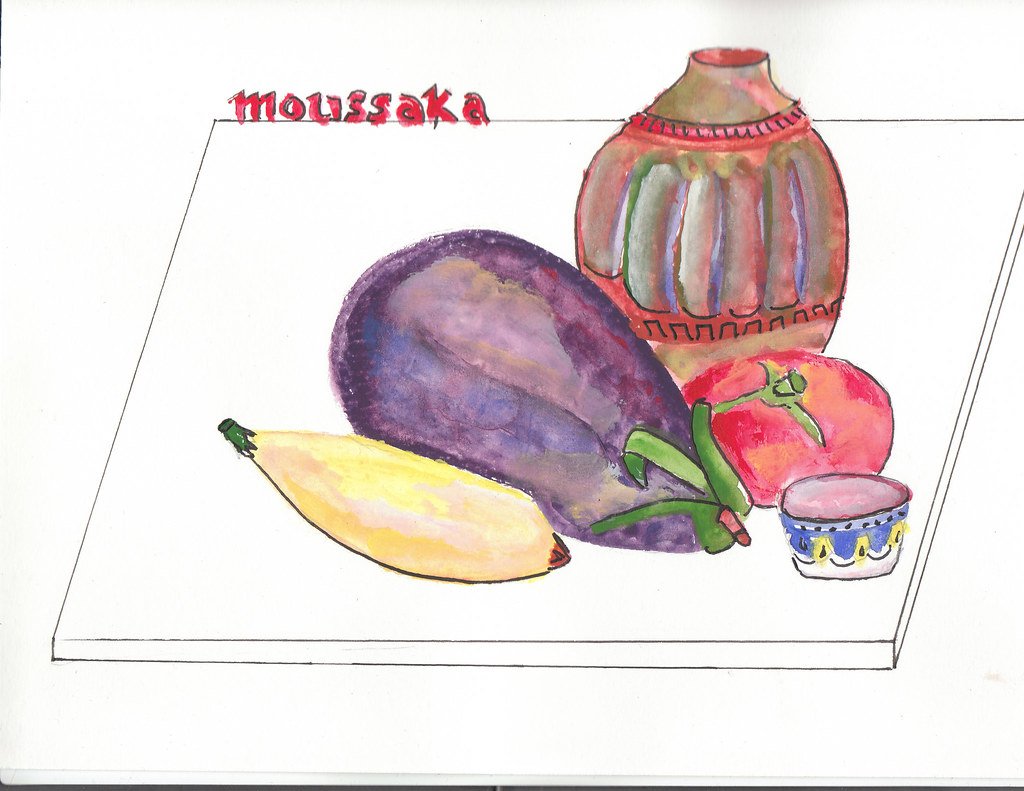
Moussaka, a dish originally rooted in the Mediterranean, has garnered international popularity, leading to a variety of adaptations that reflect local tastes and ingredients. While the classic Greek version features layers of eggplant, minced meat, and a creamy béchamel sauce, different countries have made their own unique contributions to this timeless dish. Each adaptation often incorporates indigenous ingredients that highlight regional flavors and culinary traditions.
For instance, in the Middle East, moussaka often becomes a vegetarian dish, incorporating chickpeas or lentils and spiced with aromatic herbs such as cumin and coriander. This variation not only emphasizes local dietary preferences but also showcases the rich history of Middle Eastern cuisine. Similarly, in the Balkans, variations may use potatoes or zucchini in place of eggplant, illustrating local agricultural practices and tastes. Such adaptations lend a distinct character to each region’s version while retaining the essence of moussaka.
In countries like Turkey, the dish takes on a slightly different form known as ‘musakka.’ It typically features ground lamb or beef stewed with tomatoes and layered with vegetables, creating a heartier meal. The transformation of cooking methods alongside ingredient substitutions signifies broader culinary trends and patterns. Furthermore, moussaka is not limited to savory renditions; some regions have even developed sweet versions, integrating fruits and spices, thus expanding its appeal to a wider audience.
Ultimately, the global adaptations of moussaka demonstrate its versatility and the ability to resonate with different cultures. By blending local flavors and cooking techniques, moussaka continues to evolve, reflecting a melding of culinary traditions while honoring its heritage. This dish embodies not just a meal, but also a rich framework for cross-cultural exchange and adaptation.
Pairing Suggestions for Moussaka

Moussaka, a beloved dish originating from the Mediterranean region, is not just about its rich flavors and textures; it also lends itself beautifully to a variety of beverages and side dishes that enhance the dining experience. When it comes to beverage pairings, wine is the most popular choice. Opting for a quality Greek wine can significantly elevate the meal. A full-bodied red wine, such as Xinomavro or Agiorgitiko, offers a perfect balance with the layers of flavors in moussaka. Their robust profiles complement the richness of the dish without overpowering it. For those who prefer white wine, an Assyrtiko would serve as an excellent contrast with its crisp acidity, cutting through the creamy béchamel layer while enhancing the overall experience.
In addition to wine, beer enthusiasts might consider pairing moussaka with a light lager or a wheat beer, as these options provide a refreshing counterbalance to the dish’s hearty character. These beverages allow the rich flavors to come forward without being overly heavy. Craft beer can also introduce intriguing flavor profiles that may complement the spices used in the moussaka, creating a delightful harmony of tastes.
Regarding side dishes, serving moussaka with a simple Greek salad can offer a refreshing contrast to the dish’s richness. The crunchiness of fresh cucumbers and the acidity of tomatoes, along with a drizzle of olive oil and a sprinkle of feta cheese, provide an excellent counterpoint to the velvety texture of moussaka. Additionally, a side of tzatziki enhances the meal with its cool, creamy yogurt base, bringing a noteworthy freshness to each bite.
For those who prefer a heartier accompaniment, consider offering roasted vegetables or a light grain, such as quinoa or farro, to add extra textures and flavors. These pairings allow diners to fully appreciate the unique character of moussaka while enhancing the overall meal experience.
Final Thoughts: The Enduring Legacy of Moussaka
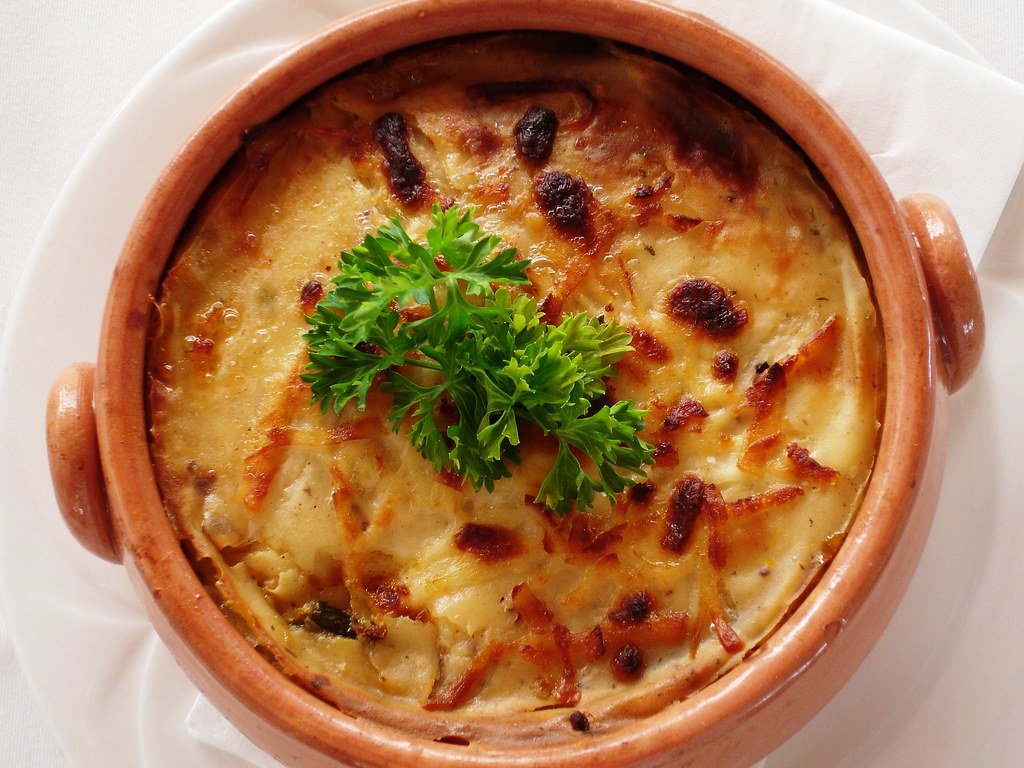
Moussaka, a dish that transcends geographical boundaries, offers a glimpse into the rich tapestry of Mediterranean culinary traditions. Originating from the Ottoman Empire, this baked casserole combines layers of eggplant, minced meat, and creamy béchamel sauce, establishing itself as a staple in various cultures, particularly Greek, Middle Eastern, and Balkan. The enduring popularity of moussaka can be attributed to its comforting flavors and the versatility with which it can be adapted to accommodate various dietary preferences. Vegetarian and even vegan adaptations have emerged, ensuring that moussaka remains relevant in contemporary dining while still retaining its roots.
The significance of moussaka extends beyond its delectable taste. It has carved out a prominent place in culinary history, symbolizing the shared heritage of a region known for its diverse and rich flavors. In many households, moussaka represents family gatherings and cultural celebrations. This dish goes beyond mere sustenance; it embodies tradition and community. As food trends evolve, moussaka has maintained its appeal by finding a place on modern menus alongside innovative presentations that respect its storied past.
As we look to the future, moussaka’s legacy is poised to endure. Chefs around the world continue to experiment with this classic dish, revitalizing it for new generations of diners. The fundamental principles of layering and rich flavors allow for endless creativity while keeping the essence of moussaka intact. As global palates embrace more international cuisines, moussaka stands out as a beloved culinary masterpiece, ensuring its place in both traditional and contemporary kitchens for years to come. The fusion of tradition and innovation ensures that moussaka will not only endure but also thrive in the ever-evolving landscape of dining.