
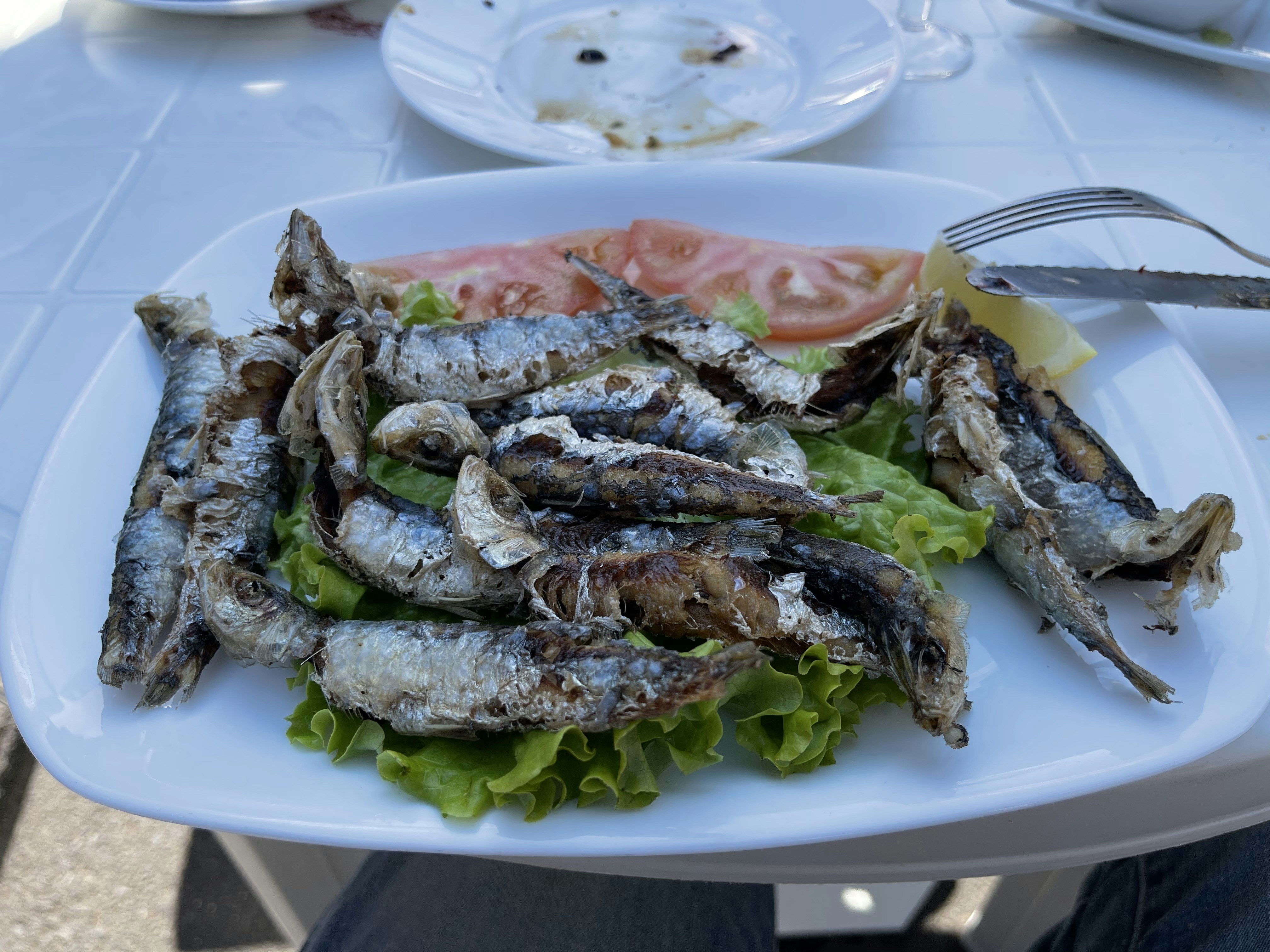
- Introduction to Sardinhas Assadas
- Historical Origins of Sardinhas Assadas
- Cultural Significance in Portugal
- Unique Flavors and Textures
- Visual Appeal and Plating Styles
- Cooking Techniques and Regional Variations
- Pairing Sardinhas Assadas with Beverages
- Sardinhas Assadas Around the World
- Conclusion: The Enduring Popularity of Sardinhas Assadas
Introduction to Sardinhas Assadas
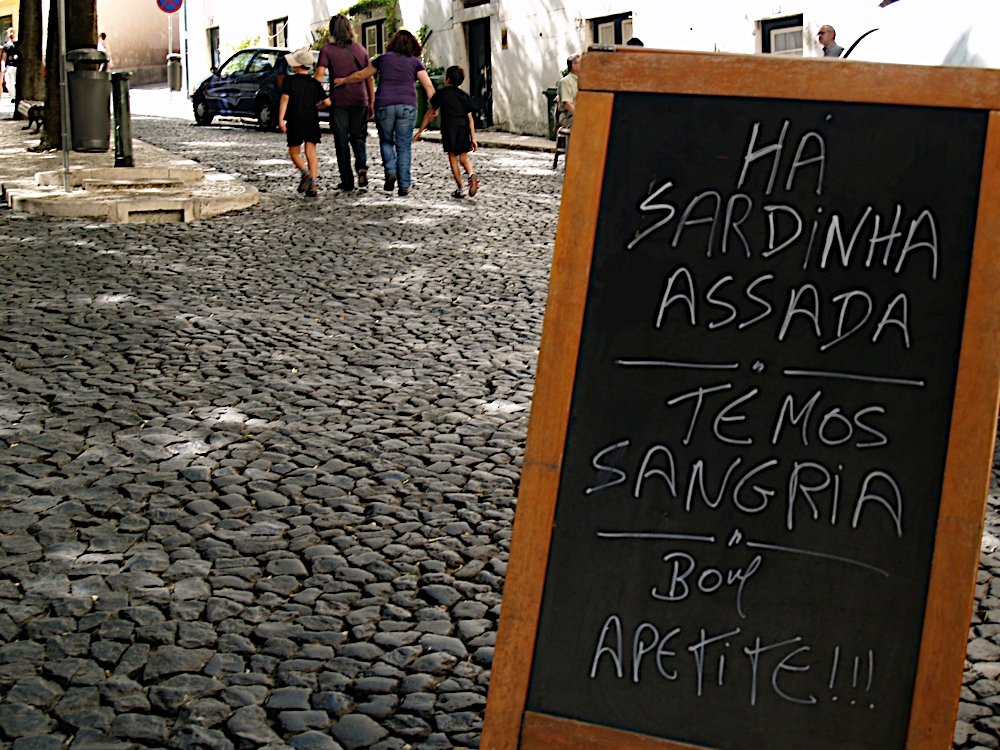
Sardinhas assadas, translated as grilled sardines, are a quintessential dish in Portuguese cuisine, celebrated for their simplicity and flavor. This traditional preparation involves marinating fresh sardines with essential ingredients such as olive oil, garlic, salt, and fresh herbs, which enhance their natural taste. These small fish are then cooked over an open flame or charcoal grill, imparting a distinctive smokiness that complements their rich, oily texture. Grilled sardines are not only a popular choice for locals but also attract numerous tourists seeking authentic culinary experiences in Portugal.
The significance of sardinhas assadas extends beyond mere sustenance; they embody the cultural heritage and culinary traditions of coastal communities in Portugal. Frequently enjoyed during summer festivals, social gatherings, and family barbecues, these sardines symbolize togetherness and celebration. The dish is especially prominent during the Feast of St. Anthony in Lisbon, where grillers set up stalls, filling the streets with the irresistible aroma of freshly cooked sardines, attracting both residents and visitors alike.
In summary, sardinhas assadas are much more than just a meal; they represent a vital aspect of Portuguese culture that has been preserved through generations. As we delve deeper into the nuances surrounding this beloved dish, it will become clear why sardinhas assadas hold a special place in the hearts and palates of those who savor them.
Historical Origins of Sardinhas Assadas

The dish known as sardinhas assadas, or grilled sardines, boasts a rich history deeply rooted in the coastal regions of Portugal. This traditional culinary practice can be traced back to the early fishing communities that line the Atlantic coast. Sardines, specifically the European sardine or Sardina pilchardus, have long been a prominent feature of Portuguese maritime culture, owing to their abundance and the nutritional value they provide.
Historically, these small fish were often caught using relatively simple fishing methods, such as nets and lines, reflecting the artisanal fishing practices prevalent in the past. During the summer months, local fishermen would partake in sardine fishing, which not only provided sustenance for their families but also became a significant source of income. As communities began to flourish, sardinhas assadas transitioned from being a basic food item into a celebrated dish enjoyed during traditional festivities.
As the years progressed, sardinhas assadas continued to be a beloved dish not only within Portugal but also among the diaspora worldwide. Their ability to evoke nostalgia and their significance in cultural celebrations showcase how this traditional food has been interwoven into the fabric of Portuguese identity. The evolution of sardinhas assadas reflects not only changes in culinary practices but also the enduring connection to the sea and the communities that rely on it.
Cultural Significance in Portugal

The dish of sardinhas assadas holds a revered place in Portuguese culture, particularly during festive occasions such as the feast of Santo António, which is celebrated every June in Lisbon. During this time, the streets come alive with vibrant festivities, and the aroma of grilled sardines wafts through the air, drawing both locals and tourists toward long communal tables adorned with traditional décor. This culinary delight represents a cherished tradition that goes beyond mere sustenance; it embodies the spirit of community and celebration inherent in Portuguese society.
Sardinhas assadas are not only a popular dish; they serve as a symbol of Portuguese identity and resilience. The preparation and consumption of grilled sardines often become a communal activity, bringing families and friends together to share in the joy of food and companionship. The act of grilling sardines, often done over open flames or charcoal, fosters an atmosphere of camaraderie as people gather around, sharing stories, laughter, and memories while enjoying the succulent fish and accompanying sides such as bread, salads, and wine.
Local anecdotes abound, showcasing the deep connection between the Portuguese people and sardinhas assadas. For many, the taste of this dish evokes nostalgia, reminding them of childhood experiences during summer festivals or holiday gatherings. Elders often recount tales of how these simple yet flavorful fishes have been a staple in their lives, symbolizing not just nourishment but also the resilience of a culture that has thrived along the coast for centuries. Thus, sardinhas assadas transcend mere culinary enjoyment, encapsulating the values of togetherness, cultural heritage, and the rich history of Portugal.
Unique Flavors and Textures
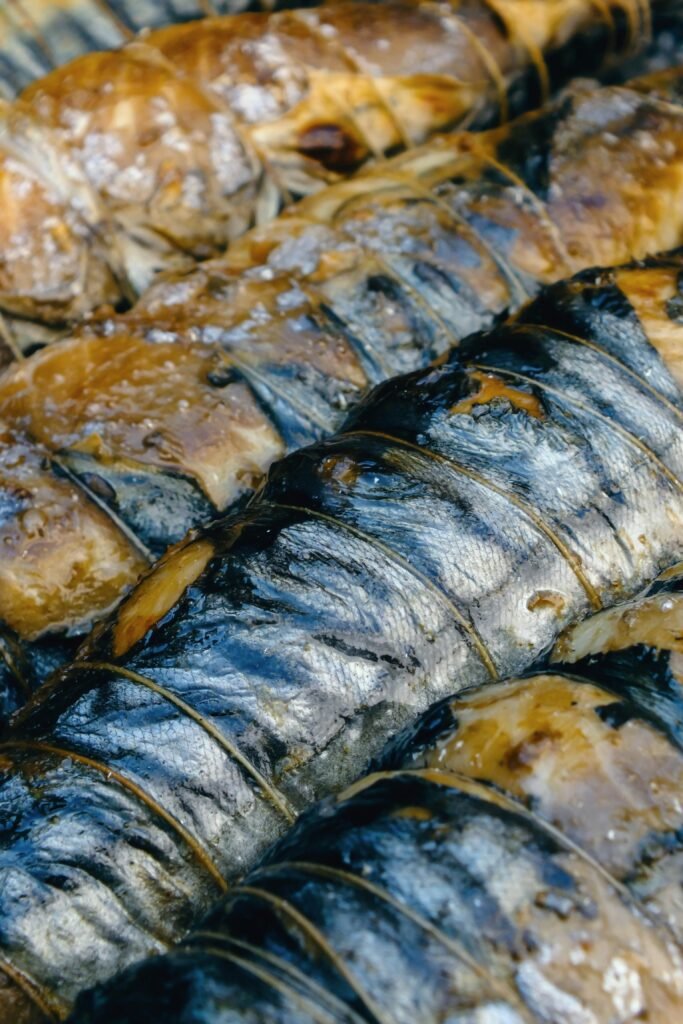
Sardinhas assadas, or grilled sardines, offer a remarkable culinary experience that is characterized by their unique flavors and textures. The cooking process plays a crucial role in bringing out the rich, inherent tastes of the fish. Traditionally prepared over an open flame, the grilling imparts a smoky char that complements the natural oiliness of sardines, elevating their flavor profile to new heights. The skin crisps up beautifully, providing a satisfying contrast to the tender, flaky flesh inside.
The seasoning techniques used for sardinhas assadas are pivotal in enhancing the overall taste. A simple sprinkling of sea salt and a drizzle of high-quality olive oil are often sufficient to accentuate the fish’s natural flavors. However, regional variations exist where local herbs, spices, and marinades may be incorporated, offering an array of flavor combinations. The use of Mediterranean herbs such as thyme, rosemary, and parsley, often accompanies sardines, infusing them with additional aromatic notes that elevate the dish.
Freshness is another critical element influencing the taste of sardinhas assadas. The ideal sardines are caught and cooked within hours, ensuring that their delicate flavors remain intact. Fresh sardines present a clean, briny taste that is synonymous with coastal cuisine. When paired with classic accompaniments like lemon wedges or a side of grilled vegetables, the diner’s experience is significantly enriched. Additionally, crusty bread or a light salad can provide a delightful contrast in texture and help balance the richness of the fish.
Incorporating all these factors—the cooking process, seasoning, freshness, and accompaniments—results in a harmonious blend of flavors and textures, making sardinhas assadas a celebrated dish among seafood enthusiasts.
Visual Appeal and Plating Styles
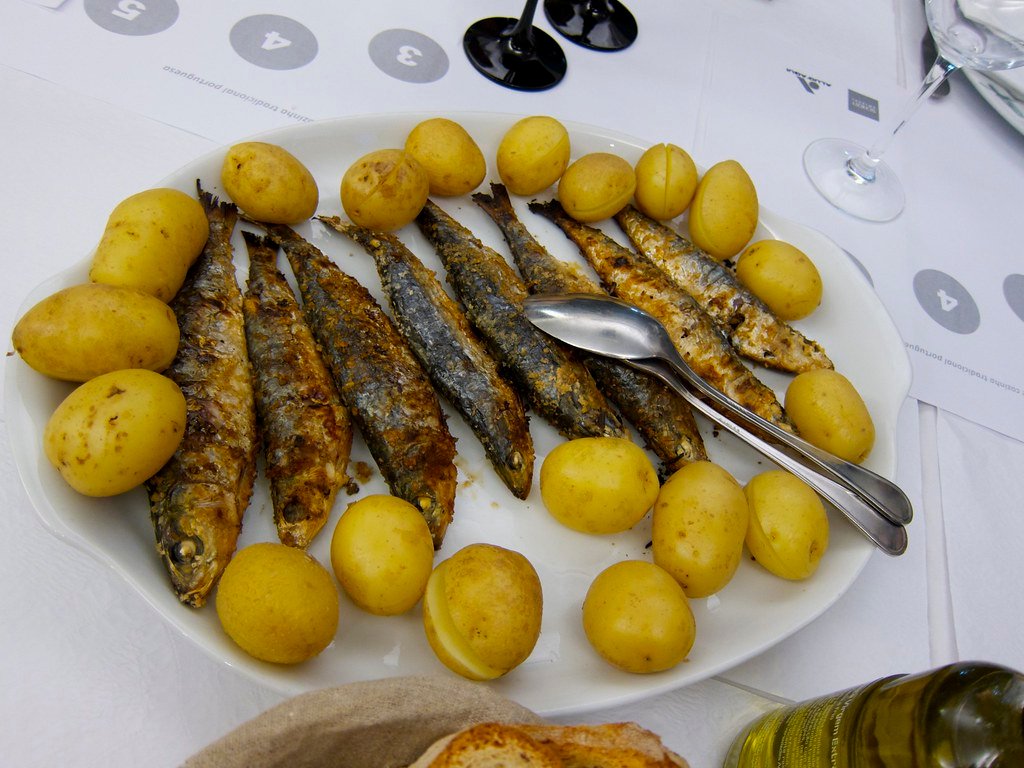
The visual appeal of sardinhas assadas, or grilled sardines, plays a significant role in its presentation and overall dining experience. Traditionally, the dish is served in a manner that emphasizes both its rustic origins and the vibrant colors inherent to the ingredients used. The sardines themselves are often heroically displayed, glistening after being grilled to perfection, with the skin crisped and revealing a warm, inviting interior.
Plating styles for sardinhas assadas are usually simple yet elegant, highlighting the natural beauty of the fish. It is common to serve them on a large platter, allowing the sardines to be the centerpiece of the dish. Surrounding the fish with vibrant vegetables, such as grilled bell peppers, roasted tomatoes, or a medley of seasonal greens, adds an artistic flair that enhances the visual experience. The bright colors of these accompaniments not only create a striking contrast against the golden-brown sardines but also contribute to the overall flavor profile of the dish.
Garnishes play an equally vital role in the presentation of sardinhas assadas. Fresh herbs, such as parsley or cilantro, are often sprinkled generously on top, providing a refreshing contrast and a burst of color. A wedge of lemon may be included for added zest, both in terms of flavor and aesthetics. The use of lemon not only enhances the dish’s taste but also provides a bright yellow hue that complements the deep greens and reds of the vegetables.
Overall, the presentation of sardinhas assadas is an art form that celebrates the dish’s simplicity and freshness. By utilizing vibrant vegetables, complementary garnishes, and thoughtful plating techniques, the dish transcends mere sustenance, becoming a feast for both the eyes and the palate.
Cooking Techniques and Regional Variations
Sardinhas assadas, or grilled sardines, are a quintessential dish in Portuguese cuisine, reflecting the nation’s rich maritime heritage. Various cooking techniques have evolved over the years, influencing how this delicacy is prepared and enjoyed across different regions of Portugal. The most traditional method involves grilling the sardines over open flames, which lends a smoky flavor and crispy skin that has become synonymous with this dish.
In coastal areas, particularly in the Lisbon and Algarve regions, sardinhas assadas are often grilled on charcoal or in special grills known as “grelhadores.” This method not only enhances the taste but also creates an authentic outdoor dining experience. These regions take pride in their fresh, local sardines, which are usually seasoned simply with coarse salt and sometimes olive oil to accentuate their natural flavors.
Conversely, in northern Portugal, variations in preparation often incorporate other local ingredients. For example, the addition of herbs or marinades may reflect the region’s culinary diversity. In some areas, sardinhas are paired with a citrus-based dressing or served alongside traditional accompaniments like boiled potatoes and salad, altering the flavor spectrum significantly while retaining the essence of the dish.
Modern interpretations have also begun to emerge, with chefs experimenting by baking sardines or serving them in gourmet-style presentations. Some fuse traditional techniques with contemporary flavors, incorporating spices such as paprika or other robust seasonings that could enhance the sardines’ inherent qualities. These innovative approaches, however, continue to honor the authentic preparation methods that have shaped the love for sardinhas assadas throughout Portugal.
Pairing Sardinhas Assadas with Beverages
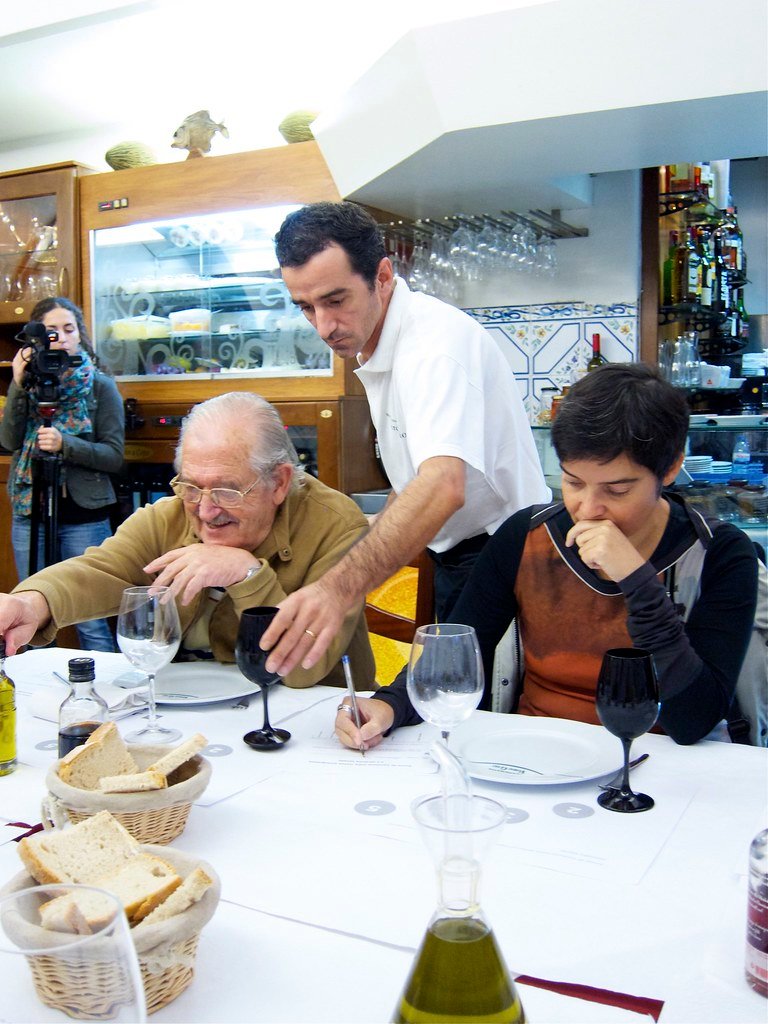
Sardinhas assadas, or grilled sardines, are a staple of Portuguese cuisine that can be beautifully complemented by a variety of beverages. When contemplating the best drink pairings, it is essential to consider traditional Portuguese wines, beers, and even non-alcoholic options that enhance the dining experience while respecting the cultural context of this beloved dish.
For wine enthusiasts, the classic pairing for sardinhas assadas is a crisp, refreshing Vinho Verde. This young wine, with its zesty acidity and slight effervescence, provides a delightful counterpoint to the smoky, charred flavors of the grilled sardines. The light-bodied nature of Vinho Verde makes it especially great for outdoor summer meals, where grilled sardines are often the star of the table. Alternatively, a dry white wine like Alvarinho offers a more pronounced fruit character and structured acidity, allowing the flavors of the sardines to shine while also adding a sophisticated touch.
Beer lovers can also find an excellent match for sardinhas assadas. A light lager or a pale ale with moderate bitterness works exceptionally well. The carbonation and crispness of these beers cut through the rich, oily texture of the sardines, balancing the overall palate. A traditional Portuguese beer, such as Super Bock or Sagres, is often enjoyed alongside grilled sardines and adds a local flair to the meal.
For those preferring non-alcoholic options, fresh lemonade or a fruity sparkling water make excellent companions. The citrus notes in lemonade can mimic the tangy taste of lemon often served with sardinhas assadas, while sparkling water can cleanse the palate between bites. These beverage pairings not only enhance the flavor profiles but also underscore the cultural essence of enjoying sardinhas assadas, making it a memorable dining experience.
Sardinhas Assadas Around the World
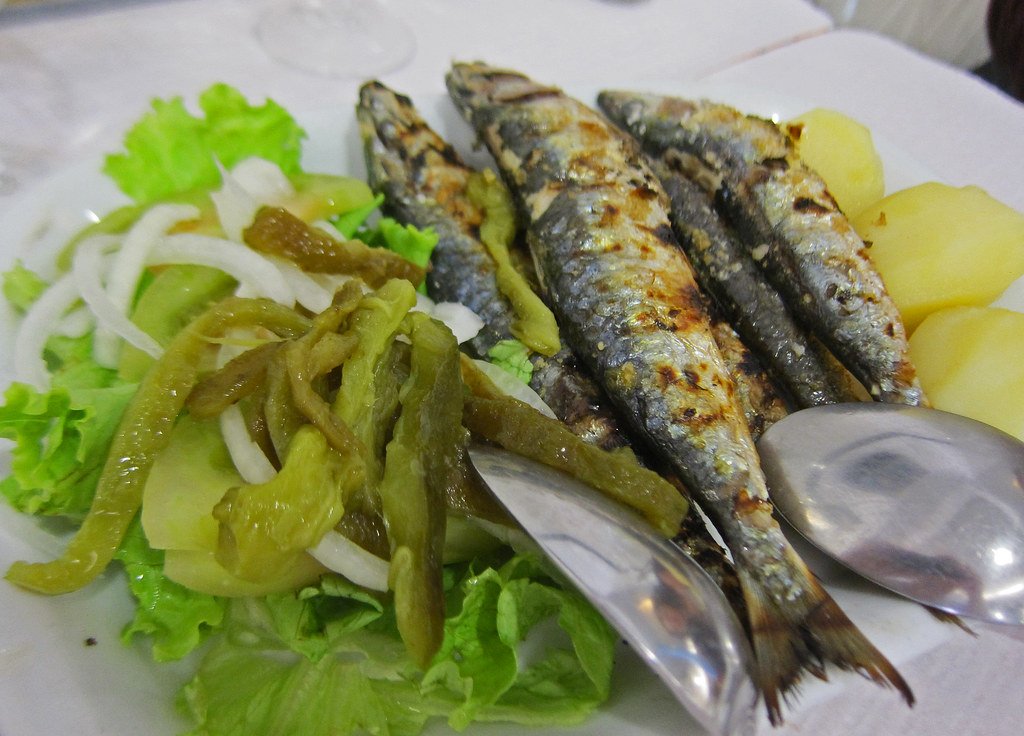
Sardinhas assadas, or grilled sardines, have transcended their Portuguese origins, becoming a beloved dish in various culinary traditions around the globe. While the classic preparation involves marinating fresh sardines in olive oil, garlic, and herbs before grilling them over open flames or coals, other cultures have adopted their own adaptations, incorporating local flavors and cooking methods that enrich the overall experience of this vibrant dish.
In Spain, for example, a similar version known as “sardinas a la plancha” is commonly featured in coastal regions. Here, sardines are often seasoned with sea salt and grilled on a hot griddle, imparting a slightly charred flavor that complements their natural richness. The Spanish typically serve these sardines alongside a drizzle of fresh lemon juice, enhancing the dish’s bright and refreshing attributes.
Moving eastward, Italian cuisine also embraces sardines, often preparing them in a dish called “sardine alla griglia.” This version might incorporate elements such as fennel, pine nuts, and raisins, presenting a flavor profile that combines sweet and savory contrasts. The Italians tend to serve these sardines with pasta or on bruschetta, demonstrating the versatility of this fish within diverse culinary frameworks.
Additionally, in various regions of North Africa, grilled sardines are seasoned with spices like cumin and paprika, reflecting the influence of local flavors. This preparation adds a distinctive depth, combining the fish with traditional accompaniments such as couscous or salads infused with citrus and olives.
As a result of its widespread appeal, sardinhas assadas has not only captured the hearts of those from Portuguese descent but also garnered a global following. Its recognition in food festivals and culinary events worldwide indicates a deep respect for the skill involved in cooking sardines, making it an integral part of the international gastronomic scene.
Conclusion: The Enduring Popularity of Sardinhas Assadas
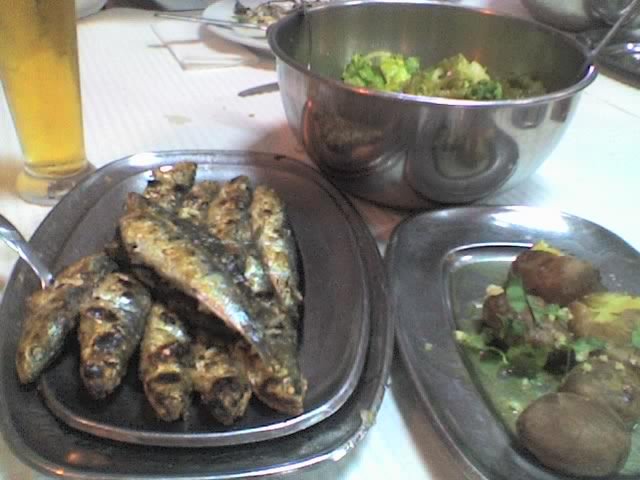
Sardinhas assadas, or grilled sardines, have established a remarkable presence in Portuguese cuisine, celebrated not only for their rich flavor but also for their deep-rooted cultural significance. This dish is intrinsically tied to local traditions and festivities, particularly during the summer months when the sardine festivals take center stage across various regions. Their preparation is often a communal event, bringing families and friends together to enjoy these grilled delicacies, which are typically served alongside bread, salads, and local wines.
The enduring popularity of sardinhas assadas can be traced back to their historical roots. Fishing has long been a vital part of Portugal’s economy and heritage, with sardines being one of the most plentiful catches along the coastline. Over the centuries, the grilling of sardines has become a symbol of communal gatherings and summer celebrations, particularly during the Feast of St. Anthony, where the savory aroma of grilled sardines wafts through the streets, inviting everyone to partake in the experience.
Moreover, the appeal of sardinhas assadas transcends geographical boundaries. While they are primarily associated with Portugal, their simple yet flavorful nature has attracted a global audience. Food enthusiasts and chefs around the world have adopted this preparation method, inspired by its rustic charm and health benefits, as sardines are rich in Omega-3 fatty acids and protein. The dish stands as a testament to the ability of traditional foods to adapt and thrive in modern culinary spaces while also preserving their origins.
Ultimately, the enduring popularity of sardinhas assadas highlights not only the flavors that define them but also the cultural connections they foster among people. As we look towards the future, it is clear that this beloved dish will continue to hold a special place within and beyond Portugal’s culinary landscape.