
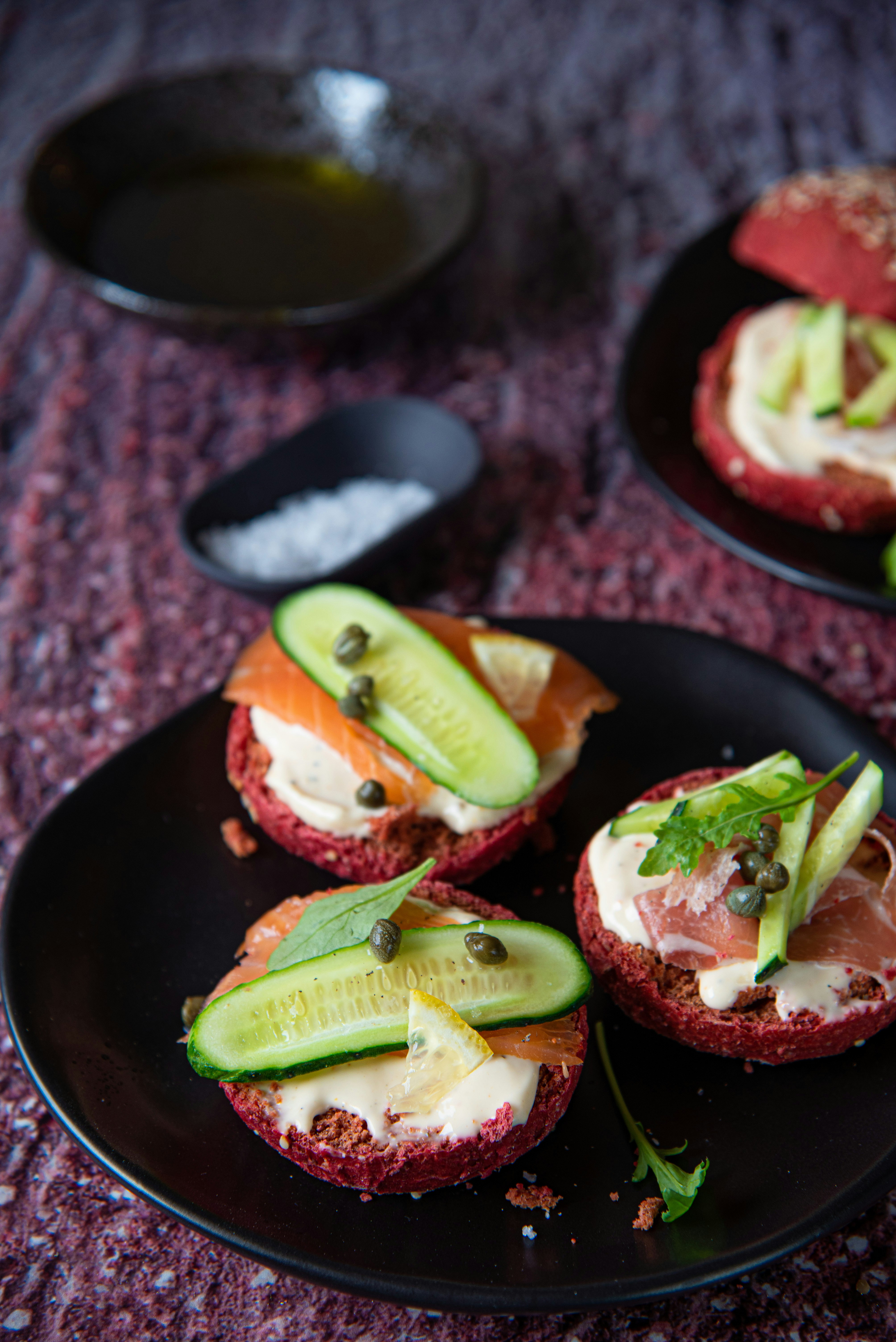
Introduction to Smørrebrød
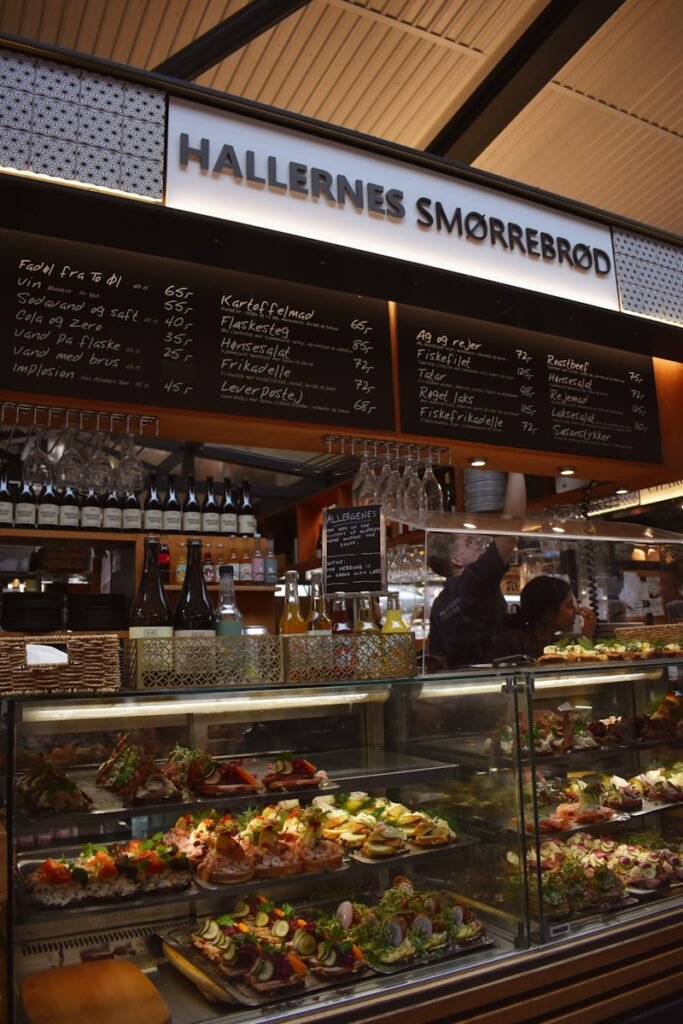
Smørrebrød, a traditional Danish open-faced sandwich, holds a significant place in the realm of Scandinavian cuisine. The term “smørrebrød” directly translates to “buttered bread,” which aptly describes its foundation: a slice of dense rye bread, often served with a lavish array of toppings. This beloved dish has roots that trace back to the humble provisions of Danish peasants, who used available ingredients to create simple yet hearty meals. Initially, the toppings varied based on local produce, available seafood, and preserved meats, showcasing a resourceful approach to food.
Over time, smørrebrød has undergone a remarkable transformation. As Denmark evolved, so did its culinary customs, lifting smørrebrød from its peasant origins to a refined gastronomic experience. In the 19th century, the rise of urban marketplaces and improved food preservation methods allowed for an abundance of ingredients, paving the way for sophisticated toppings and artistic presentations. Today, smørrebrød is not merely a meal; it is a cultural symbol, served at family gatherings, celebrations, and even in top-tier restaurants.
The versatility of smørrebrød is one of its most appealing features. Chefs and home cooks alike experiment with a variety of ingredients, layering fish such as herring or shrimp with pickled vegetables, creamy spreads, and fresh herbs. Moreover, each region in Denmark may have its own traditional variations, reflecting local tastes and customs. This adaptability contributes to the enduring popularity of smørrebrød, ensuring it is a staple for all classes within Danish society, from casual lunches to elegant dining experiences.
In conclusion, smørrebrød represents not only a delicious meal but also a rich tapestry woven with historical significance and cultural identity. It invites both locals and visitors alike to appreciate the flavors and traditions of Denmark, making it an essential element of the nation’s culinary landscape.
Historical Origins of Smørrebrød
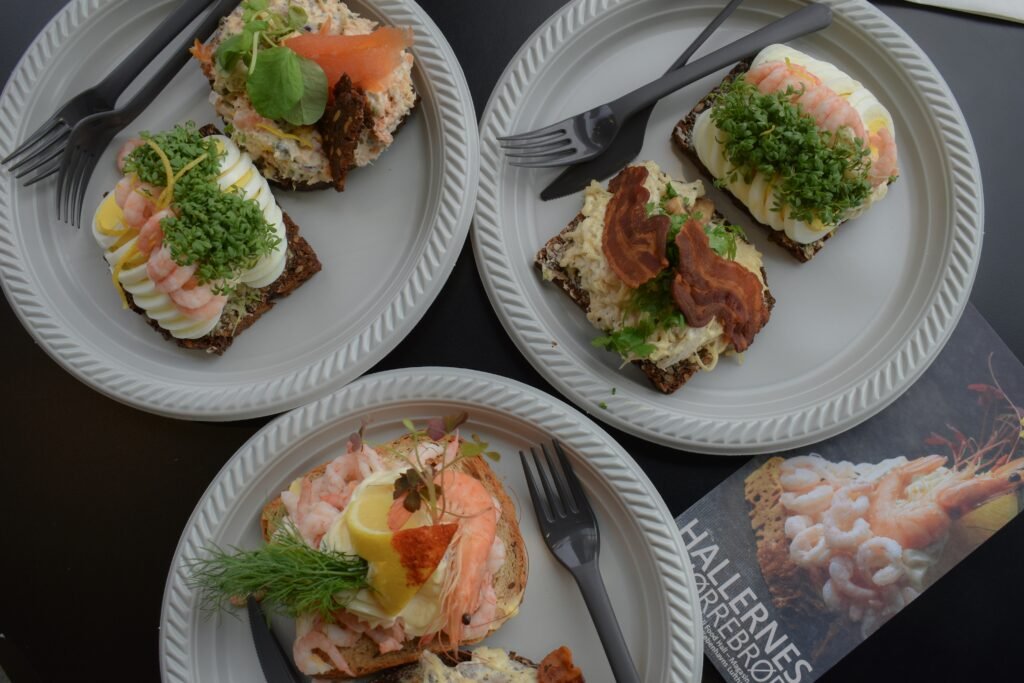
Smørrebrød, the renowned Danish open-faced sandwich, has its origins firmly rooted in the 19th century. Initially, this culinary creation emerged as a practical solution to the agricultural lifestyle prevalent in Denmark, where farming was one of the primary occupations. The term “smørrebrød” translates to “buttered bread,” vividly illustrating its simplistic yet versatile nature, which allowed for a variety of toppings that reflected the seasonal availability of produce.
During this period, rural households often utilized local, fresh ingredients to top their bread, resulting in a symbiotic relationship between the agricultural practices of the time and the development of the smørrebrød. Traditional toppings such as pickled herring, cured meats, and various cheeses derived from local resources became staple choices. As families sought to make the most out of their harvest, the incorporation of these rich flavors gave rise to a diverse array of smørrebrød variations.
The socio-economic factors in Denmark during the 19th century also significantly influenced the popularity of smørrebrød. As urbanization increased, city dwellers began to adopt this convenient meal, usually consumed during lunch breaks. Working-class individuals appreciated its affordability and the ability to customize it according to personal taste and availability of ingredients. Thus, smørrebrød began to transition from a rural delicacy to a beloved urban staple, marking its place in Danish culinary culture.
As time progressed, this open-faced sandwich not only survived but thrived, evolving into a symbol of Danish cuisine. Today, smørrebrød is celebrated not only for its rich history but also for its intricate combinations of flavors and artistic presentations. It is worth noting that its enduring presence in modern gastronomy underscores the importance of recognizing the historical influences that shaped this quintessential Danish dish.
Cultural Significance of Smørrebrød
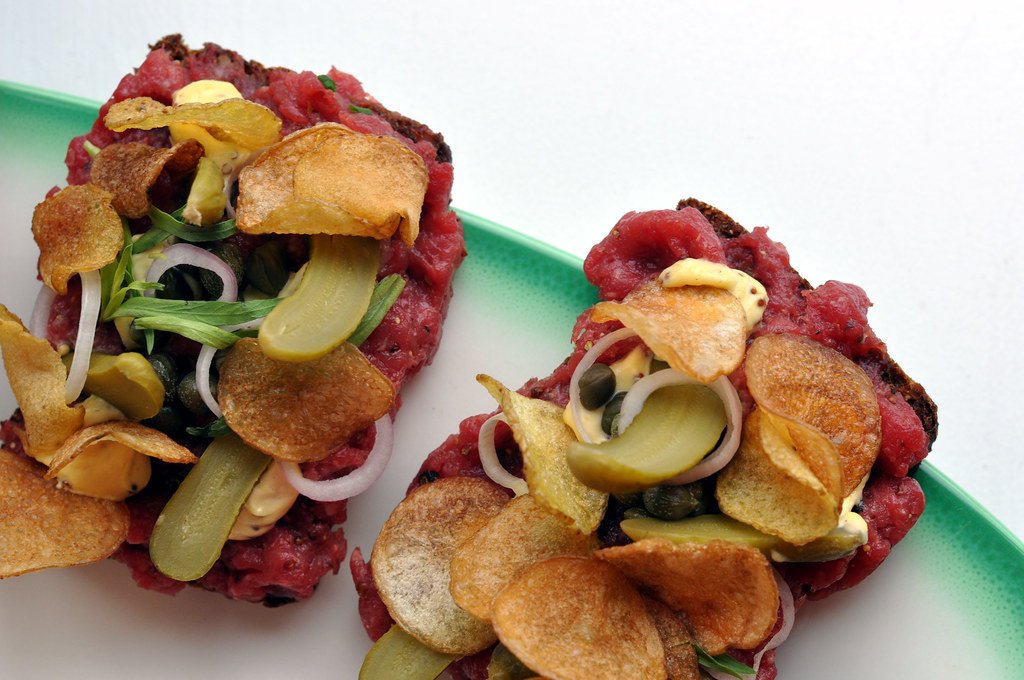
Smørrebrød, or open-faced sandwich, is more than just a culinary delight in Denmark; it holds profound cultural significance that reflects the hospitality and social customs of the Danish people. Traditionally served on rye bread, this dish can be adorned with an array of toppings, making it a versatile choice for various occasions. The way Smørrebrød is prepared and presented often serves as a reflection of the host’s willingness to provide a generous and thoughtful meal, emblematic of Danish hospitality.
In Denmark, Smørrebrød is more than merely food; it is a social experience. During gatherings and celebrations, such as birthdays, Christmas, and weddings, these open-faced sandwiches play a pivotal role in the meal structure. They are not only a means of sustenance but also serve as conversation starters, drawing people together in shared culinary appreciation. The act of choose-your-own toppings encourages guests to engage with one another, thus reinforcing the collective spirit inherent in Danish culture.
Moreover, Smørrebrød has evolved into a hallmark of modern Danish identity. The dish embodies the principles of simplicity and quality, deeply rooted in the country’s culinary landscape. As a representation of Denmark’s culinary heritage, it also showcases regional ingredients, celebrating the local agriculture and fisheries. In today’s fast-paced world, the art of crafting Smørrebrød allows individuals to slow down, appreciate the flavors, and foster connections with family and friends. Therefore, its cultural significance extends beyond mere nourishment; it reinforces community ties and serves as a symbol of the Danish ethos that values quality over quantity.
Unique Flavors of Smørrebrød
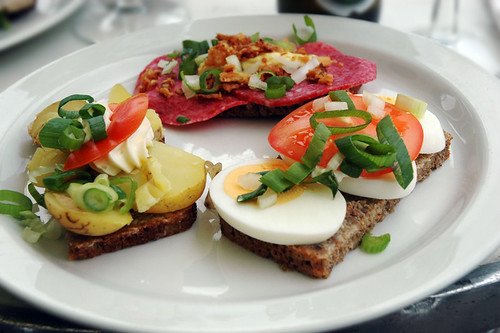
Smørrebrød, the traditional Danish open-faced sandwich, is renowned for its diverse and unique flavor combinations. This culinary delight is typically served on a slice of rye bread, which serves as the perfect base to showcase a variety of toppings. The toppings range widely, indicating not only personal preferences but also regional and seasonal influences. One of the most popular toppings is pickled herring, which provides a tangy, rich flavor that pairs beautifully with the dense and nutty rye. Often accompanied by finely chopped onions and a dollop of sour cream, the pickled herring version stands out as a quintessential representation of Danish cuisine.
Another beloved topping is roast beef, which is typically garnished with remoulade, crispy onions, and some pickles. The savory, tender taste of roast beef combined with the creamy, flavorful remoulade creates a balance that is both satisfying and elevated. This combination speaks to the Danish tradition of utilizing high-quality, locally sourced ingredients, showcasing the rich culinary heritage of the region. Each ingredient contributes to the layered flavors in a single bite, making this smørrebrød a robust option for any meal.
Additionally, variations in local preferences result in unique interpretations of smørrebrød. For instance, in Southern Denmark, one might find seafood options such as shrimp and crispy fried fish, often topped with fresh herbs and slices of lemon. Furthermore, the seasonal availability of ingredients allows for creative adaptations; during winter months, root vegetables and hearty meats may dominate, while spring brings lighter toppings like fresh herbs and seasonal vegetables. In essence, the unique flavors of smørrebrød not only highlight the craftsmanship of Danish cuisine but also reflect the rich tapestry of cultural influences, seasonal changes, and local traditions. This makes each smørrebrød an exploration of flavors that is continually evolving.
Textures of Smørrebrød
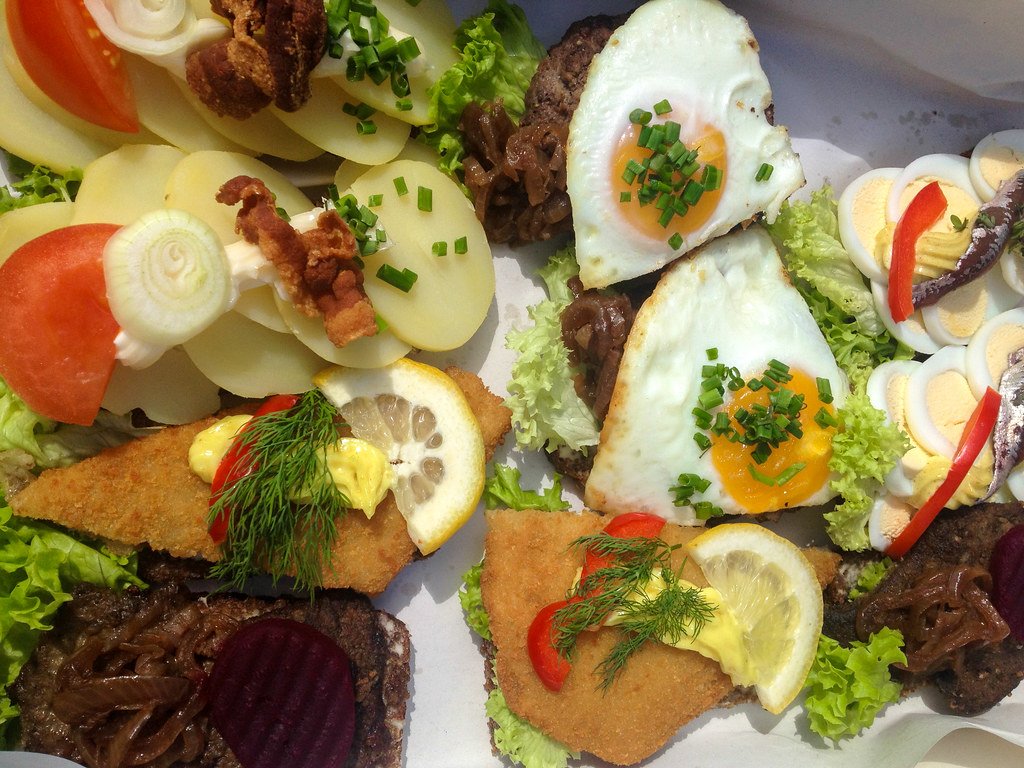
Smørrebrød, the open-faced sandwich hailing from Denmark, represents a delightful array of textures that contribute significantly to its culinary appeal. At the foundation of this iconic dish is the rye bread, often characterized by a crusty exterior and a soft, chewy interior. The rich, earthy flavor of the rye is complemented by its dense structure, providing a robust base that supports a variety of toppings while maintaining its integrity. This contrast between the crusty bread and the softer elements creates a satisfying mouthfeel that enhances the overall dining experience.
When one examines the toppings that adorn Smørrebrød, the textural diversity becomes even more pronounced. Ingredients such as juicy pickled herring or silky pâté introduce a creamy quality, contrasting beautifully with the firm bread. Meanwhile, toppings like freshly sliced vegetables, including cucumbers or radishes, offer a refreshing crunch that adds another layer to the experience. This interplay of textures is essential; the smoothness of a well-prepared spread alongside the crispness of fresh herbs or vegetables ensures that each bite is not only flavorful but also interesting.
Moreover, garnishes and accompaniments play a significant role in elevating the texture profile of Smørrebrød. For instance, a sprinkle of toasted seeds or nuts adds a delightful crunch that enriches the flavor palette while enhancing the overall visual appeal. Additionally, a drizzle of mustard or a dollop of cream can introduce new textural dimensions, transforming an otherwise simple topping into a complex flavor experience. Each element, from the bread to the choice of garnish, works in harmony, underscoring the unique attributes of Smørrebrød as a dish that celebrates texture just as much as taste.
Visual Appeal of Smørrebrød
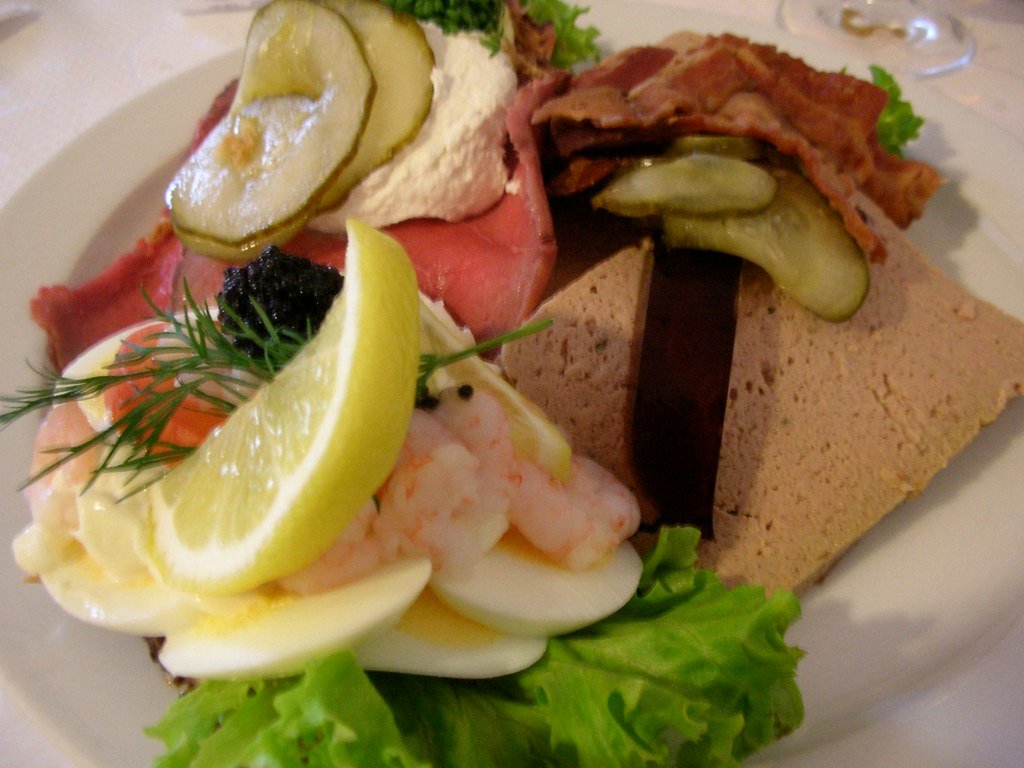
Smørrebrød, often referred to as open-faced sandwiches, showcase an extraordinary visual appeal that can captivate diners even before the first bite. The foundation of this iconic dish typically consists of dark rye bread, which serves as a sturdy and earthy base, rich in texture and flavor. This base is then adorned with an array of toppings, each contributing to an eye-catching arrangement that balances color, texture, and form.
The toppings for smørrebrød vary widely, allowing for an adventurous exploration of flavors and aesthetics. A common sight is the vivid green of fresh herbs such as dill or parsley, juxtaposing beautifully against the rich hues of smoked salmon or pickled herring. The vibrant colors of the ingredients do not only stimulate taste buds but also create a visual tapestry that draws attention. For example, the bright orange of roe or the deep red of sliced beets can add stunning color contrasts atop the traditional rye slice, elevating the overall presentation.
Moreover, the artistic arrangement of the ingredients plays a crucial role in the visual allure of smørrebrød. Ingredients are often layered or stacked in a manner that enhances their shape and dimension, transforming a simple sandwich into a work of culinary art. Precision in placement and careful consideration of height can make each serving a unique creation, tailored to please both the eye and palate.
This intricate presentation is not merely for aesthetic pleasure; it also reflects the thoughtful preparation that defines smørrebrød. Each component, from the selection of bread to the choice of toppings, underscores a keen attention to detail, embodying the philosophy of Nordic cuisine. As one admires the visual beauty of smørrebrød, it becomes increasingly evident that this dish is designed to be savored not only in taste but also in presentation.
Plating Techniques for Smørrebrød
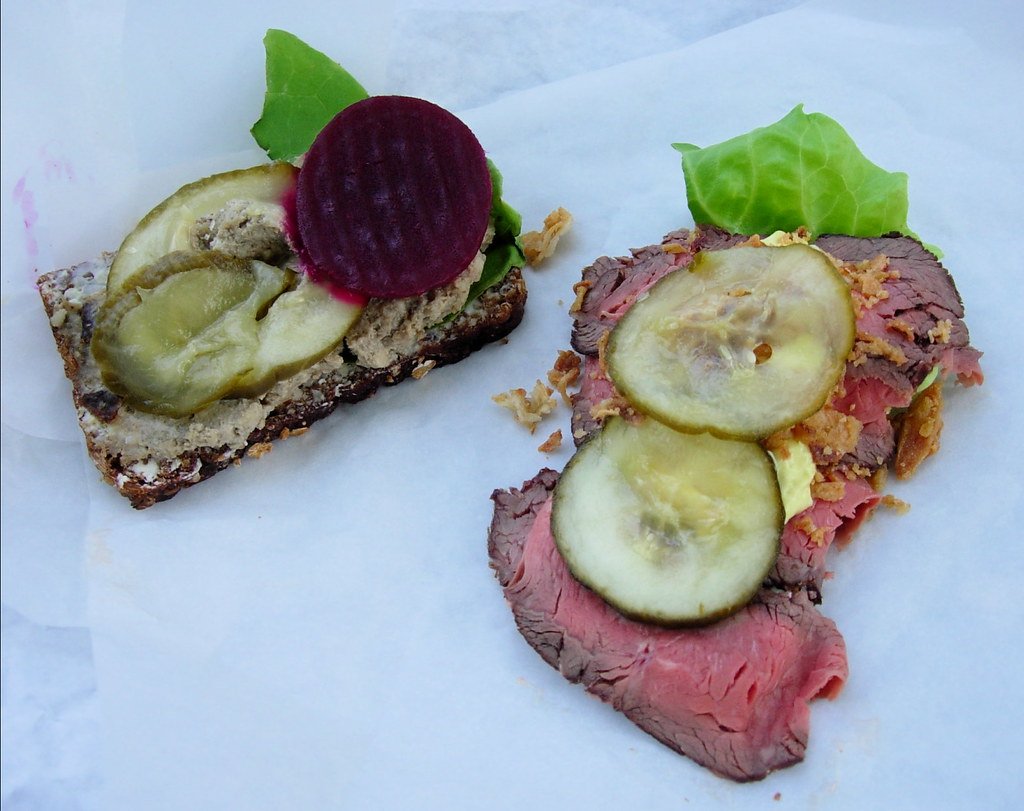
Plating techniques for Smørrebrød play a crucial role in elevating the dining experience by combining aesthetics with culinary creativity. Traditionally, Smørrebrød is presented on dense rye bread, topped with an array of colorful and flavorful ingredients. The way these toppings are arranged can significantly influence the overall impression and experience of the dish.
One effective plating technique involves the use of contrasting colors and textures. For example, pairing the vibrant orange of smoked salmon with the pale green of fresh dill not only enhances visual appeal but also offers a burst of contrasting flavors. Using garnishes that pop, such as radishes or edible flowers, can create an inviting look while maintaining a focus on the primary ingredients.
Another approach is to consider the theme or story of the dish. For example, a rustic, farmhouse-style Smørrebrød may be plated with the toppings haphazardly arranged, including spreads, slices of cheese, and pickled vegetables that reflect a homely, unrefined charm. Conversely, a more modern interpretation may involve precise, layered arrangements, emphasizing sophistication. This can be especially significant when showcasing premium ingredients, as meticulous plating can highlight their quality and uniqueness.
The use of different plates or serving boards can also enhance the presentation. A wooden board evokes a traditional setting, while a minimalist white plate might emphasize modernity and style. Ultimately, the choice of dishware should complement the toppings, aligning with both the culinary theme and the atmosphere of the dining experience.
In summary, thoughtful plating techniques not only enhance the visual appeal of Smørrebrød but also contribute to the overall dining experience by telling a story and evoking emotions. By carefully considering elements such as color, texture, and presentation style, one can create a captivating culinary journey that showcases the complexity and diversity of Smørrebrød.
Pairing Smørrebrød with Beverages
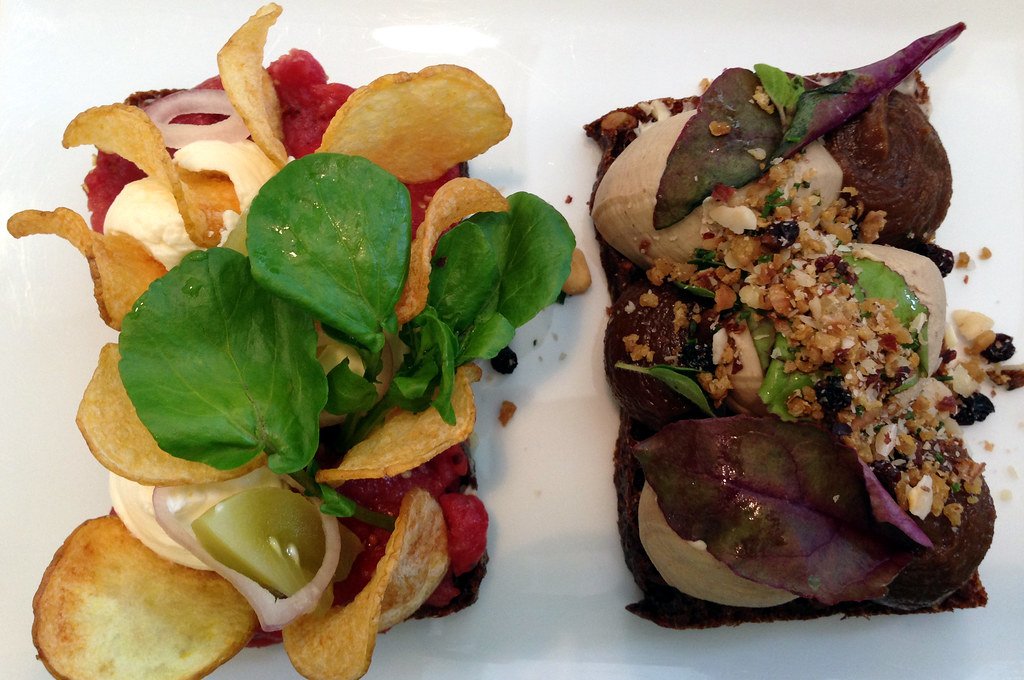
When it comes to enjoying Smørrebrød, the right beverage can significantly enhance the dining experience and reflect the rich Danish culture surrounding this traditional dish. Historically, the Danes have embraced specific drinks that complement the savory flavors of Smørrebrød, with famous options including Aquavit and a variety of local beers. Aquavit, a Scandinavian spirit often flavored with spices and herbs, is particularly favored due to its refreshing and aromatic qualities. Its herbal notes pair beautifully with herring or roast beef Smørrebrød, bringing forth a balanced flavor profile that elevates the overall taste sensation.
Beer also plays a crucial role in this culinary tradition. Denmark is home to numerous breweries that produce both craft and lager beers, which provide a refreshing contrast to the richness of the toppings. A crisp pilsner or a light wheat beer can serve as an excellent accompaniment, especially when enjoying classic open-faced sandwiches showcasing cured meats or fish. The carbonation present in these beverages helps cleanse the palate, making each bite of Smørrebrød even more enjoyable.
For those seeking non-alcoholic alternatives, options such as sparkling water or fruit juices infused with herbs can be ideal. A homemade elderflower cordial, for instance, aligns well with the flavors of Smørrebrød and offers a sweet yet subtle companion to the dish. Another viable choice could be refreshing iced teas, providing a soothing counterbalance to the savory ingredients. By thoughtfully selecting beverages to accompany Smørrebrød, diners can relish the full experience of this beloved Danish specialty while honoring the cultural significance it represents. Ultimately, these pairings not only enhance the flavors but also foster a deeper connection to Danish traditions.
Regional Variations of Smørrebrød
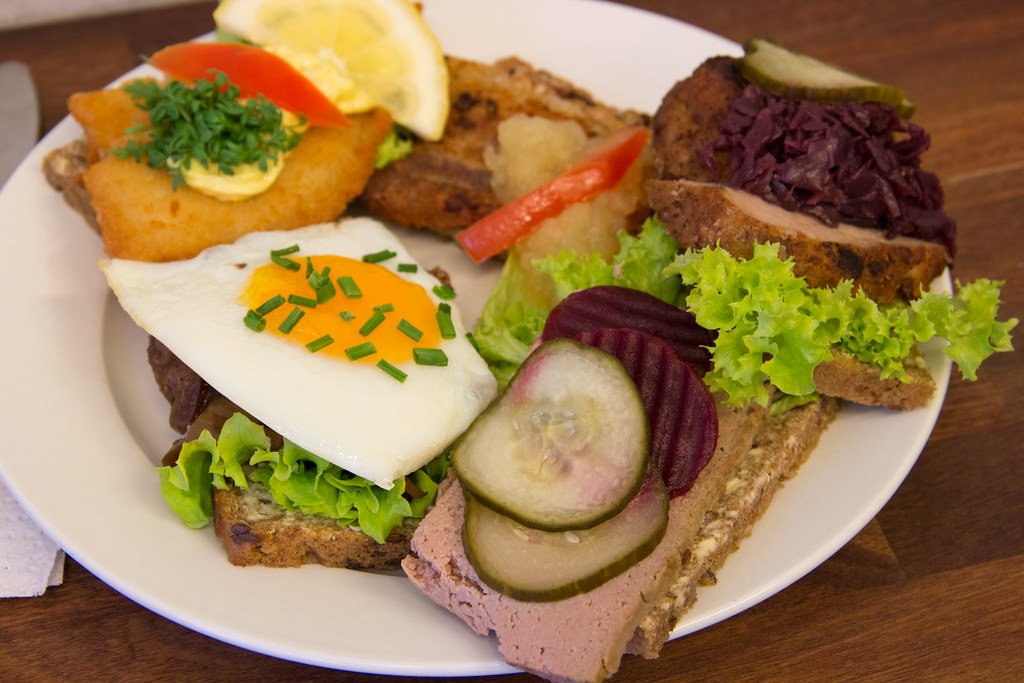
Smørrebrød, Denmark’s iconic open-faced sandwich, showcases an impressive array of regional variations that reflect the distinct culinary traditions of various areas within the country. Each region presents its unique take on this beloved dish, influenced by local ingredients, cultural practices, and historical factors.
In the bustling capital, Copenhagen, Smørrebrød is often characterized by a high level of artistry and sophistication. Here, restaurants tend to elevate the traditional sandwich into gourmet territory. Toppings might include anything from pickled herring to marinated salmon, artfully garnished with fresh dill or edible flowers. The city is known for its elegant presentation, which transforms Smørrebrød into a visually appealing culinary experience.
To the north, in the region of Jutland, one can find a more rustic interpretation of Smørrebrød. Here, the sandwiches often feature hearty bread like rye, topped generously with local meats such as cured pork or beef. The toppings are usually more straightforward, emphasizing the quality of the ingredients rather than elaborate presentations. The use of simple, robust flavors is a tribute to the area’s agricultural heritage.
Moving to the southern islands, culinary influences from Germany and other bordering countries seep into the local Smørrebrød style. One might encounter hearty combinations like liver pâté served with crispy bacon, or the use of various cheeses that showcase the region’s dairy farming. These variations not only reflect the available ingredients but also the intercontinental cultural exchanges that have enriched Danish cuisine over the years.
Overall, the diverse regional variations of Smørrebrød across Denmark encapsulate a rich tapestry of local tastes and traditions. Each style contributes to a broader understanding of the sandwich and showcases the creative adaptability of Danish culinary practices, bringing together the essence of community and local pride.