Latest posts
-
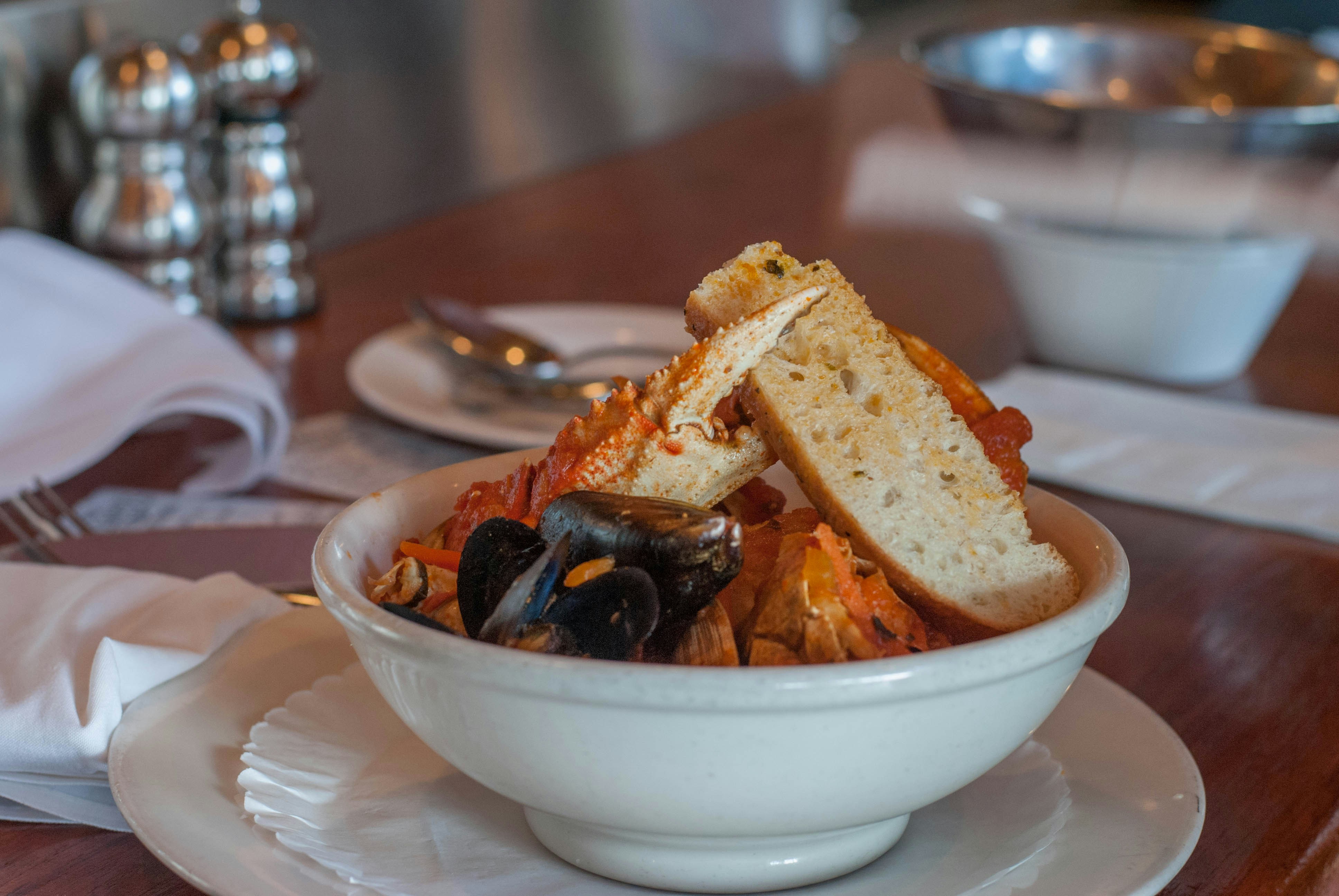
Why is Bouillabaisse Important to Provençal Culture?
Introduction to Bouillabaisse Bouillabaisse is a traditional Provençal fish stew that originates from the coastal city of Marseille, France. Historically, this dish was a humble meal created by fishermen who utilized the catch that was less desirable or unsold at markets. These resourceful craftsmen would create a hearty stew from various species of fish and
-
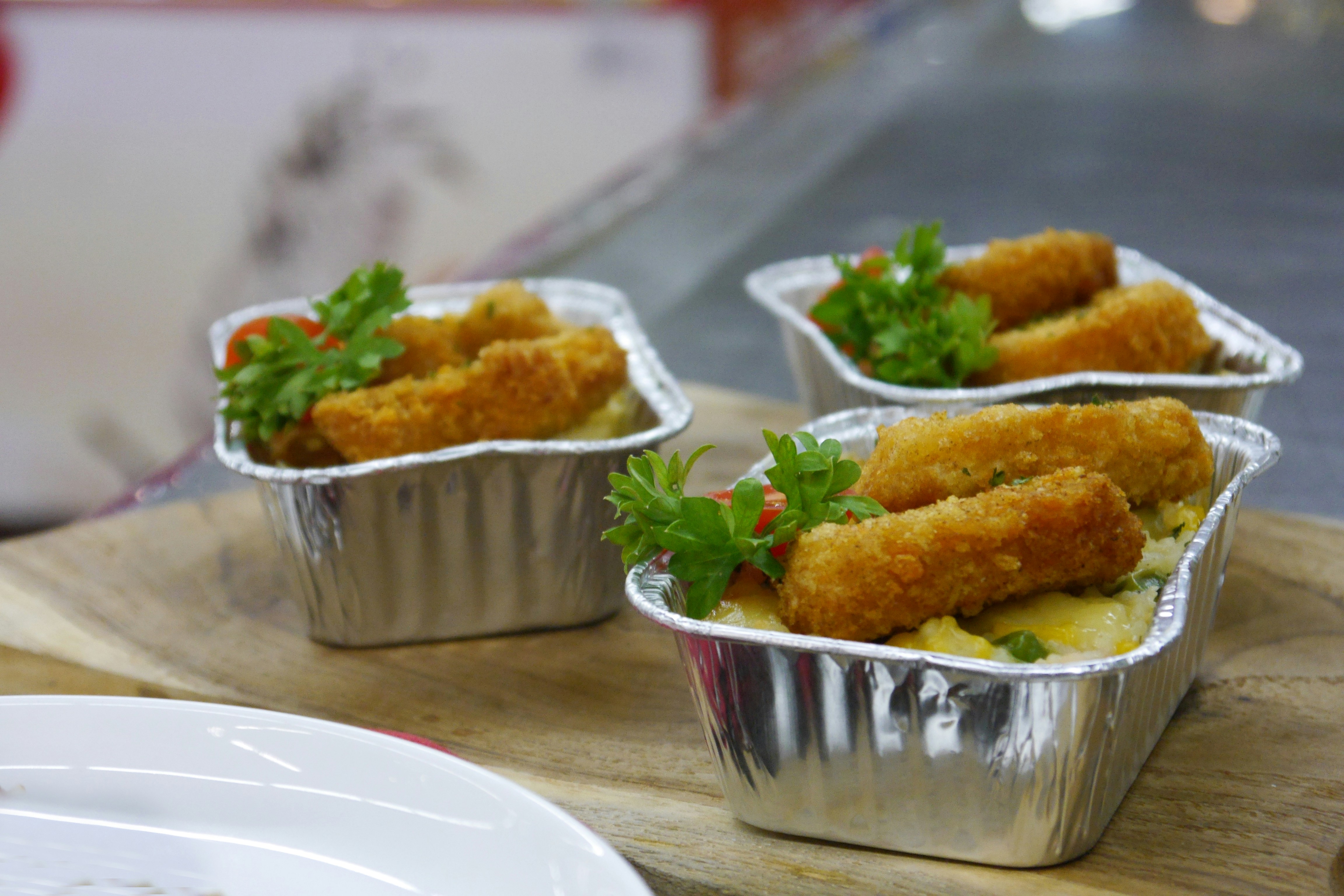
Why Are Conch Fritters Important in Caribbean Culture?
The Origin of Conch Fritters Conch fritters, a beloved staple in Caribbean cuisine, trace their roots to the rich culinary traditions of the Bahamas and surrounding islands. Historically, conch has been a significant source of sustenance for both indigenous populations and coastal communities, with its availability contributing to local diets for centuries. Indigenous peoples were
-
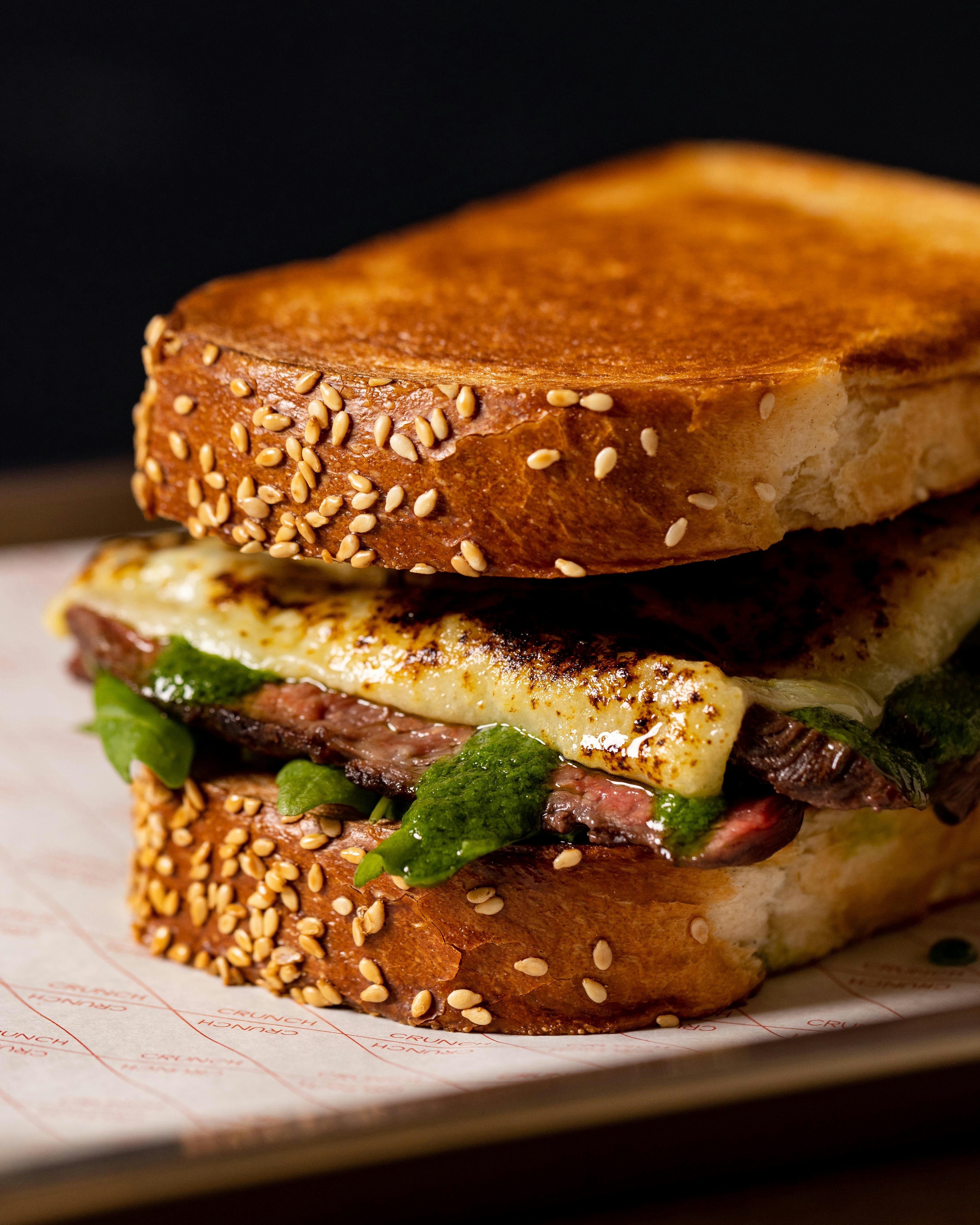
How Did Choripan Become Popular in Argentina?
Introduction to Choripan Choripan, a popular delicacy in Argentine cuisine, is a street food staple that captures the essence of the country’s culinary traditions. The name derives from the combination of “chorizo,” a type of spiced sausage, and “pan,” meaning bread. This simple yet flavorful dish features grilled chorizo placed within a crusty roll, offering
-
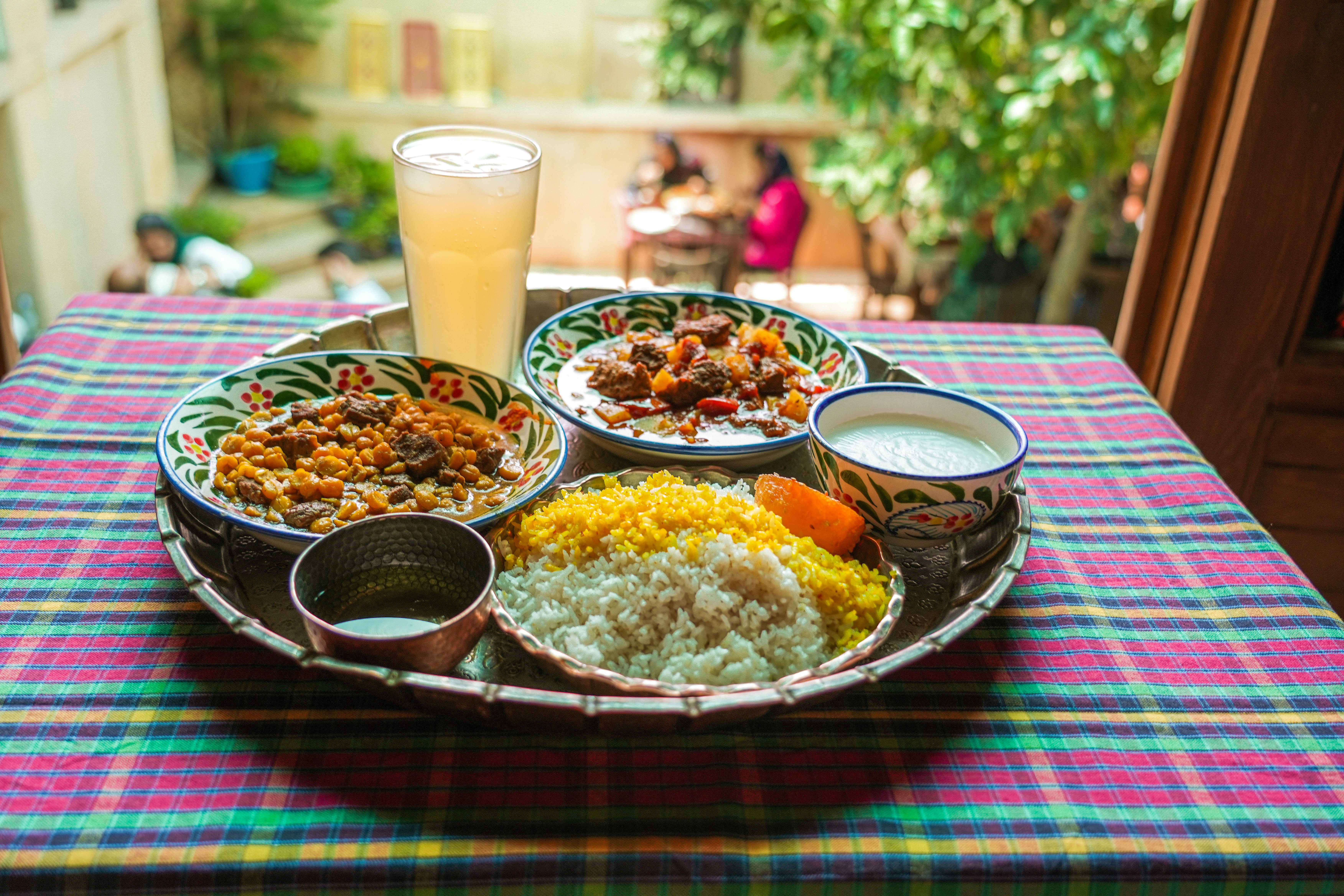
Why is Foul Muddamas Important in Middle Eastern Culture?
The Origin of Foul Muddamas Foul Muddamas, a dish deeply entrenched in the culinary traditions of the Middle East, can trace its origins back to ancient Egypt. This hearty fava bean dish, known for its rich flavor and nutritional value, has stood the test of time, evolving from a humble meal of ancient farmers to
-
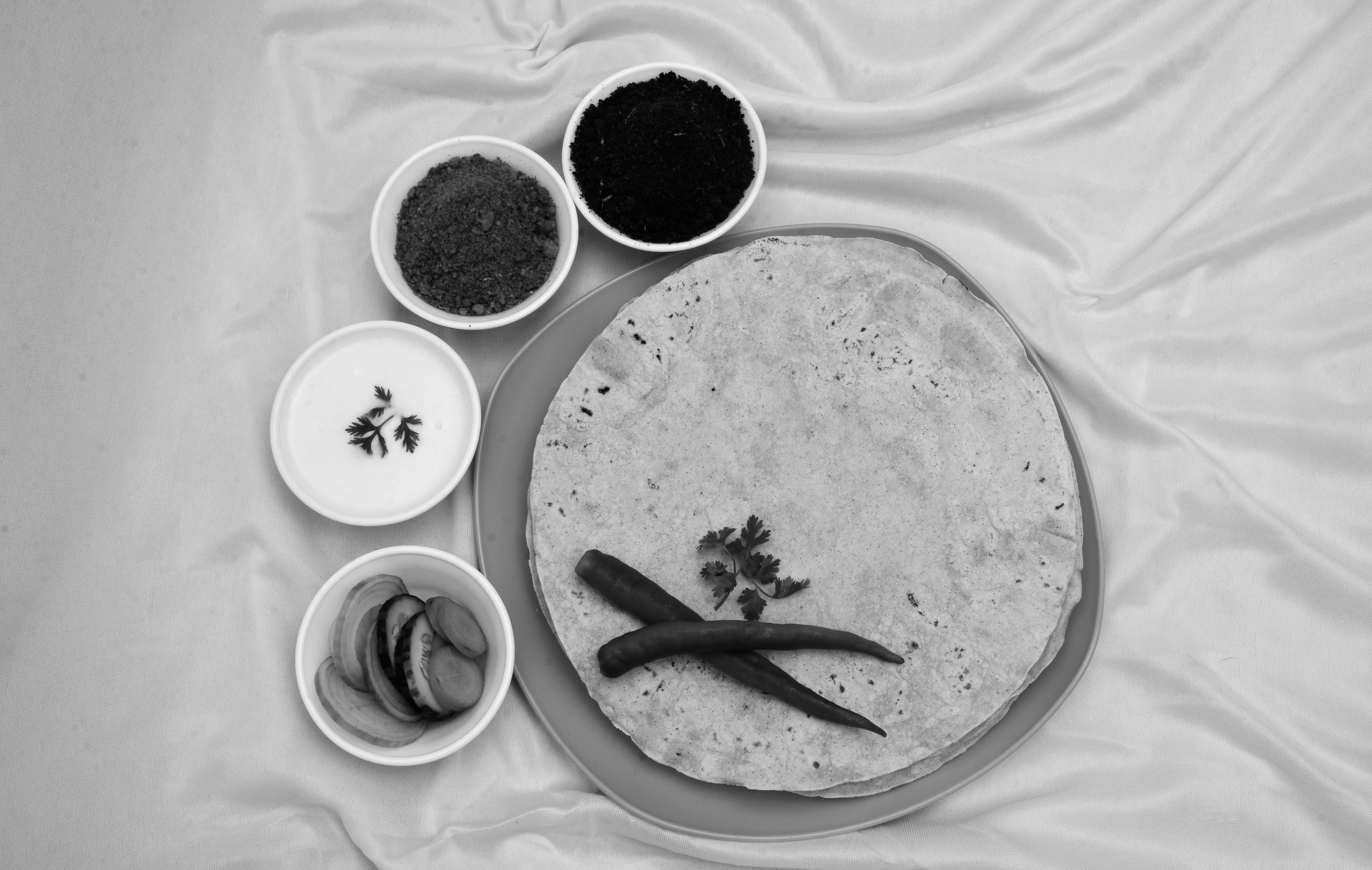
How to Pair Chapati with Traditional Dishes
The Origin of Chapati Chapati, a type of unleavened flatbread, has a rich historical lineage that can be traced back thousands of years to the Indian subcontinent. The term “chapati” itself is believed to have originated from the Hindi word “chapta,” meaning “flattened.” This staple food has been consumed in various forms in India and
-
Why is Sheer Khurma Important During Ramadan?
Introduction to Sheer Khurma Sheer Khurma, a delightful and rich dish, holds a special place in the culinary traditions of South Asia, particularly among Muslim communities. This sumptuous dessert is primarily prepared during the holy month of Ramadan, especially on the joyous occasion of Eid al-Fitr. As a symbol of celebration and festivity, Sheer Khurma
-
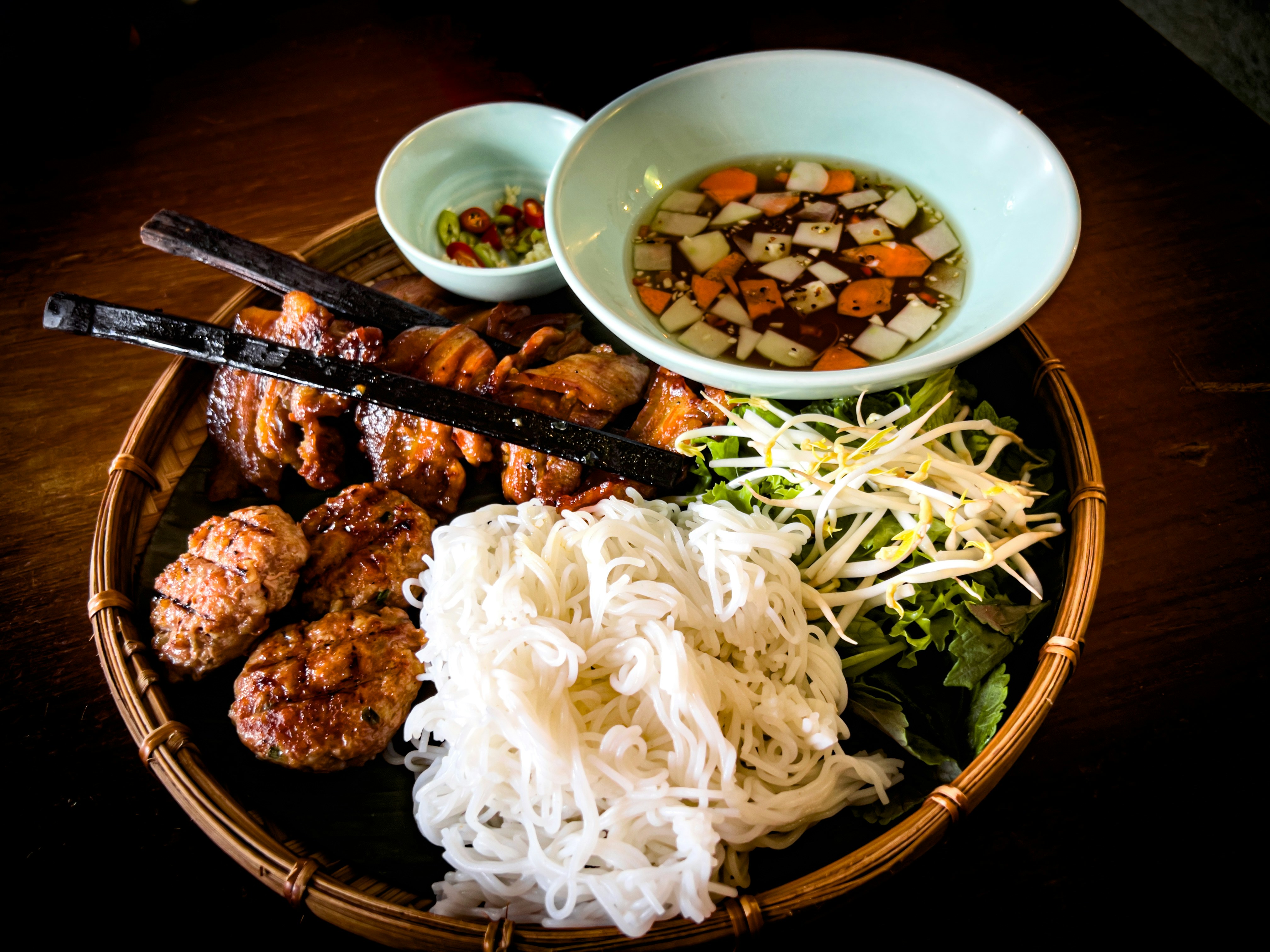
How to Explore Bun Cha Variations Across Vietnam
Introduction to Bun Cha Bun Cha is a quintessential Vietnamese dish that has gained recognition and appreciation far beyond the borders of Vietnam. This remarkable culinary creation perfectly marries the smoky flavors of grilled pork with the delicate texture of rice noodles, enhanced by a vibrant assortment of fresh herbs and vegetables. Each component plays
-
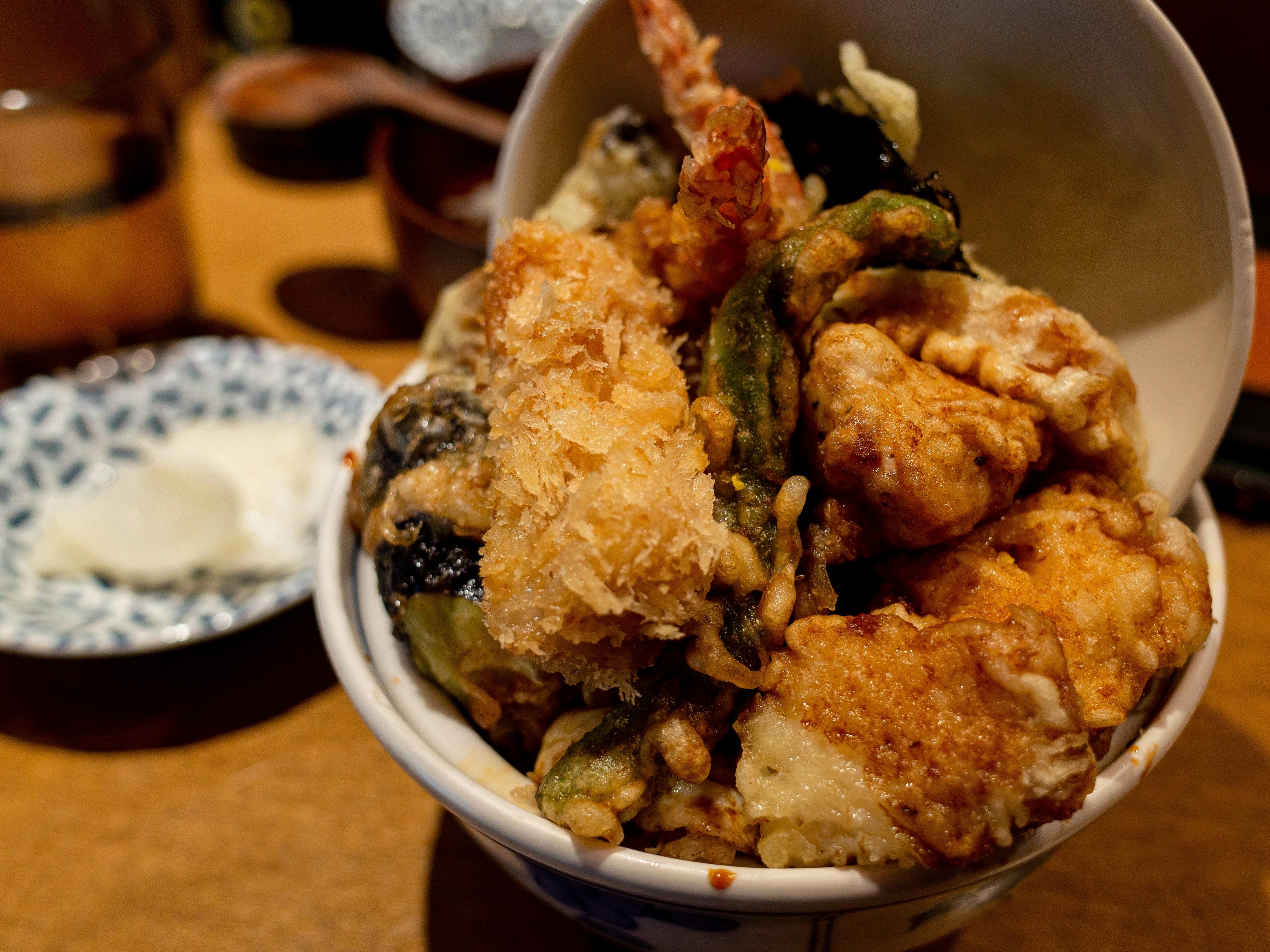
Why Is Tempura So Popular Worldwide?
Introduction to Tempura Tempura is a renowned Japanese dish characterized by its delicate, crispy batter coating ingredients such as seafood and vegetables. Its origins can be traced back to the mid-16th century when Portuguese missionaries introduced the technique of deep-frying food in batter to Japan. This culinary practice quickly gained popularity and evolved into what
-
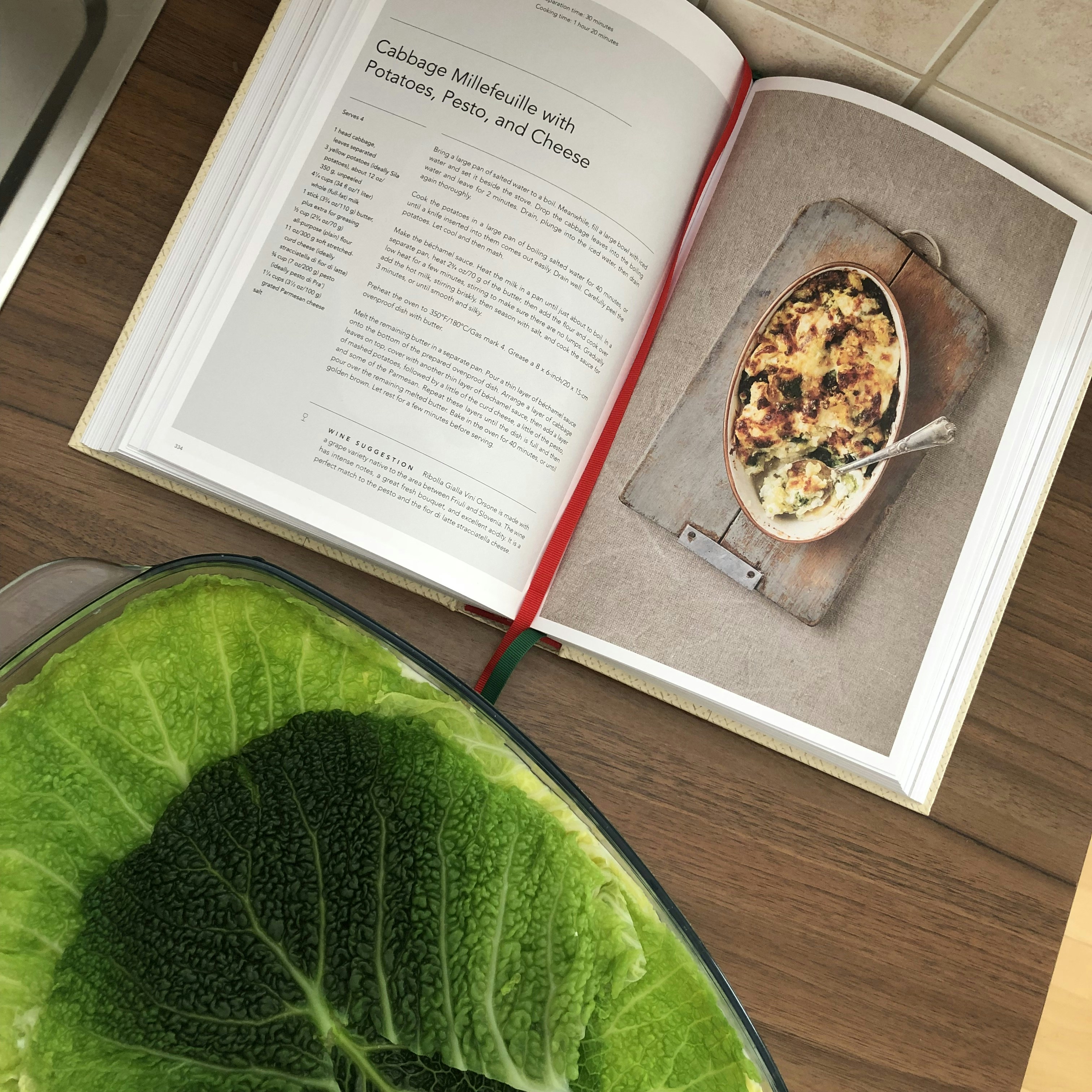
What is the History Behind Traditional Irish Colcannon?
Introduction to Colcannon Colcannon is a traditional Irish dish that holds a special place in the heart of Ireland’s culinary landscape. Primarily composed of creamy mashed potatoes combined with either cabbage or kale, colcannon offers a delightful comfort food experience. This hearty dish not only nourishes the body but also serves as a symbol of
-
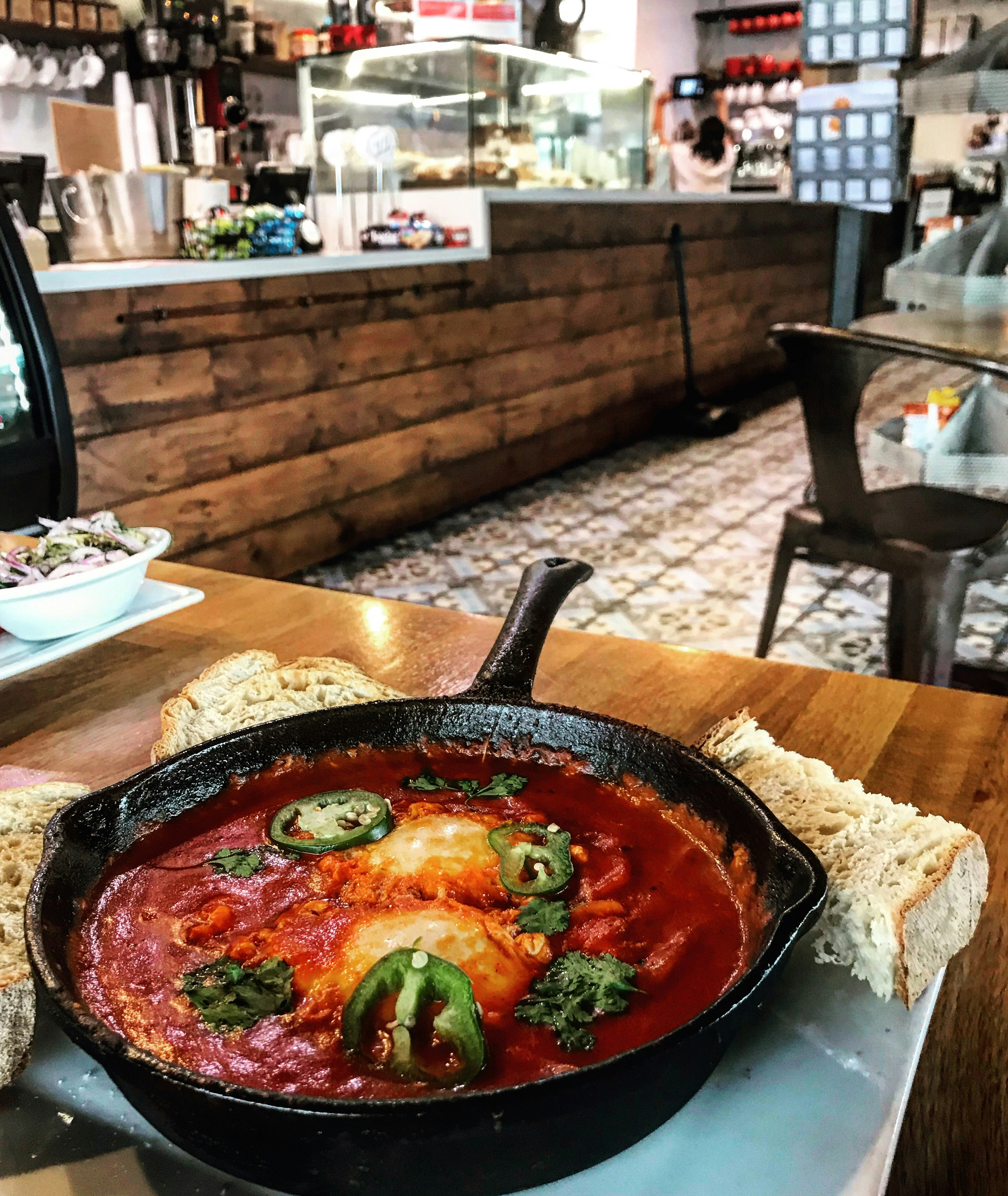
How Did Shakshuka Become Popular Worldwide?
Introduction to Shakshuka Shakshuka is a dish that has garnered increasing attention and admiration in recent years, known for its robust flavors and delightful presentation. Originally hailing from North Africa and the Middle East, this culinary treasure consists of poached eggs nestled in a rich and aromatic sauce made primarily of tomatoes and sautéed peppers,