Latest posts
-
Unveiling the Secrets of Spain’s Beloved Paella
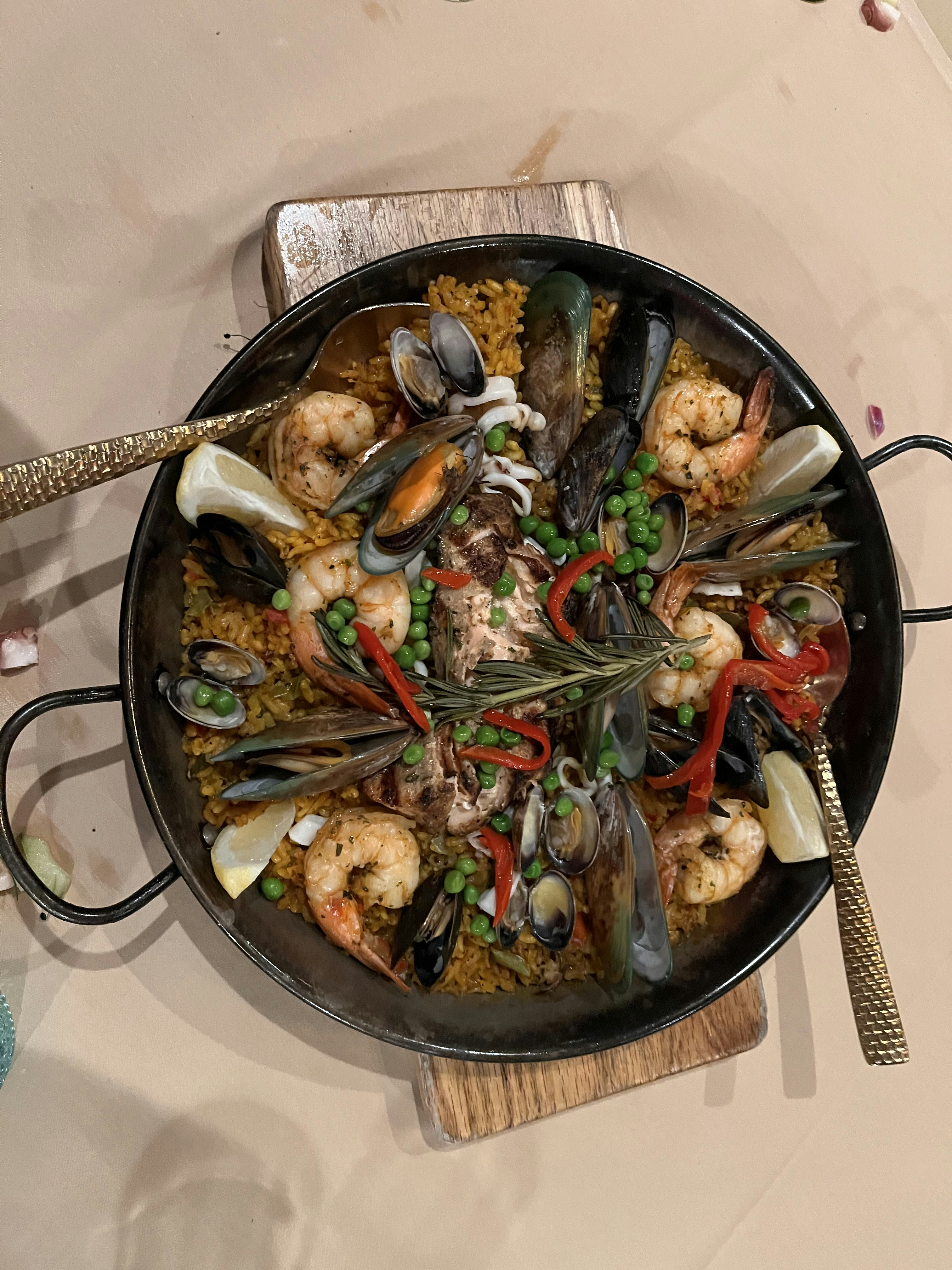
Introduction to Paella Paella is a celebrated dish originating from Spain, renowned not only for its vibrant flavors but also for its deep-rooted significance in Spanish culture. This iconic rice dish hails from the Valencia region, where it was historically prepared by farmers and laborers using available ingredients from the land and sea. Over the
-
Why is Ceviche Popular in Latin America?
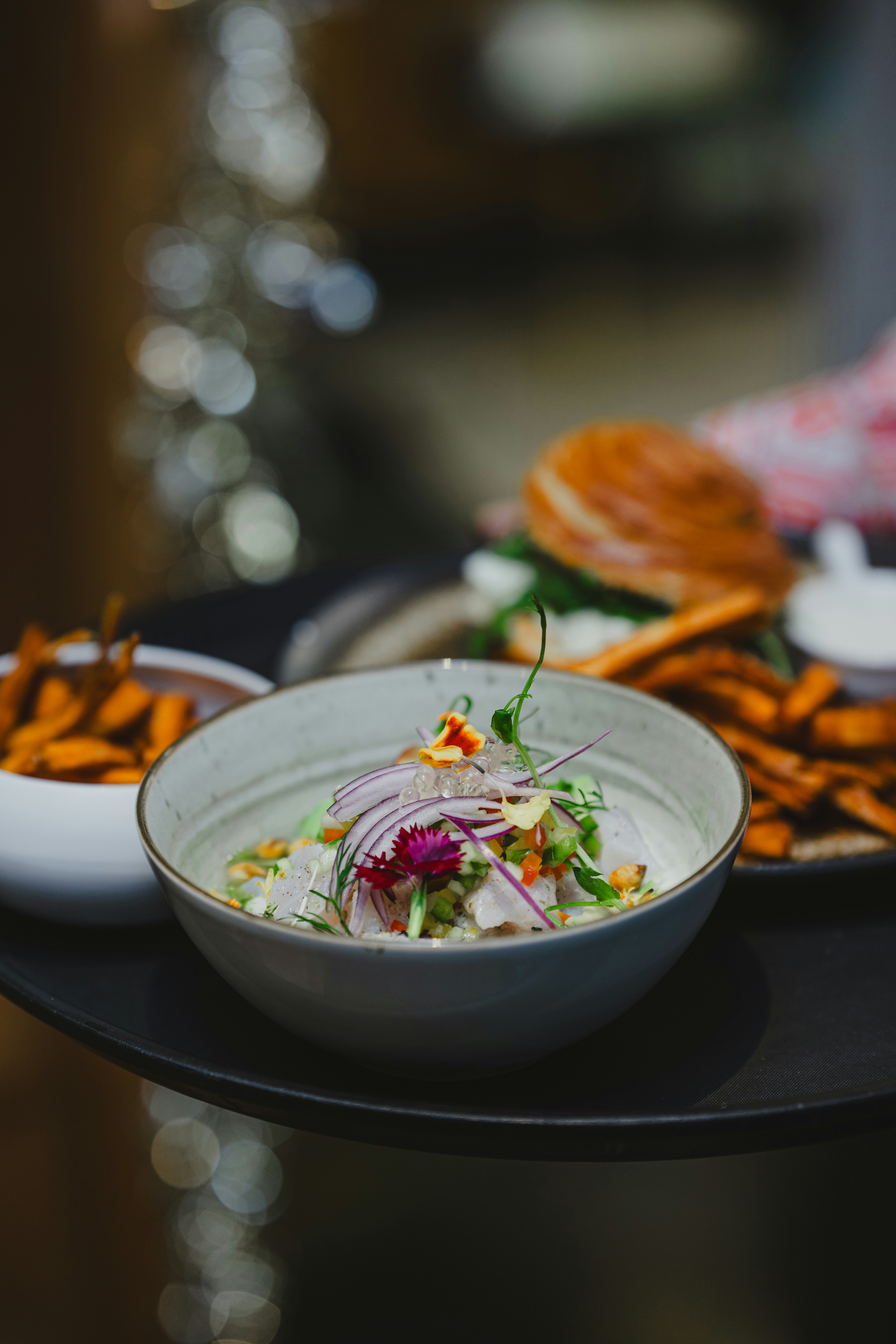
Introduction to Ceviche Ceviche is a beloved seafood dish that captivates the palates of food enthusiasts around the globe. Originating from the coastal regions of Latin America, this culinary delight features fresh raw fish or seafood that is delicately cured in citrus juices, typically lime or lemon. The acidity of the citrus not only imbues
-
How to Explore Borscht’s Rich Cultural History
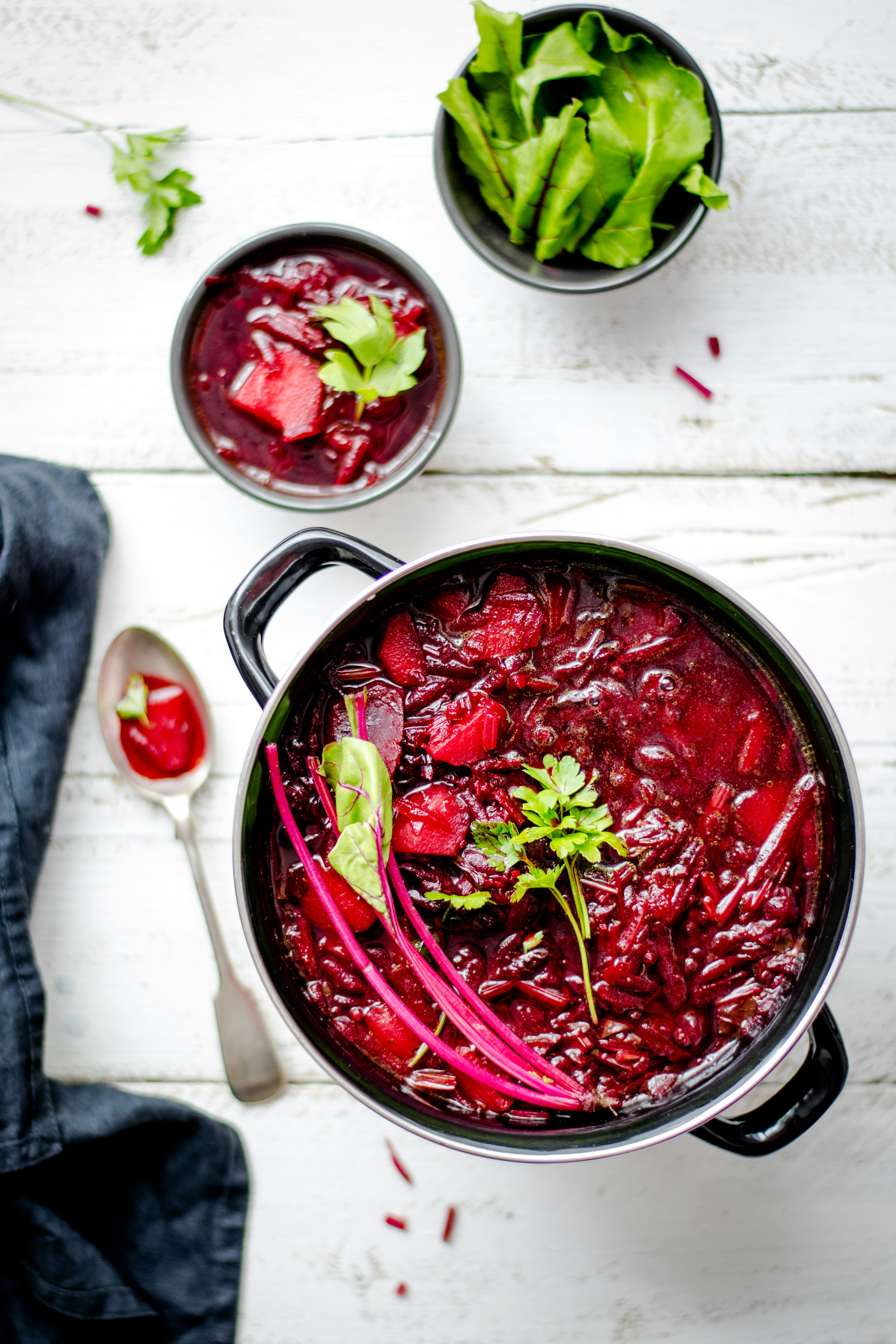
The Origin of Borscht Borscht, a quintessential dish steeped in history, traces its roots back to Eastern Europe, particularly in the regions that comprise modern-day Ukraine and Russia. Its origins can be traced to the early Slavic communities, where the consumption of beets, a staple vegetable in the area, led to the first rudimentary forms
-
Unveiling the Secrets of Mole: A Culinary Masterpiece
The Origin of Mole The culinary art of mole, a rich and complex sauce, has its origins deeply embedded in the history of pre-Columbian Mexico. Before the arrival of Spanish colonizers in the 16th century, indigenous peoples were already combining native ingredients to create flavorful sauces. These early versions of mole featured a blend of
-
Why is Souvlaki Popular Worldwide?
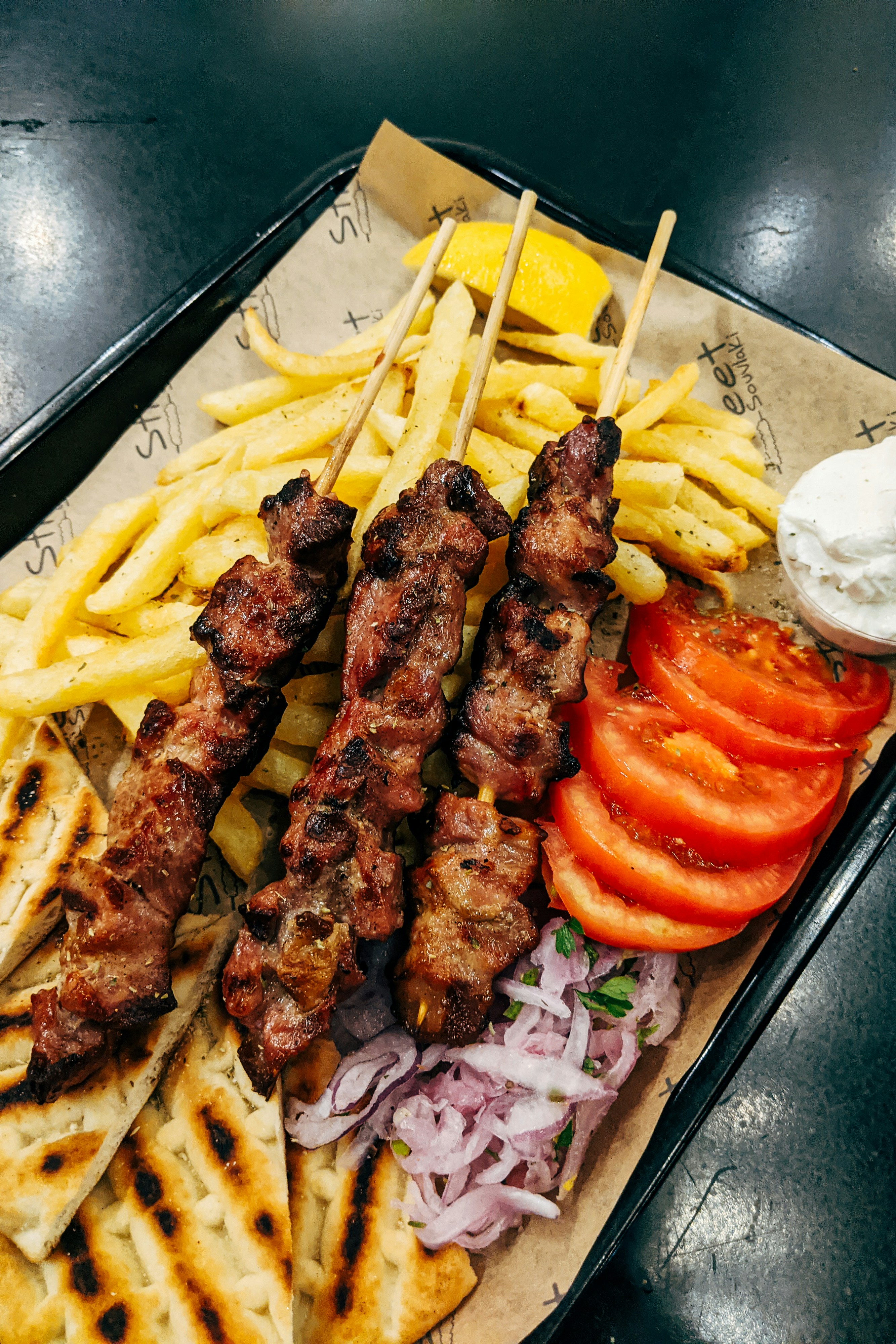
The Origins of Souvlaki Souvlaki, a dish that has become synonymous with Greek cuisine, has its roots firmly planted in antiquity. Historical records indicate that the concept of skewered meat traces back to the ancient Greeks, with evidence suggesting that as early as the 5th century BC, they were preparing pieces of meat cooked on
-
Why Is Arroz con Pato Important in Peruvian Cuisine?
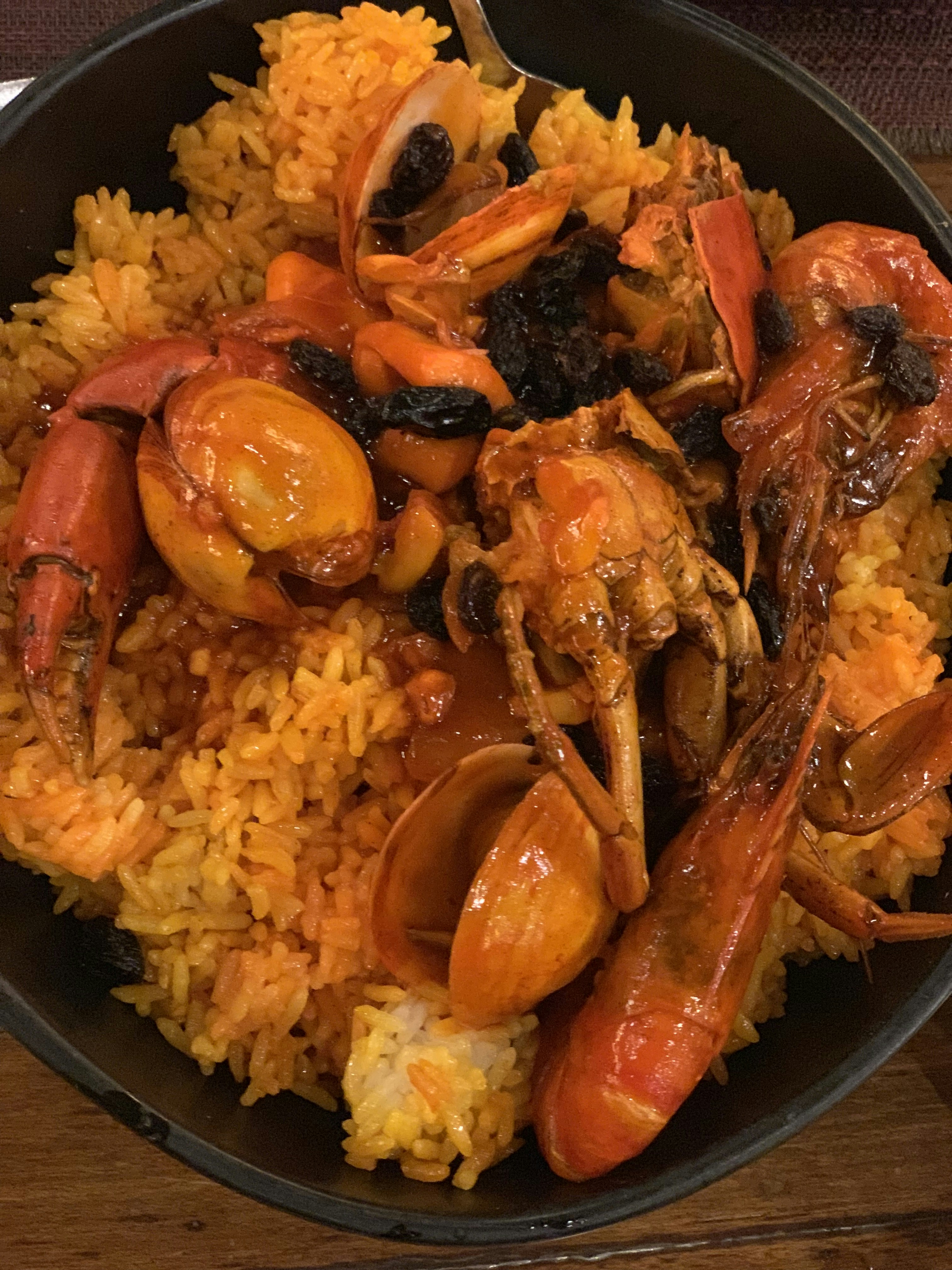
Introduction to Arroz con Pato Arroz con Pato, a cherished dish from Peruvian cuisine, embodies the rich culinary traditions and flavors that reflect the country’s diverse cultural heritage. This delectable dish translates to “rice with duck,” and it is found prominently in the gastronomic repertoire of various regions in Peru, especially in the coastal areas.
-
Why Is Dolma Popular Across the Middle East?
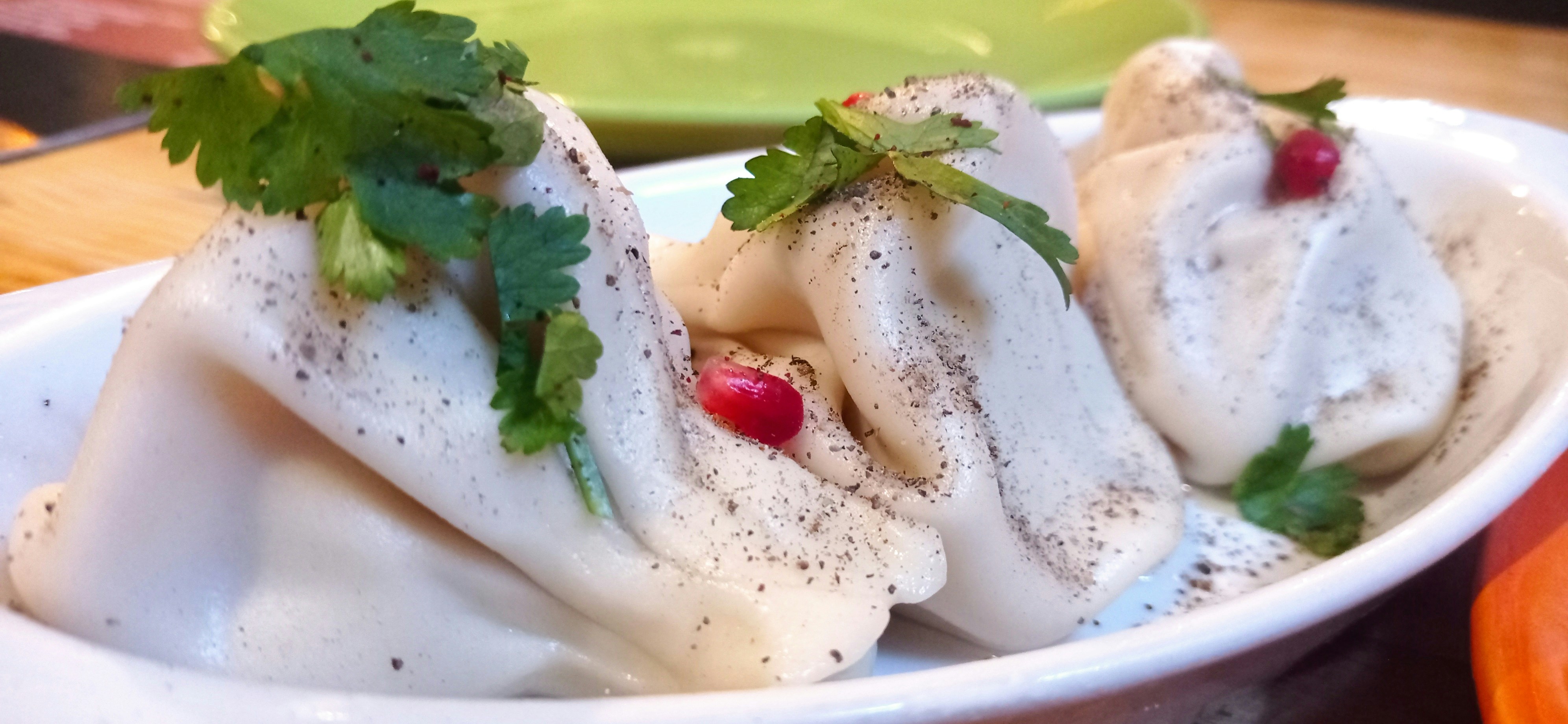
Introduction to Dolma Dolma, a dish that captures the essence of culinary tradition across the Middle East and Mediterranean, has become an iconic representation of diverse cultural influences. Defined generally as vegetables, often grape leaves, that are stuffed with a mixture of rice, spices, and sometimes meat, dolma exemplifies the versatility and adaptability of regional
-
What Makes Coq au Vin a French Classic?
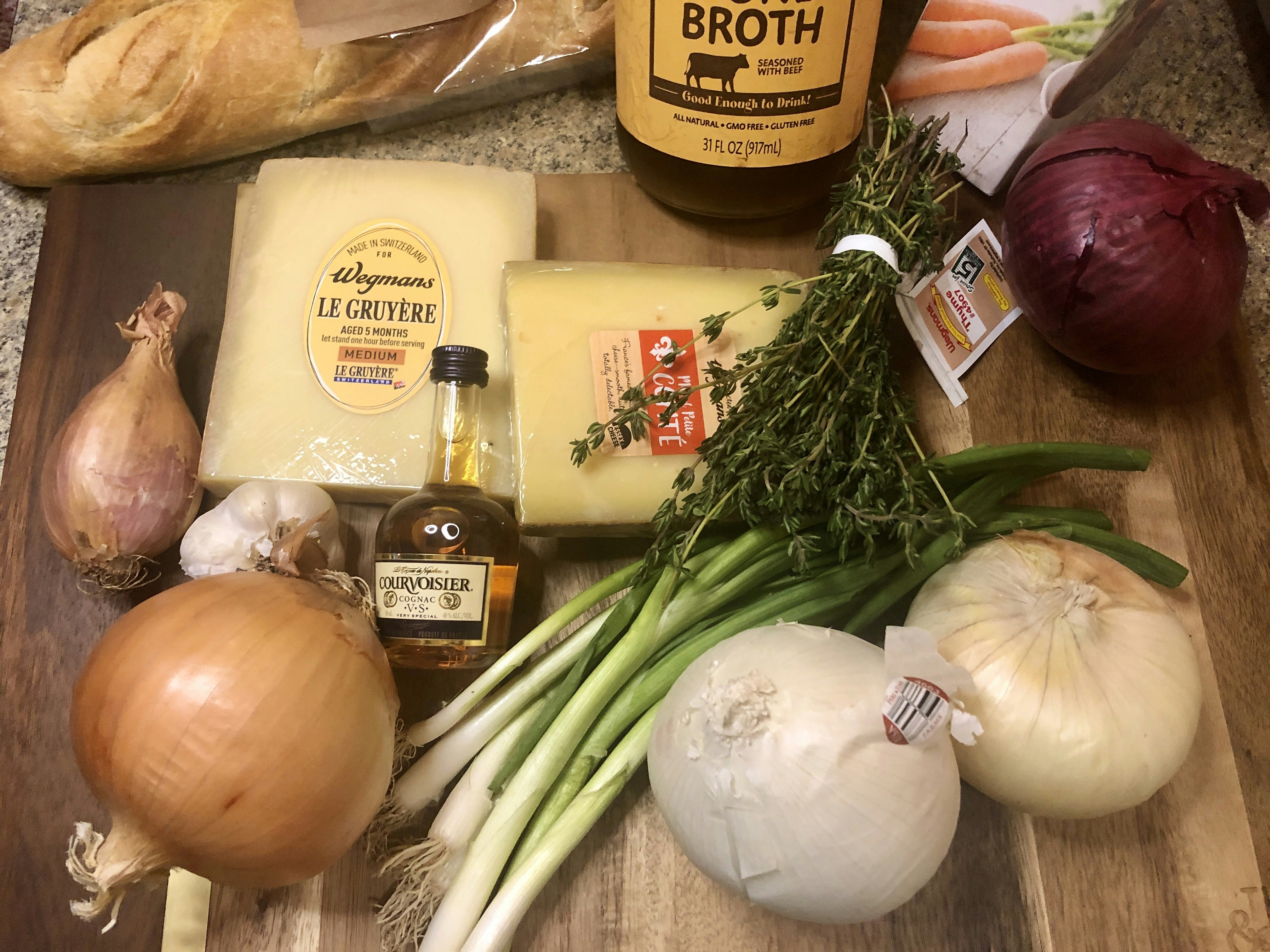
Introduction to Coq au Vin Coq au Vin, a quintessential French dish, translates to “rooster in wine,” although modern interpretations often utilize chicken due to the dish’s accessibility. It symbolizes the heart of French country cooking, combining rustic simplicity with the depth of rich flavors. Traditionally, this dish is prepared by braising the bird in
-
Bibimbap: A Colorful Celebration of Korean Heritage
The Origin of Bibimbap Bibimbap, a quintessential Korean dish, has its origins deeply embedded in the culinary history of Korea. This vibrant and colorful rice bowl, often topped with various vegetables, meats, and a spicy sauce, is believed to have evolved during the late Joseon Dynasty (1392-1897). Initially, it was a practical meal for peasants.
-
Why is Pho So Popular Worldwide?
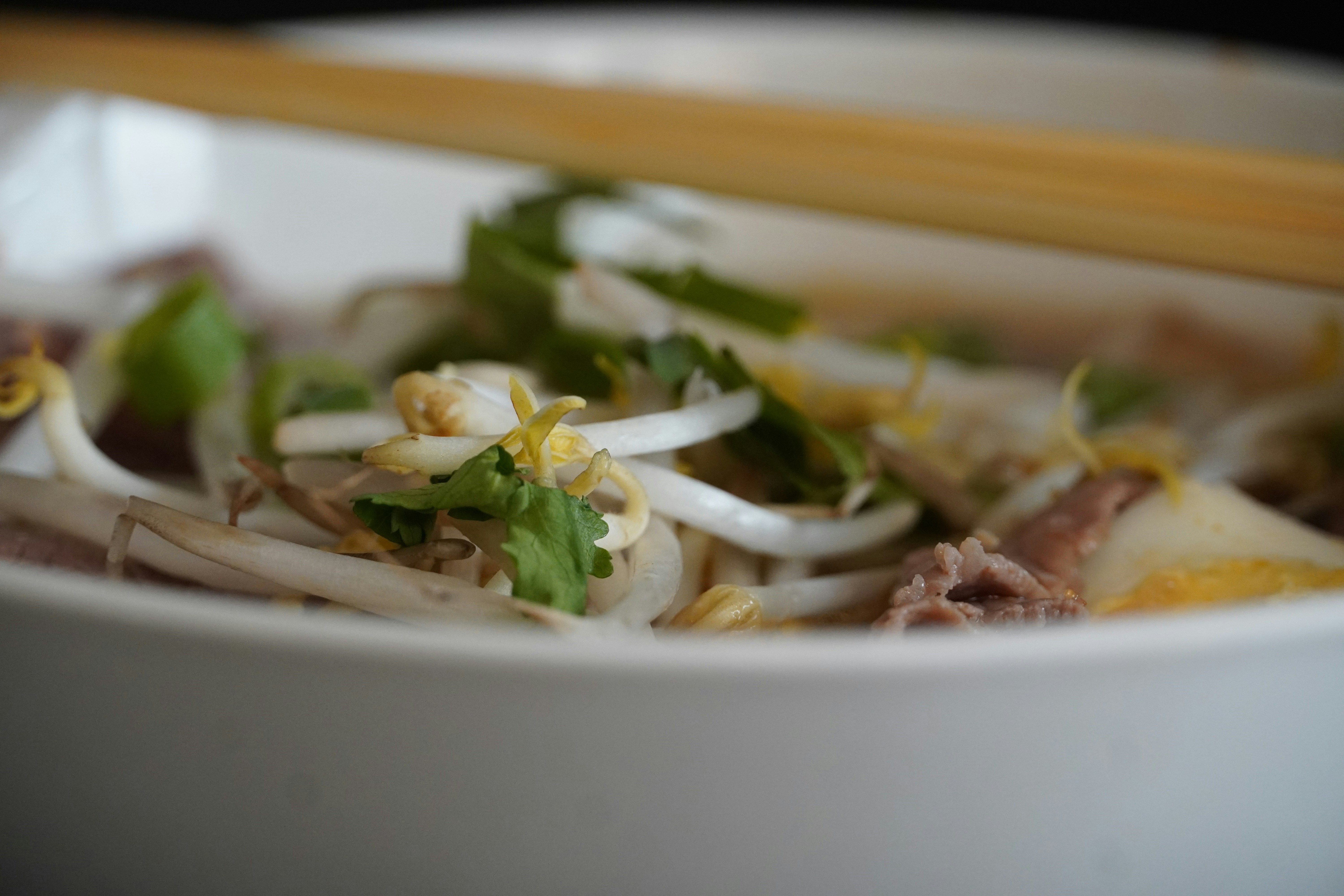
The Origin of Pho The culinary journey of pho begins in early 20th century Vietnam, where this iconic dish emerged as a reflection of the country’s rich history and diverse influences. The inception of pho is often linked to the intersection of local Vietnamese traditions and the adaptations made during the French colonial period. As