Latest posts
-
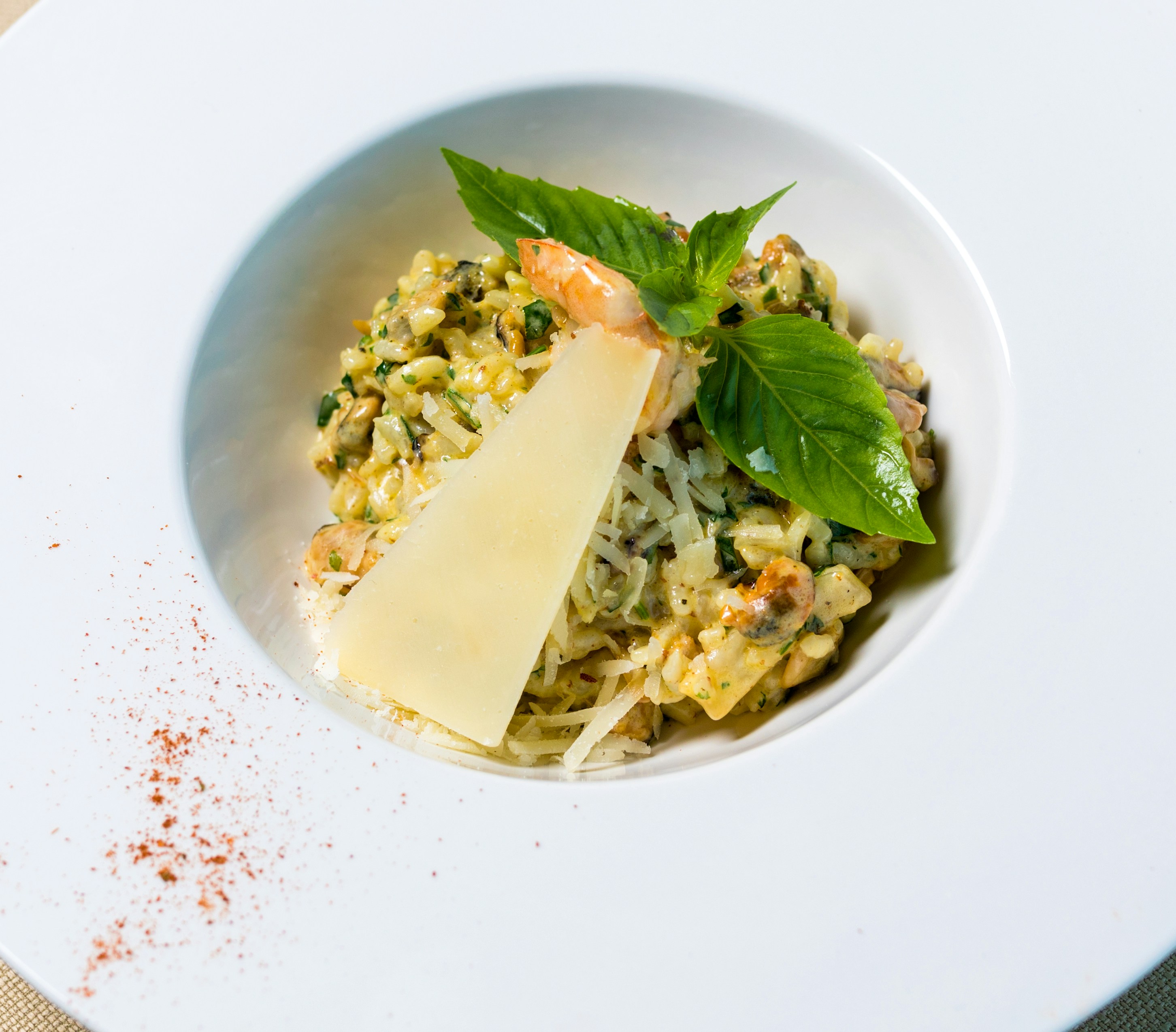
What Makes Risotto Unique in Flavor and History?
The Origins of Risotto Risotto, a quintessential Italian dish, finds its roots deeply embedded in the fertile plains of Northern Italy, particularly in the Lombardy region. The cultivation of rice in Italy can be traced back to the 14th century, marking the beginning of an agricultural transformation that would contribute immensely to Italian culinary traditions.
-
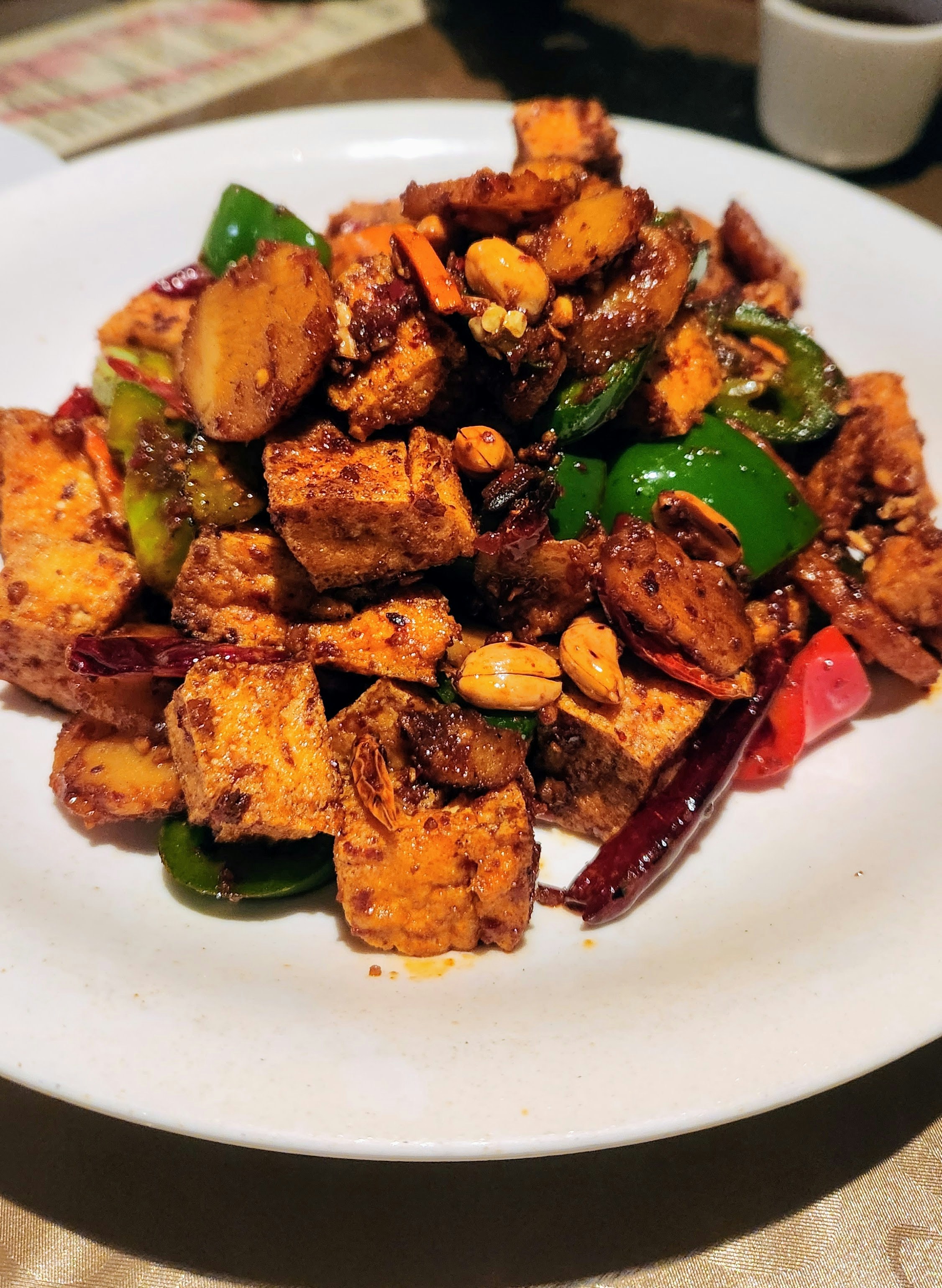
The Ultimate Guide to Kung Pao Chicken: A Comprehensive Food Review
Introduction to Kung Pao Chicken Kung Pao Chicken is a celebrated dish that has gained widespread popularity in both Chinese cuisine and across the globe. Originating from the Sichuan province of China, this stir-fried dish is distinguished by its unique combination of flavors, textures, and ingredients. The primary components include diced chicken, peanuts, and vegetables,
-
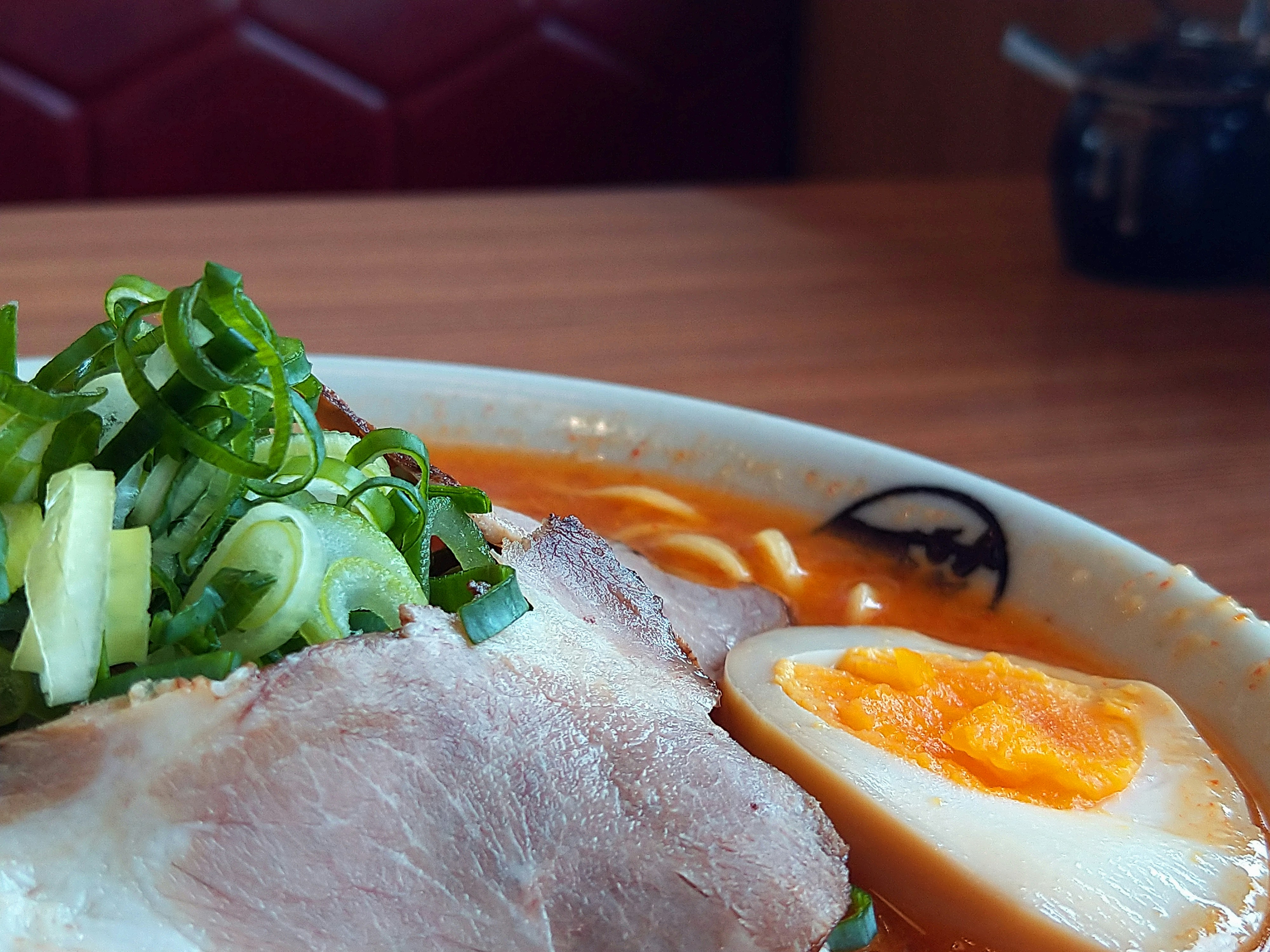
The Journey of Ramen: From Japan to the World
The Origins of Ramen Ramen, a staple in contemporary Japanese cuisine, boasts deep historical roots that trace back to China. The story of ramen begins in the late 19th century when Chinese immigrants introduced noodle soup dishes to Japan, particularly in port cities such as Yokohama. These early versions of ramen featured wheat noodles in
-
Why is Haleem a Popular Dish in Many Cultures?
What is Haleem? Haleem is a traditional dish renowned for its rich flavors and unique blend of ingredients, primarily originating from South Asian and Middle Eastern cuisines. This savory porridge-like preparation characterizes itself through a meticulous cooking process that transforms a mixture of wheat, barley, lentils, and various meats—commonly chicken, beef, or mutton—into a harmonious
-
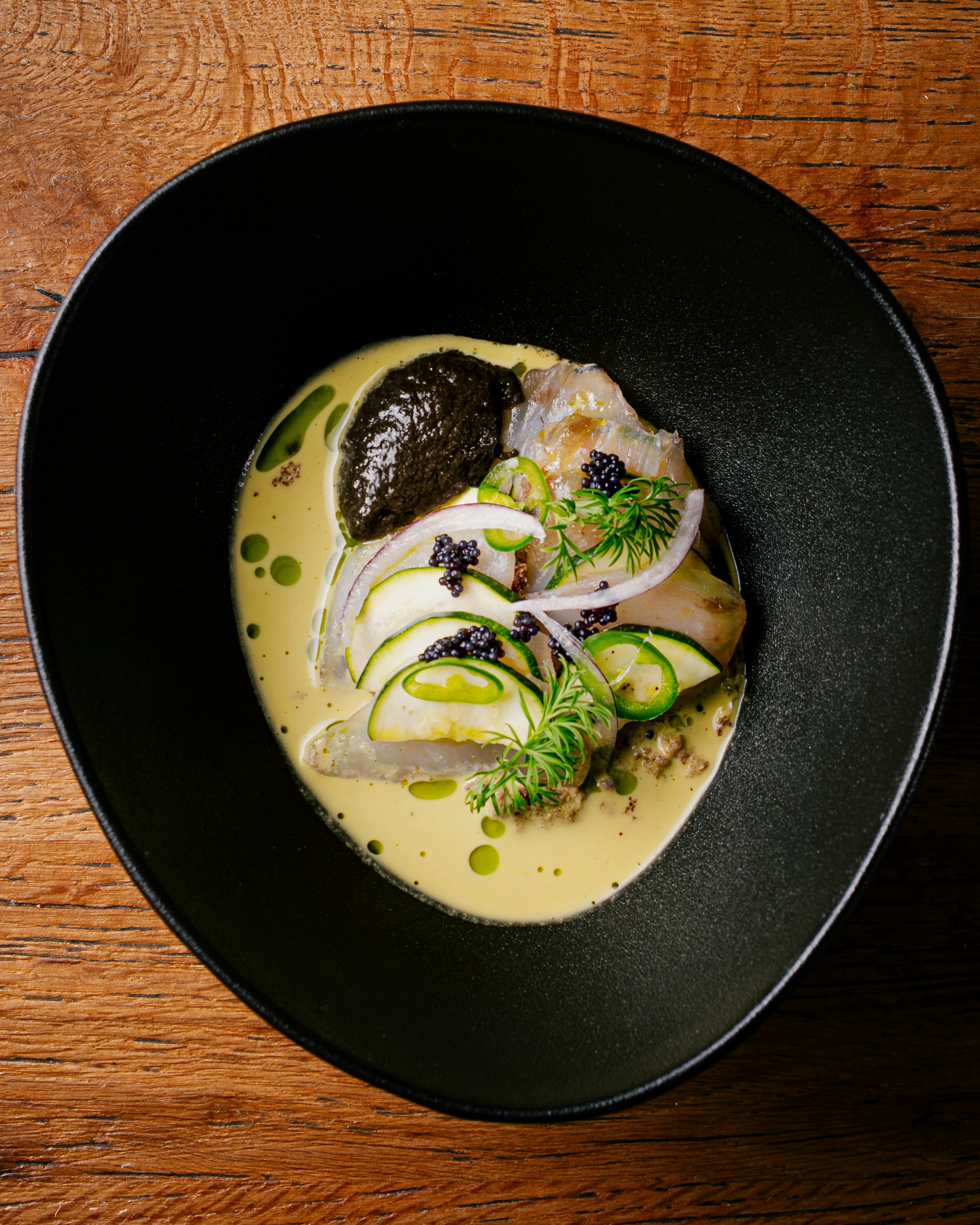
The Ultimate Guide to Herring: Taste and Tradition
Introduction to Herring Herring, a member of the Clupeidae family, is a small, oily fish that holds a prominent place in the culinary traditions of many cultures across the globe. Renowned for its rich flavor and nutritional benefits, herring has been a staple food item in various regions, particularly in Europe and parts of Asia.
-
Why Is Ratatouille Popular in French Cuisine?
The Essence of Ratatouille: A Professional Food Review Ratatouille, a classic Provençal dish, is celebrated not only for its vivid presentation but also for the harmonious blend of flavors that characterize it. At its core, the dish showcases a medley of vibrant vegetables including zucchini, eggplant, bell peppers, and tomatoes. Each ingredient plays a pivotal
-
What Makes Burritos So Delicious and Popular?
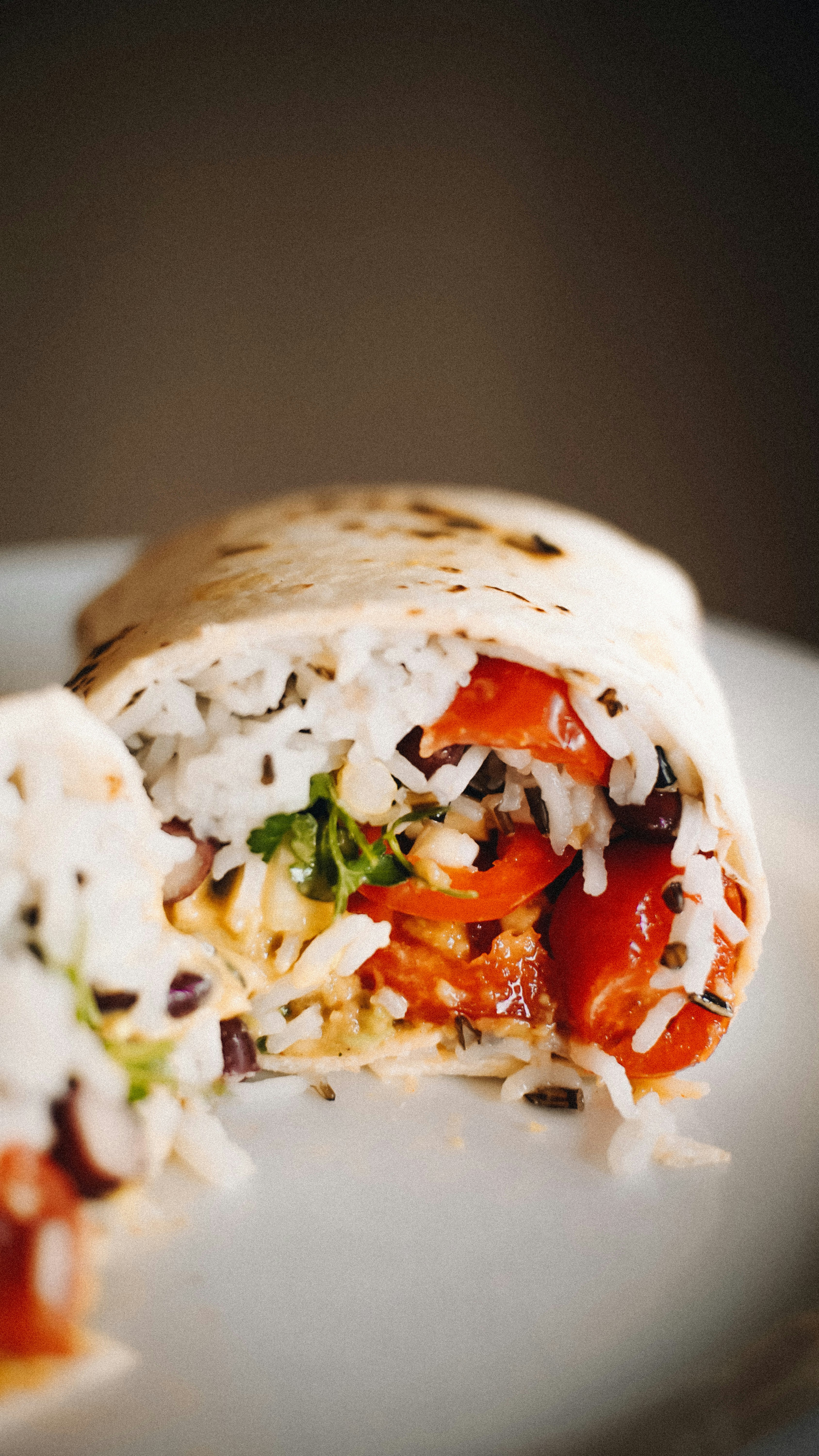
The Origins of the Burrito The burrito, a culinary creation that has delighted taste buds around the world, has its roots in Mexican cuisine, where it is believed to have originated in the northern regions of the country. Historical accounts suggest that the burrito can trace its lineage back to the early 20th century, although
-
What Makes Nihari Unique in Flavor and History?
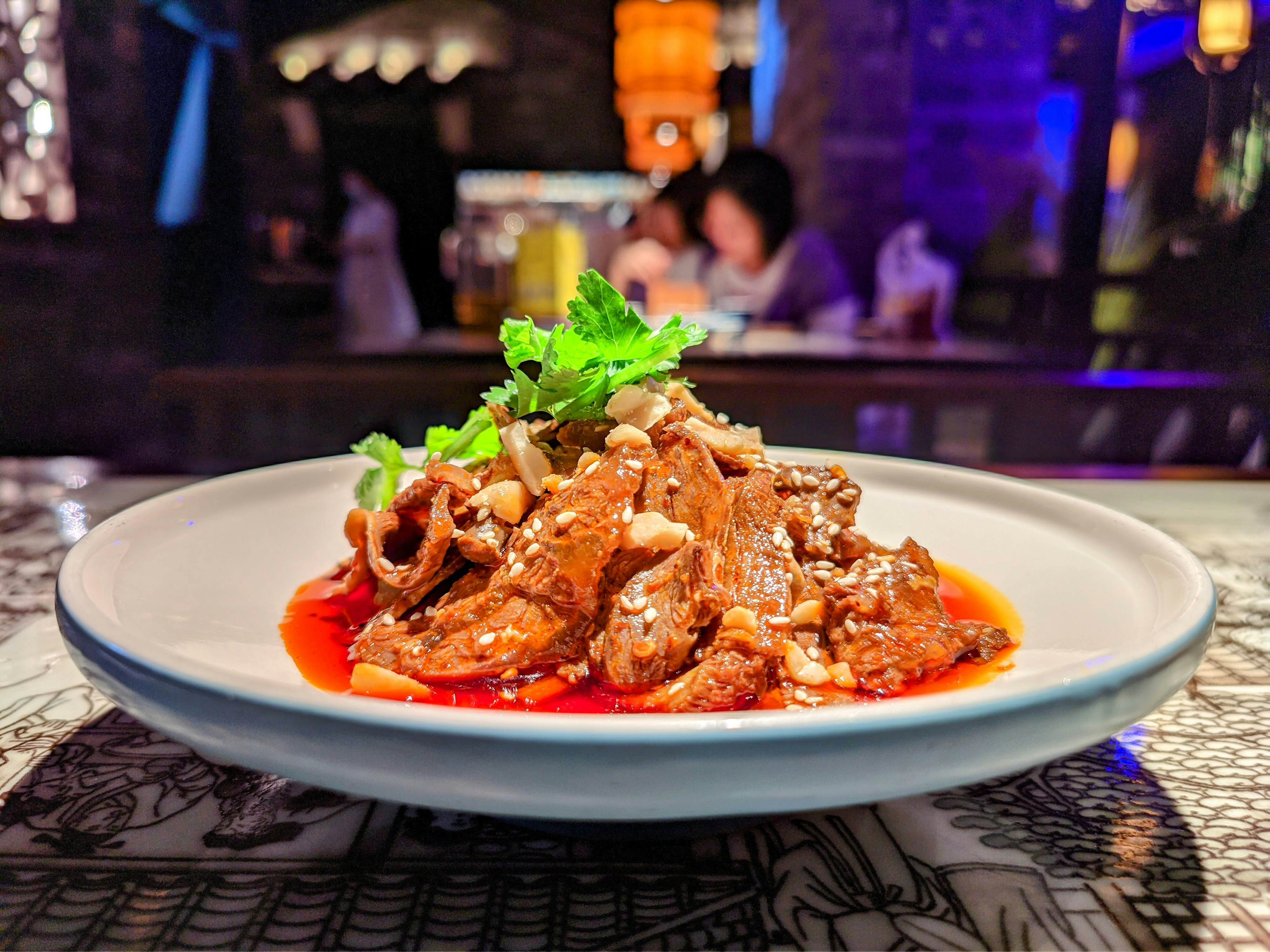
What is Nihari? An Introduction to the Dish Nihari is a slow-cooked stew hailing from the Indian subcontinent, particularly popular in Pakistan, India, and Bangladesh. Traditionally, Nihari is made with beef, although variations with goat, lamb, or chicken are also prevalent. The dish is characterized by its rich, flavorful broth that incorporates a unique blend
-
Why Are Empanadas Popular Worldwide
The Origin of Empanadas The empanada, a beloved pastry encasing a variety of fillings, traces its roots back to medieval times, specifically originating from the region of Galicia in Spain. Historical evidence suggests that the concept of wrapped fillings in dough became popular among the Galicians around the 15th century, likely influenced by the need
-
How to Explore Hummus Origins and Recipes
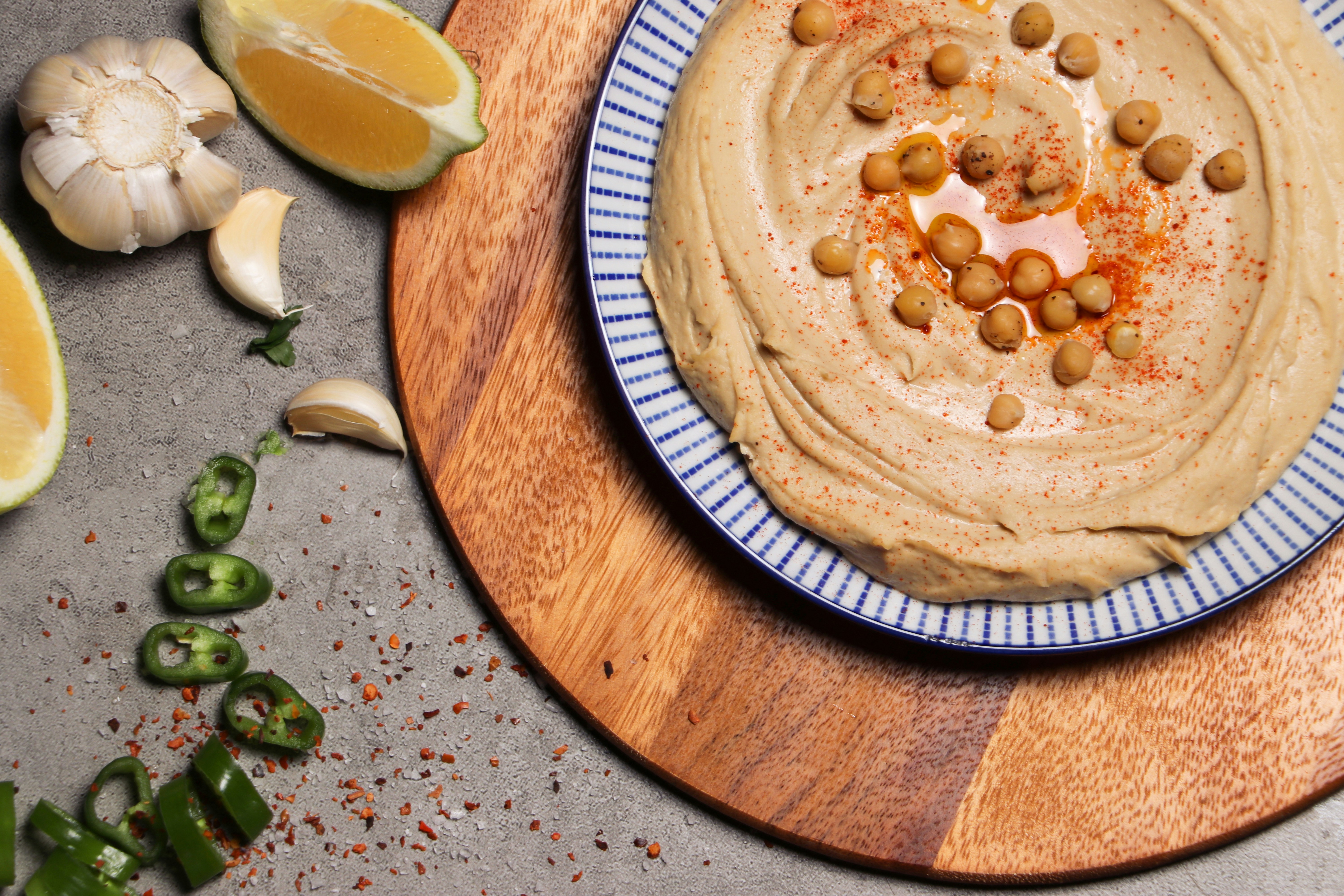
The Historical Roots of Hummus Hummus, a delicious dip made primarily from chickpeas, tahini, lemon juice, and garlic, has deep historical roots in the Middle East. The earliest references to a dish resembling hummus can be traced back to 13th-century cookbooks in the Levant region, which encompasses modern-day countries such as Lebanon, Syria, and Palestine.