
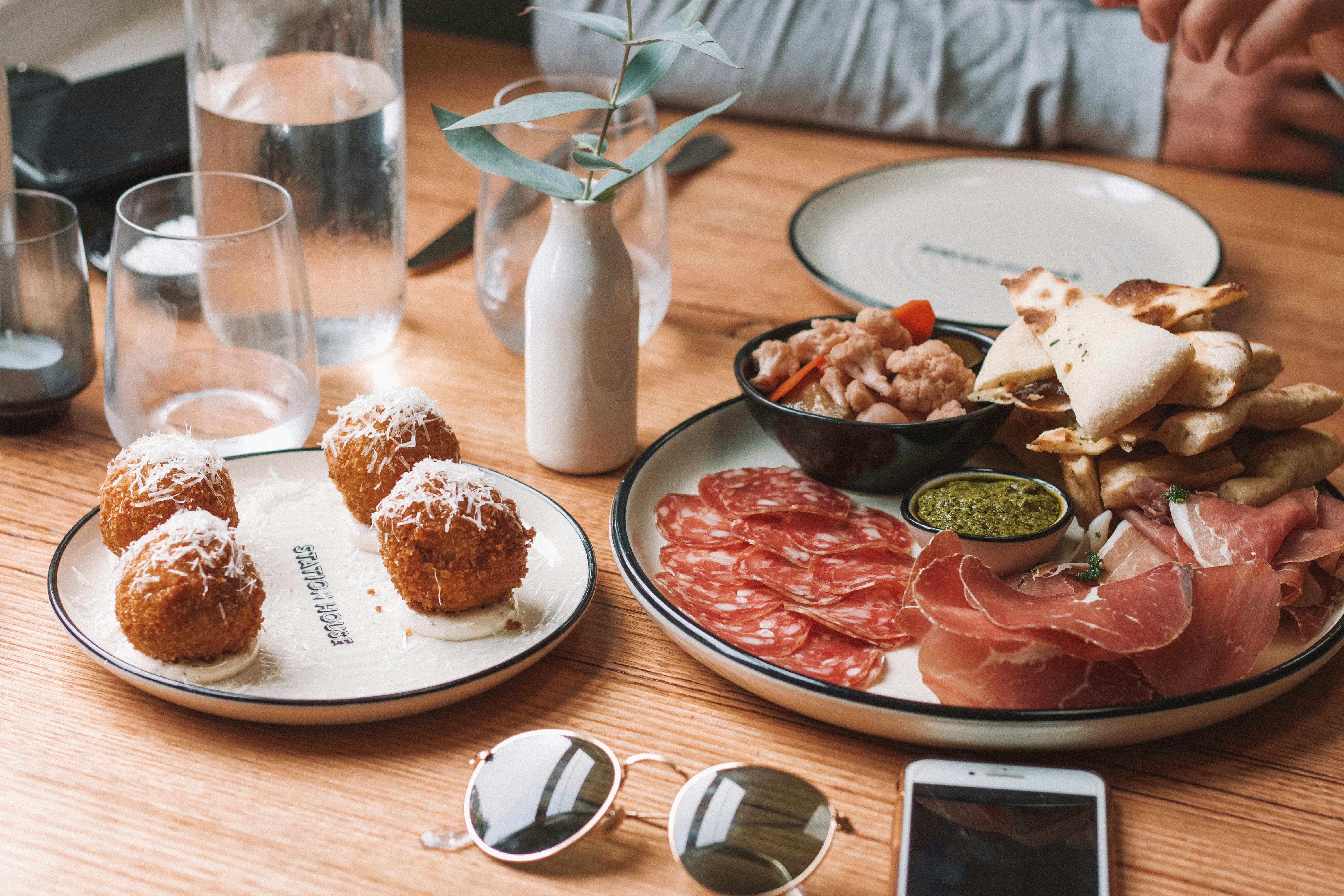
The Origin of Arancini
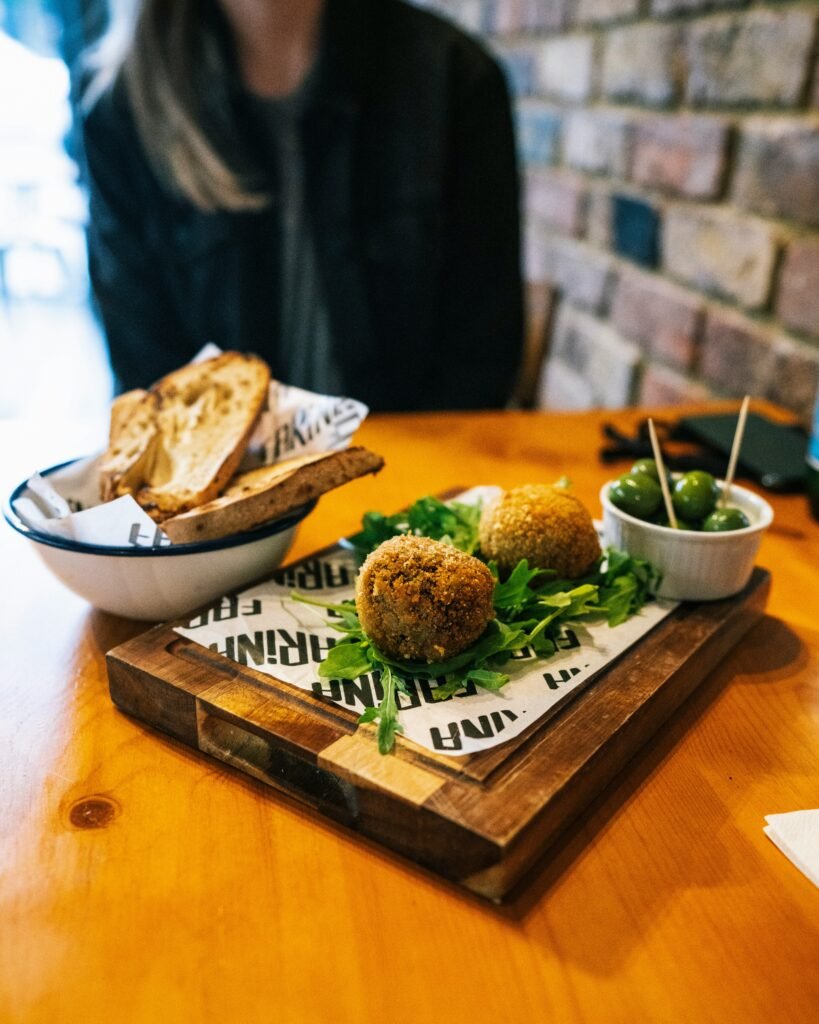
Arancini, the beloved Italian rice balls, find their roots in the rich culinary culture of Sicily. Historical records suggest that these delectable treats date back to the 10th century, during the time of Arab domination in Sicily. The Arabs introduced a variety of ingredients and cooking techniques, which ultimately paved the way for the development of arancini. Originally, these rice balls were filled with meat and vegetables, thus reflecting the diverse palate influenced by Arab cooking traditions.
As Sicilian cuisine evolved, so too did arancini. The traditional preparation method involves cooking short-grain rice, often Arborio, which is then flavored with saffron, providing a distinctive yellow hue. The rice is subsequently mixed with various fillings, such as ragù, peas, mozzarella, or ricotta, before being formed into a ball or cone shape. The filled rice balls are then coated in breadcrumbs and deep-fried until golden brown, resulting in a crispy exterior that contrasts beautifully with the creamy, flavorful interior.
The evolution of arancini also reflects the regional diversity of Italy. As travelers and immigrants ventured beyond Sicily, they brought with them their culinary practices, leading to regional adaptations. For instance, in Naples, the filling may include different ingredients such as ham or mushrooms, while in more contemporary settings, chefs experiment with unique flavors such as truffle or gourmet cheeses. This adaptability highlights the versatility of arancini, allowing it to remain a beloved dish across not only Italy, but also other parts of the world, as it captivates the taste buds of diverse audiences.
Cultural Significance of Arancini
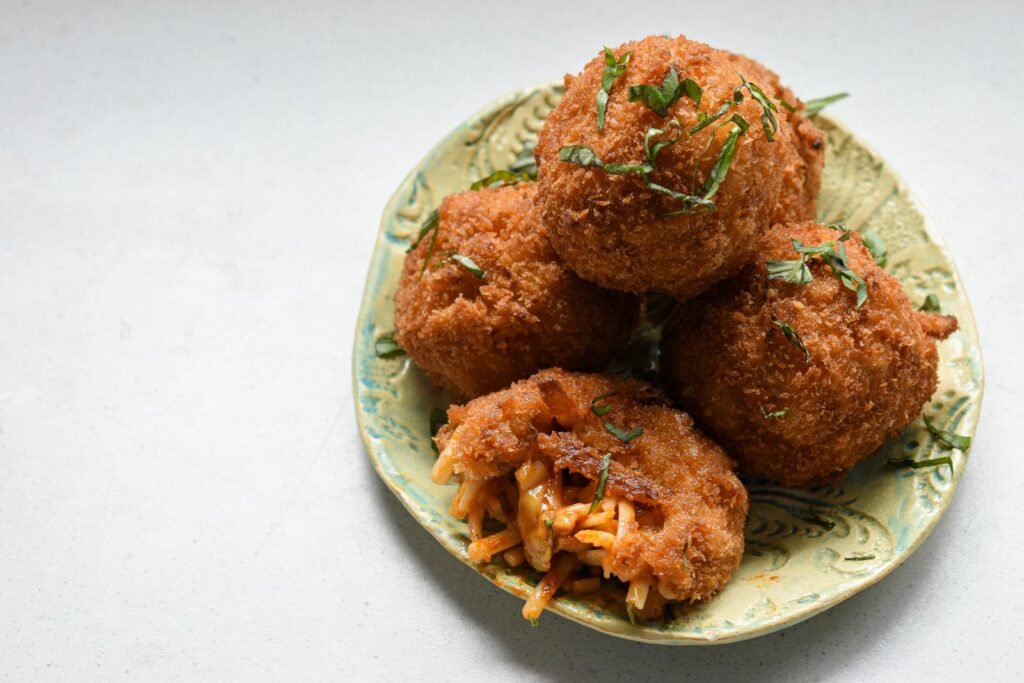
Arancini holds a special place in Italian cuisine, transcending mere sustenance to embody rich cultural traditions and communal values. These delectable rice balls, typically filled with savory ingredients and coated in breadcrumbs, are more than just a popular dish; they symbolize the warmth and connectedness inherent in Italian social gatherings. Traditionally, arancini are served during family celebrations, festivals, and communal meals, serving as a bridge that connects generations through shared recipes and cooking techniques.
In Sicilian culture, where arancini originated, these rice balls are often a centerpiece during significant events such as weddings, religious feasts, and family reunions. Each region in Italy has its variation, showcasing the diversity and richness of Italian culinary heritage. For instance, some versions are filled with ragù, while others feature cheese or vegetables, reflecting local tastes and available ingredients. This adaptability signifies not only a commitment to flavor but also a deep-rooted respect for local traditions and ingredients.
Moreover, the act of making arancini often encapsulates the spirit of cooperation and family engagement. Families typically come together in the kitchen, each member contributing to the preparation of this beloved dish. Such gatherings emphasize the importance of community, transforming cooking and eating into collective rituals that underscore Italian values of togetherness. The joy of sharing arancini with friends and family fosters bonds and reinforces the significance of shared experiences, making them integral to cultural celebrations.
Thus, arancini is not simply a dish but a cultural artifact that mirrors the essence of Italian life. Its presence at festivals and gatherings highlights the deep roots of community and family, affirming how food serves as a poignant reminder of shared heritage and tradition within Italian culture.
Unique Flavors of Arancini
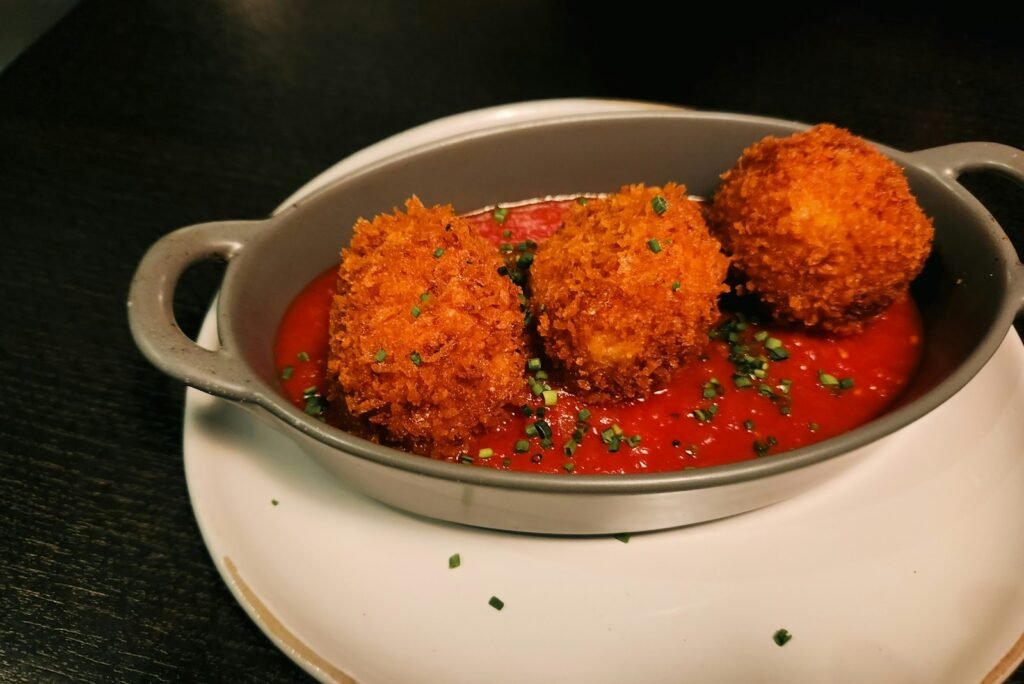
Arancini, the beloved Sicilian rice balls, present a delightful array of flavors that reflect both traditional recipes and innovative culinary adaptations. At their core, arancini are typically filled with a variety of savory ingredients, creating a rich tapestry of taste experiences that cater to diverse palates. The classic fillings, such as meat ragu, peas, and molten mozzarella, remain timeless favorites. Each bite of these rice balls provides a comforting encounter, where the creamy mozzarella mingles with the rich, meaty sauce, enhanced by a delicate seasoning that brings these fillings to life.
As arancini have gained popularity beyond their Sicilian roots, chefs around the world have embraced the opportunity to experiment with bold and unexpected flavor combinations. Contemporary interpretations often feature fillings like spicy arrabbiata sauce, creamy truffle oil-infused mushrooms, or even roasted vegetables. Such creative twists not only highlight the versatility of arancini but also reflect the cultural influences that shape culinary practices globally.
The role of spices and seasonings cannot be overstated in creating these unique flavor profiles. Ingredients such as saffron, nutmeg, and even citrus zest are sometimes incorporated to elevate the traditional taste experience. In some regions, the inclusion of herbs like basil or oregano introduces fresh notes that contrast beautifully with the richness of the fried exterior. This layering of flavors showcases the adaptability of arancini, allowing each region and chef to infuse their culinary identity into this classic dish.
The evolution of arancini’s flavors serves as a testament to its enduring appeal. As it continues to inspire chefs and home cooks alike, the journey of arancini reflects a dynamic interplay of tradition and innovation, making each bite a celebration of both taste and culture.
Textures of Arancini
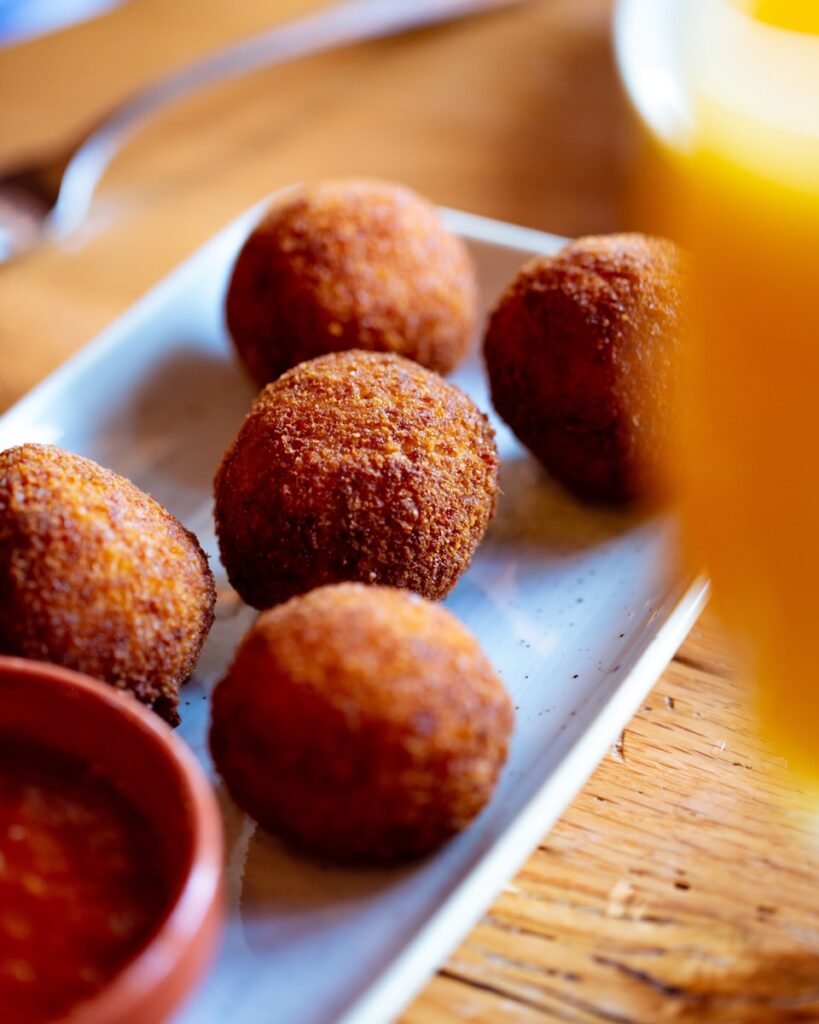
Arancini, the delightful Italian rice balls, present a compelling sensory experience that captivates those who venture to taste them. The hallmark of arancini lies in their dual textures: the contrast between a crispy, golden-brown exterior and a creamy, flavorful interior. This unique interplay of textures elevates arancini from mere comfort food to a culinary delight, making it a favorite among many.
The preparation technique significantly influences the texture of arancini. Traditionally, arancini are deep-fried, a method that results in a crunchy shell that encases the soft, risotto-like filling. The deep-frying process caramelizes the outer layer, imparting a rich flavor and crispy finish that is both satisfying and appetizing. However, there is an alternative approach—baking. Baking can produce a lighter version of arancini, providing a different textural experience, although often at the expense of the intense crunch attained through frying. This method tends to yield a slightly chewier exterior, which some may find preferable for health reasons or personal taste.
The type of rice used in preparing arancini also plays a pivotal role in determining the resulting texture. Different varieties of rice, such as Arborio and Carnaroli, feature varying levels of starch, which directly affects creaminess and cohesion within the filling. Arborio rice, known for its high starch content, yields a creamier interior that complements the crispy outer layer superbly. Alternatively, using a less starchy rice variety might produce a less creamy experience, leading to a firmer filling. Thus, choosing the appropriate rice can dramatically impact the overall texture and flavor of arancini and should be considered a critical aspect of their preparation.
Visual Appeal of Arancini
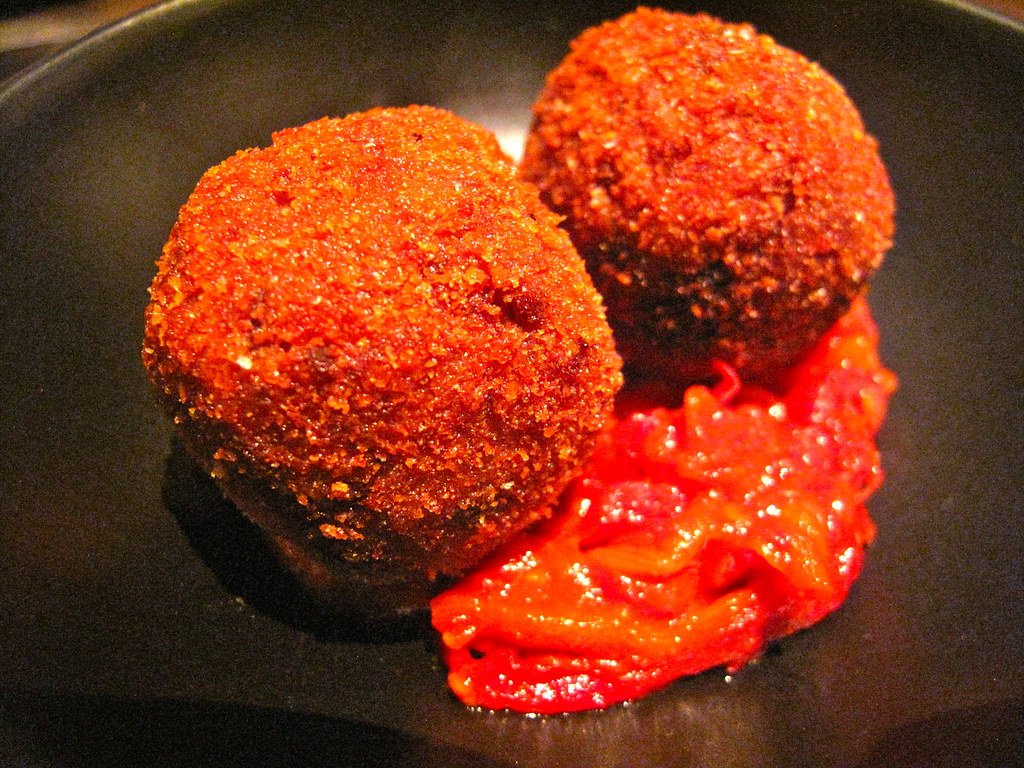
Arancini, the delightful Italian rice balls, possess a remarkable visual appeal that captivates both the eyes and the palate. Their golden-brown crust, often achieved through a perfectly executed frying process, creates a stunning contrast against the vibrant fillings. This deep, rich hue is not only inviting but also suggests a satisfying crunch that is expected with each bite. The first impression of arancini is one of warmth and indulgence, a visual cue signaling the flavors that lie within.
Furthermore, the stuffing of arancini is a canvas for culinary creativity, often incorporating a spectrum of colorful ingredients. Common fillings include bright green peas, rich red marinara sauce, and decadent melted cheese, all of which contribute to the overall aesthetic allure. These vibrant components not only enhance the visual experience but also promise a delightful combination of flavors and textures. As arancini are enjoyed at gatherings, their visual diversity allows them to stand out on a platter, making them an eye-catching centerpiece at any event.
In terms of presentation techniques, arancini can be plated in various ways to enhance their aesthetic appeal. For instance, serving them on a rustic wooden board accompanied by a sprig of fresh basil and a drizzle of balsamic glaze can elevate their charm. Alternatively, placing them in a small dish filled with marinara not only accentuates their colors but also invites diners to dip and savor each bite. Creative presentations can include the use of contrasting colors in garnishes, such as bright red cherry tomatoes or a sprinkle of green herbs, which frame the golden orbs beautifully.
The allure of arancini, therefore, is not just about taste, but significantly about their visual presentation as well. These elements collectively create an enticing experience, making arancini a feast for the eyes and an irresistible choice for food lovers. As one admires the artistry behind these rice balls, it becomes clear that their visual appeal is an integral part of the overall enjoyment.
Appearance of Dishes
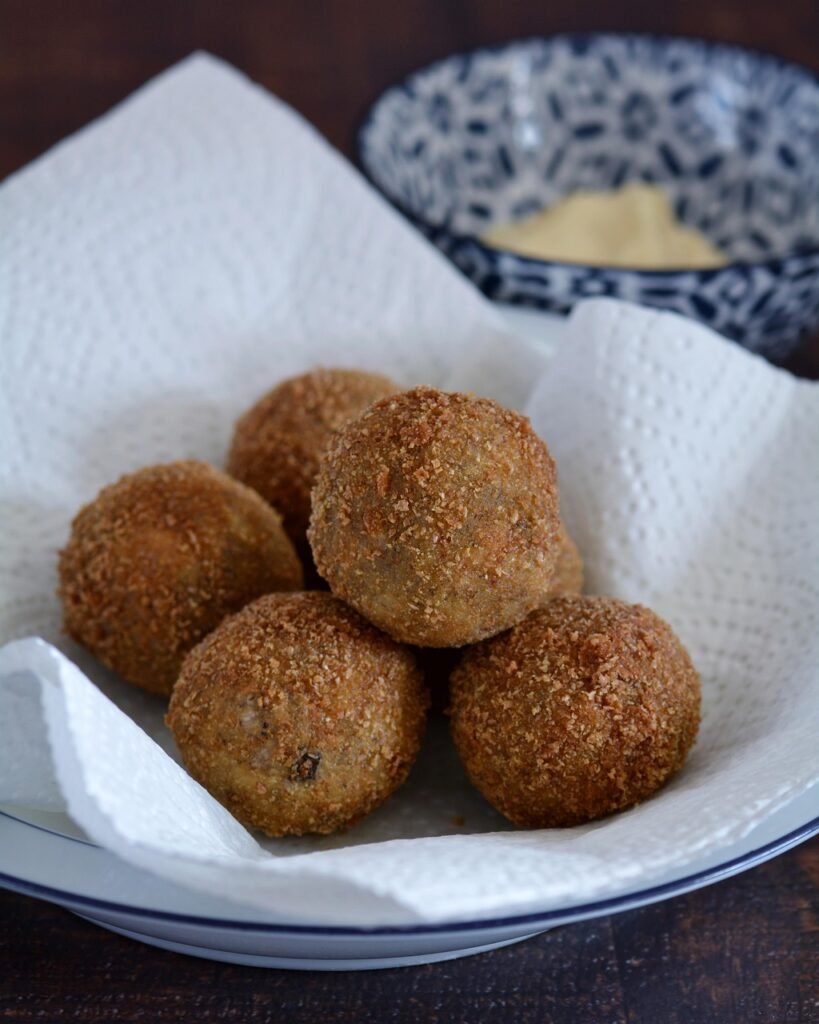
Arancini, the renowned stuffed and fried rice balls hailing from Sicily, showcase a visually enticing presentation that captivates diners. The golden-brown, crispy exterior forms a delightful contrast to the soft, flavorful interior, which often includes fillings such as ragù, peas, and cheese. This aesthetic quality is not unique to arancini, as other cultures boast similar dishes that reflect comparable appearances and textures.
Take, for example, the Italian risotto balls, which bear a striking resemblance to arancini. Although typically not molded into a spherical shape, they may sometimes be shaped into small spheres before undergoing a frying process. These versions of risotto balls often feature variations in fillings and seasonings, making them a cousin to arancini rather than an identical counterpart. The presentation of risotto balls often varies, with some plated elegantly, accompanied by a savory sauce, showcasing an appreciation for visual appeal akin to arancini.
Another noteworthy dish is the Spanish croquette, which, while distinct in its fundamental ingredients and preparation methods, delivers a similar psychological and visual experience. Typically encased in a crispy breadcrumb coating, croquettes can be filled with mashed potatoes, meats, or seafood. The rounded form of croquettes, similar to arancini, enhances their visual appeal, drawing people in with the promise of a satisfying crunch upon biting into them. Yet, despite these visual similarities, the flavor profiles and cultural significances vary, setting each dish apart.
While arancini, risotto balls, and croquettes may share a common theme in their appealing appearance and deep-fried goodness, what differentiates them lies not only in their ingredients and techniques but also in the histories and traditions that elevate each dish within its respective culture. These nuances contribute to the allure of arancini, enriching the culinary landscape with diverse, delicious offerings from around the globe.
Plating Arancini: Techniques and Tips
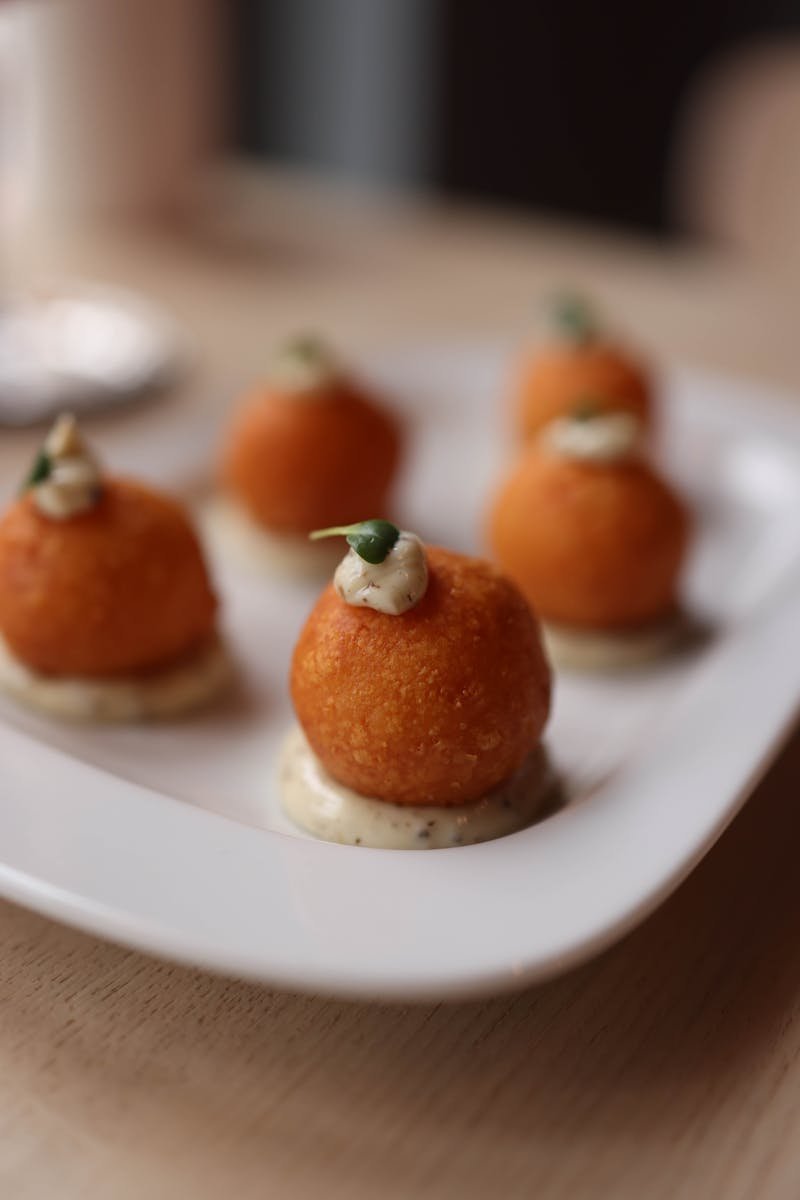
When it comes to plating arancini, presentation plays a crucial role in enhancing the dining experience. The visual appeal of a dish can set the stage for a memorable meal, especially with a treat like arancini, which boasts a delectable filling and a crispy exterior. To create an enticing presentation, consider the colors, shapes, and textures of the ingredients on the plate.
One effective technique is to arrange the arancini on the plate in a staggered fashion, allowing for visual movement that draws the eye. This approach not only highlights the golden-brown crust of the arancini but also invites diners to explore the dish further. For a refined touch, a smear of sauce can be applied to the plate, creating a striking backdrop for the arancini. Tomato sauce or a basil pesto are excellent options, as their vibrant colors contrast beautifully with the golden color of the fried rice balls.
Garnishes play an essential role in elevating the presentation. Fresh herbs like parsley, basil, or microgreens can be scattered around the plate for a splash of color and freshness. Additionally, a sprinkle of grated cheese or a drizzle of balsamic reduction can enhance flavor while providing a visually appealing finish. For texture contrast, consider serving arancini alongside a crunchy side, such as a vibrant salad with mixed greens and seasonal vegetables.
For those looking to add a unique twist, try incorporating themed plating based on the filling within the arancini. For instance, if the arancini contains mushrooms, integrating sautéed mushrooms as a side or a mushroom cream sauce can create a harmonious plate. These thoughtful touches demonstrate attention to detail and an elevated understanding of flavor pairing. Through these plating techniques, arancini can transcend their humble origins, becoming a centerpiece worthy of admiration in any culinary setting.
Dishes That Taste or Look Similar to Arancini
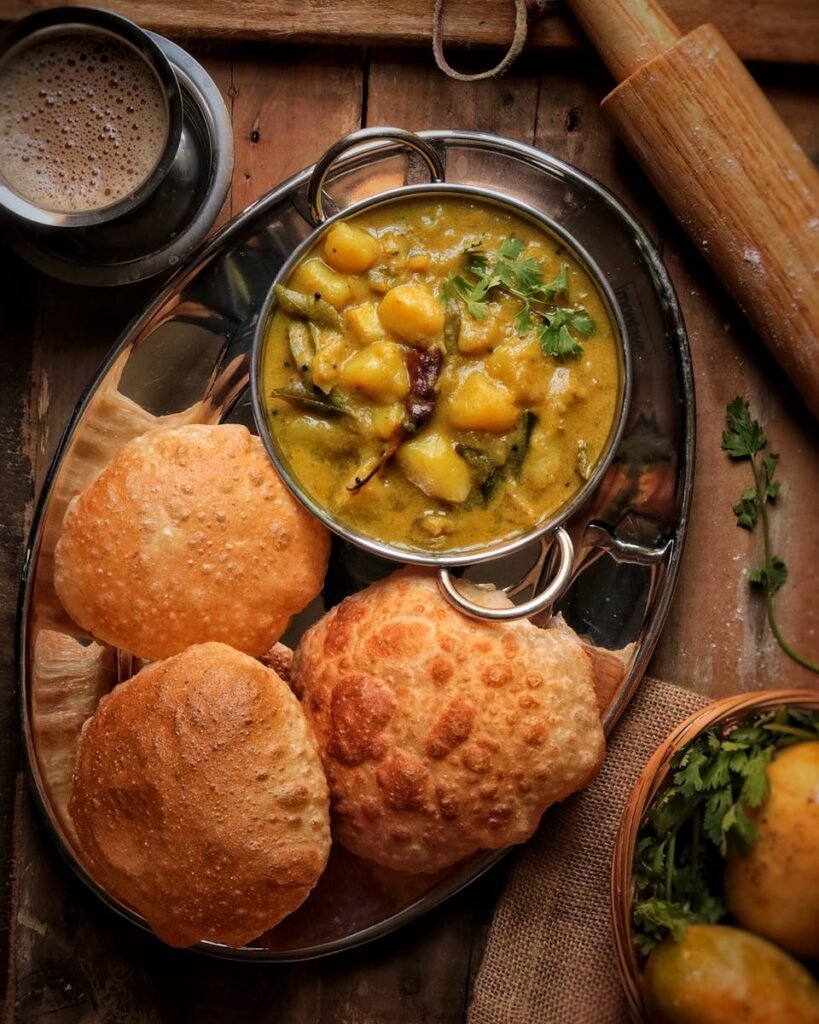
Arancini, the iconic Sicilian rice balls, have inspired a plethora of similar dishes worldwide, each showcasing distinct cultural characteristics while sharing key elements like rice or potatoes as a base. One noteworthy counterpart is croquetas, a popular Spanish dish. Croquetas are usually filled with béchamel and various ingredients such as ham, fish, or vegetables, then coated in breadcrumbs and deep-fried, offering a creamy interior and crunchy exterior akin to that of arancini.
Moving to Eastern Europe, we find pirozhki, a Russian pastry filled with a variety of ingredients, including potatoes, rice, or meat. Like arancini, pirozhki can be fried or baked, resulting in a golden dough encasing flavorful fillings. The versatility of both dishes highlights how basic ingredients can culminate in diverse culinary expressions.
In South Asia, one might encounter samosas, triangular pastries filled with spiced potatoes and peas. Though traditionally not rice-based, the emphasis on deep-frying and savory filling creates a parallel with arancini. Similarly, in Middle Eastern cuisine, the kibbeh stands out. Often comprising a bulgur crust filled with minced meat and spices, kibbeh delivers a complex taste profile that echoes the flavorful fillings of arancini.
When considering the world of potatoes, the aloo tikki, a North Indian snack, emerges as another similar offering. Typically spiced mashed potatoes formed into patties and fried, these resemble the comforting interior of arancini. Finally, one cannot overlook the Italian supplì, a Roman snack that shares much with arancini, as both feature rice and a cheesy core, making them quintessential examples of Italian street food.
These dishes not only share visual and flavorful similarities with arancini but also reflect the cultural narratives and culinary traditions of their respective origins, thereby enriching our understanding of the global appreciation for hearty, flavorful snacks. As a bridge between diverse cuisines, arancini finds its place among these delectable creations.
Conclusion: The Enduring Appeal of Arancini
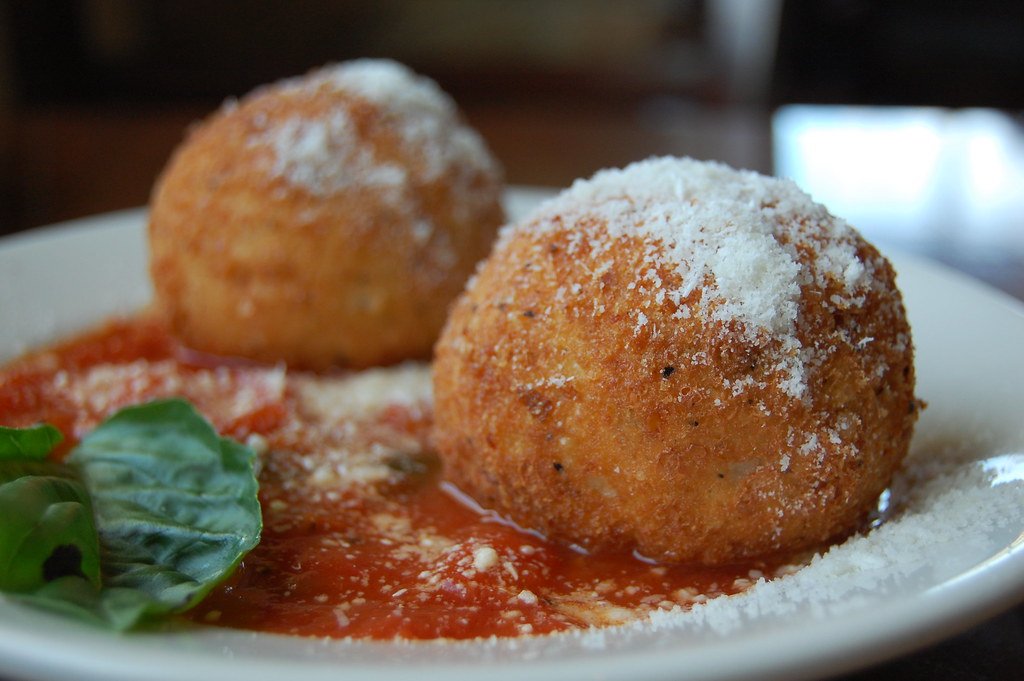
Arancini, with their golden, crispy exterior and a delightful array of flavorful fillings, have undoubtedly carved a niche for themselves in the hearts of food enthusiasts worldwide. This Italian delicacy, rooted in Sicilian tradition, embodies not just nourishment but also the essence of culinary craftsmanship that has been passed down through generations. The enduring appeal of arancini can be attributed to a combination of their rich history, cultural significance, and versatility, which enables them to adapt to evolving tastes and preferences.
The historical journey of arancini, believed to date back to the 10th century, showcases the dish’s resilience and capacity to evolve over time. Initially, arancini were crafted as a way to utilize leftover risotto. Today, they have transformed into an iconic dish appreciated for their flavor and variety. From classic fillings like ragù, peas, or mozzarella to contemporary twists featuring gourmet ingredients, arancini resonate with both traditionalists and avant-garde chefs. This adaptability enhances their position as a cornerstone of not only Sicilian cuisine but also the broader Italian culinary scene.
Moreover, the communal aspect of sharing arancini enhances their allure. Traditionally served at gatherings, these delectable snacks evoke a sense of togetherness, making them an ideal addition to festive occasions and family gatherings. The simple act of enjoying arancini fosters connections, bridging generational gaps and enriching cultural exchanges. For aspiring cooks and culinary adventurers, creating arancini offers a fulfilling experience where one can explore flavors, engage with a time-honored technique, and express individuality. We encourage readers to experiment with their own variations, reflecting personal tastes while honoring the dish’s storied heritage. The arancini’s captivating essence is certain to continue weaving its way into the modern global gastronomic landscape, inviting everyone to partake in its enduring charm.