
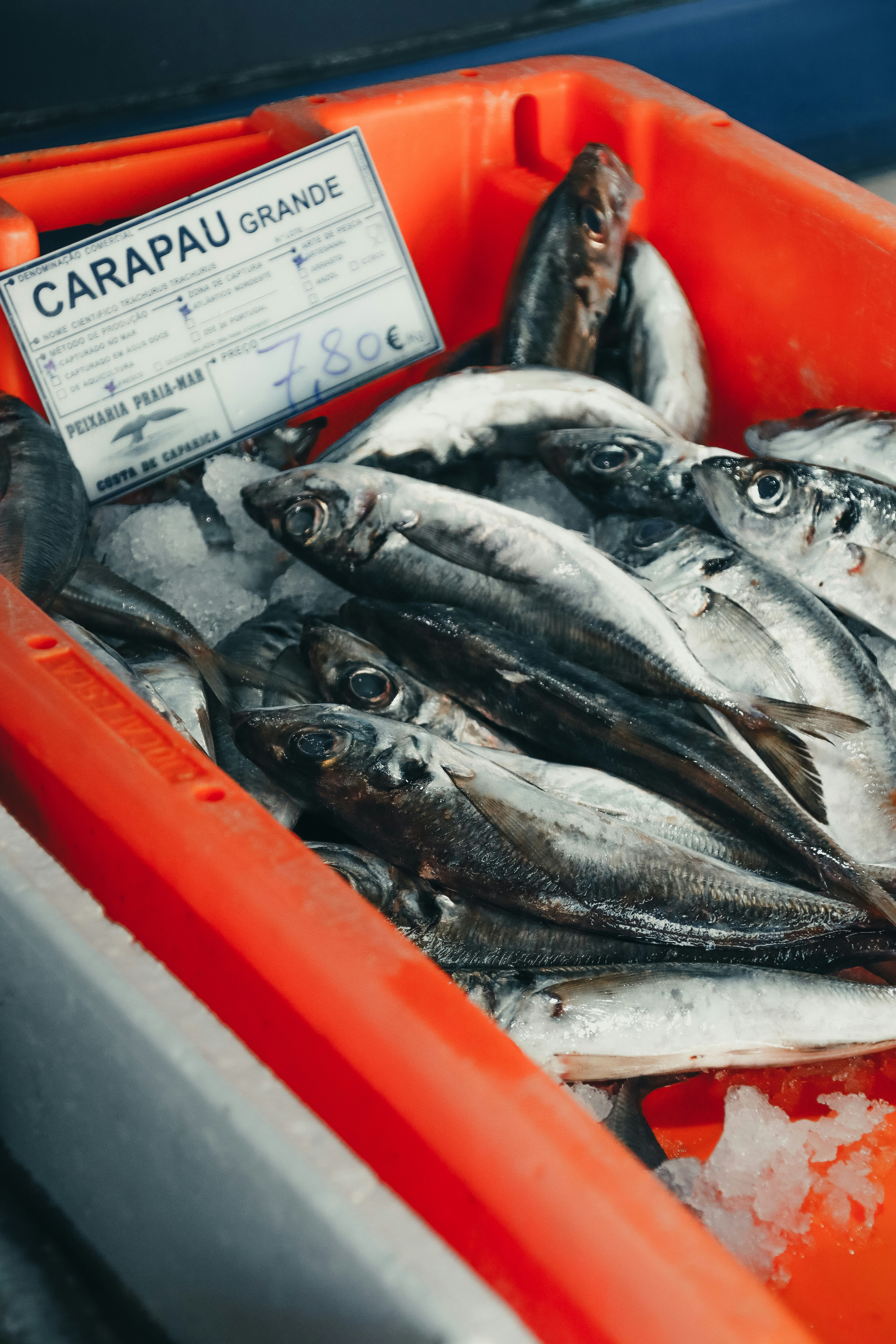
- Introduction to Bacalhau
- The Origins of Bacalhau
- Cultural Significance of Bacalhau
- Unique Flavors and Textures of Bacalhau
- The Visual Appeal of Bacalhau Dishes
- Popular Bacalhau Dishes and Preparations
- Pairings and Accompaniments for Bacalhau
- Bacalhau Around the World
- Conclusion: The Enduring Legacy of Bacalhau
Introduction to Bacalhau
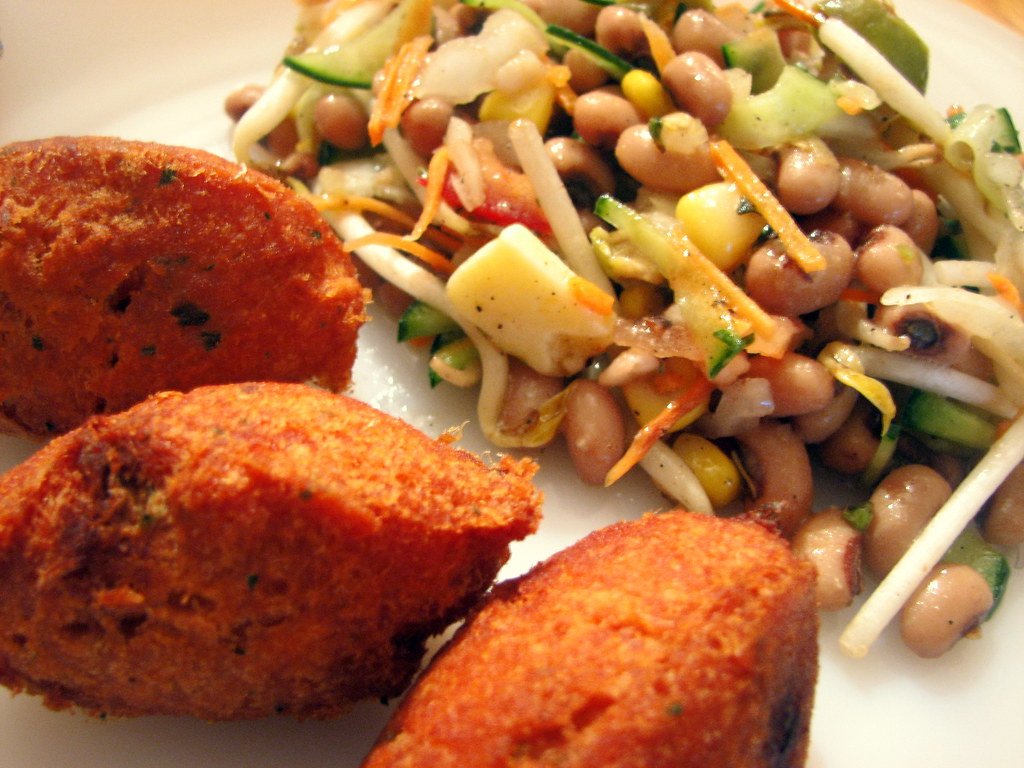
Bacalhau, commonly known as salt cod, holds a significant place in Portuguese cuisine and culture. This type of codfish is prepared through a traditional process of salting and drying, which dates back several centuries. The preservation method allows it to be stored for extended periods without refrigeration, making it an invaluable food resource, especially in regions where fresh fish may not be readily available. Its historical importance can be traced back to the Age of Discovery, when Portuguese sailors relied on bacalhau as a sustainable source of protein during long voyages. The ability to transport and store bacalhau effectively made it a staple among seafaring Portuguese, contributing to its status as a key ingredient in numerous dishes.
The culinary versatility of bacalhau has enabled it to integrate seamlessly into various cuisines, extending its appeal beyond Portuguese traditions. In many cultures, bacalhau is celebrated for its rich flavor and ability to absorb accompanying spices and ingredients, making it a favorite in festive celebrations and family gatherings. For instance, in Portugal, it is customary to serve bacalhau at Christmas Eve dinners, often prepared in a variety of ways, such as bacalhau à Brás or bacalhau com natas. Similarly, in Brazil, bacalhau is a popular dish during Easter and New Year’s celebrations, showcasing its widespread influence.
Beyond its cultural significance, bacalhau represents the intersection of tradition and innovation in culinary practices. As chefs around the world experiment with this classic ingredient, it continues to evolve, attracting new generations of food enthusiasts. While its roots are firmly planted in the past, the allure of bacalhau persists, demonstrating its lasting relevance in the evolving landscape of global gastronomy.
The Origins of Bacalhau

The history of bacalhau, or salted cod, is deeply intertwined with the fishing traditions of the North Atlantic, tracing back several centuries. Initially, the practice of preserving fish through salting can be attributed to the Norse and Celtic fishermen, who recognized the necessity of long-term food storage. This age-old method not only allowed for the preservation of seafood but also opened the door to an expansive trade network, particularly from the late 15th century onwards.
As the Age of Exploration unveiled new territories and trade routes, European powers, especially the Portuguese, capitalized on the plentiful cod populations found off the coasts of Newfoundland and Greenland. This fish became a critical resource, as it could support large voyages and sustain soldiers, sailors, and explorers. The process of drying and salting cod ensured it could withstand long journeys without spoiling, making it an invaluable asset in the age of discovery.
By the 16th century, bacalhau had established itself as a staple within Portuguese cuisine. Its economic significance played a transformative role in both maritime and agricultural sectors, leading to the establishment of numerous fish-salting industries along the Atlantic coast. The Portuguese began incorporating bacalhau into their diets in various forms, leading to a culinary diversity that included recipes such as bacalhau à brás and bacalhau espiritual.
Moreover, as Portugal expanded its influence globally through colonization, bacalhau was introduced into its former colonies in Africa, South America, and Asia. This dissemination helped propagate bacalhau as a favorite dish while intertwining it with local ingredients and cooking methods, thereby enriching its culinary heritage. The evolution of bacalhau over the years not only underscores the rich history of fishing practices but also highlights its cultural significance as a symbol of sustenance and identity in several regions.
Cultural Significance of Bacalhau

Bacalhau, or salted cod, holds a distinctive place in the culinary heritage of numerous countries, especially Portugal, where it is often considered the national dish. Its cultural significance is deeply rooted in traditions that transcend mere gastronomy. This versatile ingredient features prominently in family gatherings and festive occasions, symbolizing not just nourishment but also a connection to family history and regional identity.
One of the most notable aspects of bacalhau’s cultural significance is its role during religious observances, particularly during Lent. In many Christian traditions, especially among Catholics, bacalhau is a staple for Friday meals, as the practice of abstaining from meat leads families to turn to seafood alternatives. This tradition has given rise to iconic dishes such as Bacalhau à Brás and Bacalhau com Natas, which creatively showcase this ingredient’s adaptability. These dishes are not only served at religious observances but are also integral to the culinary calendar, highlighting the deep-rooted connection between food, faith, and tradition.
Beyond religious practices, bacalhau brings families together, often serving as the centerpiece of meals during significant holidays such as Christmas and Easter. The preparation and consumption of bacalhau are social events in themselves, with family members often gathering to share recipes and techniques passed down through generations. Each region in Portugal boasts its unique customs and variations when it comes to bacalhau dishes, reflecting local ingredients and culinary styles. Whether it’s served as a comforting stew or a sophisticated dish in an upscale restaurant, bacalhau remains a cherished element of the cultural fabric, uniting people in the appreciation of its flavors and the stories it carries.
Unique Flavors and Textures of Bacalhau
Bacalhau, or salted cod, presents a unique gastronomic experience that is truly distinct from other seafood. The drying and curing processes it undergoes play a pivotal role in developing its exceptional flavors and textures. Initially, freshly caught cod is salted and then air-dried, a technique that not only preserves the fish but also introduces a distinctive umami flavor. This intricate method of preservation enhances bacalhau’s taste, contributing a complex spectrum of flavors that are both savory and slightly sweet, making it a versatile ingredient in various culinary traditions.
The characteristic saltiness of bacalhau is one of its defining traits. The salting process serves to intensify the natural flavors of the fish, while also acting as a safeguard against spoilage. This noteworthy salt content provides a unique flavor dimension that distinguishes bacalhau from non-preserved fish. However, it is essential to note that prior to cooking, adequate soaking is necessary to rehydrate the cod and reduce its saltiness, thus allowing for a well-balanced dish. When prepared correctly, bacalhau can impart a rich, layered taste that is both satisfying and refreshing.
In terms of texture, bacalhau offers an intriguing mouthfeel. The drying process results in a firm yet flaky texture, which plays a significant role in why it is a popular choice for a variety of recipes, from stews to salads. Once cooked, bacalhau becomes tender, revealing a flaky quality that easily falls apart while retaining its shape. This firm texture makes it ideal for grilling and frying, as it holds up well during cooking and adds a delightful contrast to softer accompanying ingredients. The harmonious interplay between its unique flavor profile and textural elements ultimately elevates bacalhau as a cherished staple in many cuisines.
The Visual Appeal of Bacalhau Dishes
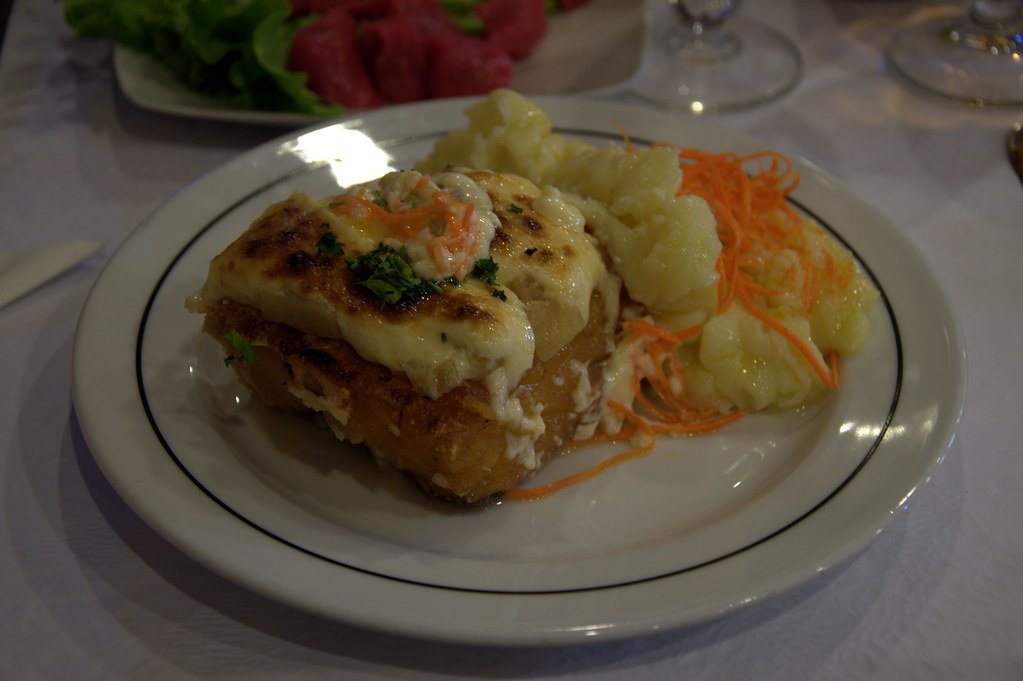
Bacalhau, or salted cod, is renowned not only for its rich flavor and versatility but also for its striking visual presentation when served. The aesthetics of bacalhau dishes play a significant role in their overall appeal, making them as much a feast for the eyes as they are for the palate. The preparation and plating of bacalhau involve a careful balance of colors and textures, enhancing both its attractiveness and its gastronomic allure.
The predominant pale golden hue of bacalhau perfectly contrasts with the vibrant colors of its accompaniments. When served, one often finds slices of bacalhau accompanied by peppers in shades of red, yellow, and green, creating a lively and inviting visual display. These colorful vegetables, often roasted or sautéed, not only complement the cod’s flaky texture but also provide a bright, appetizing appearance that draws diners in.
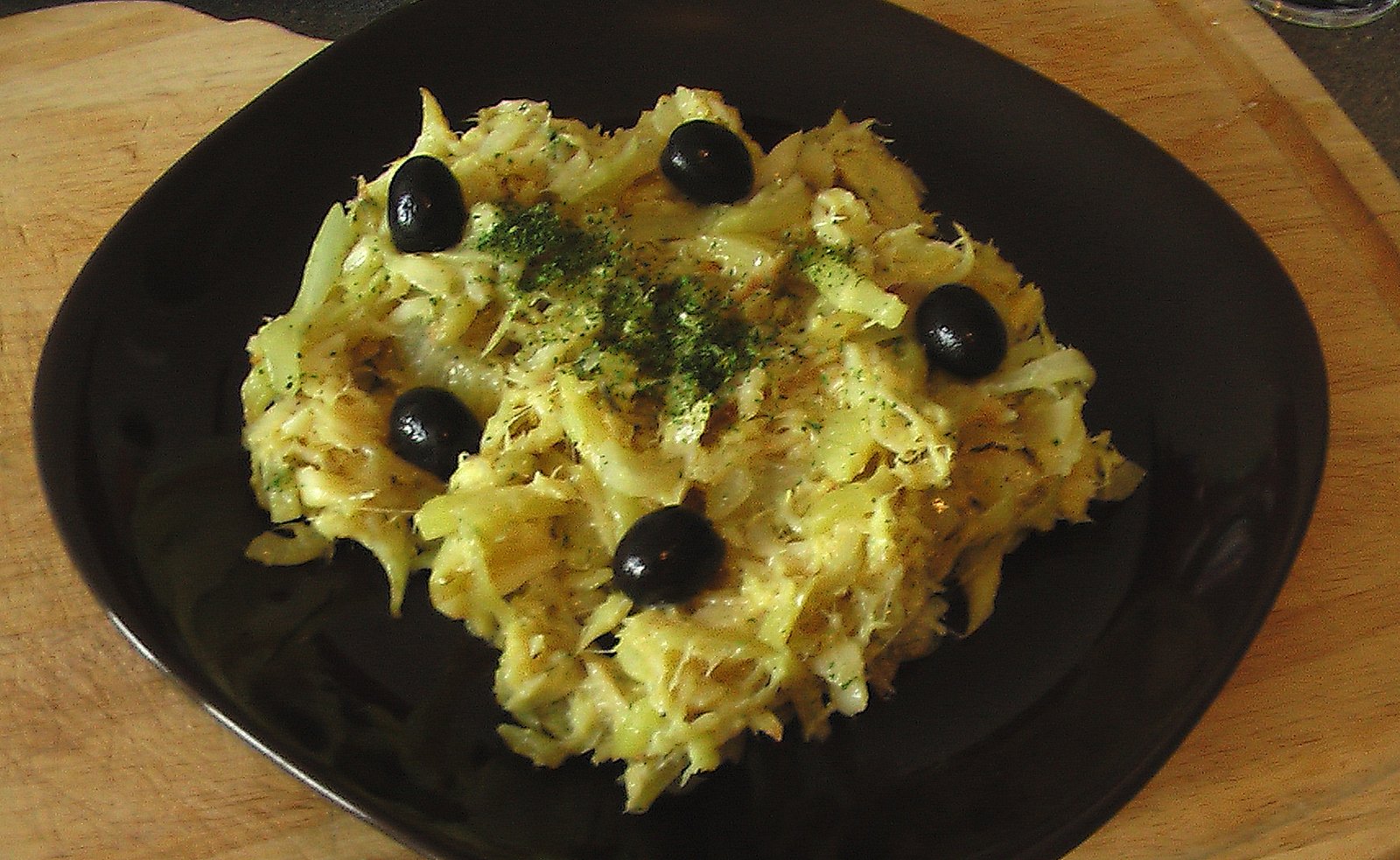
Garnishes such as fresh herbs, olives, and lemon wedges add additional layers of visual interest. The deep green of parsley or cilantro, the striking blacks of olives, and the bright yellow of lemon against the white of the cod come together to create a palette that is both appealing and appetizing. The presentation can vary greatly depending on the specific recipe or culinary tradition; for example, a bacalhau à Brás dish, featuring finely shredded bacalhau mixed with onions and fried potatoes, is artfully topped with a sprinkle of black olives and parsley, resulting in an enticing combination.
Additionally, sauces can play a pivotal role in enhancing the visual appeal of bacalhau. A drizzle of olive oil or a rich tomato sauce can elevate the dish, adding not just flavor but also a visual dimension that brings life to the plate. Thus, the visual appeal of bacalhau dishes is a critical aspect that enhances the dining experience, making it a feast for all the senses.
Popular Bacalhau Dishes and Preparations
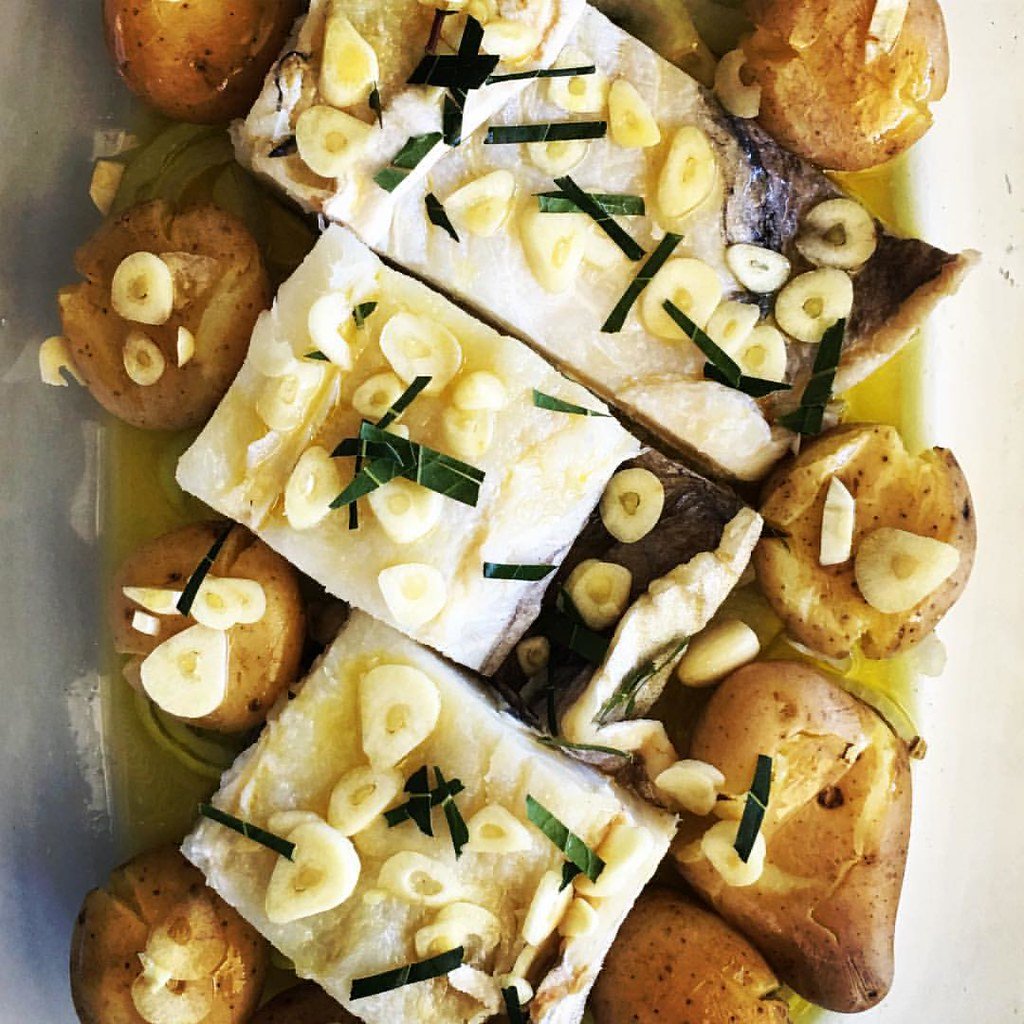
Bacalhau, or codfish, remains a cornerstone of Portuguese cuisine, celebrated for its versatility across various dishes. One of the most well-known preparations is bacalhau à Brás. This dish combines shreds of salted cod with finely chopped onions and straw fries, all bound together with scrambled eggs. Finished with a sprinkle of black olives and chopped parsley, bacalhau à Brás exemplifies a comforting yet flavorful meal that showcases the delicate taste of the bacalhau.
Another beloved variation is bacalhau com natas, where the cod is layered with creamy béchamel sauce and potatoes before being baked to a golden perfection. This dish highlights the richness of the bacalhau, as the creaminess enhances its texture while offering a satisfying contrast to its saltiness. Spices like nutmeg may be added to elevate the flavor profile, creating a decadent experience for diners.
For those seeking something slightly different, bacalhau à Gomes de Sá presents another delicious take. Originating from the northern region of Portugal, this dish features bacalhau prepared with onions, boiled potatoes, hard-boiled eggs, and olives. The unique combination of ingredients produces a robust flavor while maintaining the integrity of the fish. The baking process melds these elements into a harmonious blend that captivates the palate.
In coastal regions, you may encounter bacalhau grelhado, or grilled bacalhau, often served simply with a drizzle of olive oil and a side of vegetables. This preparation allows the cod to shine, highlighting the inherent flavors of the fish without overwhelming them with additional sauces or spices.
Whether incorporating it in savory casseroles, creamy bakes, or simply grilling it, bacalhau continues to be a celebrated ingredient in traditional and contemporary recipes. Each approach brings its unique flair, making this versatile fish a constant in the hearts and homes of those who appreciate Portuguese gastronomy.
Pairings and Accompaniments for Bacalhau
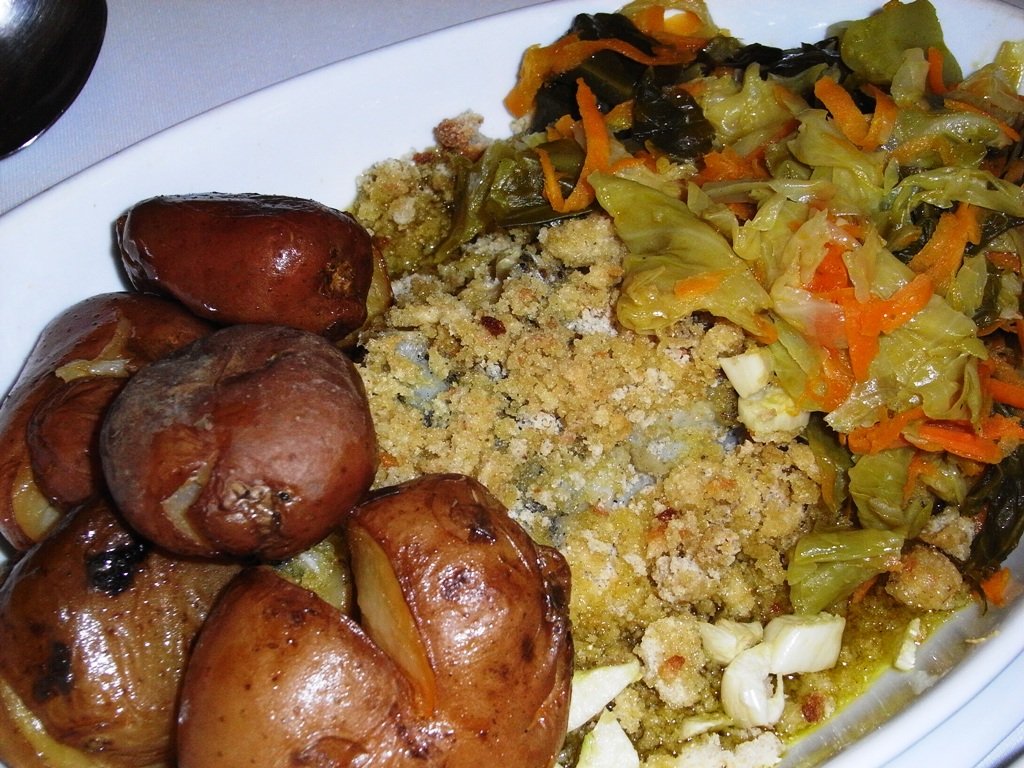
Bacalhau, or salted cod, is a culinary delight that has graced tables in Portugal and beyond for centuries. Its unique flavor and texture can be beautifully complemented by a variety of side dishes and wine selections. The key to enhancing the bacalhau experience lies in finding pairings that provide balance and contrast, elevating the overall dining enjoyment.
One classic side dish that pairs excellently with bacalhau is “grão de bico,” or chickpeas. The hearty, nutty profile of chickpeas complements the salty, umami-rich bacalhau, while also providing a contrasting texture that adds depth to the meal. Another popular accompaniment is sautéed greens, such as kale or basic spinach. The subtle bitterness of the greens balances the richness of the fish, making for a well-rounded plate.
When it comes to wine, a dry white wine is often suggested to accompany bacalhau. A vinho verde, known for its refreshing acidity and light body, effectively cuts through the saltiness of the fish and promotes a harmonious taste experience. Alternatively, a crisp sauvignon blanc can also be an excellent choice; its herbal and citrus notes enhance the dish and provide a refreshing contrast.
In more traditional contexts, one might consider pairing bacalhau with boiled potatoes. This simple yet comforting side absorbs the flavors of the bacalhau while providing a satisfying starch. Furthermore, a serving of olives can serve as a palate cleanser between bites, introducing a briny note that resonates well with the salted cod.
Throughout various regions, adaptations of bacalhau dishes feature local specialties, creating diverse and exciting pairings. Each unique combination contributes to the enchanting experience surrounding bacalhau, inviting enthusiasts to explore its many possibilities while celebrating its rich culinary heritage.
Bacalhau Around the World
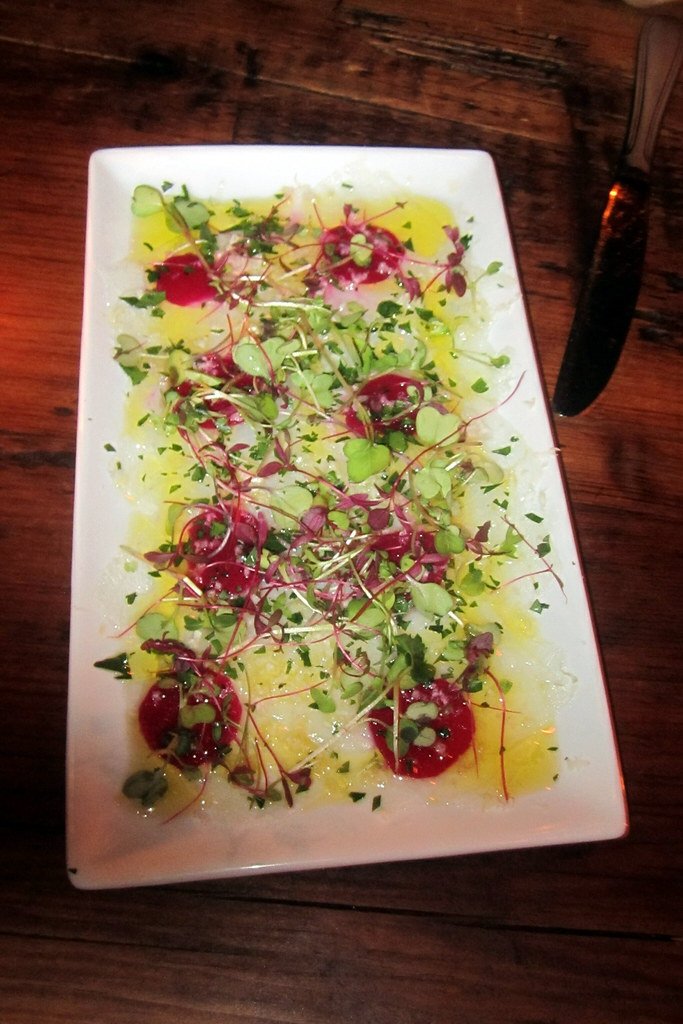
Bacalhau, or salted cod, is not only a staple in Portuguese cuisine but has also found its way into various culinary traditions across the globe. This enduring ingredient has adapted to local flavors and techniques, demonstrating its versatility and global appeal. One notable country that has embraced bacalhau is Brazil, where the fish plays a prominent role in national dishes. In Brazilian cuisine, bacalhau is often featured in festive meals, particularly during Easter, when its preparation takes on a special significance. Here, it is adapted into dishes such as ‘bacalhau à brás,’ which combines shredded cod with onions, potatoes, and eggs, showcasing a delightful blend of flavors and textures that reflect Brazil’s culinary diversity.
Similarly, in Cape Verde, bacalhau is revered, and its preparation reflects the islands’ rich maritime heritage. Traditional Cape Verdean dishes often incorporate bacalhau alongside local staples such as sweet potatoes and plantains. One popular example is ‘bacalhau com batata doce,’ which is a comforting meal that highlights the region’s affinity for combining fish with hearty vegetables. The unique geographical factors and local ingredients available in Cape Verde allow for exciting adaptations of bacalhau, making it a truly integral part of the islands’ culinary identity.
The journey of bacalhau from Portugal to Brazil and Cape Verde illustrates how ingredients can transcend cultural boundaries while simultaneously being transformed by local culinary practices. The incorporation of regional spices, cooking methods, and accompaniments results in an array of traditional dishes that celebrate both the shared love for bacalhau and the diverse food cultures of these nations. As chefs and home cooks continue to innovate, the fascination with bacalhau endures, paving the way for further experimentation and adaptations around the world.
Conclusion: The Enduring Legacy of Bacalhau
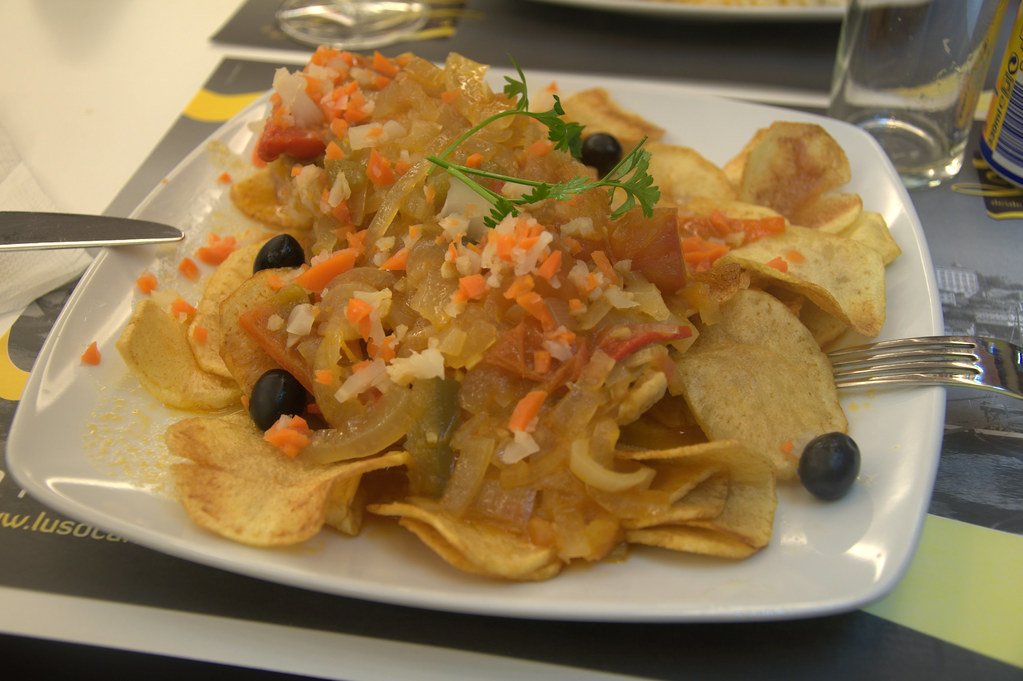
Bacalhau, or salted cod, has long held a significant place in not only Portuguese cuisine but also in the culinary traditions of various cultures around the world. Its enduring legacy can be traced back to its historical importance as a preserved food source for seafarers and its integration into the fabric of festive meals and daily cooking across generations. The adaptability of bacalhau is evidenced by the multitude of recipes that have emerged, from traditional dishes to innovative modern interpretations. This versatility ensures that bacalhau remains a staple ingredient in households and restaurants alike.
In modern gastronomy, bacalhau is experiencing a renaissance as chefs and home cooks alike rediscover its unique flavor and texture. Its ability to absorb various spices and flavors makes it suitable for both traditional and avant-garde recipes. Restaurateurs are increasingly highlighting bacalhau on their menus, showcasing its rich history while also pushing culinary boundaries. This trajectory points toward a wider acceptance and appreciation of bacalhau in diverse culinary landscapes, moving beyond its traditional roots.
As globalization continues to influence food practices, the potential evolution of bacalhau in international cuisine is promising. Its intrinsic ability to merge with different culinary styles presents opportunities for fusion dishes that can maintain the essence of this cherished ingredient. Moreover, the growing interest in sustainable seafood is likely to enhance the appeal of bacalhau, aligning it with contemporary dining trends that favor responsible sourcing and environmental awareness.
Ultimately, the legacy of bacalhau is intricately linked to cultural heritage and the ongoing story of culinary evolution. Its relevance in modern culinary practices ensures that this iconic ingredient will remain a beloved choice for future generations. As bacalhau continues to inspire creativity in the kitchen, it will undoubtedly hold its place as not just a dish, but as a symbol of culinary tradition and innovation.