

- The Historical Origins of Cornbread
- Cultural Significance of Cornbread Across Different Regions
- Unique Flavors: A Cornbread Journey
- Textures of Cornbread: From Crumbly to Moist
- The Visual Appeal of Cornbread Dishes
- Plating: The Art of Presenting Cornbread
- Variations of Cornbread: Exploring Regional Differences
- Health Aspects of Cornbread: A Nutritional Overview
- Final Thoughts: The Enduring Legacy of Cornbread
The Historical Origins of Cornbread
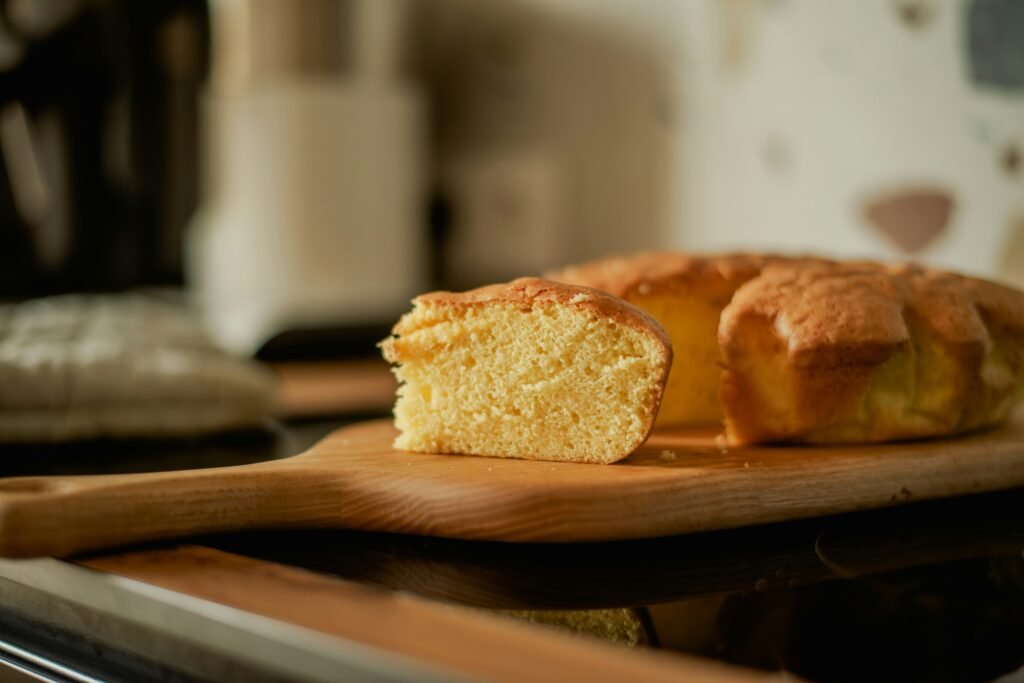
Cornbread holds a significant place in America’s culinary landscape, with origins tracing back to the ancient cultures of Native Americans. Corn, or maize, was a staple food for numerous indigenous tribes across North America, serving as a primary source of nourishment long before European settlers arrived. Native American cooking techniques and traditions laid the groundwork for what would later become a pivotal component of Southern cuisine.
Among the diverse tribes, such as the Hopi and Iroquois, corn was not merely a food source; it held cultural significance and was incorporated into various rituals and ceremonies. These communities developed numerous methods to prepare corn, one of the most notable being cornbread, which exemplified their resourcefulness and adaptability. The introduction of simple recipes using ground cornmeal, water, and other available ingredients provided a means of sustenance that could be consumed on the go or easily shared.
The arrival of European settlers in the 17th century dramatically influenced the preparation of cornbread. The settlers, primarily from England and other parts of Europe, brought their baking traditions with them, which gradually merged with Native American methods. The combination of different ingredients such as buttermilk, eggs, and leavening agents led to new interpretations of cornbread, paving the way for the variations that emerged across the colonies. Notably, cornbread became a dietary cornerstone for Southern states, reflecting the region’s agricultural practices and cultural dynamics.
Over time, cornbread evolved into numerous regional forms, from the dense, sweet Northern cornbread to the coarser, more savory Southern varieties. Key milestones, like the publication of regional cookbooks and the establishment of cornbread as a staple in African American kitchens, have further solidified cornbread’s importance in the culinary heritage of the United States. Thus, the journey of cornbread from ancient Native American culture to a beloved American food encapsulates an intersection of history, adaptation, and cultural significance.
Cultural Significance of Cornbread Across Different Regions
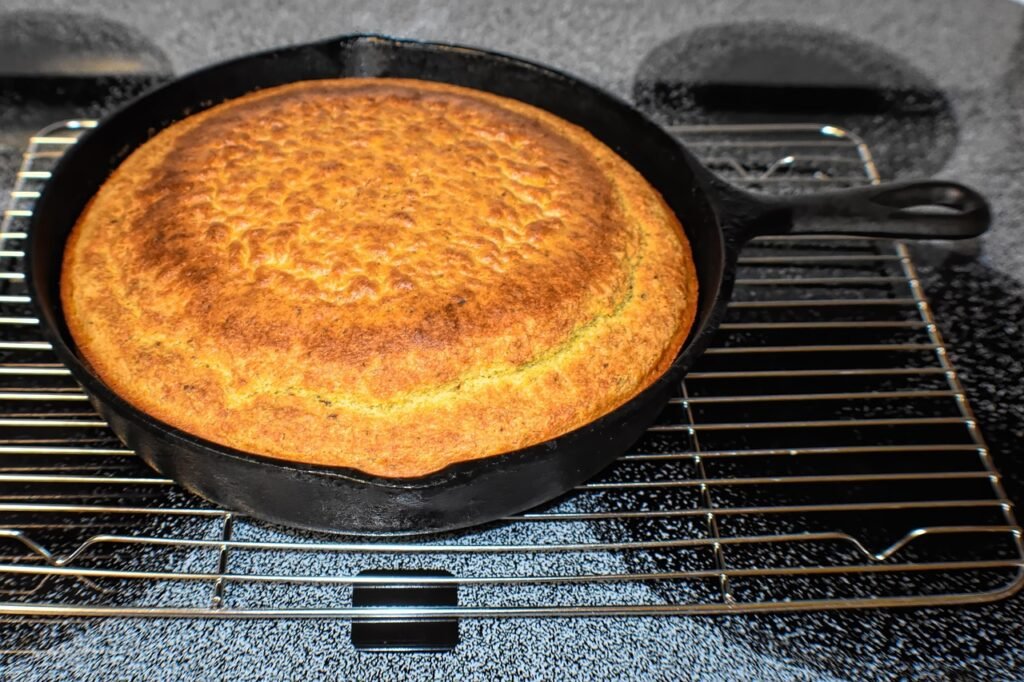
Cornbread holds a prominent place in the culinary traditions of the United States, particularly within Southern hospitality. Its significance extends beyond mere sustenance; it embodies a rich tapestry of cultural heritage and community bonding. Many families view cornbread as a staple at gatherings and celebrations, often prepared according to cherished recipes passed down through generations. This tradition fosters a sense of belonging and connection, as families unite not just to eat, but to share stories and memories around the dinner table.
In the Southern states, cornbread is more than just food; it symbolizes warmth and welcome. It is often served alongside hearty dishes such as collard greens, fried chicken, and chili. At community events, cornbread becomes a communal dish, serving to represent not only individual family recipes but also regional variations that reflect local ingredients and culinary practices. For instance, Northern and Southern cornbreads exhibit distinct differences; while the Southern version tends to be sweeter and denser, the Northern style is light and crumbly. These variations foster pride within regional communities, celebrating the unique cultural narratives tied to cornbread.
Cornbread also plays a crucial role in various cultural festivities. In African-American communities, it is a staple during events such as family reunions and church gatherings, often reflecting resilience and resourcefulness. Similarly, Native American traditions highlight cornbread as part of their cultural identity, integrating it into ceremonies and communal meals. Personal anecdotes from various cultural backgrounds reveal the ways cornbread serves as a connector, bridging generations and fostering participation in cultural practices. As such, its presence on the table during significant moments speaks to the deep-rooted traditions and shared values that bind communities together.
Unique Flavors: A Cornbread Journey

Cornbread is a beloved staple in many culinary traditions, known for its variety of flavors and textures, which arise from a combination of base ingredients and regional preferences. The classic cornbread, characterized by its sweet and buttery profile, remains a favorite across the United States. This traditional version is often made with yellow cornmeal and may include butter, eggs, and milk, creating a moist crumb and slightly crisp crust. Its simple flavor serves as a canvas for many enhancements that reflect local tastes and seasonal ingredients.
As cornbread evolves, adventurous cooks have begun to explore bolder flavors that introduce spices and other ingredients. For instance, incorporating jalapeños or diced green chilies can produce a cornbread with a spicy kick, appealing to those who favor heat in their culinary experience. Additionally, regions with a strong affinity for savory dishes may add ingredients like cheese, bacon, or chives, making cornbread a versatile companion to hearty meals. Such variations not only amplify flavor but also present a delightful texture that contrasts with the soft crumb of the cornbread itself.
The type of cornmeal used in the preparation of cornbread significantly influences its overall flavor profile. For example, stone-ground cornmeal often lends a more robust and earthy flavor compared to finely milled versions. Moreover, different varieties of corn, including white, blue, or even heirloom corns, contribute unique characteristics. These regional characteristics showcase the vast landscape of cornbread, where variations may also reflect the agricultural practices and available ingredients in different locales. From its sweet origins to savory innovations, cornbread offers a journey through flavor that delights the palate and nourishes the soul.
Textures of Cornbread: From Crumbly to Moist

Cornbread, a staple in Southern cuisine, varies greatly in texture depending on regional preferences and preparation methods. The base ingredients of cornmeal, flour, and liquid are just the starting point. Different ratios and the type of flour used markedly influence the final outcome, resulting in cornbread that can range from crumbly and dry to moist and tender.
Traditional Southern cornbread is often defined by its crumbly texture. This version typically contains a higher proportion of cornmeal to flour, which leads to a denser product that pairs well with the richness of gravies and gumbos. Baking techniques matter significantly here; for instance, preheating the skillet before adding batter can create a crusty exterior while preserving a fluffy interior. This method, along with using bacon grease or butter, enhances flavor, but it is the ratio of ingredients that truly dictates the texture.
Conversely, northern varieties of cornbread tend to be more moist, often incorporating additional ingredients such as sugar and dairy. This results in a sweeter flavor profile, and the presence of buttermilk or yogurt can lead to a softer crumb. While a higher liquid content in the batter contributes to a moist texture, it is essential to balance it with enough cornmeal to maintain structure. Moreover, techniques such as folding in whipped egg whites can introduce air, resulting in a lighter and more airy cornbread.
In addition to the foundational ingredients and ratios, secret ingredients like creamed corn or sour cream can add moisture and flavor depth to the mixture, elevating the overall quality of the cornbread. Understanding these elements allows bakers to achieve the desired texture, whether they are aiming for the classic crumbly bite of traditional cornbread or the rich, moist consistency found in recipes that adapt to modern palates.
The Visual Appeal of Cornbread Dishes

The aesthetics of cornbread play an integral role in its charm and cultural significance. Characterized by its golden-brown hue, cornbread exhibits an inviting appearance that contributes to its allure as a comfort food. The rich, warm tones of freshly baked cornbread evoke a sense of nostalgia, reminding many of family gatherings and communal meals. This rustic visual can be further highlighted through various serving techniques that enhance the overall dining experience.
Presentation is paramount when it comes to cornbread dishes; a well-plated serving can elevate a simple dish into an appealing culinary experience. Cornbread is often sliced into wedges or squares, showcasing its tender, moist interior and crisp exterior. This contrast not only enhances its visual appeal but also invites anticipation for the texture and flavors awaiting the diner. Additionally, the use of vibrant accompaniments can further accentuate cornbread’s visual impact. For instance, a side of deep green collard greens or brightly colored roasted vegetables can create a visually stimulating plate.
Serving cornbread in cast-iron skillets, traditional wooden boards, or rustic baskets adds a charming element to the presentation, reinforcing its heritage as a beloved staple in many cuisines. The aesthetic is amplified by garnishments such as honey drizzles, herb sprigs, or a pat of melting butter, which create inviting visuals that tantalize the palate before the first bite is taken. Incorporating these elements not only increases the dish’s attractiveness but also emphasizes the communal aspect of sharing cornbread, encouraging a sense of connection among diners.
Overall, the visual appeal of cornbread dishes is a multifaceted experience that combines color, texture, and presentation. These aspects together create a memorable dining experience that goes beyond taste, celebrating the heartwarming role of cornbread in culinary traditions.
Plating: The Art of Presenting Cornbread
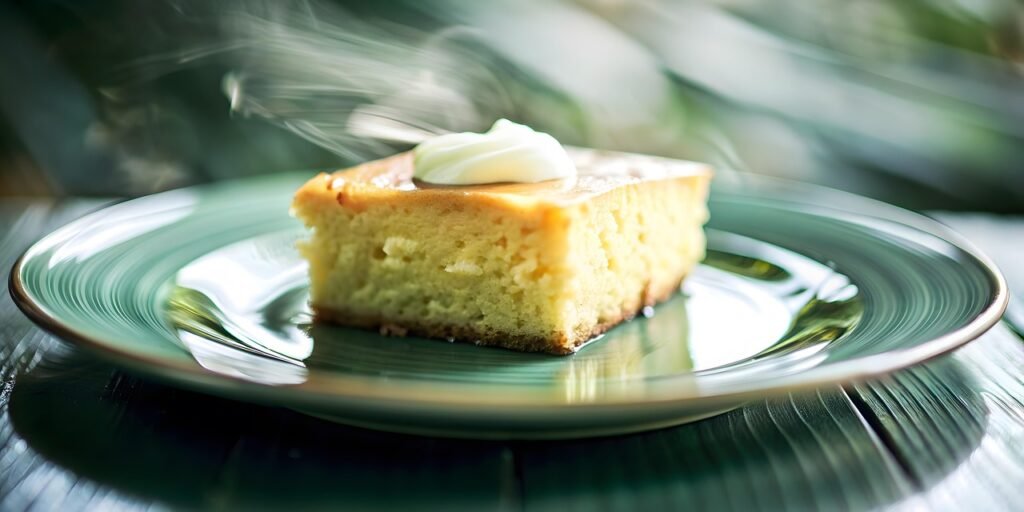
When it comes to serving cornbread, presentation plays a pivotal role in enhancing the overall dining experience. The art of plating is not just about aesthetics; it reflects culinary thoughtfulness that can transform a humble dish into a remarkable centerpiece. To achieve an attractive presentation, several techniques and garnishing ideas can be employed.
First, consider the shape and size of the cornbread. Traditional round or square shapes can be visually appealing when cut into individual portions. Aim for uniform slices to create a polished look. Serving cornbread in a cast-iron skillet adds to its rustic charm, leading to a more casual yet inviting appearance on the table. Alternatively, placing individual servings on colorful plates can introduce an element of vibrancy.
Garnishes are essential in elevating cornbread’s visual appeal. Fresh herbs such as chives or cilantro can provide a pop of color and freshness, while a drizzle of honey or honey butter can highlight its sweetness. Additionally, pairing cornbread with complementary dishes can enhance its presentation. For example, serving cornbread alongside hearty chili or spicy collard greens not only creates visual contrast but also offers a harmonious flavor experience.
Moreover, the contemporary culinary landscape emphasizes the importance of plating as a crucial aspect of the dining experience. Chefs often focus on how a dish looks before it reaches the table, understanding that first impressions significantly impact perceptions of flavor and quality. The inclusion of design elements, such as layering or the use of negative space on a plate, can create depth and intrigue. By thoughtfully considering the presentation of cornbread, it can be celebrated not only as a delicious side but also as a stunning visual component of a meal.
Variations of Cornbread: Exploring Regional Differences
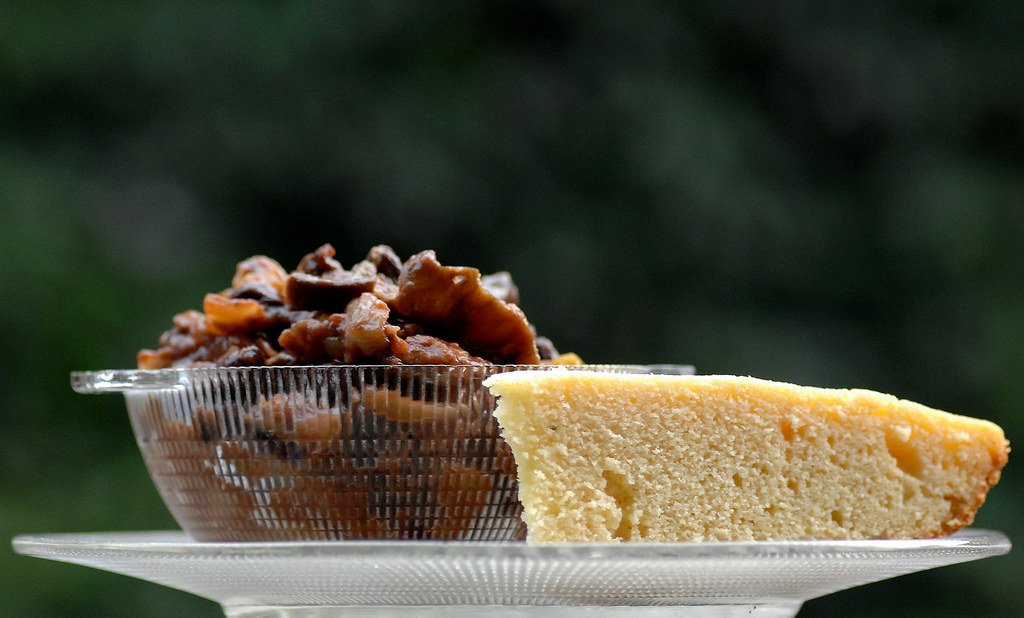
Cornbread, a cherished staple in American cuisine, showcases a multitude of regional variations across the United States, reflecting local tastes, ingredients, and cultural influences. In the Southern states, cornbread is often characterized by its use of white cornmeal and buttermilk, resulting in a moist, dense texture that is sometimes sweetened. Southern cornbread is typically baked in a cast-iron skillet, which contributes to its distinct crispy edges. Accompanying dishes such as collard greens or fried chicken, this version carries significant cultural weight as comfort food deeply rooted in African American traditions.
In contrast, Northern cornbread tends to use yellow cornmeal and can be sweeter, often including ingredients like sugar or honey. This version is typically lighter and cake-like, frequently served at family gatherings and holiday celebrations. The variations in sweetness and texture highlight the culinary preferences that distinguish the North from the South, showcasing how geography and local history shape food traditions.
Beyond these primary distinctions, unique interpretations such as jalapeño cornbread have emerged in many regions. This variant incorporates chopped jalapeños, adding a spicy kick to the classic recipe. The introduction of such ingredients reflects a growing trend toward bold flavors and creativity in cornbread making. Furthermore, hushpuppies, a deep-fried cornbread ball often associated with seafood dishes in the coastal South, exemplify how cornbread adapts to cultural contexts, transforming from a side dish into a complementary delight.
Ultimately, the diverse iterations of cornbread highlight not only the versatile nature of this dish but also the rich tapestry of American culinary heritage. Each regional variation tells a story of its own, revealing the intricate connections between food, culture, and community.
Health Aspects of Cornbread: A Nutritional Overview
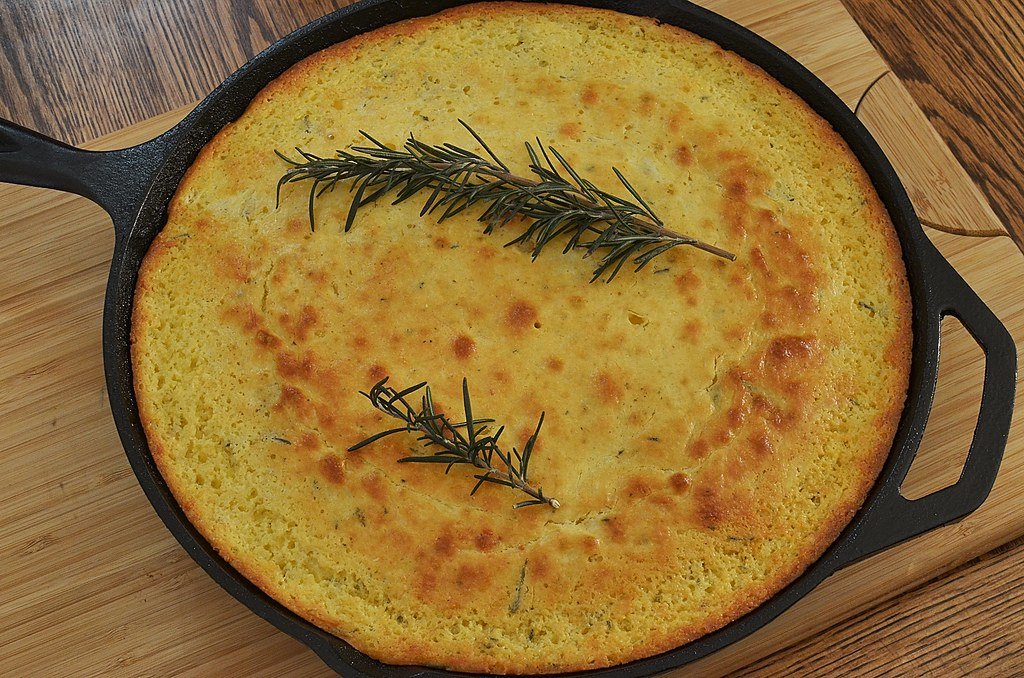
Cornbread, a popular staple in many cuisines, particularly in the Southern United States, offers various health aspects worth considering. Primarily made from cornmeal, it serves as a source of carbohydrates, which are essential for providing energy. A typical serving of cornbread contains an average of 150 calories, with approximately 30 grams of carbohydrates, making it a relatively energy-dense food. Although this contributes to its appeal, it is essential to approach portion sizes mindfully, especially for those managing their calorie intake.
One of the key health benefits of cornbread is its potential to be gluten-free, particularly when prepared using 100% cornmeal. This characteristic makes it an excellent option for individuals with celiac disease or gluten sensitivity, enabling them to enjoy baked goods without the adverse effects associated with gluten. Additionally, yellow cornmeal provides essential nutrients such as iron, magnesium, and B vitamins, which are vital for maintaining overall health and well-being.
However, it is important to note the possible drawbacks associated with cornbread. Many recipes incorporate ingredients like sugar and butter, which can elevate calorie levels and reduce its nutritional benefits. To create healthier alternatives, individuals can consider using whole grain cornmeal, reducing sugar amounts, or substituting oil with applesauce. Such modifications can enhance the overall nutritional profile of this beloved dish while still preserving its appealing taste and texture.
Incorporating cornbread into a balanced diet can yield health benefits, particularly when prepared with attention to ingredient choices. Besides serving as a side dish, cornbread can be paired with nutritious toppings, such as beans or avocados, to further enhance its health benefits while contributing to a well-rounded meal.
Final Thoughts: The Enduring Legacy of Cornbread
Cornbread has firmly established its place within American history, culture, and cuisine, symbolizing a unique blend of heritage and regional diversity. Originating from indigenous practices, this beloved dish has evolved over centuries, adapting to various cultural influences and societal changes. Whether enjoyed as a standalone bread or paired with savory dishes such as chili and greens, cornbread encapsulates the rich tapestry of American life.
The enduring legacy of cornbread is not merely confined to its historical roots. It continues to thrive in contemporary cooking, finding its way into modern recipes and culinary innovations. Chefs and home cooks alike have embraced the versatility of cornbread, experimenting with various ingredients and flavors, from sweet variations infused with honey or blueberries to more savory takes incorporating cheeses and herbs. This adaptability ensures that cornbread remains relevant, appealing to a broad audience while fostering a deeper appreciation for traditional recipes.
Moreover, cornbread serves as a vehicle for cultural narratives, evoking memories and connections in diners across the country. For many, it is a reminder of family gatherings, communal celebrations, and regional pride. This dish not only provides sustenance but also evokes a sense of belonging and nostalgia, bridging gaps between generations. Consequently, the love for cornbread extends far beyond mere taste; it invites individuals to explore their connections to it—be those connections rooted in personal history or shared community experiences.
In conclusion, the legacy of cornbread is one of resilience and adaptability, reflecting the broader story of American culinary evolution. It continues to serve as a cherished staple that unites various cultural influences while remaining a canvas for creativity in kitchens nationwide. Readers are encouraged to engage with cornbread, whether through traditional recipes or modern twists, and to appreciate its role in America’s diverse culinary landscape.