

The Origin of Fish and Chips

The dish known as fish and chips emerged in the United Kingdom during the Victorian era, specifically in the 19th century, and has since become an iconic staple of British cuisine. Its roots can be traced back to the merging of fried fish and deep-fried potatoes, both of which have distinct cultural histories. Fried fish has its origins in numerous European culinary traditions, but it was the arrival of Jewish immigrants in the UK, particularly those from Portugal and Spain, that greatly contributed to its popularity amongst the British populace. These immigrants brought with them the practices of frying fish in batter, which played a foundational role in shaping the dish as we know it today.
Meanwhile, potatoes, originally brought to England from South America, underwent a transformation into the popular comfort food we recognize. The Industrial Revolution acted as a catalyst for this dish’s rise in prominence. As urban centers flourished, many workers sought affordable, hearty meals. Fish and chips provided an accessible option, as they could be enjoyed on the go and offered a satisfying balance of protein and carbohydrates. Street vendors quickly began selling the dish, which solidified its place in the everyday lives of many British citizens. Notably, establishments such as the famed ‘The Golden Hind’ in London and ‘The Harry Ramsden’s’ chain have become synonymous with the quality associated with fish and chips, further anchoring its status in British culture.
Over time, fish and chips became more than just a meal; it evolved into a social experience, where families would gather to enjoy this culinary delight. The dish’s enduring popularity is attributed to its simplicity and the way it encapsulates the essence of comfort food. As a result, the history of fish and chips is indeed a mirror reflecting the socio-economic changes in Britain, making it a dish worthy of celebration and appreciation.
Cultural Significance of Fish and Chips
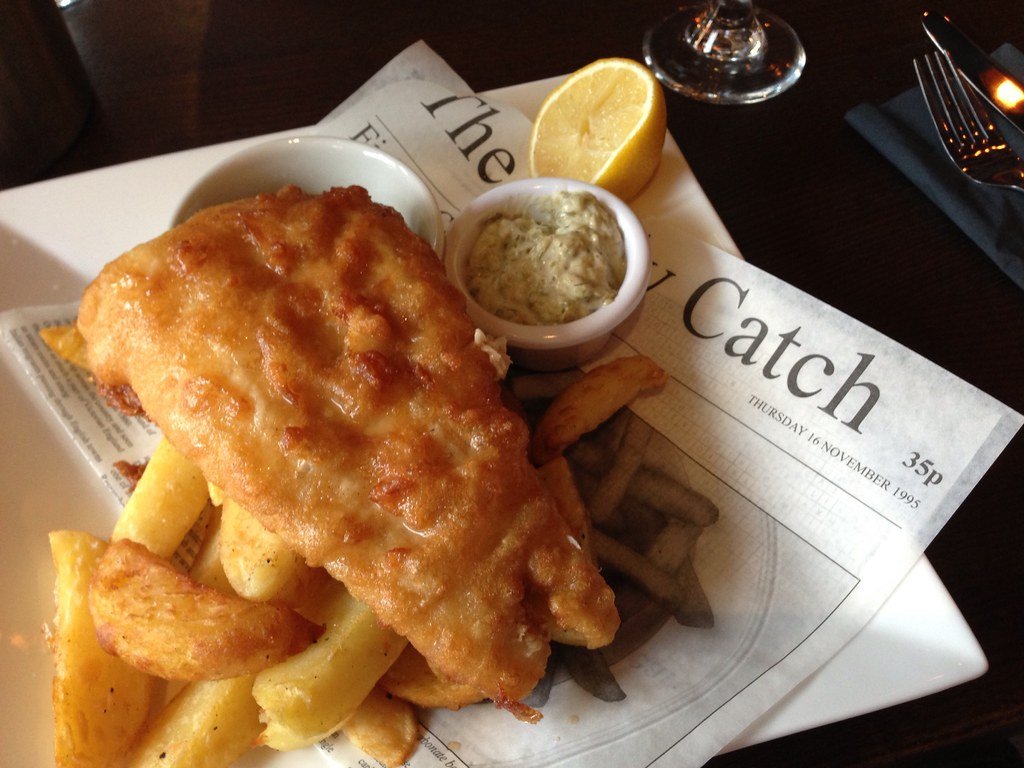
Fish and chips, a quintessential British dish, holds a unique cultural significance that transcends mere culinary preference. This dish, comprising battered and deep-fried fish alongside crispy chips, serves as a beloved example of comfort food in Britain. Its origins can be traced back to the 19th century, reflecting the socio-economic changes accompanying the Industrial Revolution. The working class embraced fish and chips, as they were affordable, filling, and easily accessible, making them a staple in the diets of many. Today, this iconic meal continues to evoke a sense of nostalgia and community, often associated with gatherings and shared experiences.
Moreover, fish and chips have come to symbolize national identity in the United Kingdom. This meal represents a unifying culinary experience, cherished across different demographics and regions. The establishment of fish and chip shops, colloquially known as ‘chippies,’ has played a crucial role in the socio-cultural fabric of British society. These establishments often act as community hubs, where people gather to enjoy this classic dish while fostering social connections. The quintessential nature of fish and chips has led to its inclusion in various cultural narratives, further solidifying its status as a national treasure.
Fish and chips also play a significant role in British traditions and celebrations. For instance, during World War II, this dish was one of the few foods that remained available to the public, emphasizing its importance as a source of comfort amid hardship. It is not uncommon for fish and chips to feature prominently in British seaside holidays, where visitors indulge in this classic fare as part of their experience. The dish’s enduring popularity in contemporary society reflects its adaptability across generations, highlighting how fish and chips are not merely a meal but a vital part of British culinary heritage.
Unique Flavors of Fish and Chips

The dish known as fish and chips is celebrated for its delightful combination of textures and flavors, where each component plays a distinct role in creating a harmonious culinary experience. At the heart of this iconic meal lies the choice of fish, primarily cod and haddock, which are renowned for their firm, flaky flesh and mild flavor. Cod, with its slightly sweet taste and buttery consistency, is a favorite among many enthusiasts, while haddock offers a slightly stronger flavor profile that some diners prefer. Both types of fish provide an excellent canvas for the accompanying batter.
The batter is another critical element that enhances the overall flavor of fish and chips. Typically made from a mixture of flour, water, and sometimes yeast or baking powder, the batter’s light and crispy texture results from the method of frying, which locks in the moisture of the fish while providing a satisfying crunch. Seasonal variations may include beer batter or herbs and spices, contributing unique notes that elevate the dish to new levels. This versatility allows for a range of sensory experiences with every bite.
In terms of seasonings, salt and pepper are fundamental, but many chefs take it a step further by adding various spices or even incorporating flavorful liquids to the batter for a distinctive twist. Accompanying the fish and chips, the choice of condiments like malt vinegar, tartar sauce, and even curry sauce significantly impacts the overall taste. Malt vinegar adds a tangy zest that cuts through the richness of the fried fish, while tartar sauce brings a creamy texture and tart flavor, often enhanced with capers and dill. Each of these elements, from the fish and batter to the complementary sauces, coalesces to create the beloved flavor profile of fish and chips that continues to charm palates worldwide.
Textures in Fish and Chips
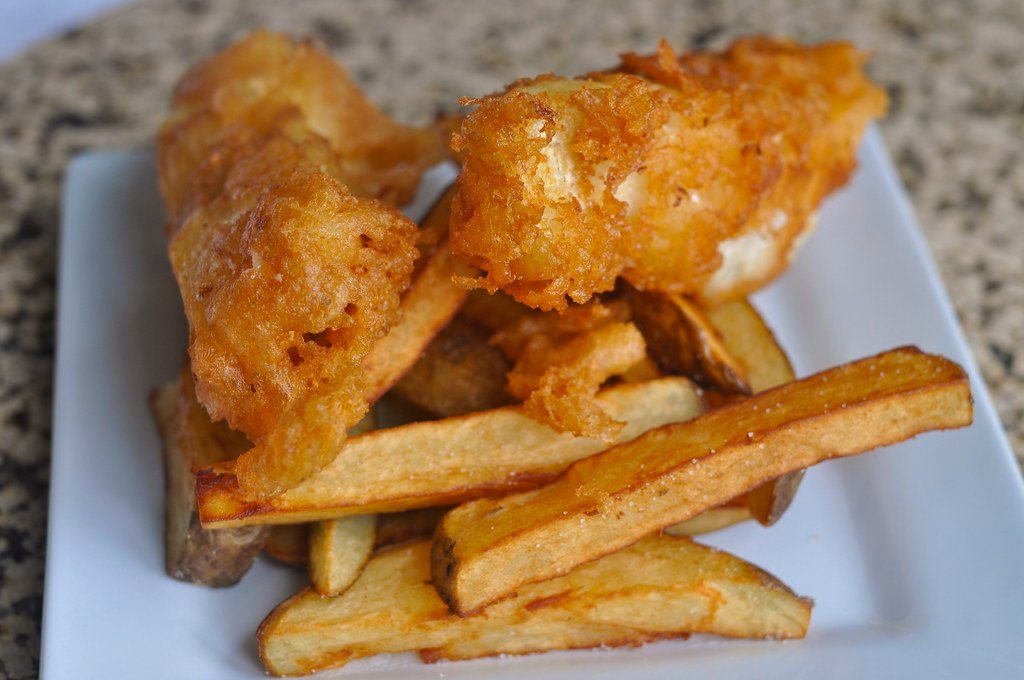
The delightful dish of fish and chips is celebrated not only for its flavor but also for the remarkable contrast in textures that it offers. At the heart of this culinary experience is the battered fish, which presents a crispy exterior that encases a tender, fluffy interior. This juxtaposition between the crunch of the batter and the softness of the fish creates a unique mouthfeel that greatly enhances the enjoyment of the dish. The process of frying plays a crucial role in achieving this textural balance. When executed properly, the hot oil causes the batter to bubble and crisp up, sealing in moisture and allowing the fish to remain juicy and flavorful.
The technique employed during frying can significantly influence the end result. For instance, the temperature of the oil is vital; too low can result in a soggy batter, whereas excessively hot oil could overcook the fish inside. The ideal frying temperature ensures that the batter crisps up beautifully while the fish cooks thoroughly, creating that much-coveted contrast. Choosing the right type of fish is another critical factor; varieties such as cod or haddock not only provide a mild flavor but also have a sufficient fat content that contributes to a pleasing texture after frying.
The Visual Appeal of Fish and Chips
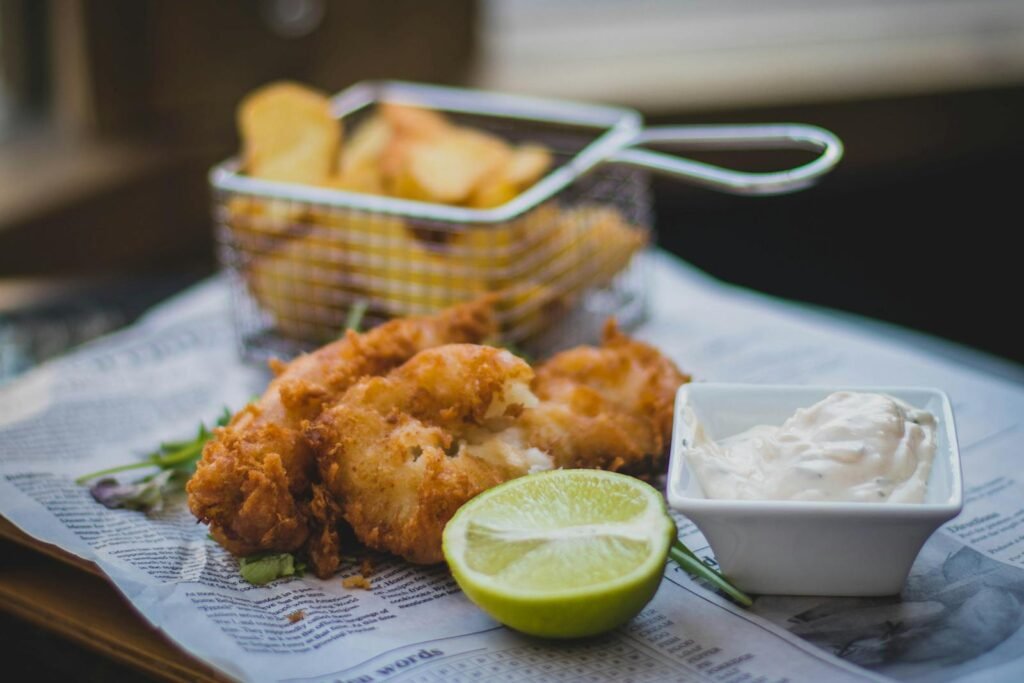
Fish and chips, a quintessential British dish, captivates diners not only with its flavors but also with its visual presentation. The interplay between the golden-brown, crispy coating of the fish and the fluffy, white interior creates an inviting contrast that entices the eyes. The fish, often served in generous portions, shines against the backdrop of its accompaniments, primarily the chips, which should ideally be thick-cut, fluffy, and evenly golden for the best aesthetic appeal.
The arrangement of the dish plays a significant role in enhancing its overall enjoyment. When plated, the chips are typically laid out in a slightly piled manner, inviting one to delve in. The fish, often garnished with a light sprinkling of salt, is positioned prominently, drawing attention with its appealing texture. A well-presented plate of fish and chips often features a wedge of lemon, whose bright yellow color pops against the more muted tones of the fried elements. This not only adds a splash of color but also invites diners to consider the added zing of citrus before taking a bite.
Furthermore, other garnishes such as fresh parsley or tartar sauce can amplify the dish’s visual allure. The green of the parsley provides a refreshing contrast to the warm hues of the fish and chips, while the creamy white of the tartar sauce adds a smooth texture that complements the rustic nature of the fried food. The inclusion of these elements not only enhances the overall appearance but also suggests a thoughtful presentation that can elevate a simple meal into a gourmet experience. The visual appeal of fish and chips is thus an essential aspect of this beloved dish, creating an anticipation that precedes the flavors yet to be savored.
Appearance of the Dishes

Fish and chips, a quintessential dish deeply rooted in British cuisine, presents a visually appealing display that captivates the senses even before the first bite. The iconic meal consists primarily of battered and fried fish, typically cod or haddock, alongside golden-brown chips, which are thick-cut pieces of fried potato. The color of the components plays a significant role in their presentation; the fish often showcases a crispy, golden-yellow exterior that contrasts beautifully with the fluffy white inside. This golden hue is the result of a well-executed batter, which should be light and crispy, allowing the fresh catch beneath it to shine through.
The chips, also known as fries in some regions, share this appealing golden color but often present a slightly different hue, which may range from a light golden shade to a deep, rich yellow, depending on the cooking technique and the type of potato used. Traditional chips are thicker than standard French fries, providing a satisfying bite and a fluffy interior. Their size can vary considerably; some establishments opt for extra-thick chips, while others showcase fancier, skinny fries, reflecting contemporary culinary trends and regional preferences.
The serving style of fish and chips has evolved over the years. Traditionally, the dish is plated with the fish layered on top of the chips, often accompanied by a side of tartar sauce or malt vinegar, enhancing the overall appearance and flavor profile. In recent years, many modern restaurants have reimagined this classic dish, presenting it with artistic flair—some serve the components separately in baskets or on wooden boards, while others may add creative garnishes or seasonal vegetables, showcasing the versatility of this beloved meal. Such variations highlight the enduring appeal of fish and chips, ensuring that they continue to delight the eyes and palate of food lovers everywhere.
The Art of Plating Fish and Chips
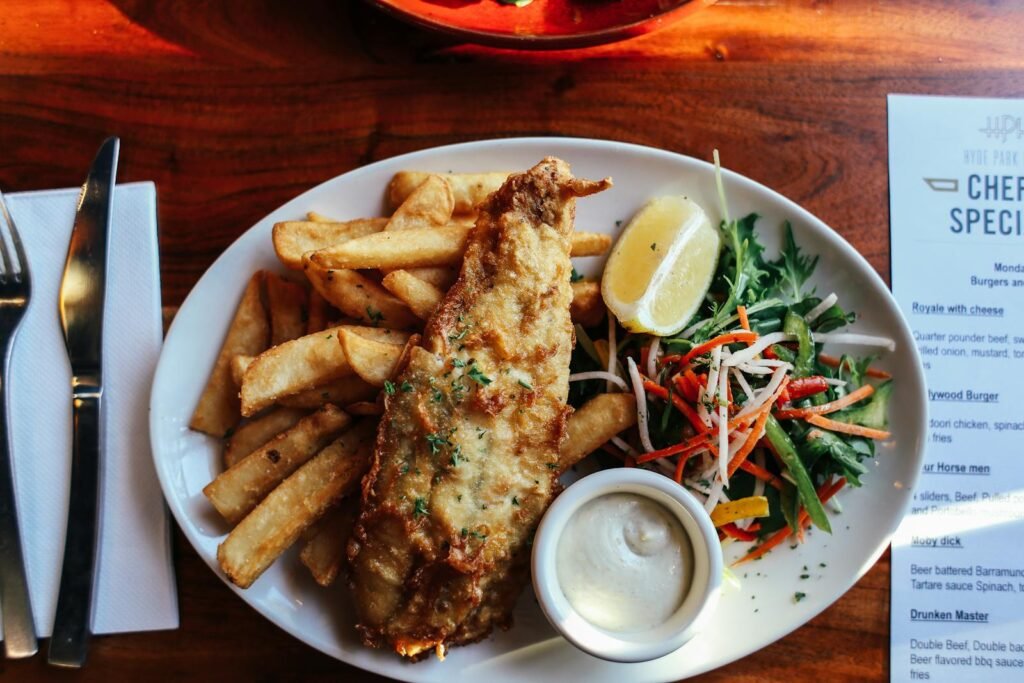
Plating fish and chips requires a delicate balance between tradition and modern creativity, transforming a simple meal into a visually appealing experience. The classic style often emphasizes rustic presentation, with the fish and chips served on a piece of parchment paper or a wooden board, evoking a sense of casual dining along seaside locales. This method honors the origins of fish and chips, allowing diners to connect with its cultural heritage.
Conversely, modern plating techniques focus on aesthetics, where the emphasis is placed on arrangement and color contrast. Utilizing various dishware—ranging from elegant plates to minimalist bowls—can significantly enhance the presentation. For instance, a white plate makes the golden hues of fried fish and chips stand out, while vibrant garnishes like pea purée or lemon wedges add freshness and flavor to the visual composition. Additionally, incorporating elements such as microgreens or edible flowers can elevate the dining experience, making the dish look refined and sophisticated.
Home cooks looking to replicate these artistic approaches can consider several tips to achieve visually appealing plates. First, attention to portion size is crucial; avoid overcrowding the plate to allow each component to shine. Secondly, consider the height and layering; stacking components can create interest, while angled positioning of the fish creates dynamic visuals. Lastly, sauces should be delicately drizzled or artistically pooled, rather than haphazardly spooned onto the dish, to maintain a clean and appealing appearance.
Ultimately, the art of plating fish and chips not only enhances the overall dining experience but also showcases the thoughtfulness behind the meal. As culinary techniques evolve, aspiring chefs can bridge the gap between tradition and innovation, resulting in a compelling visual narrative on the plate.
Regional Variations of Fish and Chips

Fish and chips, a quintessential British dish, demonstrates remarkable regional diversity in its preparation and presentation. Each area not only claims its own unique take on this classic but also showcases local culinary influences that enrich the overall experience. In Scotland, for instance, the dish has gained notoriety for the deep-fried Mars bar. This innovative dessert reflects Scotland’s penchant for deep-frying various foods, transforming the chocolate bar into an indulgent treat that contrasts beautifully with the salty, crispy fish and chips.
Moving south, the traditional fish and chips served in England often features flaky white fish, such as cod or haddock, encased in a light, crispy batter. Regional preferences can influence the type of fish used; for example, in Yorkshire, you might find a popular choice of plaice, renowned for its delicate flavor. Southern coastal areas may emphasize locally sourced options like hake, adapting the dish to highlight the freshness of regional catches.
Furthermore, side dishes accompanying fish and chips vary significantly across the UK. In London, it is not uncommon to find the dish paired with mushy peas, while in other regions, tartar sauce serves as a favored condiment. Some establishments even include curry sauce or gravy as alternatives, reflecting local tastes and preferences. Beyond the UK, countries such as Australia and New Zealand have embraced the dish, often substituting the traditional batter with tempura-style coatings, and incorporating local fish varieties such as barramundi.
These regional adaptations of fish and chips not only celebrate local ingredients and culinary techniques but also illustrate how a single dish can evolve and transcend borders, establishing its place in various cultures around the world. The allure of fish and chips lies not just in its flavor but also in the rich tapestry of variations that make it a truly global culinary phenomenon.
The Modern Revival of Fish and Chips

In recent years, fish and chips have experienced a remarkable renaissance within contemporary cuisine, evolving from a traditional staple to a gourmet experience. This revival is characterized by a fresh emphasis on quality ingredients, sustainable sourcing, and innovative preparation methods. Today’s fish and chip restaurants often prioritize responsible fishing practices, ensuring that the seafood served is not only delicious but also environmentally conscious.
Gourmet interpretations of this classic dish have emerged, with many establishments offering a variety of fish options, from sustainably sourced cod and haddock to more exotic selections like halibut or even salmon. Additionally, chefs are experimenting with diverse batter recipes that marry traditional techniques with modern culinary influences, incorporating unique flavors and textures. The use of premium oils for frying further enhances the quality, resulting in a lighter, crisper finish that appeals to contemporary palates.
The resurgence of fish and chips is also evident through its pairing with local craft beers. Many establishments offer curated beer selections that complement the dish, enhancing the overall dining experience. The effervescence of craft lagers and the bitterness of pale ales provide a counterpoint to the richness of the fried fish, creating a harmonious balance of flavors. Furthermore, innovative sides such as gourmet tartar sauce, homemade mushy peas, or even more adventurous options like pickled vegetables have started to accompany the classic platter, making the meal even more enticing.
Ultimately, this modern revival ensures that fish and chips remain relevant in today’s culinary landscape, appealing to both traditionalists and a new generation of food enthusiasts. The focus on gourmet quality, local partnerships, and sustainable practices positions fish and chips not just as comfort food, but also as a dish worthy of appreciation and exploration. As this evolution continues, it is clear that while the essence of fish and chips remains intact, its contemporary interpretations invite a broader audience to enjoy this culinary classic.