
- The Origin of Halloumi Cheese
- Cultural Significance of Halloumi
- Unique Flavors of Grilled Halloumi
- Textures of Grilled Halloumi
- Visual Appeal of Grilled Halloumi
- The Appearance of Grilled Halloumi Dishes
- Plating Techniques for Grilled Halloumi
- Incorporating Halloumi into Various Dishes
- Conclusion: The Enduring Appeal of Grilled Halloumi
The Origin of Halloumi Cheese
Halloumi cheese boasts a rich historical background, tracing its roots back to the Mediterranean island of Cyprus, where it has been a cherished staple for centuries. Traditionally, this unique cheese was crafted by local shepherds, using a blend of sheep’s milk and occasionally incorporating goat’s and cow’s milk. The specific combination of milks contributed to halloumi’s distinct texture and flavor, which sets it apart from other cheeses.
The production of halloumi follows traditional methods that have been passed down through generations. Typically, the milk is heated and combined with rennet, allowing it to curdle. After the curds have formed, they are drained to remove whey and then kneaded and pressed into a loaf shape. The final step involves boiling and brining, which enhances the cheese’s flavor and helps preserve it. One characteristic of halloumi is its high melting point, making it ideal for grilling and frying—a culinary feature that has contributed to its growing popularity across diverse cuisines.
Within Cypriot culture, halloumi holds significant importance. It is not only a dietary staple but also a central part of local festivities and celebrations. Traditionally served during weddings, religious festivals, and communal gatherings, halloumi symbolizes hospitality and abundance. Over time, this once regional specialty has transcended geographic boundaries, finding a place in kitchens and restaurants worldwide. Today, halloumi has become celebrated for its versatility, complementing a range of dishes and culinary styles—from salads to grilled preparations, and even as a centerpiece on vegetarian platters. Its journey from a local delight to an international favorite illustrates the remarkable adaptability and appeal of this beloved cheese.
Cultural Significance of Halloumi
Halloumi, a semi-hard cheese traditionally made from sheep’s or goat’s milk, has deep-rooted cultural significance, particularly in Cyprus where it originated. This distinctive cheese is not only a staple in daily diets but also an integral part of social gatherings and celebrations. In Cyprus, halloumi is often served at festive occasions such as weddings and communal feasts, symbolizing hospitality and abundance. Its unique grilling properties make it a popular choice during summer picnics and barbecues, reinforcing its role in communal culinary traditions.
Beyond its culinary applications, halloumi represents a cultural exchange, as it spreads across various global cuisines. As chefs and food enthusiasts around the world discover the unique texture and flavor of halloumi, they incorporate it into diverse dishes, from Mediterranean salads to international gourmet recipes. This adaptability demonstrates halloumi’s versatility, allowing it to transcend geographic boundaries and enrich various cultural cuisines. Its ability to absorb flavors while maintaining a robust texture makes it a favorite among both traditional and modern food preparations.
This cheese has also gained prominence in vegetarian and health-conscious diets, particularly due to its high protein content and low carbohydrate levels. As more individuals shift towards plant-based diets, halloumi offers an appealing option for adding depth and texture to meals. It is increasingly featured in vegan and vegetarian eateries, further emphasizing its role as a culinary symbol of health and sustainability. In this way, halloumi not only provides nourishment but also fosters a sense of community and shared gastronomic experience, bridging cultural gaps through its inclusion in various dietary practices.
Unique Flavors of Grilled Halloumi
Grilled halloumi presents a fascinating culinary experience characterized by its unique flavors and textures. This semi-hard cheese, known for its high melting point, retains its shape when grilled, allowing chefs to create a delightful crust while maintaining a soft, creamy interior. The basic flavor profile of halloumi is predominantly milky, with a subtle, slightly tangy note that sets the stage for the transformative effects of grilling.
When grilled, halloumi undergoes a remarkable flavor enhancement. The process introduces a smoky essence that complements its natural profile, resulting in a delightful contrast between the rich, warm cheese and the grilled notes. As the exterior caramelizes, sweet and savory flavors develop, adding depth to each bite. This combination of textures and flavors appeals to a wide varietal palate, making grilled halloumi a versatile ingredient in numerous dishes.
Moreover, the flavor of grilled halloumi can be further refined through various marinating techniques. Ingredients such as olive oil, herbs, and spices can be introduced to create a medley of tastes that elevate the cheese’s already distinctive flavor. A touch of lemon juice, for instance, can enhance the tanginess, balancing the richness of the halloumi, while fresh herbs like rosemary or thyme lend earthy notes that harmonize with the smokiness gained from grilling.
The cooking technique also plays a crucial role in the overall flavor experience. Grilling over an open flame imparts a more pronounced smoky flavor compared to pan-searing, which may create a gentler caramelization. Each method offers different nuances, allowing culinary enthusiasts to experiment with halloumi’s capabilities and discover their preferred flavor profiles.
Textures of Grilled Halloumi
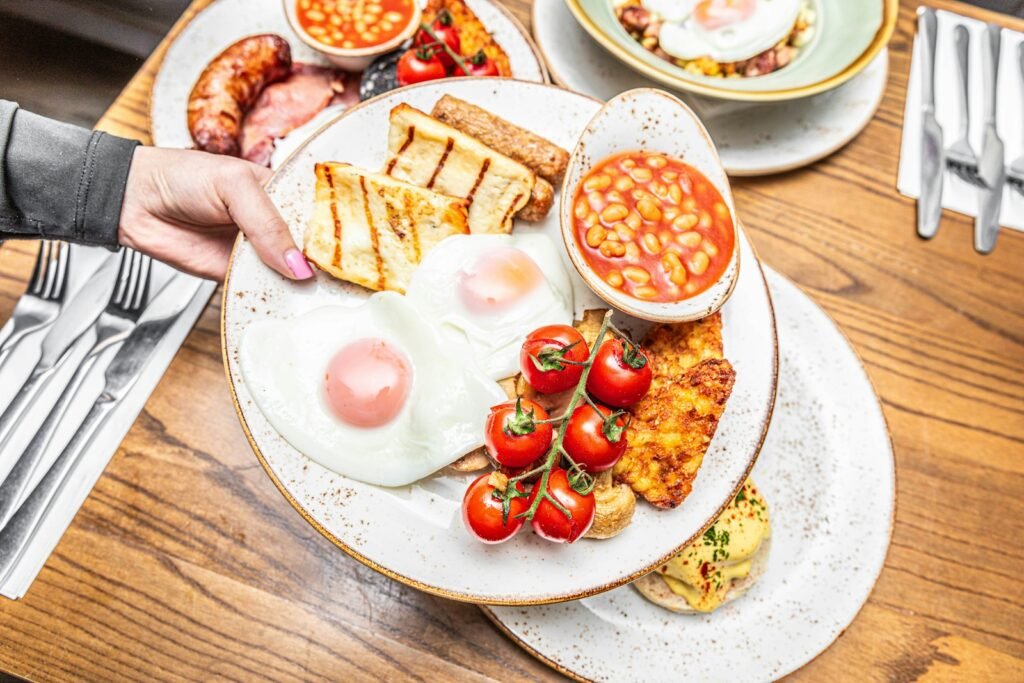
The unique texture of grilled halloumi is one of the most compelling reasons to include this versatile cheese in culinary endeavors. Halloumi, a semi-hard cheese originating from Cyprus, showcases a delightful contrast when grilled. The grilling process enhances its inherent characteristics by transforming the cheese’s exterior while keeping the interior creamy and soft. This duality of texture offers a tantalizing experience for the palate, as diners can enjoy the satisfying contrast between the crispy, golden-brown outer layer and the tender, milky interior.
When subjected to the high heat of a grill, the outer surface of halloumi develops a firm, caramelized crust. This transformation occurs due to the Maillard reaction, a chemical process that occurs when proteins and sugars react under heat, resulting in complex flavors and appealing coloration. The cooking time and temperature are crucial in achieving the perfect texture. If grilled for too long, halloumi may become overly firm or even rubbery, while undercooking may prevent the outer crust from forming, missing the desired textural contrast.
The type of grill also impacts the final texture of grilled halloumi. For instance, a charcoal grill tends to impart a smoky flavor and create char marks that enhance the aesthetic appeal. In contrast, gas grills offer consistency and control over temperature, allowing for an even cook. Whether using a charcoal or gas grill, monitoring the cooking process ensures that halloumi reaches that ideal balance of crispy exterior and soft interior. This unique characteristic makes grilled halloumi not only an excellent standalone dish but also a versatile addition to salads, sandwiches, and various Mediterranean-inspired meals.
Visual Appeal of Grilled Halloumi
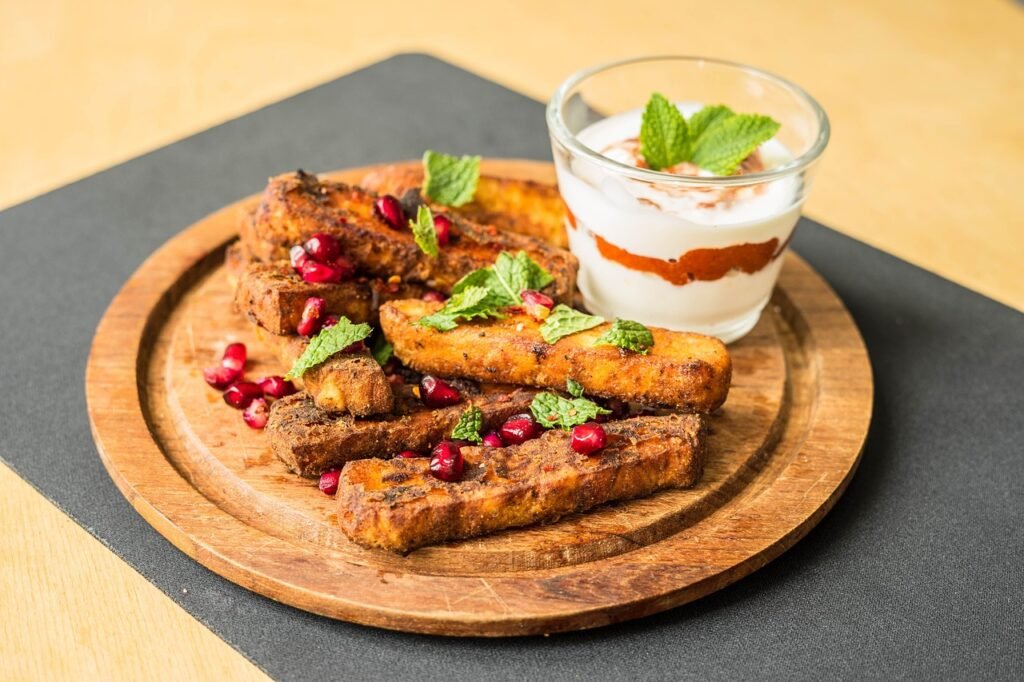
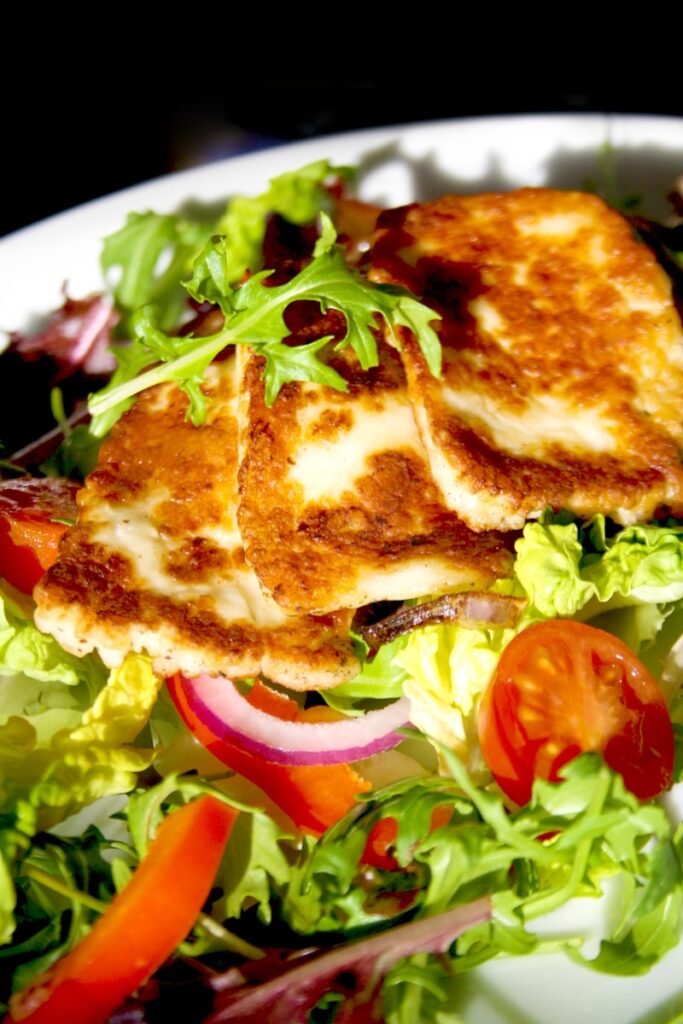
The visual allure of grilled halloumi significantly enhances its overall appeal, making it an enticing addition to any culinary presentation. When prepared correctly, this Mediterranean cheese develops a stunning golden-brown crust that captures the eye and whets the appetite. The contrast between the crispy exterior and the soft, creamy interior not only creates a textural harmony but also invites diners to experience the diverse sensations that halloumi offers. The beautiful charred lines that result from grilling add an artisanal touch, suggesting a thoughtful cooking technique that enhances the cheese’s natural flavor.
Furthermore, visual aesthetics play a crucial role in the presentation of grilled halloumi. The careful arrangement on a plate can elevate this cheese from a simple dish to a gourmet experience. When served alongside vibrant garnishes such as fresh herbs, colorful vegetables, or dips, the overall visual impact becomes even more pronounced. The lively greens of parsley or mint, the bright reds and yellows of roasted peppers or cherry tomatoes, and the deep hues of a savory sauce all contribute to an enticing plate that pleases not only the palate but also the eye.
Moreover, contrasting the warm shades of grilled halloumi with cooler tones in side dishes can create a balanced and harmonious presentation. Pairing it with a bright, citrusy salad or a rich, dark balsamic glaze adds layers of color and enhances the visual storytelling. Every component on the plate, from the halloumi to its accompaniments, plays a vital role in enriching the dining experience, turning each meal into a feast for the senses. In culinary art, such thoughtful considerations ensure grilled halloumi does not merely sit as an ingredient, but emerges as a visual centerpiece that captivates those who are fortunate enough to indulge in it.
The Appearance of Grilled Halloumi Dishes
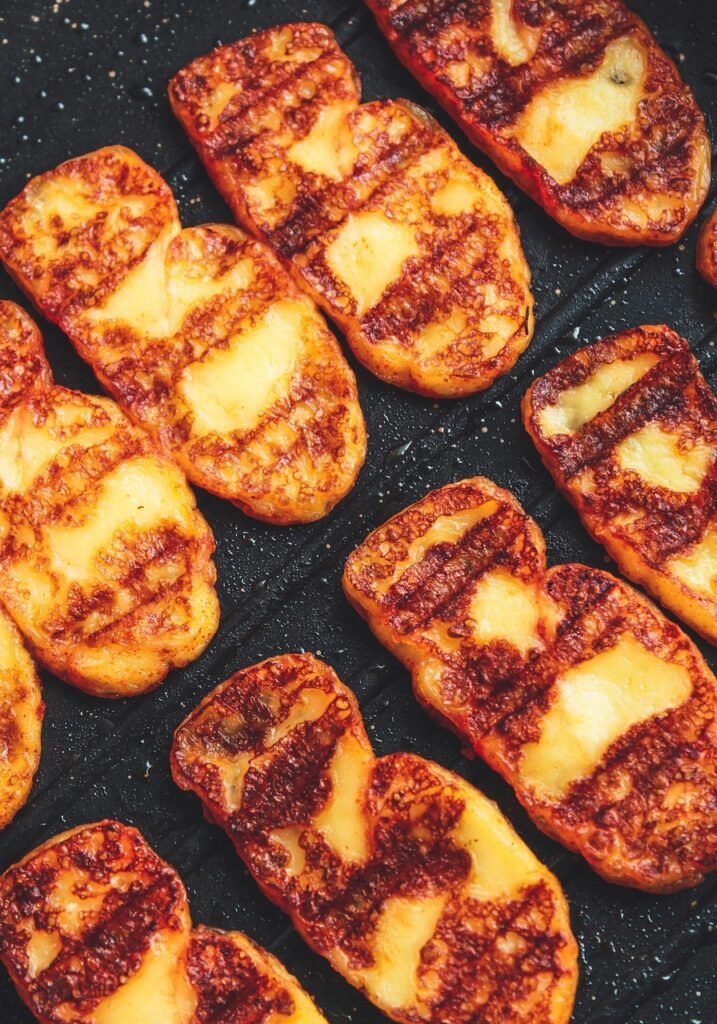
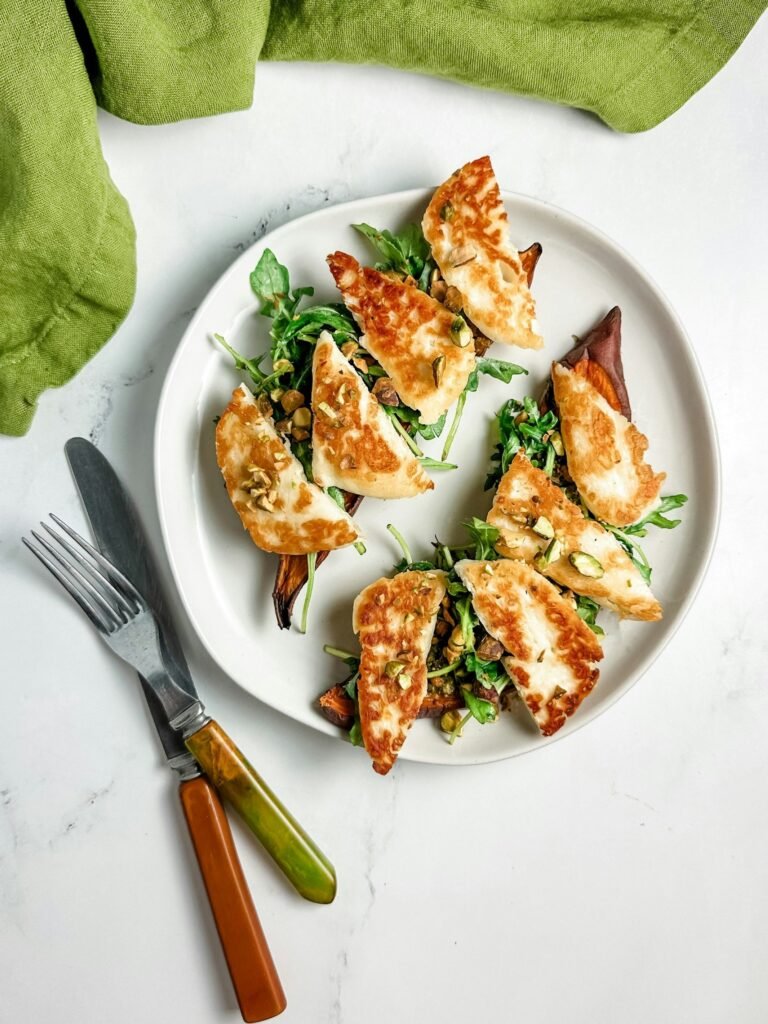
Grilled halloumi presents a unique visual appeal that captivates culinary enthusiasts. Its distinctive golden-brown exterior, achieved through the grilling process, contrasts beautifully with its creamy-white interior, making it a standout component in any dish. When served in individual slices or cubes, the texture of grilled halloumi creates an inviting presentation. These crispy edges combined with a succulent center not only enhance the taste but also contribute to its aesthetic charm.
One popular way to enjoy grilled halloumi is as part of a charcuterie board. In this context, it pairs well with a variety of elements such as cured meats, fresh fruits, olives, and artisanal breads. The contrasting colors and textures of these accompaniments further elevate the visual appeal of the grilled halloumi, making the entire arrangement vibrant and appetizing. The cheese’s firm structure allows it to hold its shape, making it ideal for slicing and presenting attractively among other delicacies.
Creative plating techniques can further enhance the appearance of dishes featuring grilled halloumi. For instance, stacking grilled slices with roasted vegetables or layering them with fresh herbs adds depth and interest. Utilizing contrasting elements, such as drizzling balsamic reduction or adding brightly colored microgreens, creates a visual narrative that draws the diner’s eye. It is essential that the presentation not only showcases the halloumi but also encourages a sensory experience, inviting individuals to explore the flavors therein.
Moreover, the incorporation of grilled halloumi into salads allows for inventive compositions that engage the palate and the eyes. The cheese’s firm consistency complements soft greens and crunchy toppings, contributing to an attractive plate that seamlessly unites color, flavor, and texture.
Plating Techniques for Grilled Halloumi
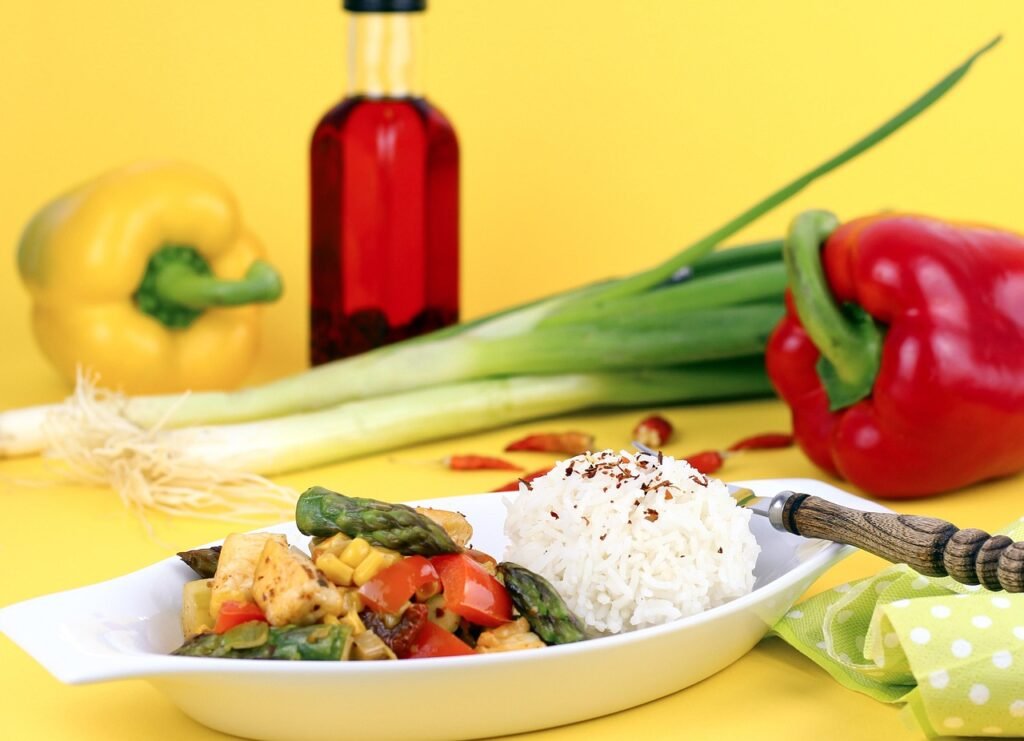
When it comes to serving grilled halloumi, presentation plays a pivotal role in enhancing the overall dining experience. A thoughtfully arranged plate not only showcases the character of the dish but also engages the audience’s senses, stimulating both visual appeal and anticipation. To effectively plate grilled halloumi, various techniques can be employed to transform this versatile cheese into a culinary masterpiece.
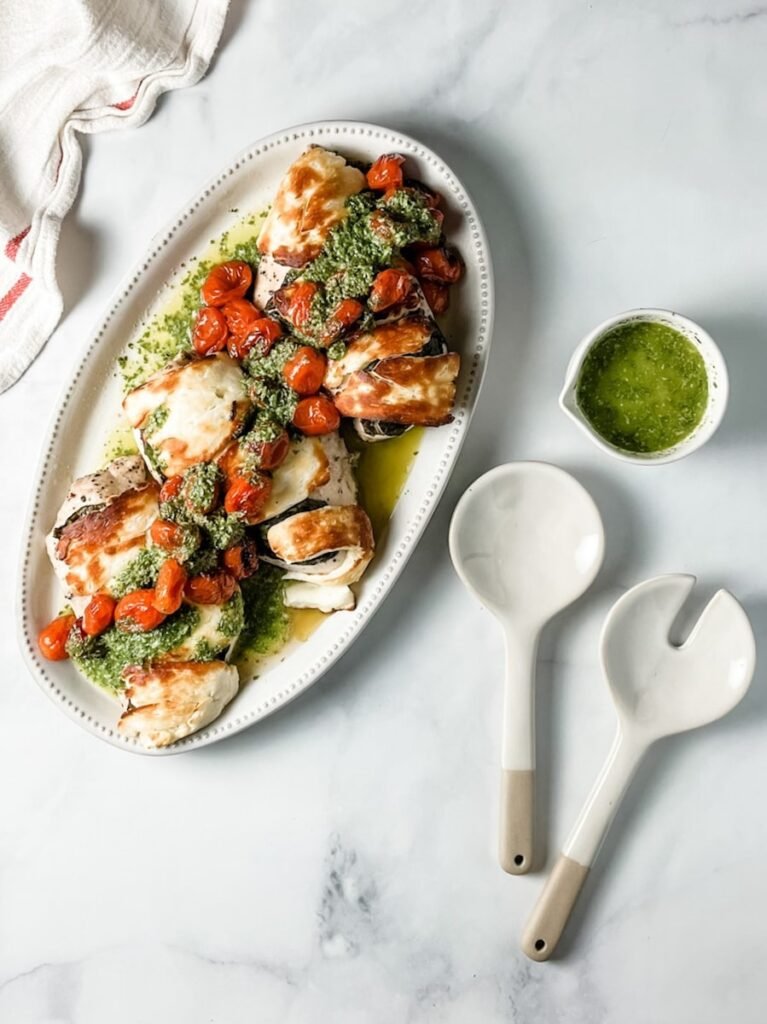
One effective approach is to utilize a colorful base of vegetables. Grilled vegetables such as zucchini, bell peppers, and cherry tomatoes can create an inviting bed for the halloumi. These vibrant colors not only provide contrast but also infuse layers of flavor that complement the salty richness of the grilled cheese. To enhance texture, consider adding elements such as crispy roasted chickpeas or toasted nuts that introduce a satisfying crunch.
Sauces also serve as a key component in elevating the presentation of grilled halloumi. A drizzle of balsamic reduction, fresh herb pesto, or a citrus vinaigrette can add depth and sophistication. Positioning the halloumi atop these sauces adds dimension to the plate, enabling the colors of the sauce to visually merge with the golden crust of the grilled cheese. Another creative technique is to employ sauce smear patterns, which give a dynamic aesthetic that can engage diners even before their first bite.
Garnishes, such as microgreens or edible flowers, can further uplift the appeal of the dish. A sprinkle of fresh herbs, like thyme or basil, introduces an aromatic element that invites the senses. Assembling these various components in a holistic manner will lead to beautifully plated grilled halloumi that not only delights the palate but also captivates the eye, encouraging diners to savor the culinary experience fully.
Incorporating Halloumi into Various Dishes
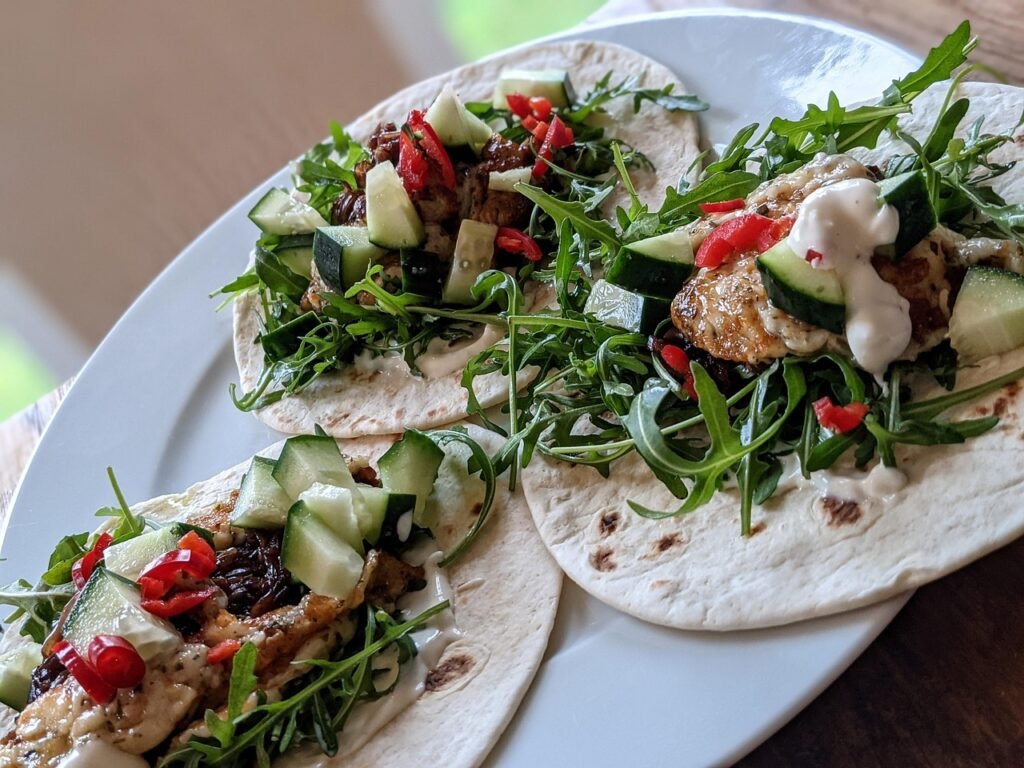
Grilled halloumi, with its unique texture and salty flavor, provides an exciting element to a variety of meal options. One of the most traditional and popular ways to enjoy halloumi is by incorporating it into salads. A refreshing aromatic halloumi salad can be crafted by combining mixed greens, cherry tomatoes, cucumbers, and grilled slices of halloumi. Drizzle with a lemon vinaigrette to enhance the dish’s flavors. This combination creates a perfect balance of textures and flavors, fresh and hearty, ideal for any meal.
Another classic use of halloumi is in gyros, where it serves as a delicious alternative to meats. By grilling halloumi and wrapping it in a warm pita along with fresh vegetables and tzatziki sauce, one can create a hearty, vegetarian-friendly dish that satisfies. The subtle smokiness of the grilled cheese complements the crispness of the vegetables perfectly, establishing a delectable flavor profile.
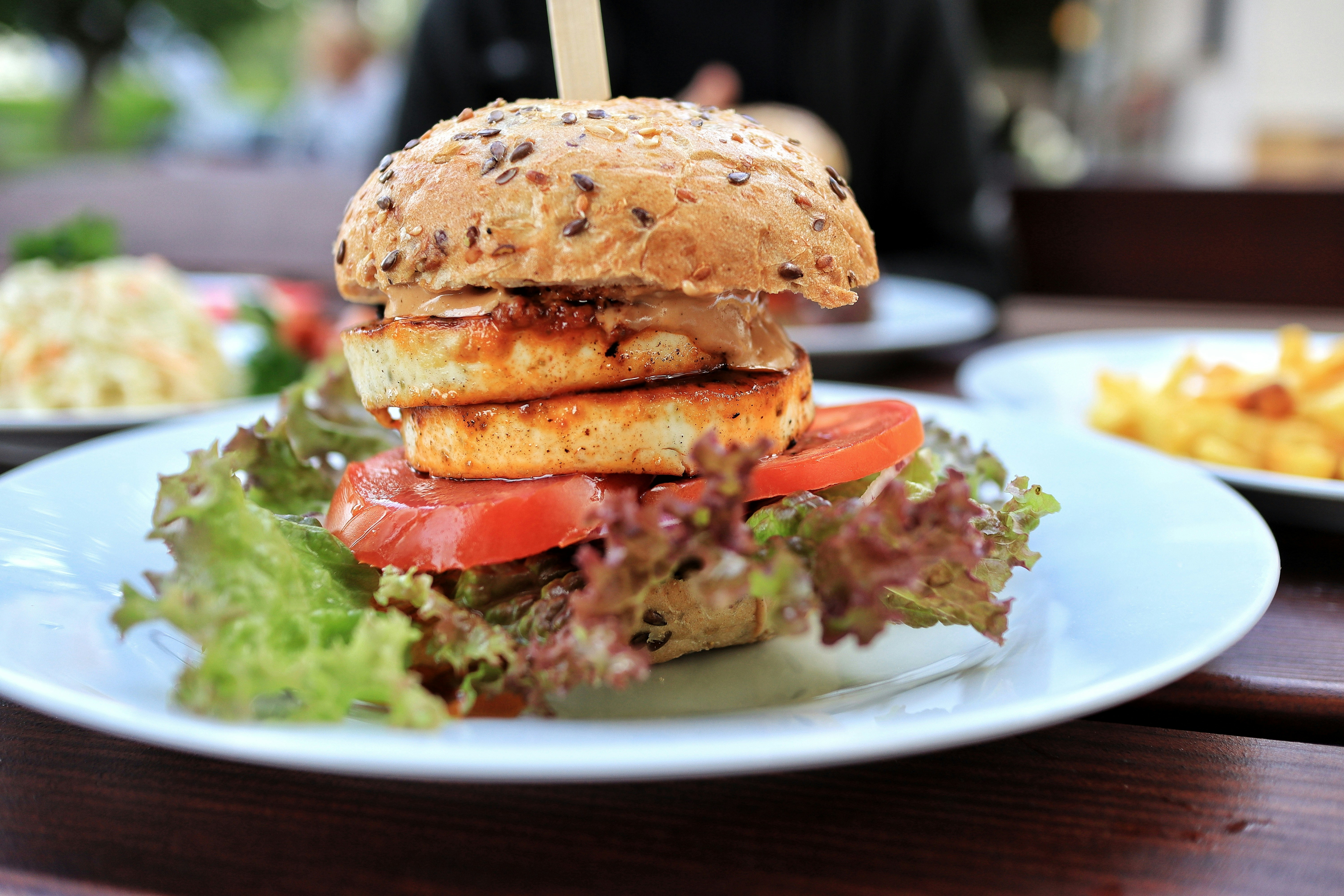
In modern culinary practices, halloumi has found its way into innovative dishes such as burgers. Replace traditional meat patties with a thick, grilled halloumi slice for a unique twist. Top the halloumi burger with avocado, pickled onions, and spicy aioli for a gourmet experience. Additionally, halloumi can be a delightful addition to tacos. Pairing grilled halloumi with a medley of grilled vegetables, salsa, and a squeeze of lime creates a refreshing and satisfying vegetarian taco option.
Furthermore, skewers are a creative way to feature halloumi at social gatherings or barbecues. Alternating pieces of halloumi with seasonal vegetables such as bell peppers, zucchini, and red onions on skewers can produce a striking presentation. For a sweet pairing, consider serving grilled halloumi alongside honey or fruit compote, offering an unexpected yet delightful contrast to its savory quality.
This versatility of grilled halloumi encourages culinary creativity, motivating home chefs to experiment and incorporate it into a wide array of dishes, be it savory or sweet.
Conclusion: The Enduring Appeal of Grilled Halloumi
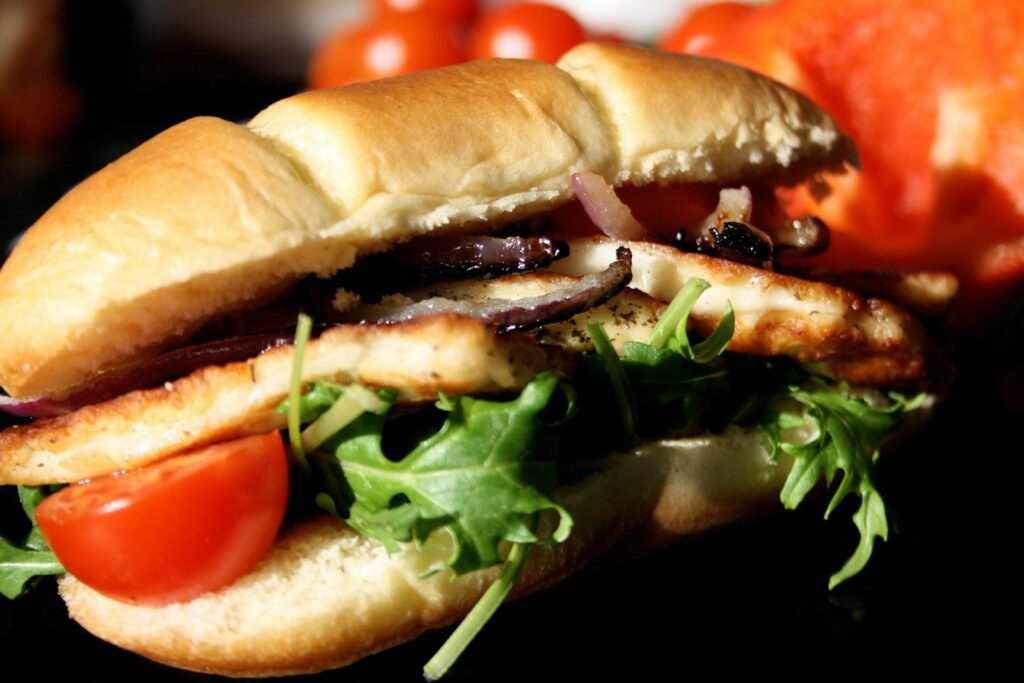
Grilled halloumi has emerged as a beloved culinary delight, celebrated for its unique flavor profile, enticing textures, and versatile applications. Originating from Cyprus, halloumi has a rich cultural significance, deeply embedded in Eastern Mediterranean cuisine. Its ability to withstand high temperatures without melting makes grilled halloumi a distinctive choice for many dishes, allowing chefs and home cooks alike to explore various ways to incorporate this cheese into their meals.
The compelling flavors of grilled halloumi are characterized by its savory and slightly tangy notes, which are enhanced during the grilling process. The high heat caramelizes the cheese’s exterior, creating a delightful contrast with its soft, chewy interior. This duality of texture adds a dimension to any dish, whether served on skewers, atop salads, or simply alongside vegetables and dips. The grill marks and golden-brown color also contribute to its visual appeal, making grilled halloumi an attractive addition to any dining experience.
Beyond its culinary features, the increasing popularity of grilled halloumi reflects a broader trend towards embracing diverse ingredients that offer rich flavors and health benefits. As consumers become more adventurous in their culinary pursuits, grilled halloumi stands out as a wonderful alternative to traditional proteins, catering to vegetarians and flexitarians alike. Its nutritional profile, which includes protein and calcium, further supports its place in modern diets.
As hallmark characteristics of grilled halloumi continue to resonate with food enthusiasts around the world, there is an opportunity to experiment with different preparations, pairings, and cuisines. By incorporating this cheese into various dishes, readers can enhance their culinary explorations and appreciate the timeless appeal of grilled halloumi. The versatility and charm of this cheese undoubtedly secure its status in contemporary gastronomy, inviting ongoing creativity in the kitchen.