

The Origin of Saag
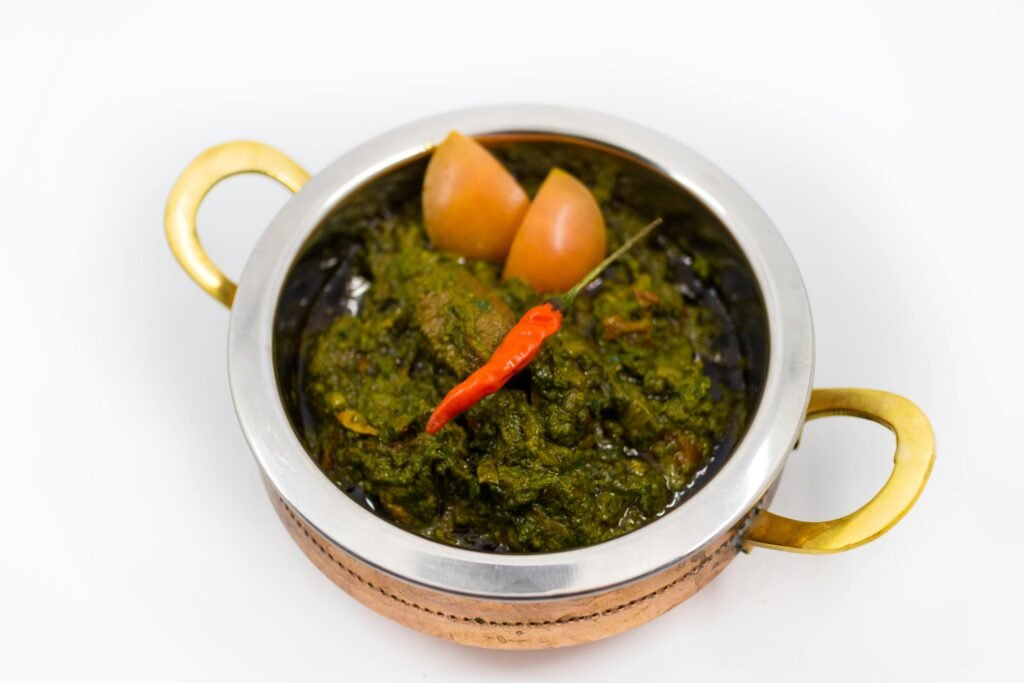
Saag, a dish deeply rooted in the agrarian societies of South Asia, signifies a connection to the land and the cultures that harvest it. Derived primarily from the diverse range of leafy greens, saag encompasses various preparations and interpretations depending on regional customs. Historically, this dish has evolved from the traditional farming practices of rural communities, where cultivating leafy greens such as mustard, spinach, and fenugreek was central to the diet. These greens not only thrive well in the local climatic conditions but also offer rich nutritional benefits, making them ideal constituents of the saag.
In the Indian subcontinent, the evolution of saag can be traced back to ancient agricultural practices. Historically, farmers have relied on seasonal crops, with saag serving as a way to utilize bountiful harvests. In Punjab, for instance, saag refers predominantly to mustard greens, which are often enjoyed in the winter months when the leaves are tender and flavorful. Conversely, in regions like Gujarat, saag might incorporate a wider variety of greens, demonstrating its adaptability to local tastes and available produce.
Cultural significance plays a vital role in the preparation and celebration of saag. Festivals and seasonal changes often dictate its consumption, with specific leafy greens becoming staples during various times of the year. Additionally, traditional cooking methods, including the use of clay pots and slow cooking, have preserved the authenticity of saag across generations. Regional variations not only reflect culinary diversity but also the intertwined relationship between food, culture, and identity. Thus, saag is much more than a dish; it embodies the agricultural heritage and the rich tapestry of life in South Asia, providing a glimpse into the historical roots of these leafy greens and their enduring legacy in contemporary cuisine.
Cultural Significance of Saag
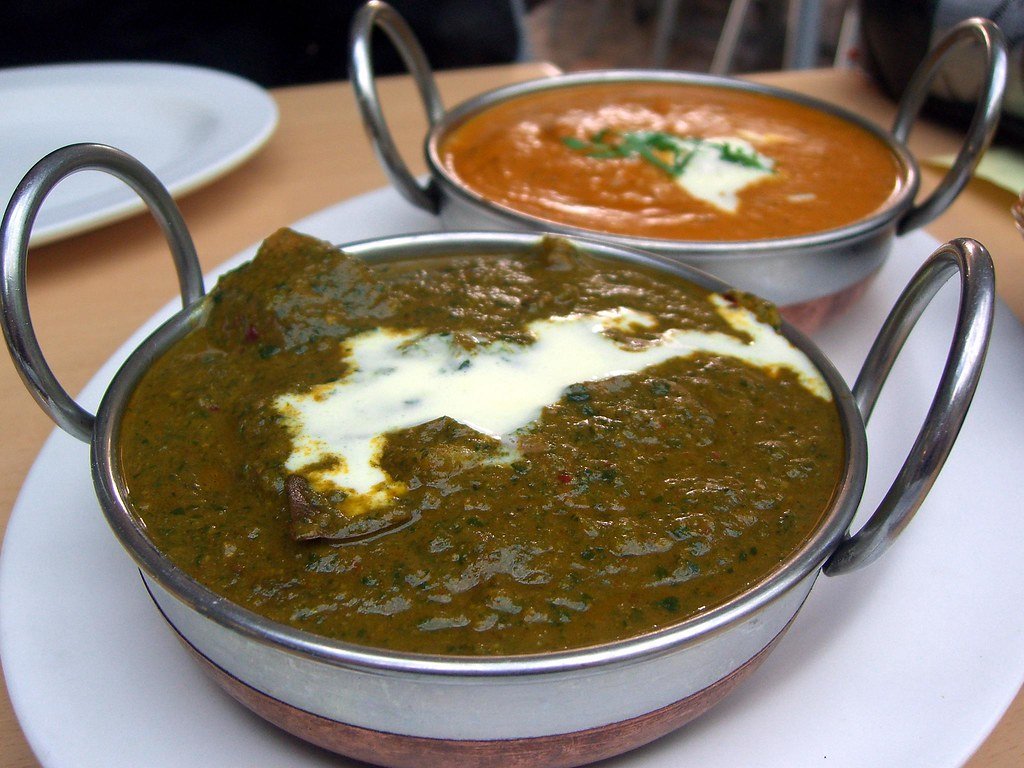
Saag, commonly recognized as a dish made from various leafy greens, holds profound cultural significance across many communities, particularly in South Asia. Its roots run deep within the agricultural heritage of regions where it is primarily cultivated, reflecting both the land’s bounty and the agrarian lifestyle that shapes local customs and traditions. The growing and consumption of saag is often intertwined with cultural identity, symbolizing resilience, resourcefulness, and a strong connection to the earth.
Throughout numerous festivals and family gatherings, saag plays a pivotal role as a featured dish, often prepared in elaborate ways to celebrate seasonal harvests. For instance, during the festival of Lohri, saag is traditionally served with makki di roti, emphasizing its seasonal significance, as the festival coincides with the harvesting of crops. This culinary pairing not only satisfies appetites but also fosters a sense of community, bringing families and friends together to appreciate the fruits of their labor while honoring agricultural practices that have been passed down through generations.
Moreover, saag’s presence on the dining table transcends mere sustenance, representing cultural pride and heritage. In everyday life, it serves as a reminder of simpler times and cherished family recipes, connecting individuals to their ancestors. The preparation of saag often involves the participation of family members, particularly during gatherings where traditional cooking methods are embraced. This collective action reinforces bonds and promotes the sharing of knowledge about local ingredients and culinary techniques, fostering an appreciation for the natural resources available in the region.
In summary, saag is not just a culinary delicacy, but a vital element of cultural identity. Its significance is manifested in various ceremonies, daily meals, and intergenerational connections, highlighting the multifaceted role it plays within communities. By preserving the traditions associated with saag, individuals maintain a link to their past, ensuring that this integral aspect of their culture endures for future generations.
Unique Flavors of Saag
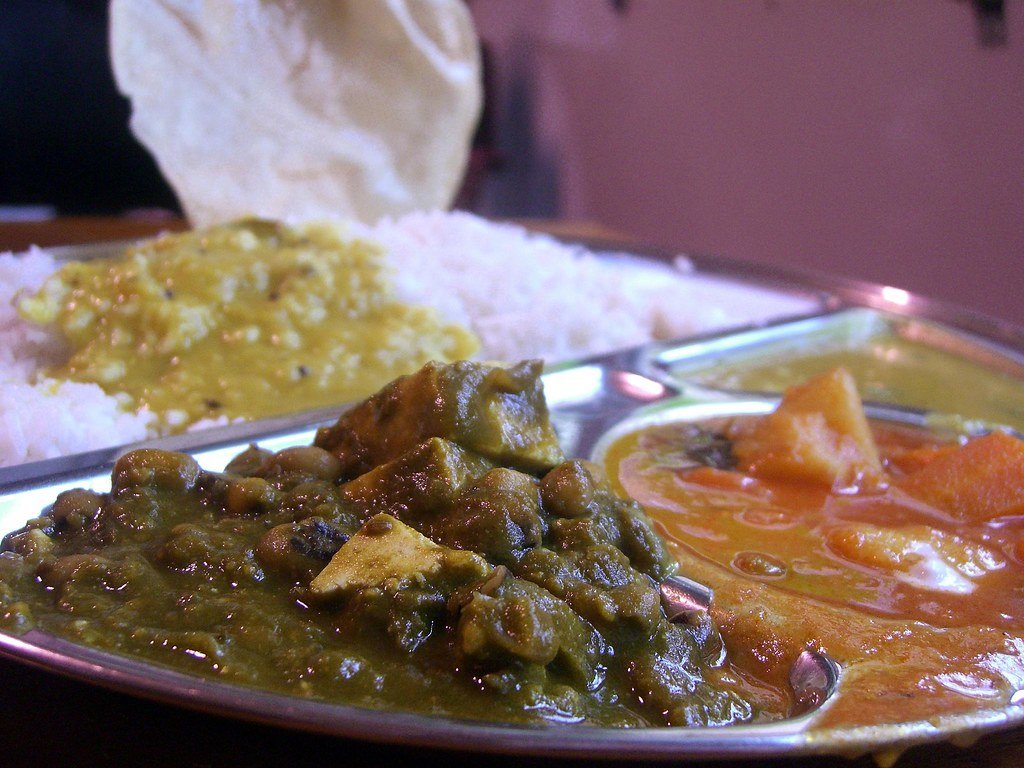
Saag, a beloved dish in various South Asian cuisines, is renowned for its versatility and rich flavor profiles. The dish primarily revolves around a base of leafy greens, which can include mustard greens, spinach, or even fenugreek leaves. Each type of green brings its distinctive character to saag, influencing not only its appearance but also its taste. Mustard greens, for instance, provide a slightly bitter and pungent flavor, lending an earthy depth to the dish, while spinach offers a milder, more delicate taste. This diversity in the choice of greens allows for an orchestra of flavors, inviting a multifaceted sensory experience.
In addition to the choice of greens, the integration of various spices can dramatically alter the flavor dynamics of saag. Commonly used spices such as cumin, coriander, and turmeric not only enhance the taste but also contribute aromatic notes that elevate the overall dish. For instance, the warm, slightly nutty flavor of cumin paired with the warm earthiness of turmeric creates a rich aromatic profile that is undeniably engaging. Furthermore, adding ginger and garlic infuses a pungent note, while green chilies contribute varying levels of heat, depending on preference and regional variations.
Cooking techniques also play a significant role in shaping the flavor of saag. Traditional methods often involve slow cooking and blending, which help to meld the ingredients’ flavors harmoniously. The technique of tempering spices at the beginning of cooking maximizes their potency, allowing them to mingle with the greens effectively as they soften over heat. The final result is a luscious, complex dish with layers of taste that make saag not only a culinary staple but also a representation of cultural identity and regional diversity. The unique flavors of saag, achieved through thoughtful selection of ingredients and meticulous cooking, firmly establish this dish as a mainstay in kitchens around the world.
Textures of Saag
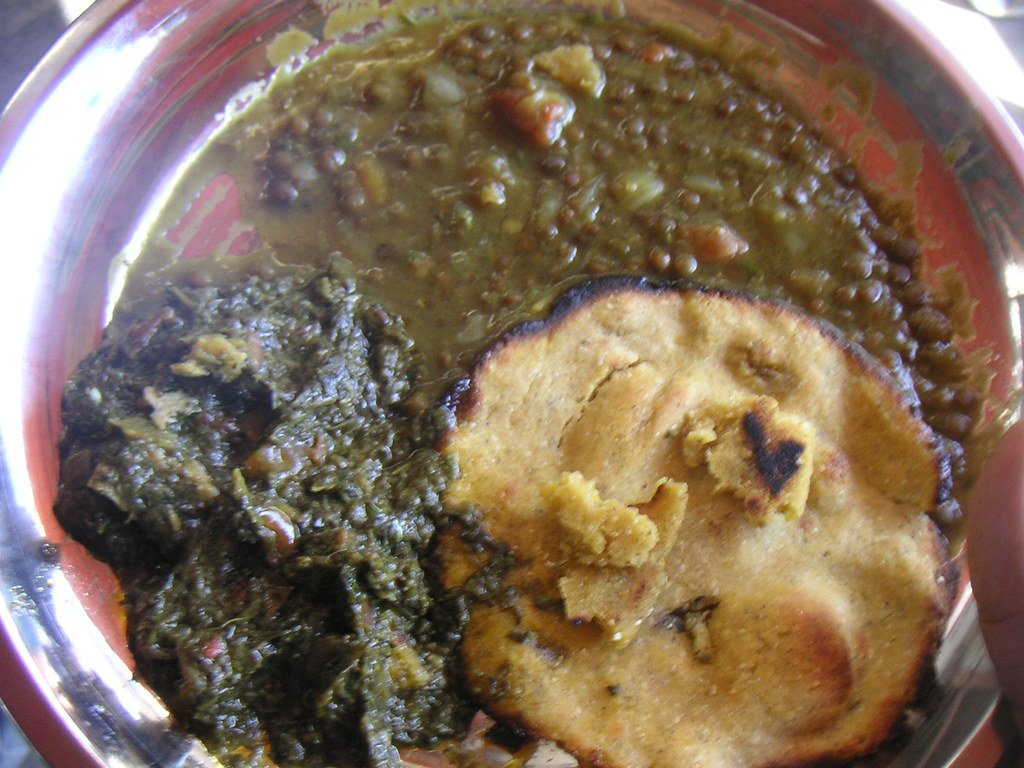
Saag, a dish often celebrated for its vibrant flavor profile, also captivates diners with its diverse textures that contribute significantly to the overall experience. The textures present in saag dishes stem from a combination of the greens used, the preparation methods, and the incorporation of additional ingredients, particularly dairy products. The base of saag is typically a blend of leafy greens such as spinach, mustard greens, or fenugreek, each of which contributes its unique fibrous quality. The fibrousness of these greens is vital, as it delivers a hearty mouthfeel that complements the creaminess introduced by elements like yogurt, cream, or ghee.
The addition of dairy not only enhances the flavor but also drastically alters the texture of saag. When cream or yogurt is stirred into the dish, it results in a rich, velvety consistency that contrasts beautifully with the denser, fibrous greens. This creaminess is a hallmark of saag dishes and is particularly appealing to those who appreciate layers of texture in their meals. Furthermore, cooking techniques can modify the texture as well; for instance, a longer cooking time can break down the greens into a smoother purée, while a quicker sauté retains more of their original structure and bite.
Moreover, variations in preparation methods can introduce a variety of textures within a single dish. For example, some recipes call for blending the cooked greens into a smoother sauce, while others may leave them in a chunkier state. This interplay between smooth and textured elements invites contrasting sensations, making each bite an engaging experience. Ultimately, the textures of saag accentuate its rich flavors, showcasing an intricate balance between creaminess and fibrousness that draws people into its allure.
The Visual Appeal of Saag Dishes
Saag, a dish primarily made from leafy greens such as spinach, mustard, or fenugreek, captivates not only through its flavor but also its vibrant visual appeal. The dish is characterized by its rich green hues, which can vary significantly depending on the specific type of greens used. These deep, earthy colors create a sense of freshness and vitality that is highly valued in culinary presentation. The visual aesthetics of saag enhance the overall dining experience, making it a feast for the eyes as well as the palate.
The arrangement of saag on the plate plays a crucial role in its visual presentation. Often, it is served in a shallow bowl, allowing the deep green color to stand out more prominently. To further elevate the visual impact, chefs might garnish the saag with a drizzle of cream or butter, forming a striking contrast against the greens. The creamy accents not only add a visual dimension but also signal richness and indulgence. Additional garnishes like finely chopped onions, cilantro, or a sprinkle of spices can provide both texture and color variations, transforming the dish into an artful composition.
The importance of visual presentation in food culture cannot be overstated. In the context of saag, the way a dish is presented reflects the culinary tradition’s artistry and attention to detail. Food enthusiasts often gravitate towards dishes that are visually appealing, as aesthetics can heighten anticipation and pleasure during the dining experience. Saag dishes are frequently featured in social gatherings and celebrations, where their vibrant appearance complements the festive atmosphere, inviting diners to indulge in this culinary delight. Ultimately, the visual allure of saag serves as a testament to the sophisticated artistry inherent in Indian cuisine, bridging the gap between nourishment and aesthetic enjoyment.
Appearance of Saag Dishes
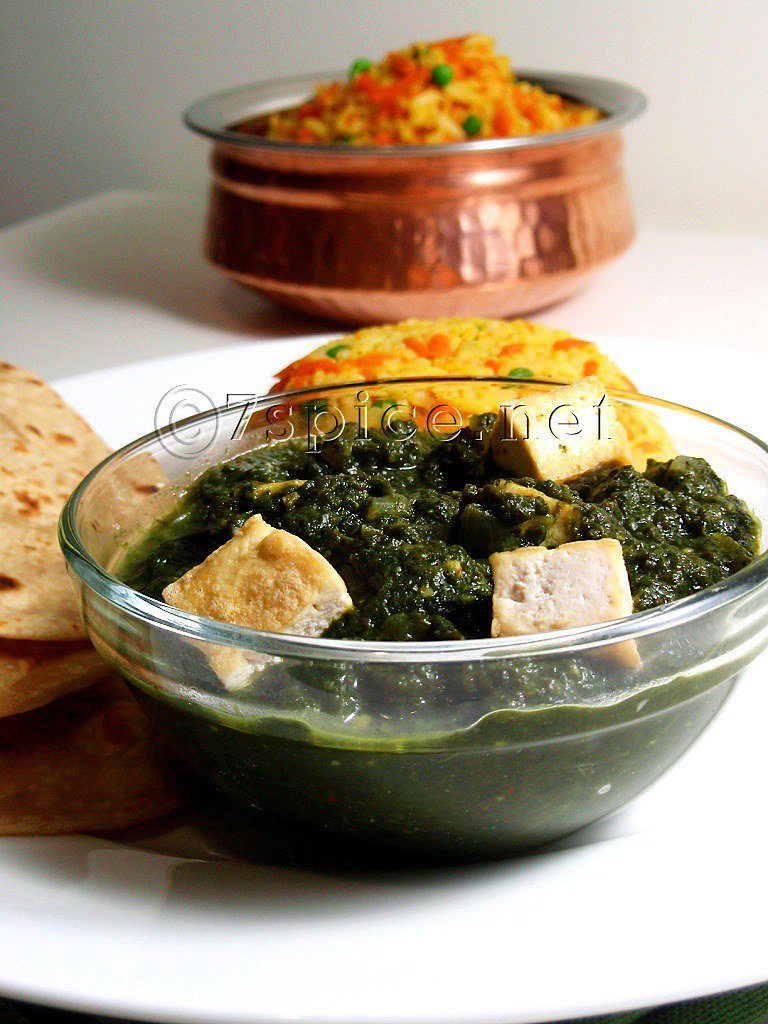
Saag dishes, characterized by their vibrant hues and diverse presentations, serve as a feast for the eyes as well as the palate. The predominant color of saag typically ranges from deep green to a rich earthy shade, depending on the specific leafy greens utilized in preparation. Commonly employed greens include mustard greens, spinach, and fenugreek leaves, each contributing to a unique visual experience. For instance, mustard greens impart a slightly yellowish tint, while spinach offers a more uniform green that emphasizes freshness.
The visual appeal of saag dishes is often enhanced through the use of garnishes that add a pop of contrasting color and texture. Common garnishes may include dollops of creamy yogurt, which not only provide a striking white contrast against the green backdrop but also add a layer of richness to the dish. Chopped cilantro or mint leaves are frequently sprinkled on top, adding a touch of freshness and vibrant green that complements the main ingredients. Additionally, a drizzle of bright red chili oil or a sprinkle of red chili powder can create an enticing visual allure that signals the dish’s flavor profile.
Serving methods also play a key role in showcasing the appeal of saag dishes. In many cultures, saag is presented in traditional clay pots or exquisite bowls that enhance the rustic charm of the meal. The communal sharing of saag dishes encourages a vibrant dining experience, often accompanied by warm naan or rice, which are visually appealing in their own right. As recipes vary by region and culture, the overall appearance of saag can be transformed dramatically, providing a captivating introduction to its rich culinary heritage. The sensory experience commences long before the dish reaches the table, captivating diners with its colorful embrace.
Plating Techniques for Saag
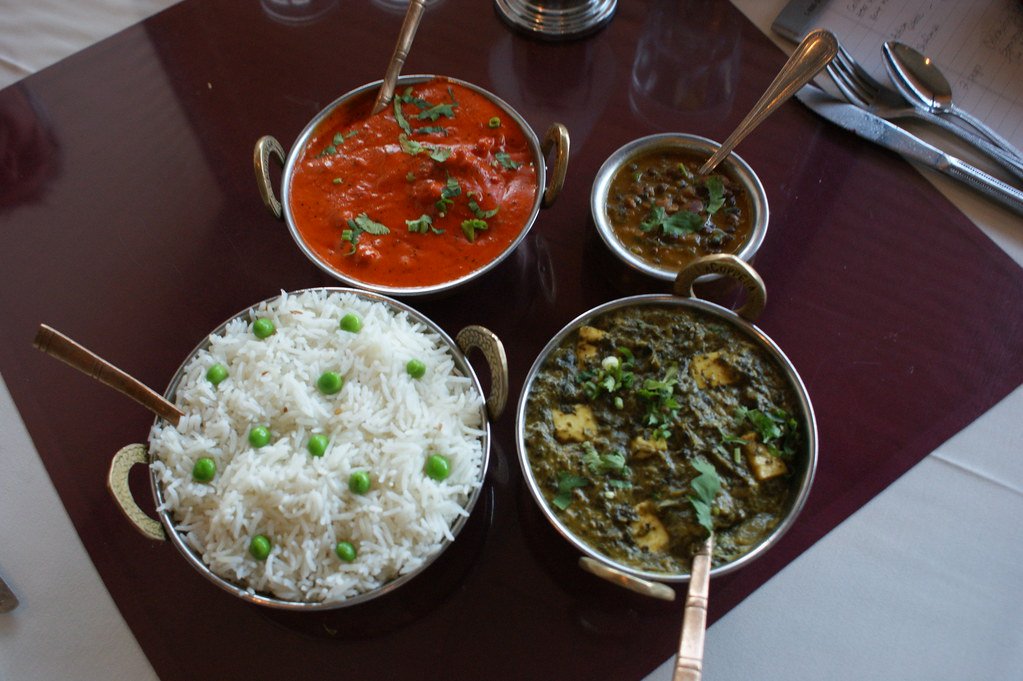
Plating saag dishes is an art form that elevates the dining experience, transforming a simple meal into an aesthetically pleasing presentation. The foremost consideration when plating saag is the choice of plate. Opting for a white or neutral-colored dish can create a striking contrast, allowing the vibrant green hues of the saag to stand out. Additionally, utilizing a wide, shallow plate can enable ample space for stylish arrangements, creating an inviting focal point.
One effective technique to achieve visual height and balance on the plate is to construct layers. For instance, placing a hearty serving of saag at the center can establish a strong base. You can then layer it with complementary ingredients, such as grilled paneer or crispy okra, to add dimension. Using a smaller bowl to hold a portion of saag can also create height; simply invert the bowl onto the plate and gently lift it off. This method forms a neat mound of saag that immediately draws attention.
Texture plays a crucial role in enhancing the visual appeal of saag dishes. Introducing varied textures, such as crunchy nuts or fried shallots, adds not just color but also an interesting contrast to the smooth consistency of the saag. Placing these accompaniments strategically around the saag can emphasize the dish’s richness while inviting diners to explore the different components. Furthermore, various plating styles, such as stacking or zigzag arrangement, can also create exciting visual interest.
Garnishes are essential in the final presentation of saag. Fresh herbs, such as cilantro or mint, can provide a burst of color and freshness. A drizzle of yogurt or a smear of achaar can also enhance both the visual appeal and flavor profile. Ultimately, the key to beautifully plating saag lies in thoughtful arrangement, interplay of textures, and the judicious use of garnishes, all of which contribute to a memorable culinary experience.
Saag in Contemporary Cuisine
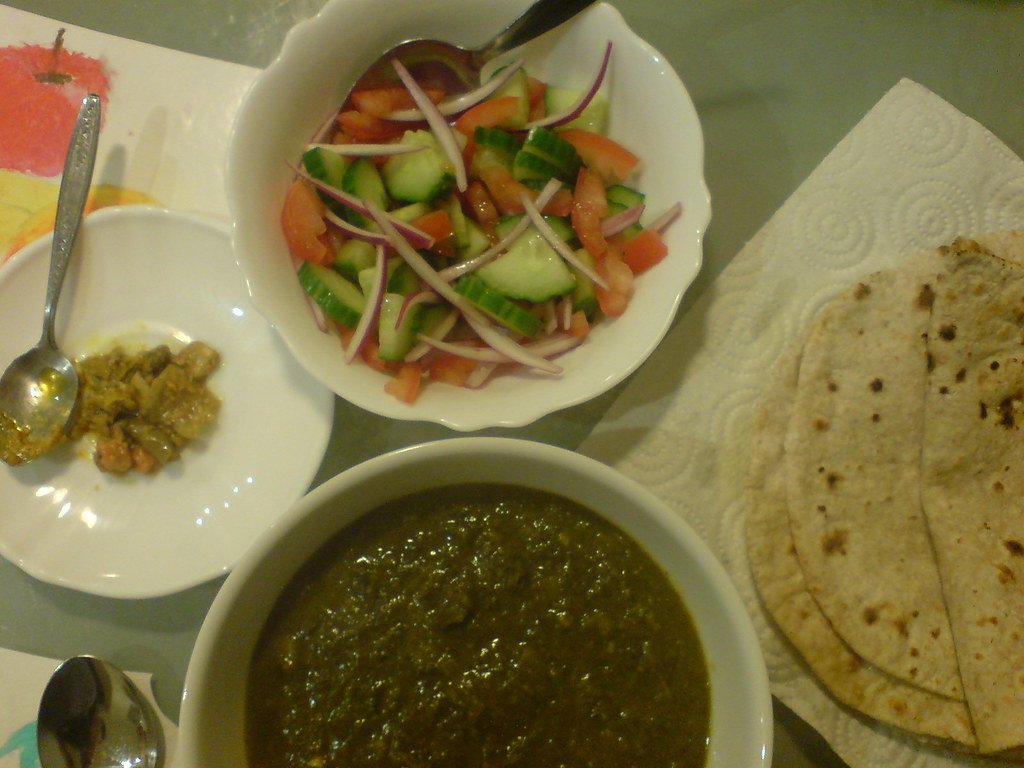
In recent years, saag has emerged as a versatile ingredient within contemporary cuisine, transcending its traditional roots and finding new homes in various culinary landscapes. The adaptability of saag has led to its integration into fusion dishes, where it is combined with diverse global flavors, creating innovative and appealing meals. Chefs around the world are experimenting with saag, using it not only as a classic accompaniment to dishes like paneer or meat but also as a central component in salads, pastas, and even soups.
One notable trend in the modern culinary scene is the adaptation of saag into healthier options without compromising its quintessential appeal. Many restaurants now offer saag smoothies and saag-infused bowls, catering to health-conscious consumers seeking nutritious yet flavorful alternatives. This shift towards lighter preparations serves to highlight the rich nutritional profile of saag, which is packed with vitamins and minerals. Chefs are emphasizing organic and locally sourced ingredients, which dovetail with the rising interest in sustainability and farm-to-table dining, further enhancing the allure of saag.
Moreover, renowned chefs have made notable contributions to contemporary saag dishes, reinventing traditional recipes while preserving their essence. For instance, some chefs have successfully merged Indian cuisine with Mediterranean influences, using saag in dishes such as risottos and wraps, enticing a broader audience while showcasing the ingredient’s global adaptability. Restaurants committed to honoring traditional flavors while also embracing modern techniques have lifted saag to new culinary heights, drawing attention from food enthusiasts and critics alike.
The enduring charm of saag lies in its ability to evolve in tune with contemporary tastes. This timeless green leafy vegetable, rich in flavor and nutrition, continues to inspire culinary innovation, making it a staple in modern kitchens around the world.
Conclusion: The Enduring Charm of Saag
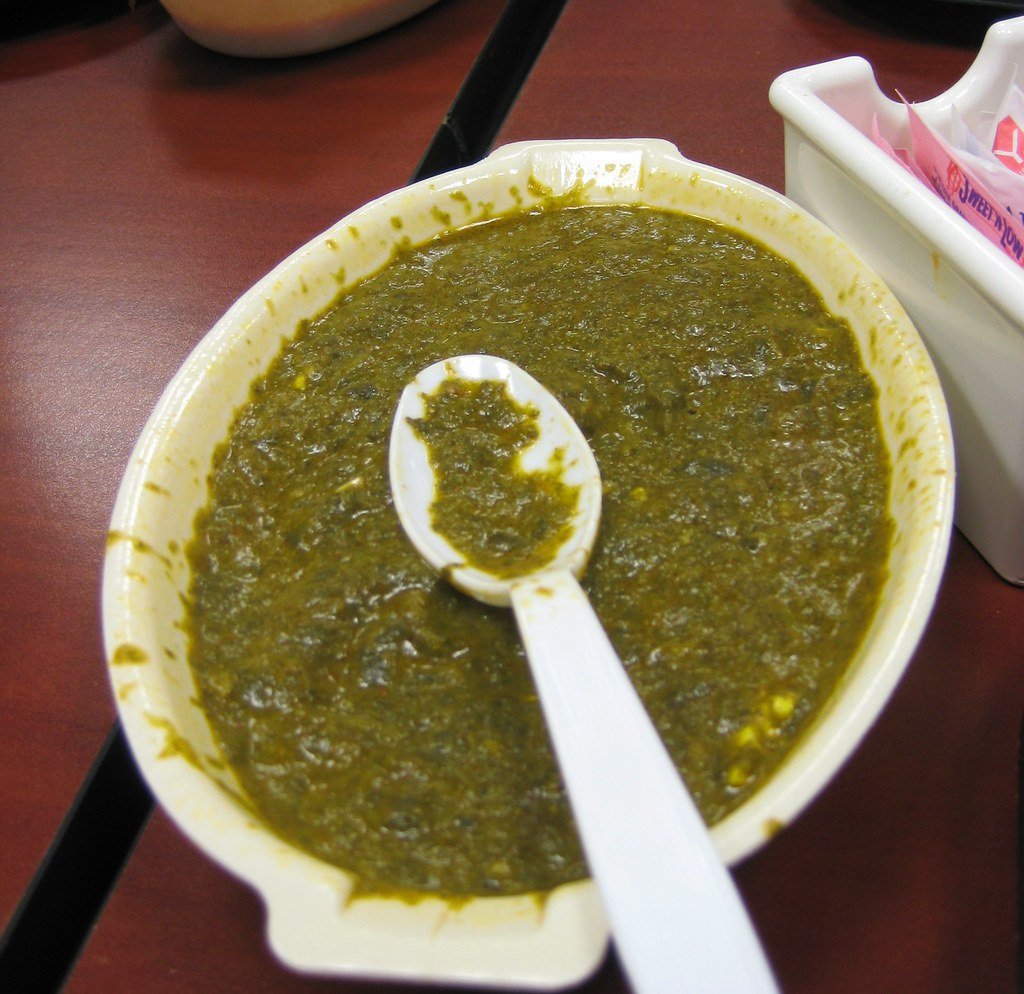
In exploring the rich tapestry of saag, it becomes evident that this dish transcends mere culinary delight. Its origins, steeped in centuries-old traditions, illustrate a profound connection to the agricultural practices that define many regions in South Asia. The cultivation of leafy greens, central to saag, reflects a reliance on seasonal produce, making it not only a gastronomic choice but also an embodiment of local culture and identity.
Throughout the blog post, we delved into the various facets that contribute to the allure of saag. From its distinct flavors, which harmoniously blend spices to elevate the natural earthiness of the greens, to its cultural significance in various communities, saag stands as a testament to regional diversity. Different preparations—whether saag paneer or saag in a traditional thali—showcase the dish’s versatility, embodying both unity and individuality within the culinary landscape.
Moreover, in modern times, saag has garnered attention beyond the traditional dining experience. With a growing emphasis on health consciousness, the nutritional benefits of leafy greens have resonated with contemporary audiences, further cementing saag’s place in everyday meals. Its adaptability to various dietary preferences, including vegetarian and vegan diets, highlights its relevance in today’s diverse food culture. As food lovers and cooks explore new avenues of preparation, saag continues to capture imaginations, utilizing global ingredients while staying true to its authentic roots.
In essence, the enduring charm of saag lies not only in its delectable flavors but also in its ability to encapsulate a rich heritage, making it an ideal subject for culinary exploration. Encouraging further appreciation for this delightful dish will ensure that saag remains a celebrated component of global gastronomy.