
- The Origin of Falooda
- Cultural Significance of Falooda
- Unique Flavors of Falooda
- Textures That Tempt: The Mouthfeel of Falooda
- Visual Appeal of Falooda: A Feast for the Eyes
- The Appearance of Falooda: A Layered Masterpiece
- Plating Techniques for Falooda
- Falooda Around the World: Global Interpretations
- Conclusion: Celebrating the Legacy of Falooda
The Origin of Falooda
Falooda, a beloved dessert in many parts of South Asia, has an origins story that traces back to Persia, showcasing a rich tapestry of cultural exchanges and culinary evolution. Its earliest forms can be linked to the Persian dessert “faloodeh,” a chilled noodle dish made from thin rice starch noodles served in a sweet syrup made primarily from sugar and rose water. This traditional dish began to gain popularity during the early Islamic period, where it was consumed as a refreshing treat in the warm climates of Persia.
The migration of falooda from Persia to the Indian subcontinent occurred primarily through trade routes that facilitated not only commerce but also cultural interactions. As merchants traversed these routes, they introduced exotic ingredients and culinary practices that influenced local cuisines. The arrival of falooda coincided with the establishment of Mughal rule in India, which further enriched its development. The Mughals, known for their extravagant feasts, embraced falooda and began to incorporate local flavors and ingredients into the dish. Milk, various nuts, and, eventually, ice cream became integral components, transforming it into the falooda we recognize today.
The proliferation of falooda across the Indian subcontinent is emblematic of how culinary practices adapt and evolve through cultural contact. Different regions ascribed their unique touch to the dessert, leading to variants such as the use of basil seeds in East India or the introduction of tapioca pearls in South India. This adaptability has helped falooda transcend geographical boundaries, cementing its status as a popular dessert across diverse communities.
Thus, falooda stands as a testament to the historical interplay of cultures, flavors, and culinary traditions. This dessert is not merely a summer treat; it is a symbol of how food narratives evolve and intertwine with societal developments and trade over centuries.
Cultural Significance of Falooda
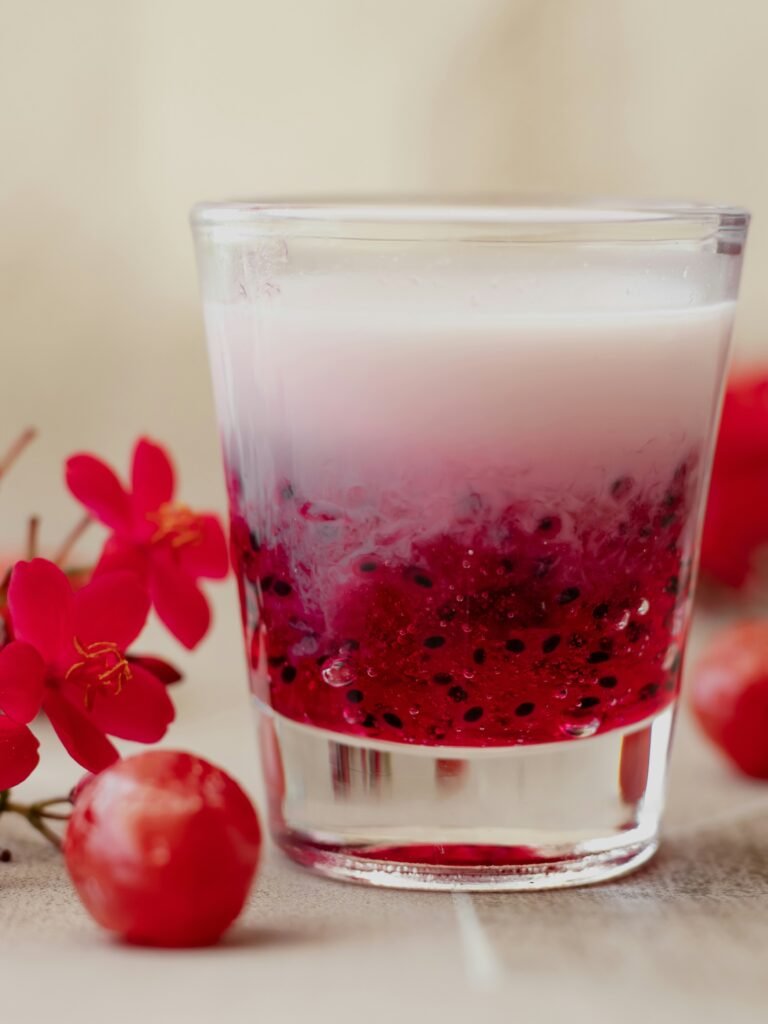
Falooda, a sumptuous dessert often characterized by its combination of vermicelli, basil seeds, and a fragrant rose syrup, holds a cherished place in the cultural tapestry of several South Asian communities. Its significance transcends mere indulgence, weaving together traditions and social interactions that celebrate familial bonds and communal festivities. During special occasions such as weddings, Eid celebrations, and family reunions, falooda often graces dessert tables, signifying hospitality and fostering connections among guests.
This celebrated delicacy is not only prepared but also served with a sense of ritual. The art of crafting falooda varies across regions, with each community offering unique twists that reflect local customs and ingredients. For instance, in parts of India, falooda is enhanced with ice cream, while in some Pakistani households, it is combined with flavored jellies. This regional variation underscores falooda’s adaptability and its role as a cultural emblem, resonating deeply with social contexts and culinary heritage.
Moreover, falooda’s representation in literature, art, and popular culture highlights its esteemed status beyond just culinary appreciation. It is often depicted in poetry and short stories, symbolizing romance and nostalgia. The vibrant colors and inviting textures of this dessert can be seen in art, making it a muse for many artists who seek to capture its essence through visual mediums. In modern media, falooda has gained prominence in food shows and social media platforms, further solidifying its role as a dessert that unites different cultures and generations.
Ultimately, falooda is more than a delightful treat; it represents a rich tapestry of traditions that convey meaning and narrative. Its presence at festive gatherings reinforces the importance of shared experiences, making each spoonful a testament to enduring social bonds. Through generations, the making and enjoying of falooda continue to be a significant cultural practice, enriching the culinary landscape and encapsulating diverse heritage.
Unique Flavors of Falooda
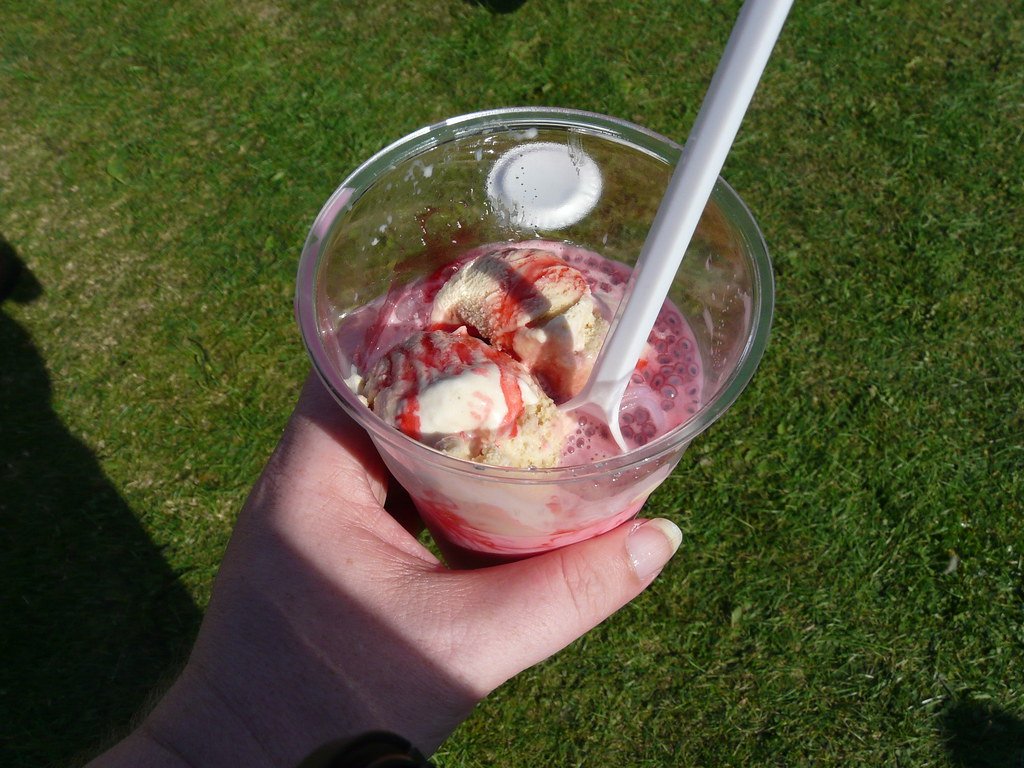
Falooda stands out as a dessert that embodies a remarkable blend of flavors and textures. The beauty of falooda lies in its diverse and customizable nature, which varies significantly across different regions. Traditional recipes often highlight essential ingredients such as rose water and basil seeds, which contribute unique nuances to this delightful treat. Rose water infuses falooda with a fragrant, floral note that has become a defining characteristic of many variations.
Regional variations also play a critical role in determining the flavor profiles of falooda. In some cultures, the use of fruit syrups, such as mango or strawberry, is prevalent. These syrups provide a sweet and refreshing accent, perfectly complementing the coolness of the dessert. In other regions, the use of local fruits, such as jackfruit or lychee, may enhance the flavor profile, offering an opportunity for the falooda to reflect local tastes and preferences.
Additional components such as nuts and jellies can further enrich the dessert. Almonds and pistachios are often sprinkled on top, providing a delightful crunch that contrasts with the silky texture of the other ingredients. Moreover, the addition of various jellies, especially those made from fruit juices, creates a colorful and appealing presentation. This combination of colorful ingredients not only captivates the eye but also pleases the palate with its complexity.
Another distinguishing feature of falooda is the use of unique essences and flavoring agents. For example, some variations incorporate saffron or cardamom, enhancing the dessert’s aromatic qualities and introducing depth. Whether enjoyed in a bustling street market or during festive celebrations, the cultural significance of falooda is palpable, and its myriad flavors elevate it to more than just a dessert—it becomes a cherished experience.
Textures That Tempt: The Mouthfeel of Falooda
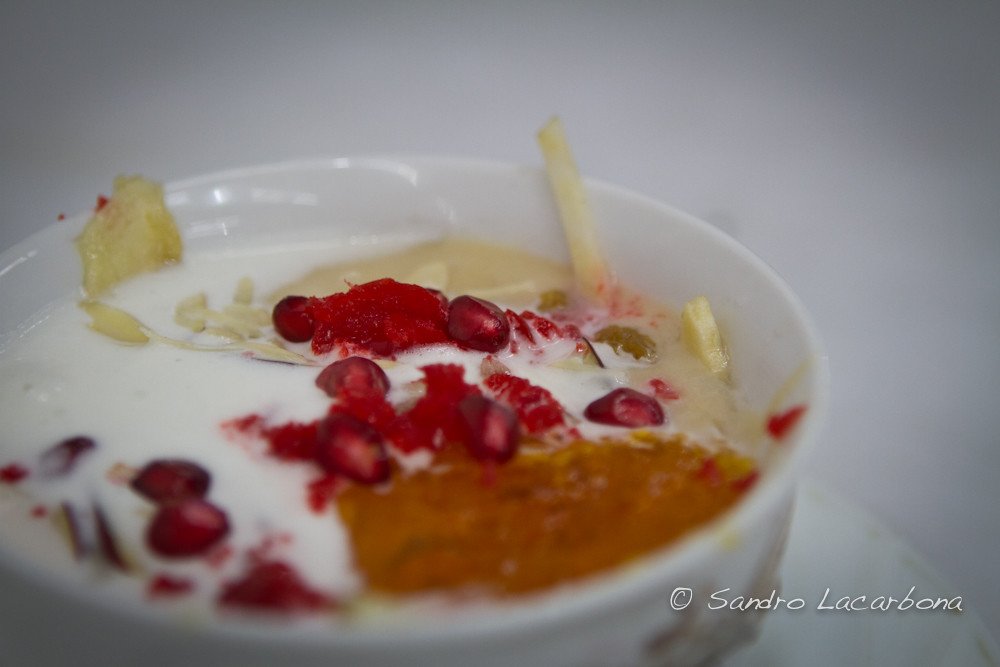
The enchanting dessert known as falooda is a delightful amalgamation of various textures, each playing a pivotal role in crafting a unique sensory experience. At the heart of this indulgent treat are the chewy vermicelli noodles, which serve as the base layer of the dish. These noodles, often made from refined flour or arrowroot, contribute a satisfying firmness that is integral to the overall mouthfeel. Their delicate chewiness contrasts beautifully with the softer components of falooda, creating an enjoyable textural interplay as they intertwine with other ingredients.
The creamy layer of ice cream, whether vanilla, pistachio, or rose flavor, adds a luxurious smoothness that transcends the initial chewiness of the noodles. This creaminess envelops the taste buds, providing a rich and indulgent sensation that balances the dish’s varying textures. The juxtaposition of the soft ice cream against the more resilient noodles heightens the enjoyment, ensuring each bite is a complex and fulfilling experience.
Furthermore, the crunch of nuts—typically almonds or pistachios—infuses an element of surprise into the falooda. Their crispy texture provides an essential contrast to the creaminess and chewiness of other components, making each mouthful intriguing and delightful. The nuts not only enhance the overall flavor profile through their nutty richness but also contribute a satisfying crunch that elevates the entire dessert to a multi-sensory delight.
In essence, the combination of chewy noodles, creamy ice cream, and crunchy nuts creates a harmonious tapestry of textures in falooda. This intricate layering not only engages the palate but also enriches the overall dining experience, allowing falooda to shine as a complex and captivating dessert beyond mere sweetness.
Visual Appeal of Falooda: A Feast for the Eyes
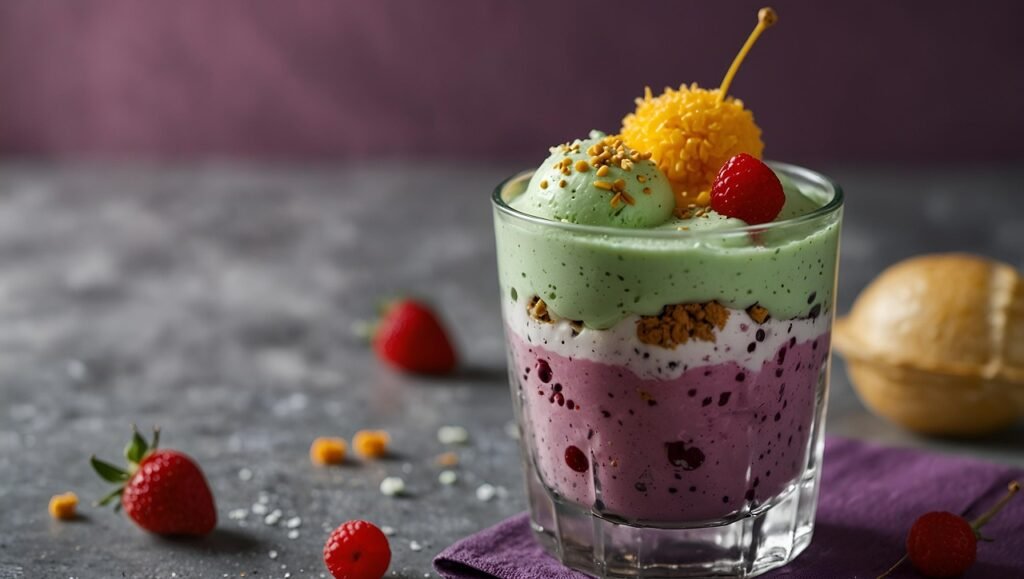
Falooda, a quintessential dessert originating from the Indian subcontinent, is not only a gastronomic delight but also a visual masterpiece. The aesthetic attributes of falooda play a crucial role in elevating the overall dessert experience. Upon first glance, one is often captivated by the vibrant array of colors that comprise this delightful treat. The glossy, rich hues of the rose or khus syrup, the delicate layers of vermicelli, and the pastel shades of ice cream all come together to create a captivating visual spectacle.
The presentation of falooda is methodical yet creative, as chefs and home cooks alike take great care in styling this dessert. Typically served in tall, clear glasses, falooda showcases its layers allowing diners to appreciate its complexity. Each component—from the silky noodles to the colorful fruits such as mango or pomegranate—adds texture and intrigue, making falooda a feast not only for the palate but for the eyes as well. The garnishing of falooda often includes an exquisite sprinkle of nuts, basil seeds, or even a drizzle of condensed milk, which enhances the visual appeal while also adding to the taste experience.
The careful arrangement of these toppings, paired with contrasting colors, creates an enticing presentation that encourages individuals to dig in. This attention to aesthetics is essential, as the visual allure of falooda can directly affect one’s anticipation and enjoyment of the dessert. A beautifully crafted falooda has the ability to evoke a sense of happiness and satisfaction even before the first spoonful is taken. Ultimately, the visual charm of falooda not only draws people in but significantly enhances the appreciation of this traditional dessert, ensuring it remains an integral part of celebratory occasions.
The Appearance of Falooda: A Layered Masterpiece
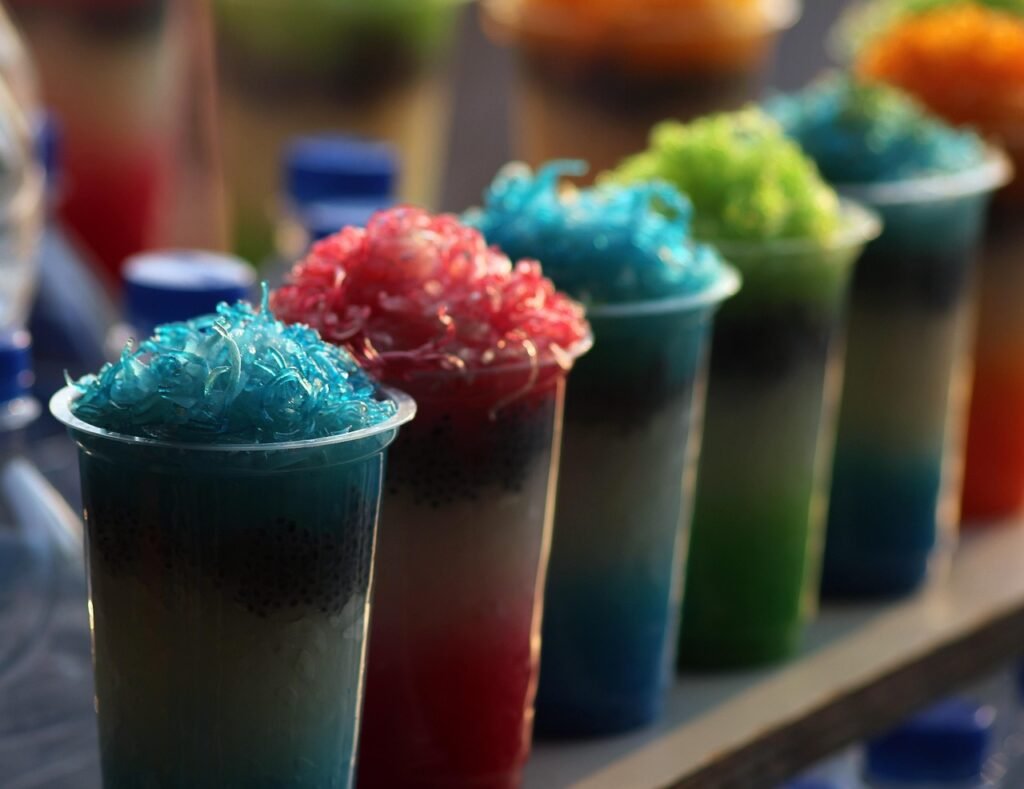
Falooda, a beloved dessert hailing from the Indian subcontinent, is not only known for its delightful taste but also for its striking visual appeal. Assembled meticulously, this layered masterpiece captivates the eye even before tantalizing the palate. Each layer of falooda is crafted from a distinct ingredient, contributing not only to its flavor complexity but also to its aesthetic charm.
Typically, falooda comprises several key components: vibrant rose syrup, silky vermicelli noodles, fragrant basil seeds, creamy milk or ice cream, and occasionally, pieces of fruit or jelly. The first layer often consists of a generous amount of rose syrup, creating a visually arresting base that glimmers invitingly. Following this, the thin strands of vermicelli noodles are introduced, providing texture and contrast against the syrup’s sweetness. Basil seeds, largely considered a nutritional powerhouse, add a unique visual element as they swell and take on a gelatinous quality when soaked in water.
The addition of milk or cream is crucial, as it melds the flavors together while lending a wholesome richness. The final touch, often ice cream or kulfi, is placed on top, sometimes garnished with slivers of pistachios or almonds. This layered composition results in a dish that is both comforting and indulgent. The careful balance of colors and textures invites diners to savor every bite and enhances their overall experience.
Falooda is traditionally served in tall glasses or bowls, allowing the stunning layers to be fully visible. This not only showcases the vibrant colors but also highlights each element’s unique contribution to the dish. In more elaborate presentations, falooda may be adorned with edible silver leaf or served with decorative straws, elevating its status as a celebratory dessert. This artistry in assembly emphasizes the cultural significance of falooda, transforming it into more than just a treat—it is an experience that combines visual delight with sensory pleasure.
Plating Techniques for Falooda
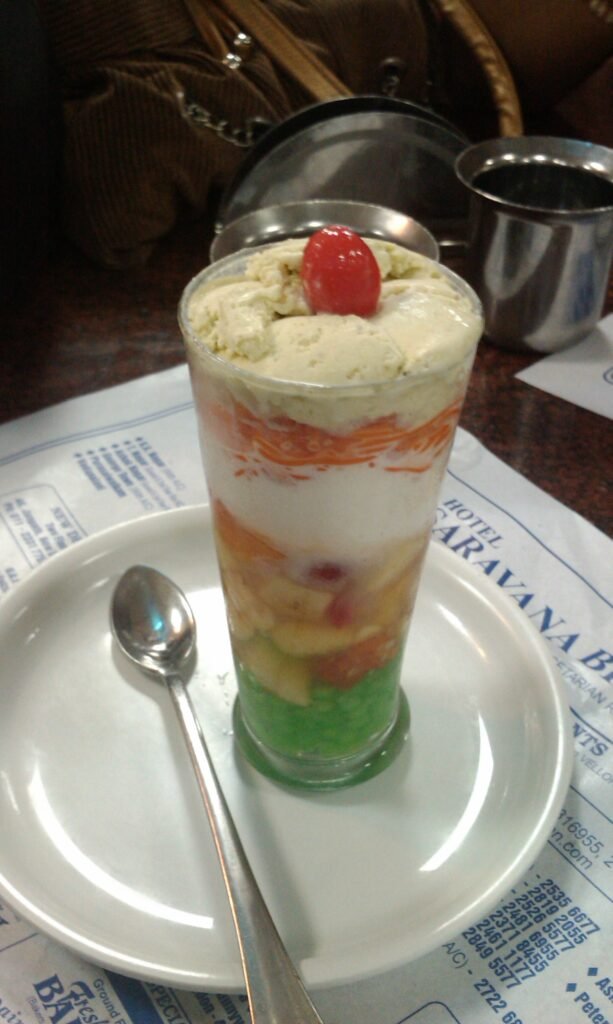
Plating is an essential aspect of culinary presentation that can enhance the enjoyment of any dish, including falooda. This delightful dessert, traditionally composed of layers of vermicelli, basil seeds, and rose syrup, can be transformed into an eye-catching centerpiece through thoughtful plating techniques. One effective method is to focus on the layering of ingredients, which not only adds visual appeal but also introduces a variety of textures and flavors with each spoonful. Begin by carefully layering the falooda ingredients in a clear glass or a tall serving dish. Start with a base of chilled falooda noodles, followed by a layer of sweet basil seeds soaked in syrup, and then add a generous serving of rose-flavored milk. Topping it with an additional layer of noodles or fruits can create a beautiful gradient effect.
Incorporating fresh fruits or herbs as garnishes can further elevate the presentation. Consider adding vibrant fruits such as mango slices, pomegranate seeds, or chopped strawberries on top of the falooda. Not only do these additions bring a burst of color to the dish, but they also contribute fresh flavors that complement the sweetness of the dessert. Additionally, garnishing with a sprig of mint or a sprinkle of chopped pistachios can provide a touch of elegance, transforming your falooda into an inviting visual delight.
Furthermore, utilizing unexpected serving dishes can create intrigue and enhance the overall experience. Rather than traditional bowls, consider using mason jars, dessert cups, or even mini trifle dishes to serve falooda. This creative approach allows diners to see the distinct layers and components of the dessert, sparking curiosity and appetites. By experimenting with various plating techniques, you can turn falooda into not just a dessert, but a stunning visual centerpiece that impresses your guests and provides a memorable culinary experience.
Falooda Around the World: Global Interpretations
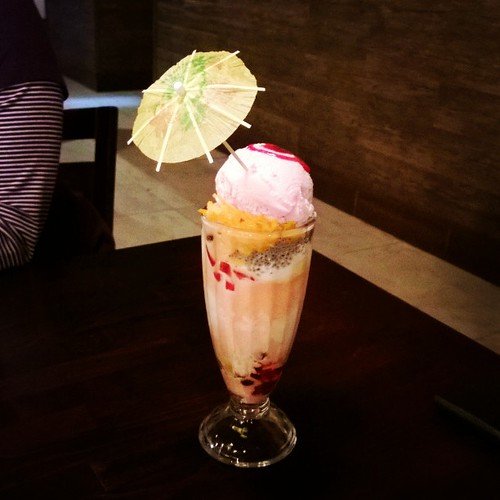
Falooda, a dessert embedded deep within South Asian culinary traditions, has gone beyond its origins and found a place in diverse cultures, resulting in a variety of localized adaptations. This versatility speaks to its universal appeal, as different nations have embraced and modified falooda using their unique ingredients and customs. One notable example is in Pakistan, where the traditional falooda often includes a rich blend of rose syrup, vermicelli, and tapioca pearls, accompanied by a creamy scoop of kulfi—an ice cream that incorporates traditional flavors such as cardamom and saffron. The marriage of these elements not only enriches the taste but also renders a visually appealing dessert that captures the essence of festive celebrations.
Similarly, in Bangladesh, falooda takes on a slightly different persona, often incorporating fresh fruits such as bananas and mangoes, which reflect the local preference for utilizing seasonal produce. The addition of these fruit elements provides both flavor and a refreshing quality that aligns perfectly with the warm climate. Street vendors often serve this version of falooda, making it a popular treat during hot summer months and celebrations, further solidifying its status as a cultural staple.
Traveling to Malaysia, one finds a unique interpretation where falooda is inspired by local Malaysian flavors and textures. This variant might include ingredients such as cendol, a traditional dessert made from pandan-flavored rice flour, and coconut milk. The result is a fusion of tastes that brings a tropical twist to the classic dessert, illustrating how falooda has adapted to include localized elements while retaining its core as a beloved treat.
Through these adaptations across nations, falooda exemplifies how culinary practices can transcend geographical boundaries, offering a delightful exploration of flavors and traditions. Each interpretation carries the hallmark of cultural heritage while celebrating the global nature of this traditional dessert.
Conclusion: Celebrating the Legacy of Falooda

Falooda is not merely a dessert; it is a celebration of cultural heritage and culinary artistry that spans generations. This delectable dish, with its intricate layers and contrasting textures, represents the fusion of flavors and traditions that define much of South Asian cuisine. Rooted in history, falooda has evolved over time, absorbing influences from various cultures while maintaining its unique identity. Each spoonful reflects a narrative rich with shared experiences, making it an embodiment of community and togetherness.
This dessert’s significance goes beyond its ingredients—spaghetti-like noodles, fragrant rose syrup, and creamy milk mingle to create a sensory experience that transcends the ordinary. The aesthetic appeal of falooda, often topped with a scoop of ice cream or garnished with nuts and basil seeds, transforms it into a visual feast. As such, falooda is an invitation to indulge in the art of presentation, celebrating the meticulous craft of its preparation. This artistry encourages a deeper appreciation for culinary traditions, highlighting the importance of aesthetics in food culture.
Moreover, falooda serves as a reminder of the importance of sharing food experiences with family and friends. Whether enjoyed at home or discovered in local eateries, falooda fosters connections among people, invoking fond memories tied to special occasions or simple gatherings. By keeping the cultural heritage of falooda alive, individuals contribute to preserving its legacy, ensuring that future generations continue to enjoy and explore this intricate dessert. In doing so, they also participate in a larger narrative that celebrates diversity, creativity, and the timeless joy that food brings to our lives. It is this very joy that encourages us to savor falooda, both as an exquisite treat and as a vessel of shared history.