
- Origin of Boeuf Bourguignon
- Cultural Significance of Boeuf Bourguignon
- Unique Flavors of Boeuf Bourguignon
- Textures of Boeuf Bourguignon
- Visual Appeal of Boeuf Bourguignon
- Appearance of Boeuf Bourguignon
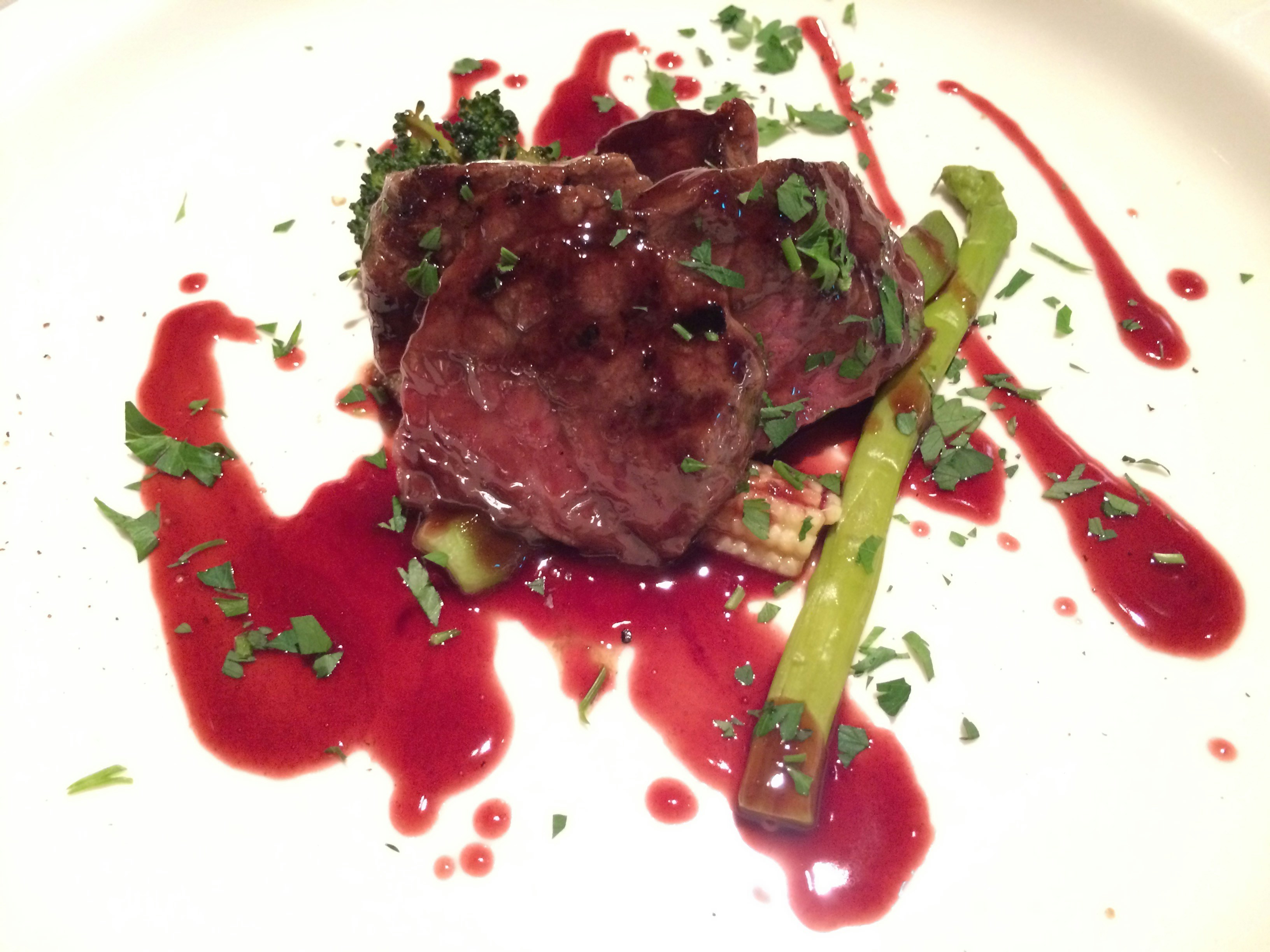
- Plating Techniques for Boeuf Bourguignon
- Pairing Suggestions for Boeuf Bourguignon
- Tips for Making the Perfect Boeuf Bourguignon
Origin of Boeuf Bourguignon
Boeuf Bourguignon, a dish synonymous with French culinary tradition, traces its roots back to the Burgundy region of France. Historically, it was born out of necessity as a peasant meal, utilizing readily available ingredients to create a hearty and nourishing dish. The use of beef, red wine from local vineyards, and basic vegetables reflected the ingredients at hand for rural communities. This humble origin is particularly significant as it showcases the resourceful nature of adapting simple components into a delightful culinary creation.
The dish evolved over the centuries, paralleling the socio-economic changes in France. As the reputation of Burgundy wines grew, so too did the esteem of Boeuf Bourguignon. The transformation from a rustic meal favored by the working class to a gourmet delicacy can be credited to both the agricultural advancements in the region and the artistic influence of famed French chefs. With each rendition, the dish became more refined, enhancing its flavors and presentation, which now appeal to gastronomes around the world.
Traditional methods for preparing Boeuf Bourguignon involve slow-braising beef in red wine, which tenderizes the meat and allows it to absorb a rich depth of flavor. Alongside beef, common ingredients such as pearl onions, carrots, and mushrooms contribute to the complexity of the dish. While the original recipe emphasized simplicity, modern adaptations have introduced additional elements such as herbs and spices, displaying the evolution of this classic dish over time. As culinary techniques advanced, chefs began to implement varying approaches to presentation and flavor profiles, ensuring Boeuf Bourguignon remains a celebrated dish in both home kitchens and fine dining establishments.
Cultural Significance of Boeuf Bourguignon
Boeuf Bourguignon is more than just a hearty dish; it embodies the essence of French culinary traditions and is a symbol of national identity. Originating from the Burgundy region, this dish reflects the agricultural bounty and rich history of the area, showcasing regional ingredients and cooking techniques that have been refined over generations. In France, Boeuf Bourguignon is often associated with family gatherings and celebrations, making it a quintessential feature of festive occasions. Its presence at dinner tables during celebrations signifies a moment of shared joy and festivity, especially during holidays and family reunions.
The preparation of Boeuf Bourguignon requires attention, patience, and skill, capturing the spirit of French cooking that values slow, deliberate methods. The use of red wine, a hallmark of Burgundy, not only enhances the dish’s flavor but also connects it to the region’s viticulture, further establishing its cultural significance. Moreover, Boeuf Bourguignon has transcended its local roots, gaining acclaim and adaptation in various culinary cultures around the world. As chefs and home cooks experiment with ingredients and cooking methods, the dish has taken on new forms while still retaining its core characteristics, showcasing its versatility and widespread appeal.
Boeuf Bourguignon serves as a culinary ambassador, introducing those unfamiliar with French cuisine to its rich flavors and methods. Its preparation often involves a communal aspect, where families and friends come together, echoing the broader French value of conviviality in dining. Ultimately, this dish not only nourishes the body but also nourishes the French cultural experience, reinforcing bonds of togetherness and tradition. The legacy of Boeuf Bourguignon continues to thrive as it inspires chefs globally, solidifying its status as a timeless representation of French gastronomy.
Unique Flavors of Boeuf Bourguignon
Boeuf Bourguignon is a quintessential French dish known for its complex and rich flavors, derived from a meticulous slow cooking process. The dish primarily features beef braised in red wine, commonly a Burgundy, which is pivotal in shaping its distinct taste. The interaction between the wine and the beef enzymes contributes to a deep, flavorful experience, enhancing the overall richness of the dish. As the beef simmers, it absorbs the wine’s nuances, resulting in a harmonious blend that transports the palate to the heart of French culinary tradition.
The choice of wine is critical; each variety can impart unique notes and characteristics to the dish. For instance, a Pinot Noir will provide a fruit-forward taste with earthy undertones, while a Cabernet Sauvignon may introduce bolder tannins and deeper flavor profiles. Understanding these interactions allows cooks to tailor the dish to their preferences, ultimately influencing the overall taste of the finished product. This personalization underscores the essence of Boeuf Bourguignon as a versatile dish, adaptable to various palates through thoughtful variations in wine selection.
Additionally, the herbs and aromatics used during the cooking process play a central role in enriching the flavor of Boeuf Bourguignon. Traditional combinations often include thyme, bay leaves, and parsley, which lend an aromatic freshness and complexity to the dish. As these herbs meld with the simmering beef and wine, their flavors unfurl and interweave, resulting in a fragrant concoction that elevates the dish to new heights. The slow braising technique allows each element to release its essence, fostering a symbiotic relationship among the ingredients. The result is a warm, comforting meal that embodies the heart of French cuisine, celebrated for its depth and intricacy.
Textures of Boeuf Bourguignon
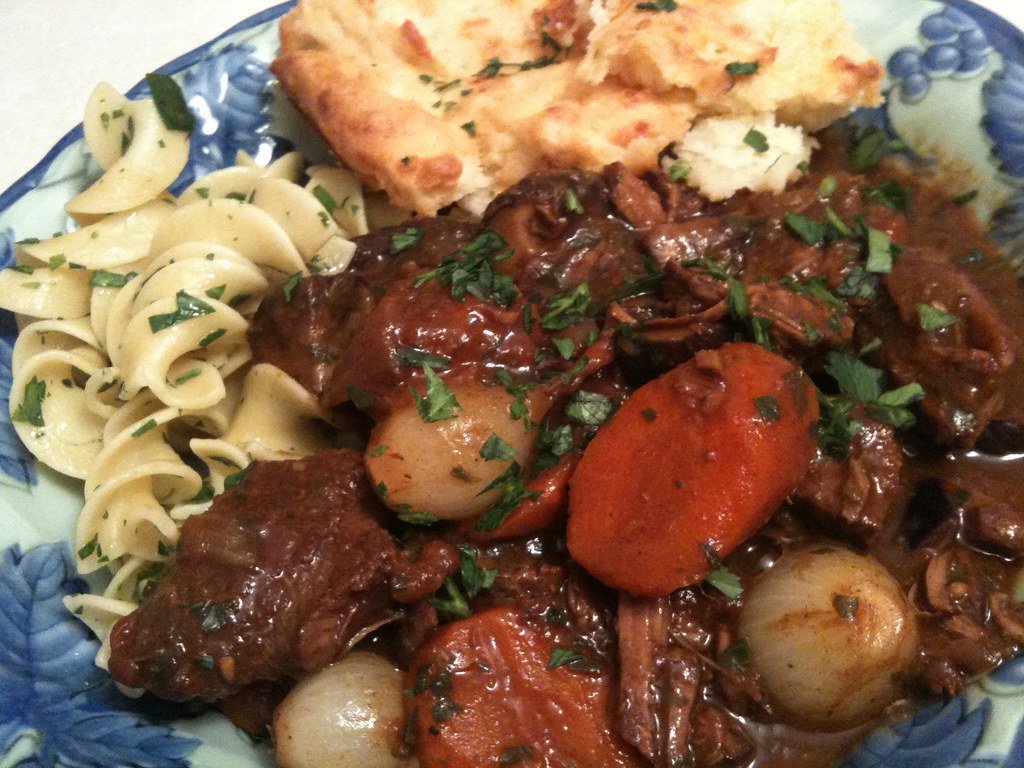
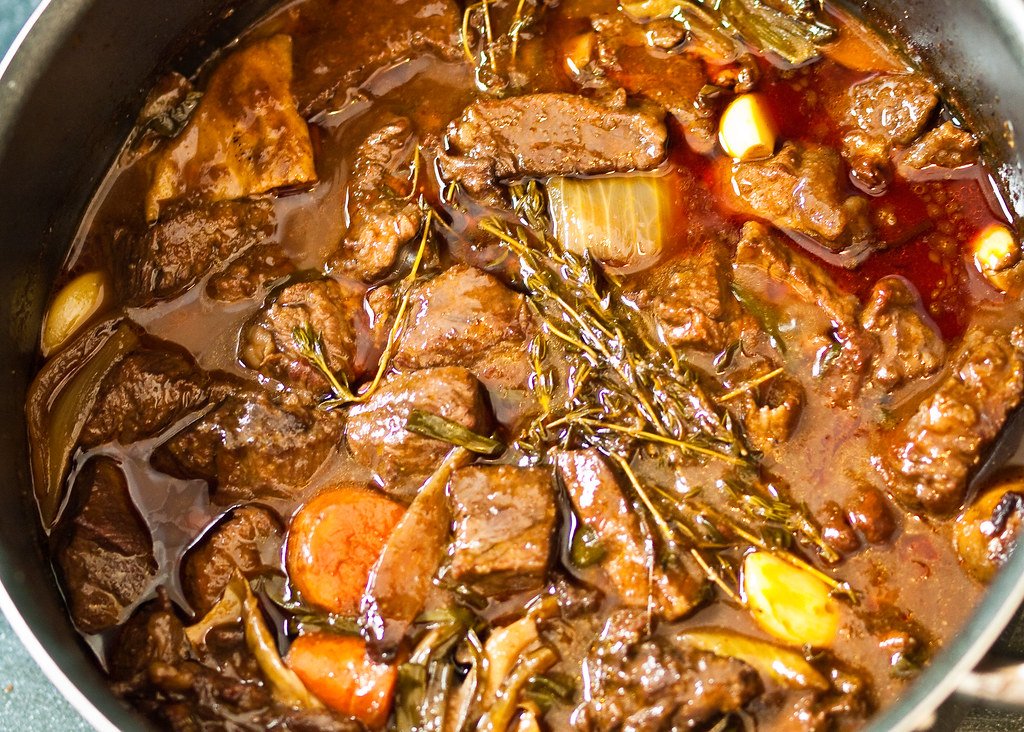
Boeuf Bourguignon is renowned not only for its rich flavors but also for its exquisite textures that contribute significantly to the overall dining experience. At the core of this beloved French dish is the slow cooking technique that transforms tough cuts of beef into exceptionally tender morsels. This method of cooking, often referred to as braising, allows the collagen in the meat to break down over several hours, resulting in a mouthfeel that is remarkably soft and succulent. When prepared correctly, the beef can virtually melt in one’s mouth, offering a delightful contrast to the hearty nature of the dish.
In addition to the tender beef, the inclusion of vegetables such as carrots and mushrooms adds dynamic textural contrasts to the dish. The carrots, when cooked, become tender yet still retain a slight firmness, which provides a satisfying crunch amidst the velvety beef. Similarly, mushrooms absorb the rich sauce during the slow cooking process, which enhances their flavor profile while maintaining a pleasant bite. This diversity in textures is essential in creating a multi-faceted eating experience, as diners are engaged not just by the flavors but by the tactile sensations of each ingredient.
The interplay between the buttery tender beef and the varied textures of complementary ingredients culminates in a dish that is both comforting and sophisticated. This balance is what elevates Boeuf Bourguignon beyond a simple stew to a culinary masterpiece renowned across the globe. With each bite, diners experience a harmonious blend of soft and slightly firm textures, rich flavors, and a satisfying mouthfeel, making it a true exemplar of French cuisine. Boeuf Bourguignon is a testament to the skill of slow cooking, creating a deeply comforting dish that continually delights the palate.
Visual Appeal of Boeuf Bourguignon
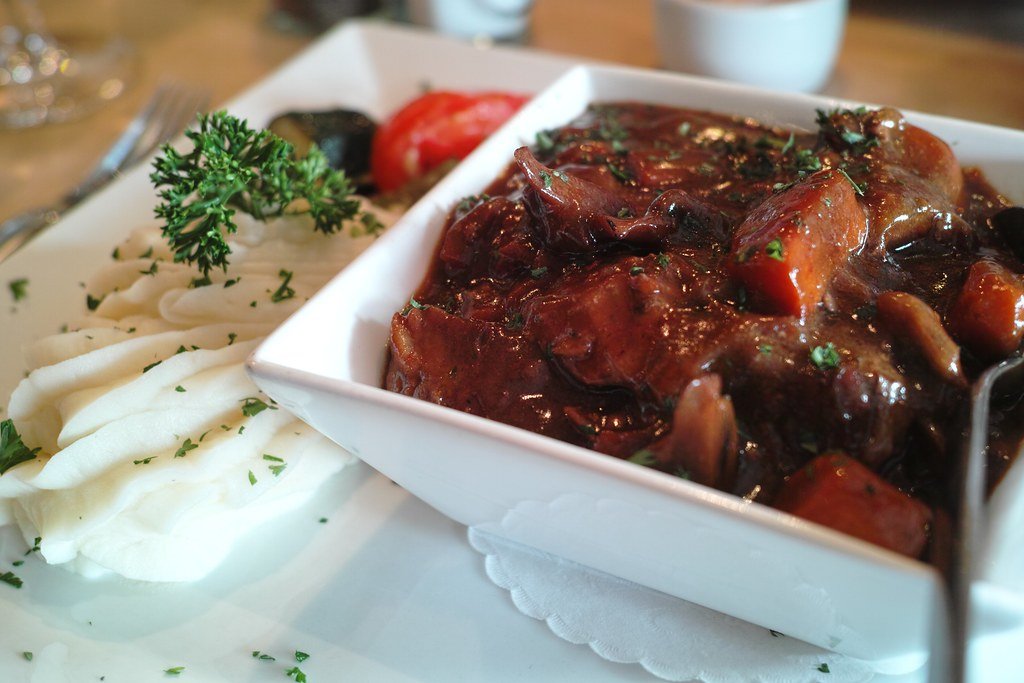
Boeuf Bourguignon is renowned not only for its rich flavors but also for its striking visual aesthetics that whet the appetite before the first bite is taken. The deep, ruby-red color of the braised beef is beautifully complemented by an array of vibrant vegetables, creating a delightful contrast that engages the senses. This dish is a testament to the importance of presentation in elevating the overall dining experience. The colors—dark browns from the sauce, bright greens from the herbs, and the subtle hues of carrots and onions—create a symphony of tones that entice the viewer.
The arrangement of Boeuf Bourguignon on the plate plays a crucial role in showcasing its culinary artistry. A perfectly plated serving often features tender chunks of beef nestled among glossy, aromatic vegetables, with a generous ladle of the thick, wine-infused sauce cascading gracefully over the top. Such a presentation not only highlights the quality of the ingredients but also reflects the care taken in the cooking process. The use of garnishes, like fresh parsley or thyme, adds final touches of color and freshness, making the dish even more appealing.
To further emphasize this visual journey, photographic elements can be employed. Capturing Boeuf Bourguignon from various angles, particularly close-ups, can reveal the delightful textures of the sauce clinging to the beef and the tender consistency of the vegetables. Such images can enhance the reader’s appreciation for the dish and may inspire them to recreate it in their home kitchens. In essence, the visual appeal of Boeuf Bourguignon serves as an invitation to savor the complex flavors and delightful experience that awaits, making it an unforgettable masterpiece on any dining table.
Appearance of Boeuf Bourguignon
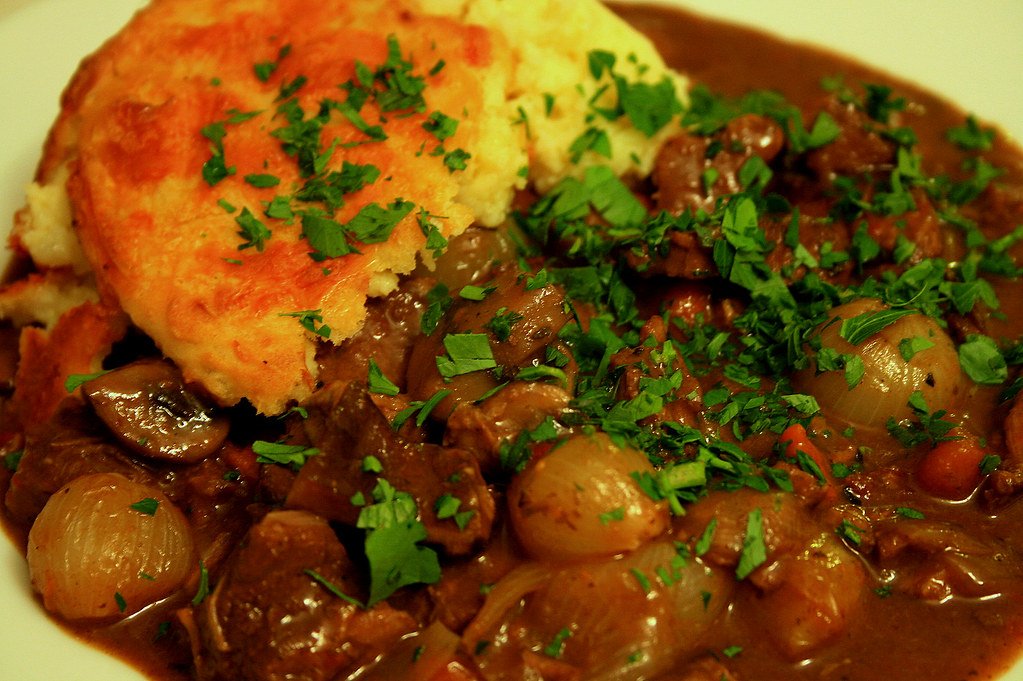
The appearance of Boeuf Bourguignon is integral to the overall dining experience, as this iconic French dish conveys elegance and warmth through its visual presentation. When prepared correctly, the dish should exhibit a rich, deep brown color, primarily derived from the slow-cooked beef and the wine reduction that forms the flavorful sauce. This inviting hue is a hallmark of a well-executed recipe; a lighter shade may indicate insufficient cooking time or an inadequate reduction process.
In terms of consistency, Boeuf Bourguignon should have a thick, velvety sauce that clings generously to the tender pieces of beef and accompanying vegetables. The signature cuts of beef should appear juicy, having absorbed the essence of the red wine, along with the aromatic herbs and spices used throughout the cooking process. The dish may also include delightful additions such as pearl onions, mushrooms, and carrots, which not only enhance the flavor but also add a burst of color that brightens the presentation. The vibrant shades of these garnishes contrast beautifully with the deep brown sauce, creating an appealing visual tapestry.
When serving Boeuf Bourguignon, the choice of dishware plays a significant role in enhancing its appearance. Traditional earthenware or rustic porcelain can enhance the aesthetic, imparting a classic French touch. A shallow, wide bowl is often preferred to showcase the dish prominently, allowing for an adequate garnish of fresh herbs, such as parsley, to be sprinkled atop, adding a pop of green and providing a nice freshness against the rich sauce.
To recognize well-prepared Boeuf Bourguignon, look for even distribution of ingredients and a glossy sauce. The overall presentation should evoke a sense of comfort and indulgence, making it clear that a culinary masterpiece has been achieved. Each component should invite the diner to delve into the rich flavors, visually revealing the love and care that has gone into its preparation.
Plating Techniques for Boeuf Bourguignon
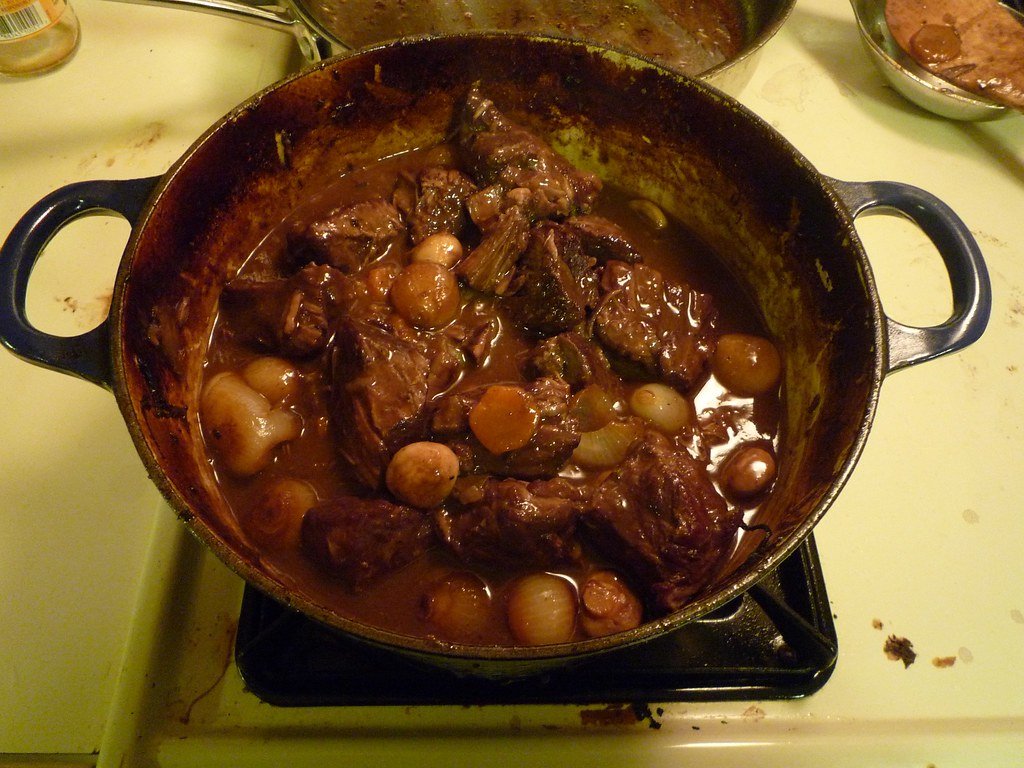
The presentation of Boeuf Bourguignon plays a crucial role in enhancing the overall dining experience. Various plating techniques can transform this classic French dish into a visually stunning masterpiece. One effective approach is layering the dish in a manner that highlights its rich components. Begin with a base of velvety mashed potatoes or creamy polenta, which not only complements the flavors but also provides a striking contrast to the deep hues of the stew. On top, artfully arrange the tender beef, ensuring that the succulent pieces are visible. This technique underscores the main ingredient while inviting the diner’s anticipation.
Garnishing is another essential element of plating. Fresh herbs such as thyme or parsley can add a dash of color and freshness, counterbalancing the richness of the dish. A sprinkle of finely chopped parsley over the top not only enhances the aesthetic appeal but also elevates the flavor profile with its aromatic qualities. Another popular garnish is a few sautéed pearl onions or mushrooms placed strategically around the plate, creating an inviting tableau that hints at the dish’s complexity.
Moreover, consideration of color harmony is vital. Choose complementary colors that resonate with the dish, such as a splash of vibrant green from fresh vegetables or a bright swirl of sauce nearby. The form and arrangement should encourage a sense of balance, ensuring that each element flows gracefully into the next. For modern interpretations, one might opt for minimalistic designs, utilizing negative space on the plate to accentuate the rich tones of the beef stew. The focus should be not only on aesthetics but also on storytelling; each plated dish should evoke the essence of Boeuf Bourguignon while reflecting the chef’s personal flair.
Pairing Suggestions for Boeuf Bourguignon
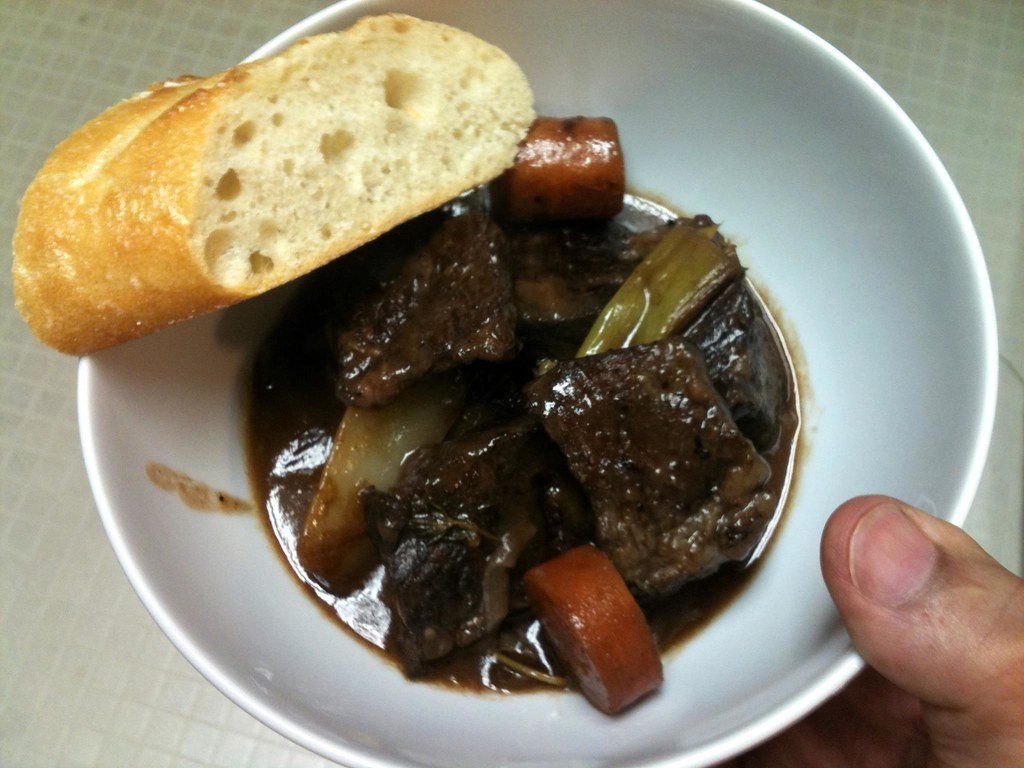
When it comes to enhancing the dining experience of Boeuf Bourguignon, selecting the right accompaniments is crucial. This renowned French dish, characterized by its rich flavors, warrants sides and beverages that complement and elevate its essence. To begin with, wine plays a pivotal role in pairing with Boeuf Bourguignon. A classic choice would be a full-bodied red wine, like a Pinot Noir or a Burgundy, which mirrors the wine used in the dish itself. The tannins and acidity of these wines harmonize beautifully with the beef and enrich each bite. Alternatively, Merlot or Cabernet Sauvignon can also provide a lovely counterbalance, offering fruitiness that can enhance the flavors of the stew.
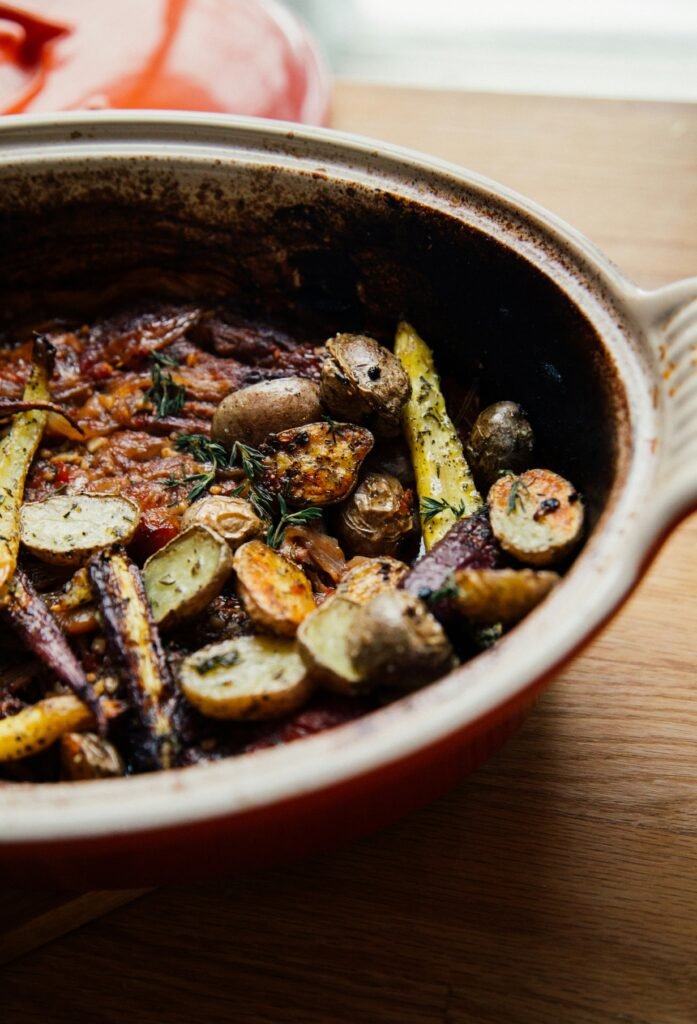
Aside from wine, the perfect side dishes can significantly enhance the overall experience. Crusty French bread is a timeless accompaniment, ideal for soaking up the savory sauce of the Boeuf Bourguignon. It adds a satisfying texture to each mouthful, making it an essential part of the meal. Another excellent option is creamy mashed potatoes or buttery roasted potatoes, which provide a comforting base and a delightful contrast to the hearty stew. These sides not only complement the dish but also satisfy the palate with their rich flavors.
To round off the meal, thoughtful dessert choices can create a well-balanced dining experience. A classic French Tarte Tatin, with its caramelized apples and flaky pastry, can serve as a light yet indulgent finish. Alternatively, a chocolate mousse offers a rich conclusion, fulfilling the craving for something sweet without overpowering the preceding savory elements. These desserts, while sweet, maintain an elegance that mirrors the sophistication of Boeuf Bourguignon.
By carefully selecting your wine, sides, and dessert, the enjoyment of Boeuf Bourguignon can be significantly enhanced, providing a holistic culinary experience.
Tips for Making the Perfect Boeuf Bourguignon
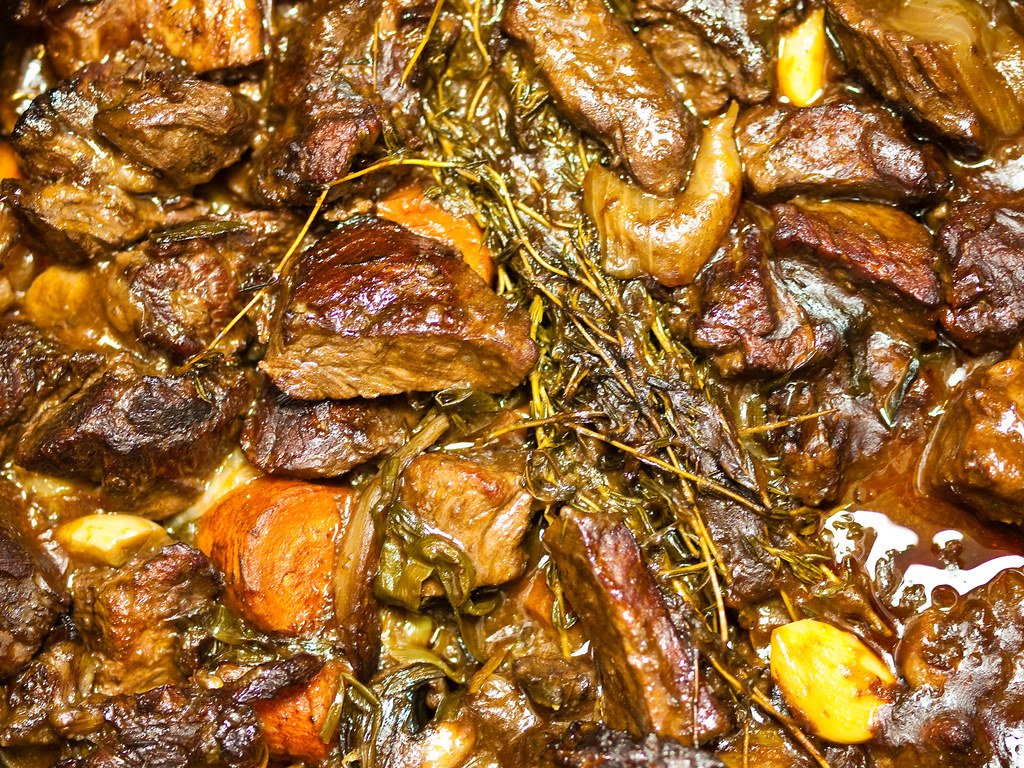
Creating the perfect Boeuf Bourguignon requires attention to detail, mastery of essential techniques, and an understanding of ingredient interactions. Start by selecting the right cut of beef; chuck or brisket are typically preferred for their richness and ability to become tender through slow cooking. For optimum results, be sure to cut the meat into uniform, bite-sized pieces, which promotes even cooking and enhances the dish’s overall presentation.
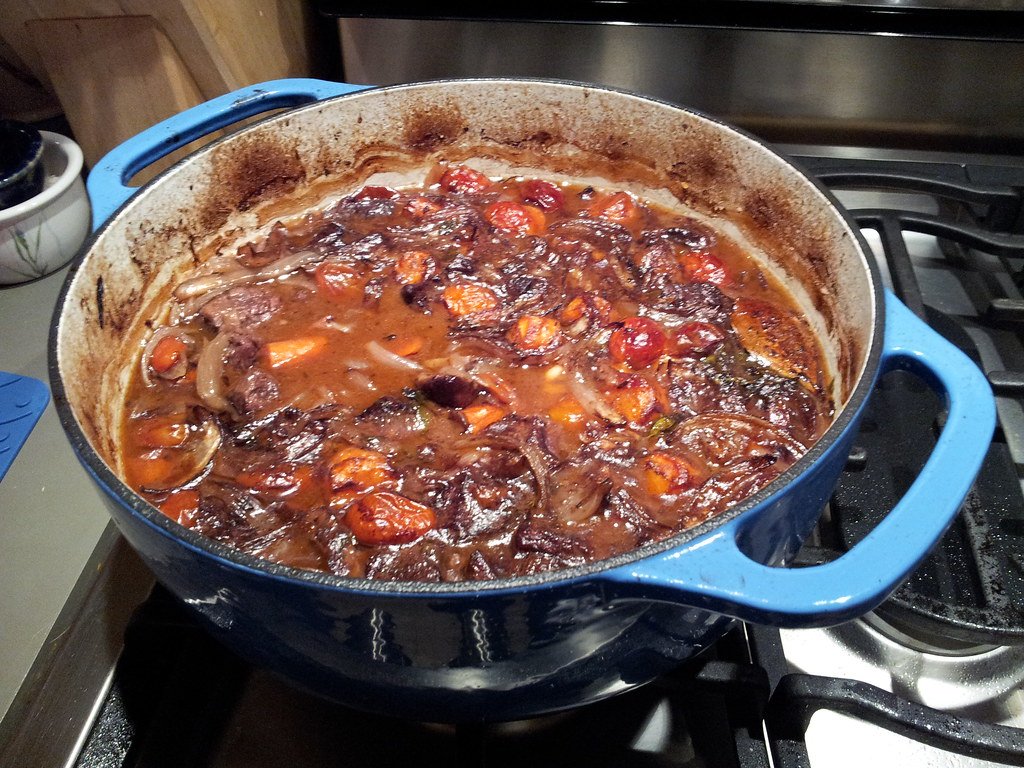
One crucial tip is to sear the meat properly before braising. This step not only adds depth of flavor but also helps create a beautiful caramelized crust. Use a heavy-bottomed pot or Dutch oven to ensure even heat distribution. Brown the beef in batches to avoid overcrowding the pot, which can lead to steaming rather than browning, thereby diminishing the flavor profile of the final dish.
Additionally, don’t overlook the importance of aromatics. Onions, garlic, and carrots are traditional accompaniments that add a foundational layer of flavor. Sauté these ingredients in the same pot after removing the beef, ensuring to scrape up any browned bits left behind. Using quality red wine significantly enhances the dish; a full-bodied variety, such as Pinot Noir, is ideal for deepening the flavor. Remember, the wine should be one you would drink, as its quality will reflect in the final product.
Monitoring the cooking time and temperature is crucial. Maintain a low simmer rather than a rolling boil to achieve tender beef and a well-integrated sauce. Keep an eye on the sauce’s consistency; it should be rich and full-bodied, ideally thick enough to coat the back of a spoon. Finally, allow the dish to rest before serving; this enables the flavors to meld and intensify, ensuring a satisfying culinary experience.