
- The Origin of Empanadas
- A Brief History of Empanadas
- The Cultural Significance of Empanadas
- Empanadas in Different Cultures
- A Taste Exploration: Flavors and Fillings
- Texture: The Perfect Empanada Experience
- Empanadas: Cooking Techniques and Tips
- Empanadas in Contemporary Cuisine
- Conclusion: The Enduring Appeal of Empanadas
The Origin of Empanadas
The empanada, a beloved pastry encasing a variety of fillings, traces its roots back to medieval times, specifically originating from the region of Galicia in Spain. Historical evidence suggests that the concept of wrapped fillings in dough became popular among the Galicians around the 15th century, likely influenced by the need for portable food during long journeys. The Galician empanada was traditionally filled with an array of ingredients, including fish, meat, and vegetables, reflecting the bounty of the local land and sea.
As the recipe spread through the Iberian Peninsula, various interpretations emerged, each geographical region infusing its unique ingredients and culinary practices. For instance, in Andalusia, the empanada often included chorizo and peppers, while in the Basque Country, seafood fillings were more prevalent. Empanadas began to symbolize the fusion of cultures and cuisines, evolving into a dish that transcended regional boundaries.
With the Spanish colonization of the Americas, the empanada journeyed across the ocean, adapting to the local ingredients and preferences of the diverse populations it encountered. In Latin America, each country developed its distinct take on empanadas—Argentina became known for its larger, meat-filled variety, while Chilean empanadas often contain cheese or seafood. In Colombia, empanadas are typically smaller and filled with a mixture of potatoes and meat, highlighting the local agricultural produce.
This culinary evolution exemplifies how the empanada not only adapted to the local tastes of Latin America but also became a vessel of cultural identity. With time, it has transformed into more than just a dish; it represents the migratory and gastronomic history of communities, offering a delicious glimpse into the past. Today, empanadas continue to connect people through their shared cultural and culinary heritages.
A Brief History of Empanadas
The empanada, a culinary delight enjoyed across numerous cultures, boasts a rich history that traces back several centuries. Originating from the Spanish word “empanar,” which means to wrap or coat in bread, these stuffed pastries were first recorded in medieval Spain, particularly in the Galician region, where they were filled with various ingredients like meats, fish, and vegetables. The portability of empanadas, combined with their delicious flavors, made them a favored option among travelers and laborers alike.
As Spanish explorers ventured forth in the 15th and 16th centuries, they carried the empanada recipe to various parts of the world, notably to Latin America. Each country infused its culinary traditions into empanada-making, leading to diverse interpretations. In Argentina, for example, the dough is typically thin, with fillings ranging from beef to cheese, while Chilean versions often feature seafood or a mixture of various meats and spices. The variations reflect the rich agrarian landscapes and cultural intermingling that characterize Latin American cuisine.
The empanada’s evolution did not stop at regional variations. In the modern era, the global food landscape has seen a resurgence in the popularity of empanadas, often highlighted in food festivals and gourmet restaurants. Influenced by the world’s movement towards sustainable and local sourcing practices, chefs are now experimenting with alternative fillings, such as plant-based proteins, to cater to contemporary tastes and dietary needs. This evolution showcases how empanadas, a traditional food, have successfully adapted to modern culinary trends while retaining their cultural significance.
Thus, empanadas stand as a symbol of cultural exchange and adaptation, celebrated for their versatility. Their transformative journey across generations and geographies exemplifies how cuisine can serve as a bridge between histories, helping to narrate the tales of those who prepare and enjoy them.
The Cultural Significance of Empanadas
Empanadas are much more than mere culinary delights; they hold a significant place in the cultural and social fabric of the communities that cherish them. Originating from the Iberian Peninsula, these stuffed pastries have traveled across continents, adapting to local ingredients and tastes, while firmly embedding themselves into the traditions of numerous societies. In many Latin American countries, empanadas are considered a quintessential comfort food, often enjoyed during family gatherings and special occasions. Their versatility allows for a wide range of fillings, from savory meats and vegetables to sweet fruits, making them suitable for diverse palates and preferences.
Beyond their role in daily meals, empanadas frequently emerge as a symbol of celebration. In various cultures, they are served during festive events, such as holidays, weddings, and other significant milestones. For instance, in Argentina and Chile, empanadas play a crucial role in the festive atmosphere, where they are both made at home and sold at street vendors during celebrations. This communal experience of sharing and enjoying empanadas fosters a sense of belonging and connection, making them an essential part of social gatherings.
Moreover, street food vendors often showcase empanadas as a convenient on-the-go meal, embodying the vibrant culinary landscape of their respective cities. The casual nature of street vendors selling freshly made empanadas adds to their allure, drawing people from all walks of life to indulge in this delightful offering. Empanadas serve not only as nourishment but also as a cultural bridge, connecting individuals through shared experiences and culinary appreciation throughout generations.
Empanadas in Different Cultures
Empanadas, beloved in various cultures around the world, manifest in numerous styles and flavors, reflecting the culinary preferences and traditions of their respective origins. In Venezuela, for example, the empanada is often made with a corn-based dough, providing a distinct texture and flavor. The fillings vary widely, encompassing options such as shredded beef, chicken, and cheese, often complemented by local spices and herbs, contributing to a unique taste profile in each region.
In contrast, the Argentine empanada is traditionally crafted from wheat flour dough, yielding a flaky texture when baked or fried. Commonly filled with minced meat, such as beef or chicken, these empanadas may also incorporate olives, hard-boiled eggs, and a variety of spices, showcasing a rich blend of flavors that highlight the country’s diverse culinary influences. The preparation method plays a vital role, as Argentine empanadas are often baked, resulting in a tender pastry that cradles the savory filling within.
The Filipino variant, known as “empanada” as well, presents yet another distinctive approach. Often characterized by a thicker, pastry-like crust, Filipino empanadas can be filled with a mixture of ground meat, vegetables, and sometimes even hard-boiled eggs or raisins, creating a sweet and savory combination. These empanadas are typically deep-fried, resulting in a crispy exterior that contrasts with the flavorful filling inside. Each country not only offers its unique take but also celebrates the shared heritage of empanadas, demonstrating how this dish transcends borders and cultural influences while maintaining a beloved status across the globe. The variations in fillings, cooking methods, and dough styles all contribute to a rich tapestry of flavors and experiences associated with this cherished culinary tradition.
A Taste Exploration: Flavors and Fillings
Empanadas, a beloved dish across various cultures, showcase an impressive array of flavors and fillings, from traditional to innovative. The classic beef and chicken are often regarded as staples, each bringing its unique zest to the culinary experience. Beef empanadas typically feature ground beef seasoned with a blend of spices, onions, and sometimes hard-boiled eggs, creating a hearty filling that many find comforting. Chicken, on the other hand, offers a lighter alternative, often complemented by sautéed onions, peppers, and cheese, resulting in a delightful medley of textures and tastes that appeals to a wide audience.
Cheese empanadas are another popular choice, frequently utilizing varieties like queso fresco or mozzarella, which melt beautifully, creating a rich and creamy filling. They can be served plain or with additional herbs for extra flavor, catering to both cheese lovers and those seeking a more straightforward taste. For those who embrace plant-based diets or simply desire a lighter option, vegetable empanadas are gaining popularity. Common fillings include seasoned spinach, mushrooms, and a variety of seasonal vegetables, often combined with spices to elevate their flavor profile.
In recent years, chefs and home cooks alike have begun experimenting with modern fillings that push the boundaries of traditional empanadas. From spicy shrimp infused with garlic and herbs to sweet dessert variations filled with fruits like apples or pumpkin, these contemporary choices introduce exciting tastes to the classic concept. Every filling chosen not only impacts the initial bite but influences the overall texture and enjoyment of the empanada. Thus, the selection of fillings plays a pivotal role in enhancing the dining experience, whether it be through savory depth or sweet indulgence. The variety of empanada flavors indeed signifies the rich culinary traditions that have shaped this versatile dish.
Texture: The Perfect Empanada Experience
The texture of an empanada plays a crucial role in the overall dining experience, as it significantly influences the enjoyment of this beloved dish. The ideal empanada features a harmonious interplay between a flaky, crisp outer crust and a succulent, juicy filling. This balance of textures not only adds complexity to the meal but also enhances the sensory pleasure that accompanies each bite.
The outer crust is the first element that captures the eater’s attention. It should be baked or fried to perfection, providing that desired crunch and lightness. A well-executed crust gives way to a slightly chewy interior, contributing to a satisfying texture contrast. Flakiness is often achieved through the use of cold butter or lard in the dough, which creates layers that expand during cooking, resulting in a deliciously airy shell. Techniques such as blind baking or puff pastry methods can elevate the crust’s texture, ensuring a consistently gratifying experience.
Equally important is the filling’s texture, which should complement the crust rather than overshadow it. A well-prepared filling can range from finely ground beef to shredded chicken, each requiring different preparation techniques to achieve optimal moisture and tenderness. For instance, slow-cooking meats can enhance their juiciness, while incorporating vegetables can add variety without compromising the empanada’s structural integrity. Using a combination of ingredients with varying textures—such as soft potatoes, crunchy bell peppers, or creamy cheese—also contributes to a more dynamic eating experience.
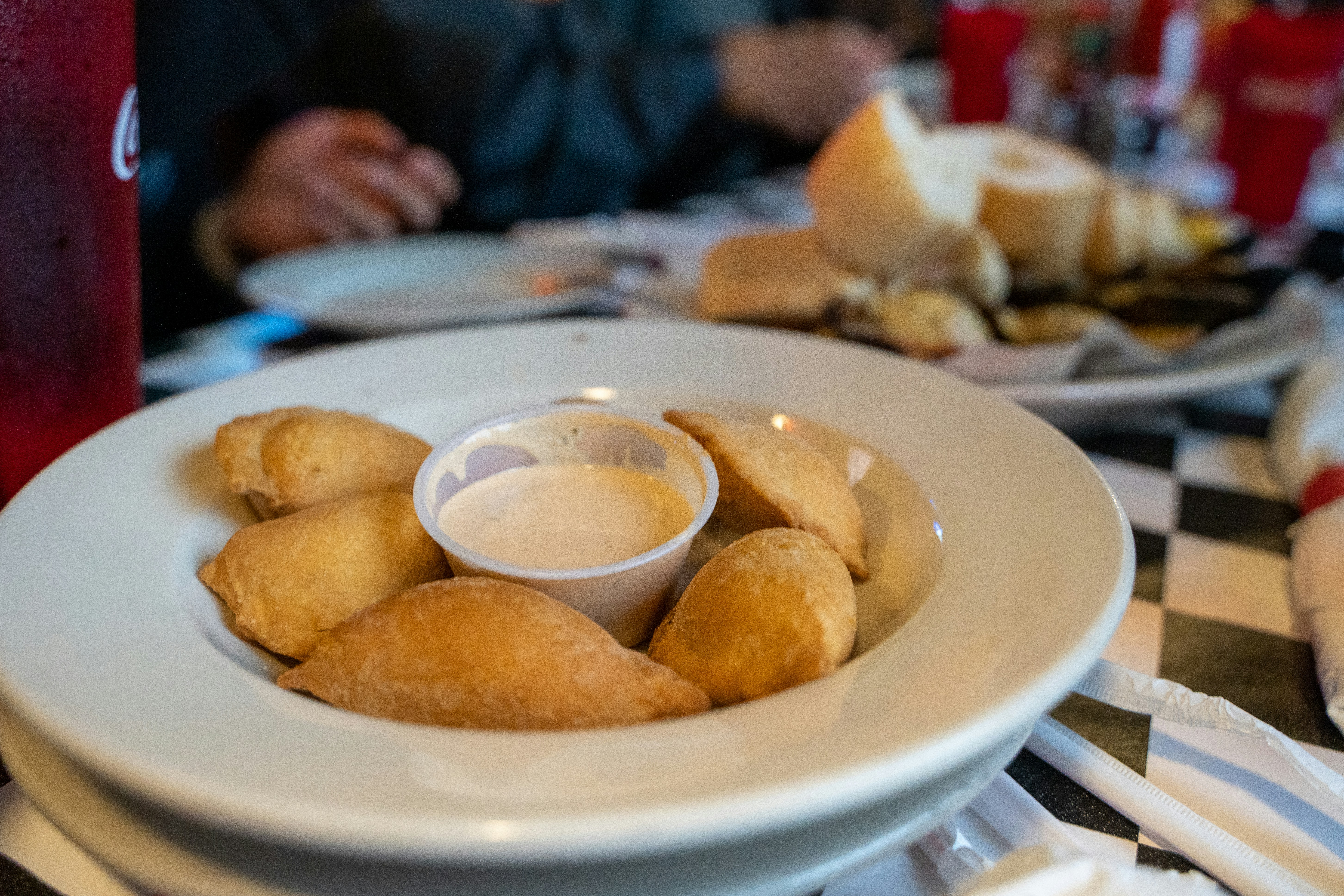
Moreover, the method of cooking plays a vital role in defining the textural profile of an empanada. Baking is typically associated with a drier but crisp texture, while frying leads to an indulgently crispy exterior that locks in moisture. Understanding these techniques will enable home cooks and chefs alike to create empanadas that not only please the palate but also provide textural delight.
Empanadas: Cooking Techniques and Tips
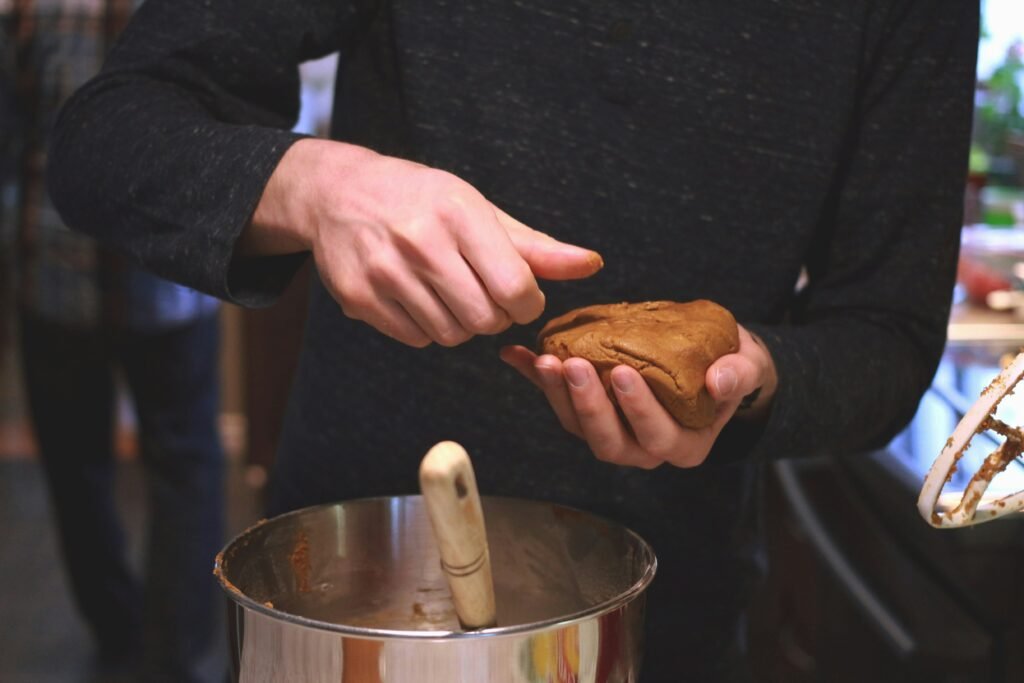
Creating the perfect empanada at home involves mastering several essential techniques, beginning with the dough preparation. The foundation of any empanada lies in its dough, which can be made using flour, water, fat, and salt. To achieve a tender, flaky crust, it is crucial to mix the ingredients until just combined; over-kneading can lead to tough dough. For added flavor and texture, consider incorporating ingredients like eggs or baking powder. Resting the dough for at least 30 minutes allows the gluten to relax, making it easier to roll out.
Once the dough is prepared, the next step is to fill the empanadas. Choosing a harmonious filling is key; popular options include a rich blend of meats, cheeses, or vegetables. It is essential to ensure that the filling is not overly wet, as excess moisture can prevent proper sealing and lead to leaks during cooking. When it comes to folding techniques, aim for a half-moon shape, sealing the edges by pinching them together. You can also use a fork to crimp the edges for a decorative touch. Some may prefer to brush the edges with egg wash to ensure a tight seal and achieve a golden brown finish.
Cooking methods play a significant role in the final taste and texture of empanadas. Traditional frying yields a crispy outer layer and is often favored for its richness. However, for a healthier alternative, baking provides an excellent option, producing a slightly softer texture. Air frying, a modern technique gaining popularity, allows for a crisp finish with less oil. Regardless of the chosen method, monitoring the cooking time is critical, as overcooking can lead to drying. Enhancing the overall flavor may involve experimenting with spices or dipping sauces, making each batch of empanadas a unique culinary experience.
Empanadas in Contemporary Cuisine
Empanadas have transcended their origins as a traditional, home-cooked staple to become a vibrant component of contemporary cuisine. Their versatility has allowed them to integrate seamlessly into diverse culinary landscapes, appealing to a broad spectrum of diners. Chefs and restaurateurs are embracing empanadas, interpreting them through a gourmet lens while paying homage to their cultural roots.
Many modern restaurants are featuring empanadas on their menus, offering both classic and innovative fillings that cater to evolving palates. This revival includes adaptations ranging from traditional meats and cheeses to modern ingredients like roasted vegetables, exotic spices, and fusion flavors influenced by different culinary traditions. For example, creative variations may include a Thai-inspired empanada filled with spiced chicken and coconut, or a vegan option incorporating chickpeas and herbs. Such innovations highlight not only the adaptability of empanadas but also their potential to resonate with diners seeking new gastronomic experiences.
In the realm of gourmet interpretations, chefs are elevating empanadas by focusing on the quality of ingredients and presentation. Artisanal dough, made from organic flours, is becoming a standard, while locally sourced fillings emphasize seasonal produce. Furthermore, these delicacies are often accompanied by thoughtfully crafted dipping sauces or accompaniments that enhance the overall dining experience. This approach reflects a broader trend in contemporary dining where emphasis is placed on sourcing high-quality ingredients and creating flavorful, visually appealing dishes.
As popular food trends continue to evolve, empanadas are carving out a significant niche within the culinary world. Their presence on refined restaurant menus illustrates the enduring allure of this beloved dish, as chefs skillfully reinterpret it while respecting its traditional roots. The future of empanadas in contemporary cuisine seems promising, as they remain not just a comfort food but also an exciting platform for culinary creativity and exploration.
Conclusion: The Enduring Appeal of Empanadas
Empanadas have established themselves as a cherished culinary delight across various cultures, transcending geographical boundaries and evolving through time. Their popularity is a testament to their adaptability, as they can be filled with an extensive array of ingredients, ranging from meats and cheeses to vegetables and fruits. This versatility allows empanadas to cater to diverse tastes and dietary preferences, ensuring their continued existence in the hearts of food enthusiasts worldwide.
Originally rooted in Spanish and Latin American traditions, empanadas have been embraced by numerous cultures, each adding unique flavors and characteristics to the dish. For instance, in the Philippines, empanadas may feature local ingredients such as longganisa and vegetables, while in Argentina, they often showcase rich meat fillings like seasoned beef and spices. Such variations reflect the innovative spirit of culinary practices while maintaining the fundamental essence of the empanada as a portable, satisfying meal.
This adaptability is further enhanced by the trend of modern cooking, where chefs and home cooks alike experiment with both traditional and contemporary fillings, allowing for an exciting gastronomic experience. Empanadas can be baked or fried, offered as appetizers or main courses, and enjoyed at any meal throughout the day. The comforting nature of empanadas, along with their accessibility and rich history, ensures that they will remain a beloved comfort food for many.
For those inspired to explore the world of empanadas, attempting to make them at home can be a rewarding endeavor. Experimenting with various doughs and fillings opens up a world of flavors, allowing individuals to share their own versions of this timeless dish. By delving into the diverse cultural interpretations of empanadas, one can appreciate the rich heritage that these delightful pastries embody.