
Introduction to Paella
Paella is a celebrated dish originating from Spain, renowned not only for its vibrant flavors but also for its deep-rooted significance in Spanish culture. This iconic rice dish hails from the Valencia region, where it was historically prepared by farmers and laborers using available ingredients from the land and sea. Over the years, paella has evolved into a culinary symbol that encapsulates the rich traditions and communal spirit characteristic of Spanish heritage.
At its core, paella is a meeting point for various ingredients, reflecting the agricultural bounty of Spain. Traditional recipes often incorporate rice, saffron, olive oil, and a myriad of proteins, including chicken, rabbit, shellfish, and vegetables. This diverse array of components symbolizes the fusion of flavors and cultures that define Spain, making paella much more than a mere dish; it represents a way of life, bringing together families and friends to share a moment of joy and flavor.
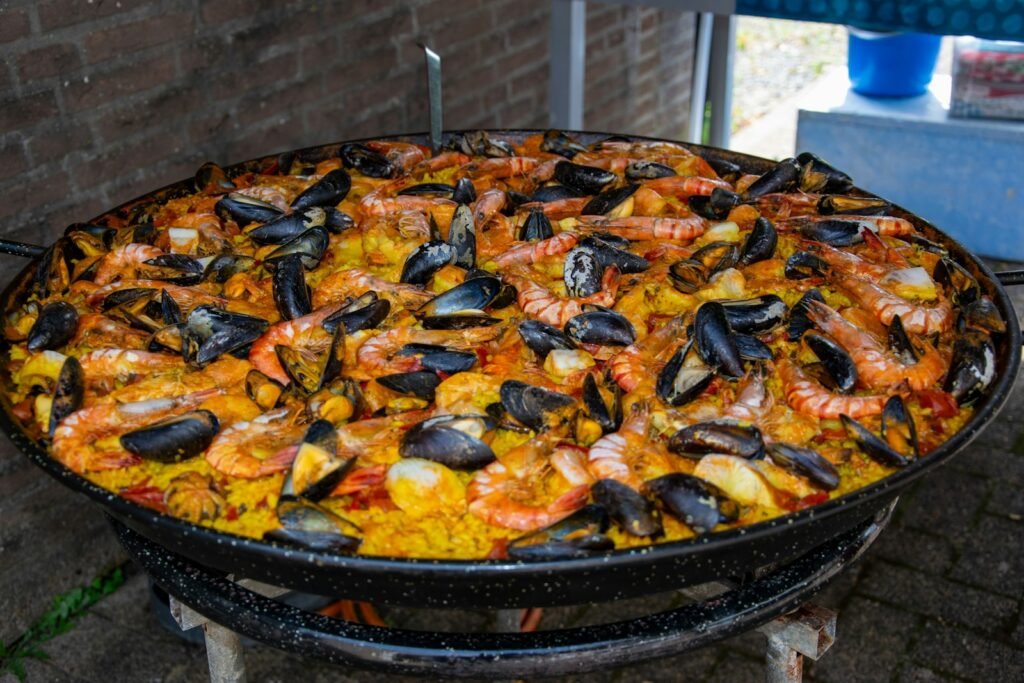
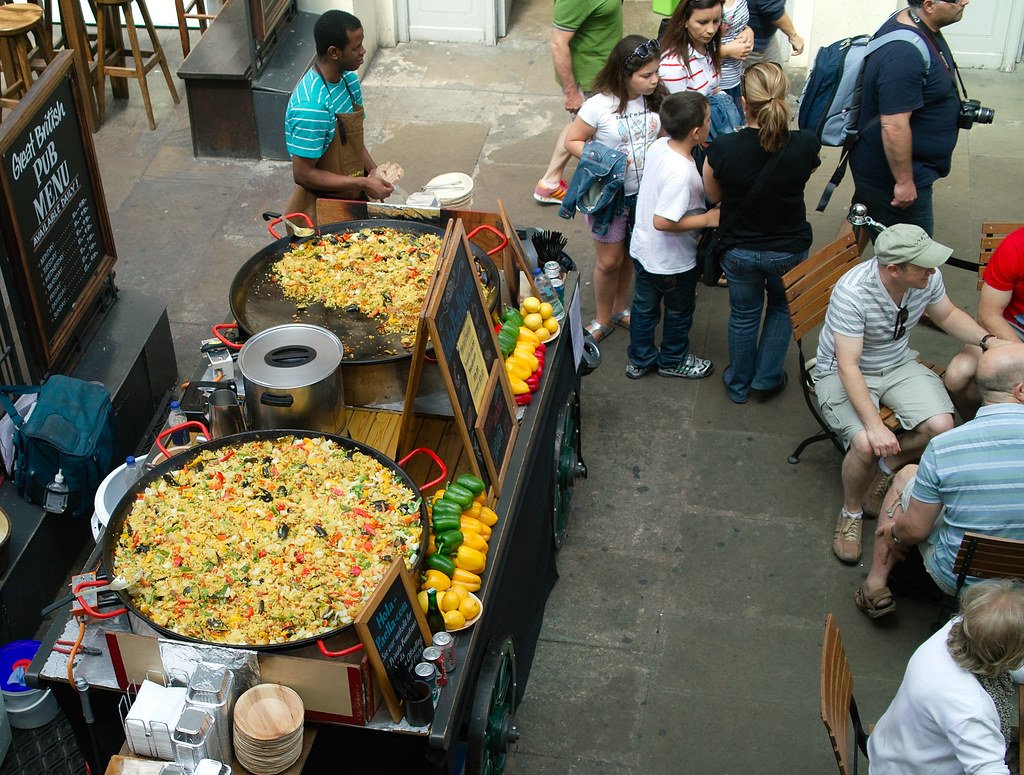
In addition to its culinary significance, paella plays a vital role in social gatherings throughout Spain. Festivals, family reunions, and communal dinners frequently feature this beloved dish, fostering connections between people. As such, it is often cooked in large, shallow pans, allowing for a communal dining experience where everyone participates in savoring the meal together. This aspect of sharing is integral to understanding the essence of paella, as it encourages unity and celebrates cherished moments amid the clinking of glasses and laughter.
The popularity of paella has transcended regional boundaries, making it a staple in Spanish cuisine worldwide. Its adaptability has led to numerous interpretations, from the traditional versions served in Valencia to more modern takes found in international restaurants. This evolution illustrates not only the dish’s versatility but also its enduring appeal, making it a fascinating subject of exploration for culinary enthusiasts and cultural aficionados alike.
The Origin of Paella
Paella, a quintessential Spanish dish, traces its roots to the region of Valencia, located along the eastern coast of Spain. Emerging in the mid-19th century, paella reflects the agricultural richness of the surrounding landscape, where rice cultivation flourished alongside diverse crops. The dish’s origins can be linked to the Mediterranean lifestyle, combining local ingredients like vegetables, rabbit, and chicken that were readily available to the region’s peasant communities.
Historically, paella began as a simple meal prepared by farmworkers in the fields. These laborers utilized a variety of accessible resources, including snails and beans, representing the practical aspects of peasant cooking. The technique of cooking rice with various ingredients in a single pan created a communal experience, emphasizing unity and collaboration among families and workers. The term “paella” itself derives from the Old French word “paelle,” meaning pan, highlighting the importance of the cooking vessel in this culinary tradition.
The traditional preparation of paella showcases a symbiotic relationship between agriculture and culture. As Valencia became a melting pot of different cultures and communities, influences from the Moors and other groups began to shape the dish. This historical exchange introduced spices, flavor profiles, and cooking techniques that would enrich the paella we recognize today. Moreover, paella has evolved into a celebrated culinary symbol of Spain, recognized worldwide and adapted in various forms to suit different palates and preferences.
Today, while the classic seafood and mixed meat varieties are popular, paella continually transforms, reflecting the dynamic nature of Spanish cuisine. The dish stands as a reminder of Valencia’s agricultural heritage and the cultural exchanges that contributed to its development, embodying both the simplicity and complexity of a beloved culinary classic.
The Historical Journey of Paella
Paella, a culinary emblem of Spanish cuisine, has a history that is as rich and varied as its unique flavor profiles. Its origins can be traced back to the 18th century in the region of Valencia, where it began as a humble meal prepared by farmers and laborers. This simple dish was traditionally made using local ingredients including rice, vegetables, and any available protein, such as rabbit or snails. The name “paella” itself originates from the Old French word “paelle” for pan, referring to the shallow, round vessel in which the dish is cooked.
The dish’s evolution significantly gathered momentum in the mid-19th century, coinciding with agricultural advancements that improved rice cultivation in Spain. The introduction of the bomba rice variety facilitated the integration of new flavors and ingredients, further enhancing the dish’s appeal. During this time, seafood became a popular addition, reflecting the coastal influences of Valencia and contributing to what we recognize today as the traditional paella recipe.
The industrial revolution and increased trade routes also played a vital role in the dissemination of paella’s popularity throughout Spain and eventually the world. As Spanish emigrants settled in various regions, they brought their cherished culinary traditions with them, adapting local ingredients to create their version of this iconic dish. However, it wasn’t until the 20th century that paella achieved international acclaim, becoming a symbol of Spanish culture celebrated far beyond its provincial roots.
Today, paella is synonymous with Spanish cuisine, evolving into numerous styles depending on geographic and cultural influences. Its journey from a rustic, regional meal to a globally recognized dish encapsulates the dynamic nature of culinary arts, illustrating how history, trade, and cultural exchanges have shaped it. With this rich heritage, paella continues to inspire chefs and food enthusiasts around the world, embodying the essence of community and shared experiences.
Cultural Significance of Paella
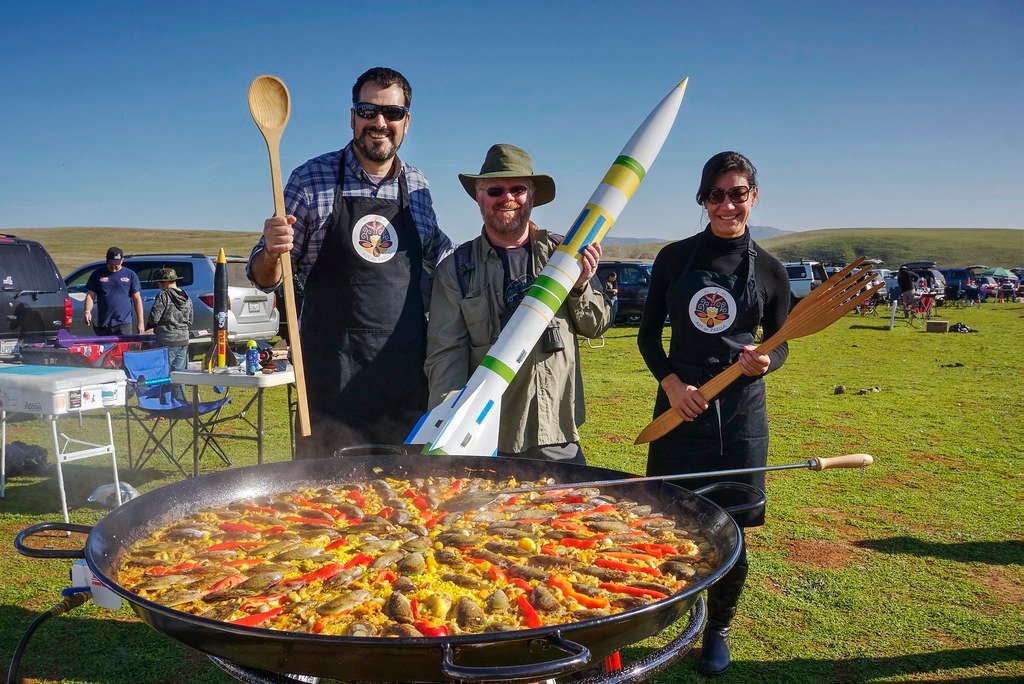
Paella is more than just a dish; it embodies a rich cultural heritage deeply rooted in Spanish society. Originating from the Valencia region, this iconic rice dish has evolved over centuries, becoming a symbol of Spanish identity and pride. Traditionally, paella is served during family gatherings, social events, and festive occasions, where its preparation often becomes a communal activity. Sharing a paella allows families and friends to engage in quality time, fostering connections and strengthening familial bonds.
In Spain, the act of cooking and enjoying paella frequently coincides with celebrations, from local festivals to national holidays. Many regions have their unique variants of the dish, showcasing local ingredients and culinary techniques, which reflect the diversity of Spanish culture. For instance, the addition of seafood along the Mediterranean coast highlights the importance of the ocean in regional life, while meat-based versions may emphasize agricultural traditions in inland areas. This versatility not only illustrates Spain’s geographic distinctions but also offers a means of cultural expression through cuisine, enabling different communities to take pride in their regional flavors and culinary heritage.
Furthermore, the communal nature of paella encourages social interaction, as people often gather around the cooking pan, contributing their own stories and experiences to the meal. This social aspect extends beyond the dining table; it acts as a catalyst for conversation and camaraderie, celebrating shared experiences and maintaining traditions. Whether during a family reunion or a local fiesta, paella plays a pivotal role in fostering unity and preserving cultural narratives, making it a beloved symbol of Spain’s culinary landscape. Ultimately, paella exemplifies how food can transcend mere sustenance, becoming a vibrant tapestry of community, tradition, and identity.
The Components of Paella
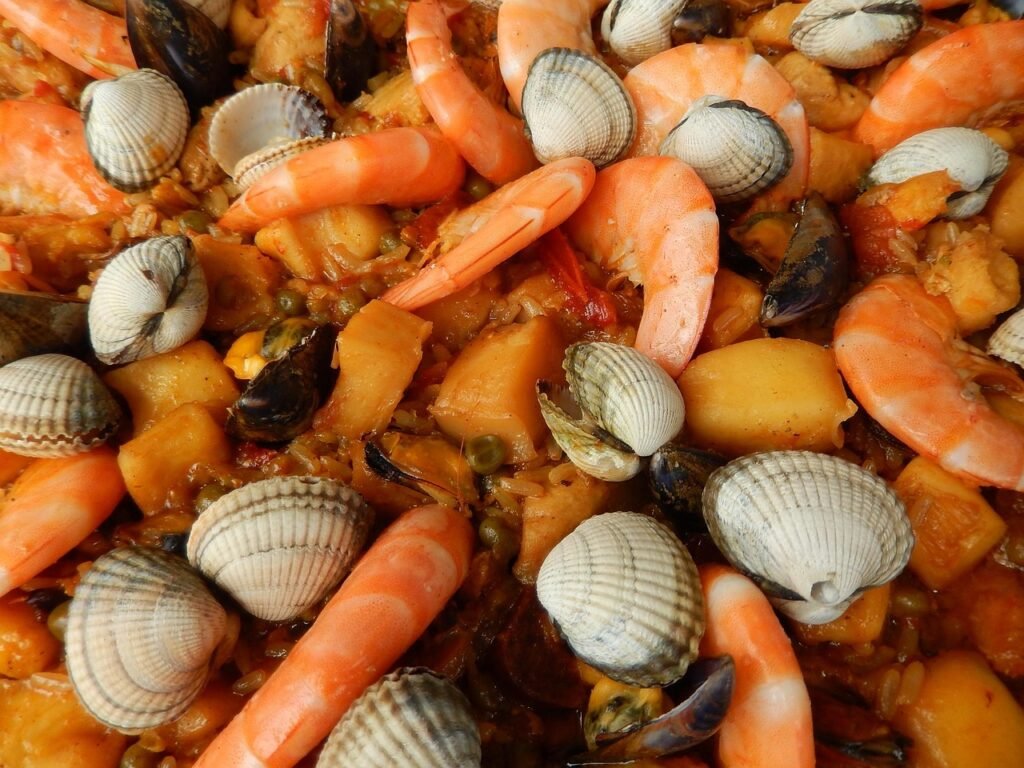
Paella, a dish rooted in the vibrant culinary traditions of Spain, predominantly features a harmonious blend of ingredients that contribute to its characteristic flavor and texture. The primary component of paella is rice, typically the short-grain variety known as Bomba or Calasparra, which absorbs liquid while maintaining its firmness. This specific type of rice is crucial, as it allows the dish to achieve its hallmark creamy consistency and ensures that the flavors meld effectively.
Proteins play a significant role in defining the richness of paella. Traditional recipes often include a combination of seafood and meats, with popular choices being chicken, rabbit, shrimp, mussels, and squid. Each protein contributes distinct flavors to the overall dish, while also catering to the regional preferences across Spain. For instance, coastal areas may favor seafood-based versions, enhancing the dish with fresh oceanic tastes.
Vegetables are another essential component of authentic paella, adding both color and nutrients. Saffron, a renowned spice that imparts a golden hue to the rice, is paired with garlic, green beans, and tomatoes, which together create a flavorful base. The inclusion of seasonal vegetables not only elevates the taste but also allows for variations in the dish, making it suitable for different palates.
In terms of preparation, the technique is just as significant as the ingredients. Sautéing vegetables and proteins in olive oil before adding rice ensures that the flavors deepen, culminating in the formation of the coveted socarrat, or crispy layer at the bottom of the paella. The variety of ingredients utilized in traditional paella exemplifies the dish’s versatility and the regional influences that shape each recipe. This careful selection and combination of core components is what distinguishes paella as a celebrated culinary masterpiece.
Flavors and Taste Profile
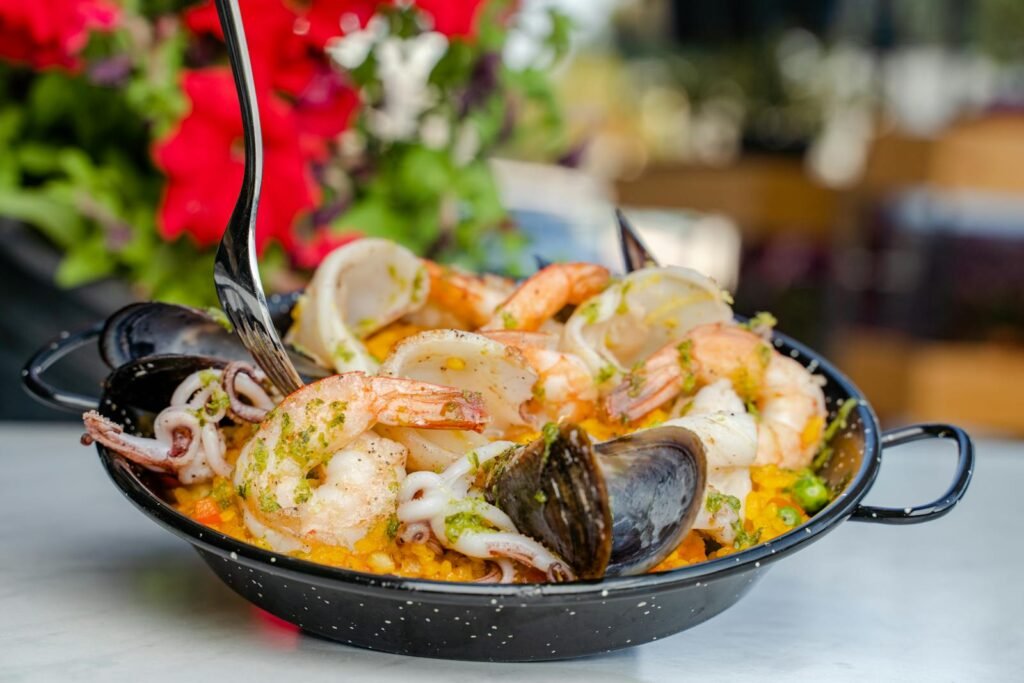
Paella, a culinary masterpiece originating from Spain, is celebrated for its intricate and diverse flavor palate, which offers a significant sensory experience. At the heart of this dish lies the careful selection of ingredients, each contributing uniquely to its overall taste profile. Traditionally, paella is built upon a foundation of saffron-infused rice, embracing a golden hue that signifies richness and warmth. The saffron not only imparts a subtle floral note but also enhances the dish’s complexity with its delicate taste.
Incorporating various proteins is essential to achieving the characteristic flavor of paella. Seafood, such as shrimp, mussels, and clams, provides a marine essence, harmonizing with the rice and adding a layer of umami flavor. Meanwhile, meats like chicken, rabbit, or even chorizo introduce savory notes that complement the dish’s aromatic quality. The interplay of these proteins creates a delightful contrast, making each bite intriguing. Moreover, the use of pyrotechnic spices and herbs, particularly paprika, elevates the taste profile by lending a hint of smokiness that is both invigorating and nostalgic.
The inclusion of seasonal vegetables, such as bell peppers, green beans, or peas, contributes not only to visual appeal but also provides sweetness and texture, achieving a balance between flavor and consistency. This combination of ingredients culminates in a dish that is both comforting and exhilarating, with layers of taste that unfold with every forkful. The resulting harmony amongst the elements of savory, umami, and aromatic notes ensures that paella stands out as a cherished dish, inviting diners to indulge in its rich heritage. Understanding these flavor dynamics is essential for anyone looking to appreciate or replicate this iconic dish fully.
Texture and Presentation of Paella
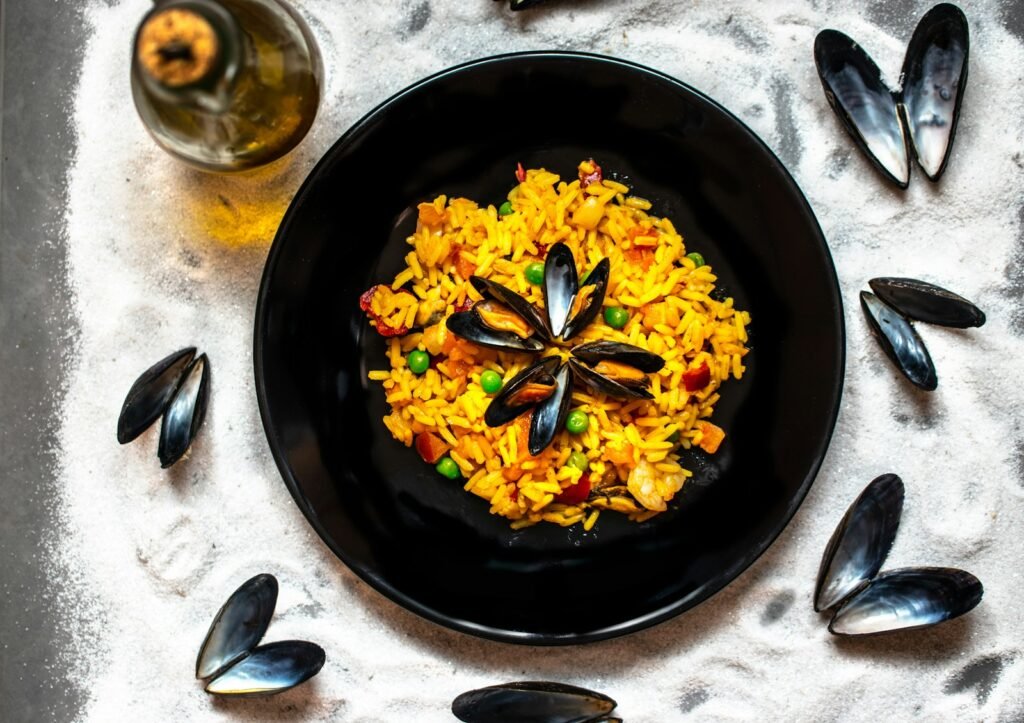
When discussing the texture of authentic paella, there are several critical elements to consider that contribute to an enjoyable culinary experience. One of the primary attributes is the consistency of the rice. In a well-executed paella, the rice should be al dente, tender yet firm to the bite, creating a satisfying mouthfeel. Typically, short-grain rice is used, allowing it to absorb the rich flavors of the broth while maintaining its structure. The combination of saffron and other spices also plays a crucial role, not only in taste but also in achieving a visually appealing hue that enhances the overall aesthetic.
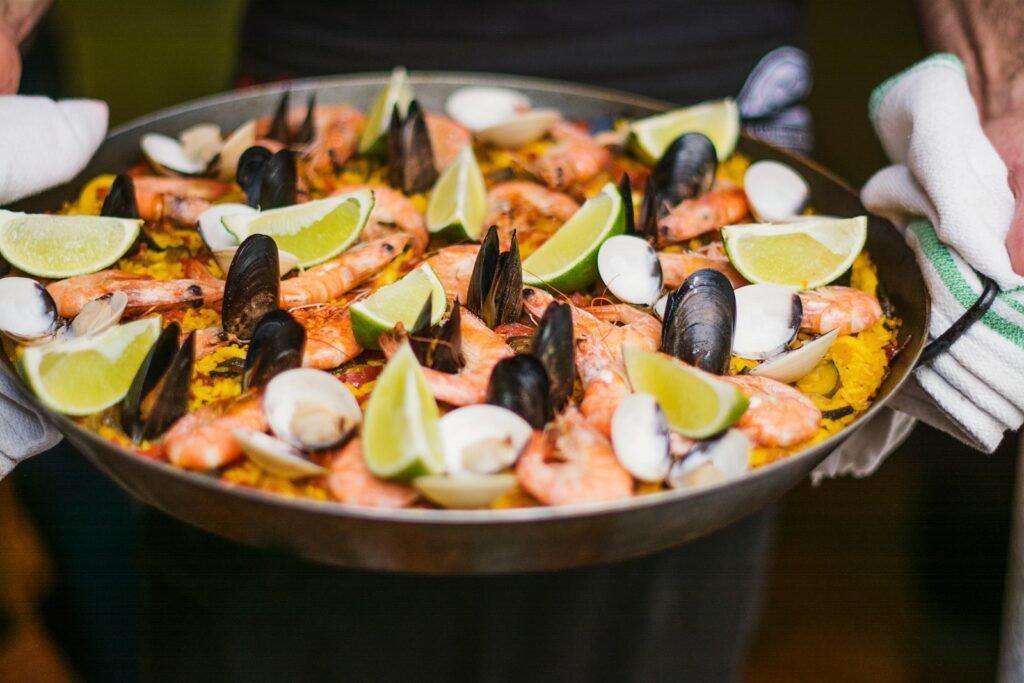
Another integral element of texture is the doneness of the seafood included in the dish. Quality paella often features an assortment of seafood such as shrimp, mussels, and calamari. To achieve optimal results, each component must be cooked precisely to ensure they are juicy and tender. Overcooking seafood can lead to a rubbery texture, detracting from the dish’s integrity. Freshness and proper timing in the cooking process greatly influence the overall texture of the paella.
The socarrat, or the prized golden crust that forms at the bottom of the pan, is a hallmark of excellent paella. Achieving the perfect socarrat involves allowing the rice to develop a crispy layer without burning it. This contrasting texture offers a delightful crunch that complements the softness of the rice above. The presence and state of the socarrat can elevate the dining experience, as it awakens the palate and adds an element of surprise with each bite.
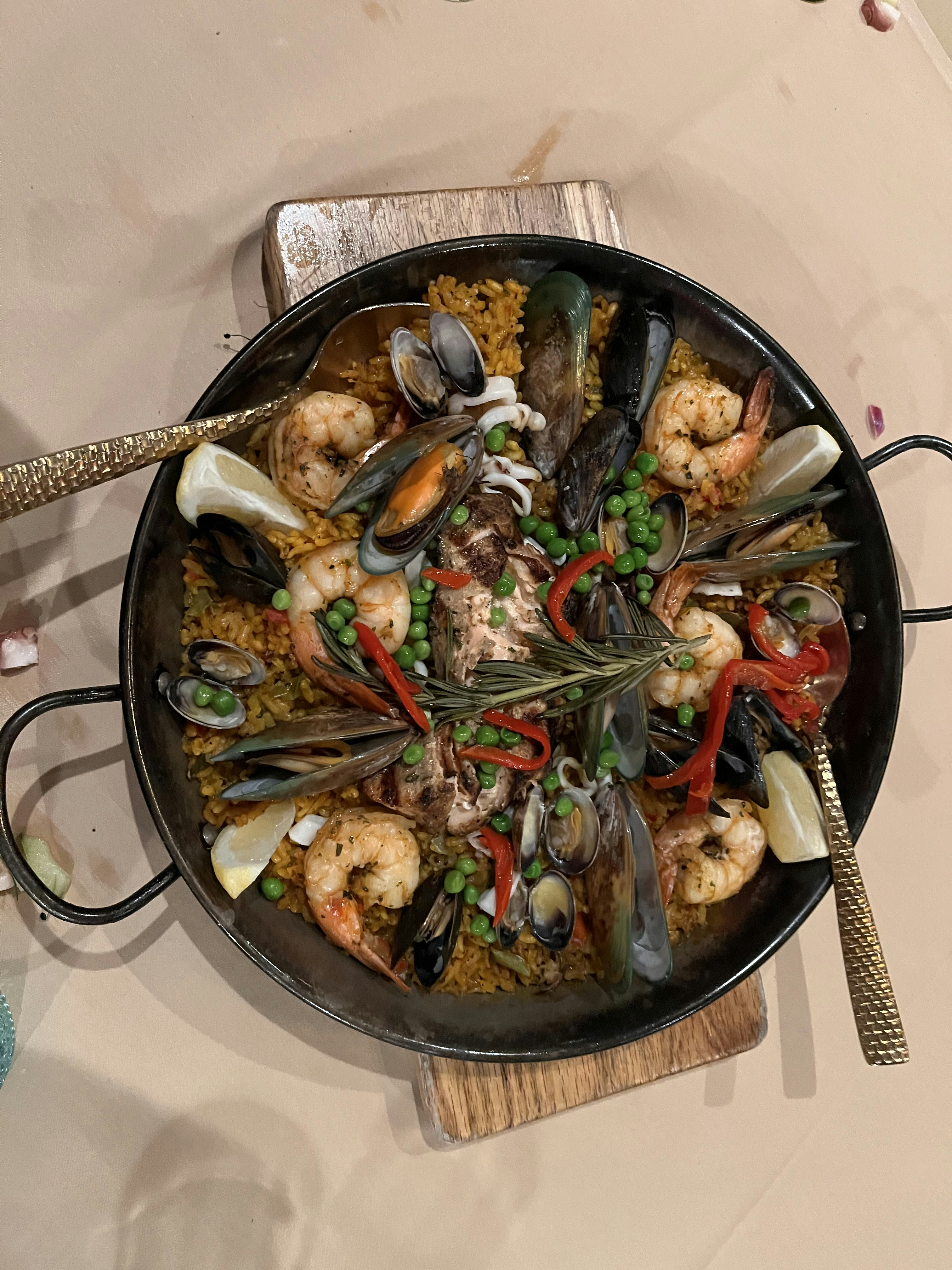
Finally, the presentation of paella plays a significant role in how the dish is perceived and enjoyed. A beautifully arranged paella, often served directly from the pan, invites diners to partake in a shared experience, enticing them with vibrant colors and aromas. Garnishing with fresh herbs or lemon wedges can enhance visual appeal and contribute to a more elevated dining occasion.
Modern Takes on Paella
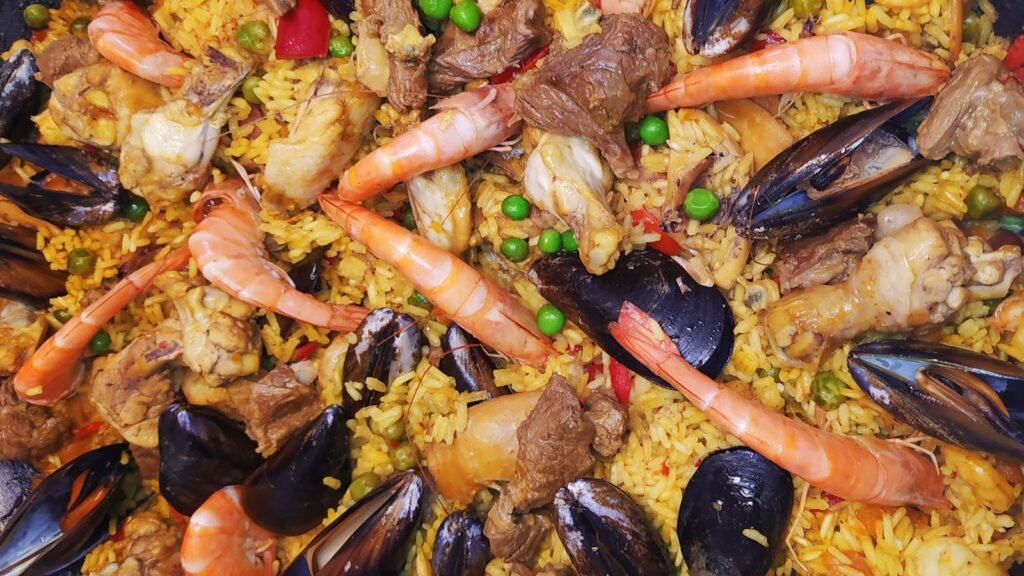
Paella, a beloved dish hailing from the Valencia region of Spain, has undergone numerous transformations over the years as chefs worldwide have embraced its versatility. While traditional versions feature a rich combination of saffron-infused rice, assorted meats, and seafood, modern interpretations often break these conventions to cater to varying tastes, dietary preferences, and local ingredients. Vegetarian paellas have gained considerable popularity, allowing those who abstain from meat to relish in this iconic dish. By substituting seafood and assorted meats with a colorful palette of vegetables such as peppers, artichokes, and green beans, these modern renditions offer an equally delightful culinary experience.
Moreover, a significant trend in contemporary paella is the focus on local seafood. As chefs are increasingly sourcing fresh ingredients from their coastal surroundings, we are witnessing the emergence of seafood-only versions of the dish. In places like California and Australia, local chefs craft paellas that celebrate regional catch, whether it’s shrimp, mussels, or clams, resulting in unique flavor profiles that pay homage to their origins while preserving the essence of paella. This evolution reflects a broader trend in the culinary world, where chefs strive to incorporate local flavors, thus creating an experience that resonates with the community.
The global influence of paella is evident as chefs from various countries adapt this Spanish classic to reflect their cultural influences. Examples include the Thai-inspired paella, infused with lemongrass and coconut milk, and the Mexican version featuring chorizo and jalapeños. These adaptations not only broaden the appeal of paella but also highlight the dish’s significant cultural footprint. Through such innovation, paella remains relevant in today’s culinary landscape, proving that while traditions may offer a foundation, creativity can continually reshape and redefine a cherished dish.
Conclusion: The Essence of Paella
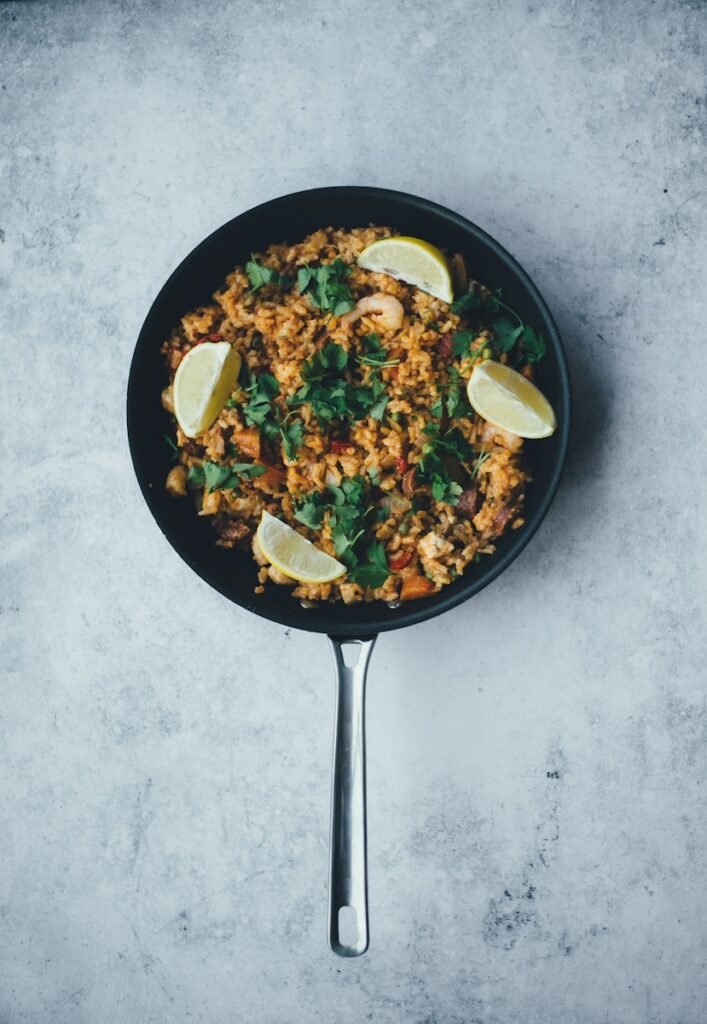
In conclusion, paella stands as a quintessential symbol of Spanish culture, marrying tradition with communal enjoyment. This iconic dish, originating from the Valencia region, transcends its basic ingredients—rice, saffron, meats, seafood, and vegetables—becoming a beloved culinary representation that encapsulates the essence of community and shared experiences. Whether enjoyed during family gatherings or celebratory festivals, paella is more than just food; it is a ritual that binds people together.
The evolution of paella over the years reflects Spain’s diverse culinary influences and regional variations. From the traditional Valencian paella made with rabbit and snails to the more modern seafood varieties, each version tells a story rooted in the locality and the customs of the people who prepare it. This adaptability ensures that while the dish evolves, it remains anchored in its historical significance, continually delighting both locals and visitors alike.
Moreover, the act of cooking and serving paella is an essential aspect of its appeal. It fosters a spirit of togetherness, as the large, communal pan invites diners to gather and share in the experience. This social aspect of dining epitomizes the Mediterranean lifestyle, highlighting the importance of food in creating memories and strengthening bonds. The essence of paella lies not solely in its flavors but also in the connections it fosters among people.