

Origins of Shepherd’s Pie

The culinary journey of Shepherd’s Pie dates back to the late 18th century in the United Kingdom, particularly within the contexts of Ireland and England. Originally known as ‘cottage pie’ when made with beef, and ‘shepherd’s pie’ when prepared with lamb, this dish exemplifies the resourcefulness characteristic of rural communities. Shepherd’s Pie arose during a time when economic instability necessitated the creative use of available ingredients. Families utilized leftover meats, transforming them into hearty meals that could sustain them through challenging times.
In its earliest forms, Shepherd’s Pie was a modest concoction of finely shredded meat, vegetables, and a topping of mashed potatoes. The incorporation of these leftover ingredients into pie-making became a common practice, solidifying the dish’s place as a staple of culinary tradition in Great Britain. This practice not only minimized food waste but also showcased the creativity of homemakers in crafting satisfying meals from seemingly minimal resources. As a result, Shepherd’s Pie not only fulfilled nutritional needs but also provided a comforting dish that became synonymous with affection and home-cooked warmth.
As time progressed, the recipe for Shepherd’s Pie evolved, adapting to various regional tastes and available ingredients. The traditional version gradually embraced a variety of vegetables, yet the essential combination of seasoned meat and creamy potato topping remained constant. The dish grew to symbolize a connection to culinary heritage, serving as a reminder of the past while continually adapting to contemporary palates. Today, Shepherd’s Pie is celebrated globally, transcending its humble origins, yet it retains the essence of its historical significance—a nourishing meal borne of innovation and necessity that reflects the heart of home cooking.
Cultural Significance of Shepherd’s Pie
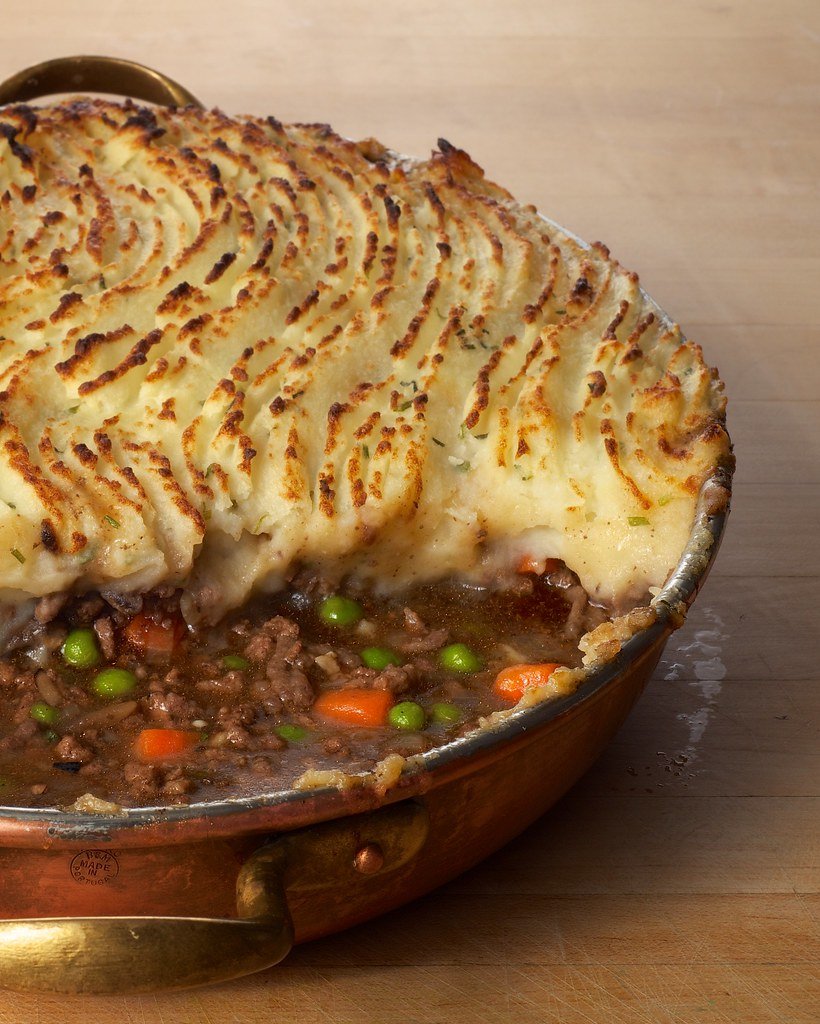
Shepherd’s Pie holds a cherished place within British and Irish culinary traditions, embodying the essence of comfort and home-cooked meals. Traditionally made with minced lamb, vegetables, and topped with a creamy layer of mashed potatoes, this dish transcends mere sustenance to symbolize family gatherings and joyous occasions. In many households, Shepherd’s Pie serves as a staple during festive celebrations, evoking memories of shared meals and cherished moments. It plays a vital role in bringing families together, fostering a sense of community and belonging through its wholesome flavors and inviting aroma.
Moreover, Shepherd’s Pie is often associated with the concept of ‘comfort food,’ a term that reflects our natural inclination towards meals that provide warmth and nostalgia. The preparation of this dish is frequently rooted in family recipes passed down through generations, each adding a personal touch to an already beloved classic. This connection to heritage enhances its cultural relevance, as it is not merely a dish, but a conduit for preserving familial bonds and sharing culinary stories.
Unique Flavors of Shepherd’s Pie
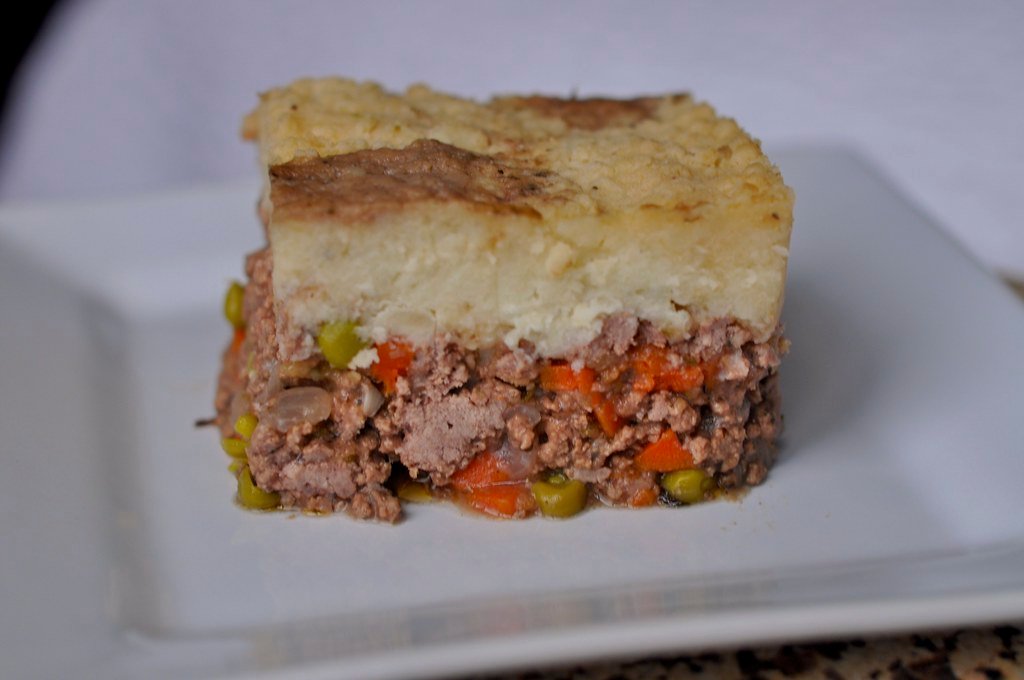
Shepherd’s Pie, a classic dish originating from the British Isles, exemplifies the rich culinary tradition that combines simplicity with robust flavors. The quintessential version of this comfort food features a harmonious blend of ground lamb or beef, vegetables, and a top layer of creamy mashed potatoes. This combination creates a savory, satisfying meal that appeals to many palates. The traditional filling often includes ingredients such as peas, carrots, and onions, which provide a delightful contrast to the hearty meat, enriching the overall flavor composition.
However, the magic of Shepherd’s Pie lies in its adaptability, where variations reflect regional tastes and available ingredients. For instance, the addition of herbs such as thyme or rosemary not only enhances the dish’s aroma but also complements the meat’s richness. In some regions, cooks introduce Worcestershire sauce, which adds a depth of umami flavor, elevating the overall taste experience. This seasoning’s tangy profile marries well with the savory elements, providing an intricate balance that defines an exceptional Shepherd’s Pie.
Furthermore, regional adaptations of Shepherd’s Pie often feature unique local ingredients. In parts of Ireland, for example, you might find versions incorporating Guinness or stout, infusing the meat with a distinctive, malty flavor that is hard to resist. Similarly, in North America, creative cooks may use alternative proteins such as turkey or chicken, appealing to contemporary dietary preferences while still honoring the pie’s roots. These iterations exemplify the flexibility of this dish, allowing for gastronomic exploration while maintaining its comforting essence.
The unique flavors of Shepherd’s Pie not only reveal cultural diversity but also celebrate the communal joy of sharing a wholesome meal. Each recipe represents the culinary heritage of its region, making every bite a journey through tradition and innovation.
Textures in Shepherd’s Pie
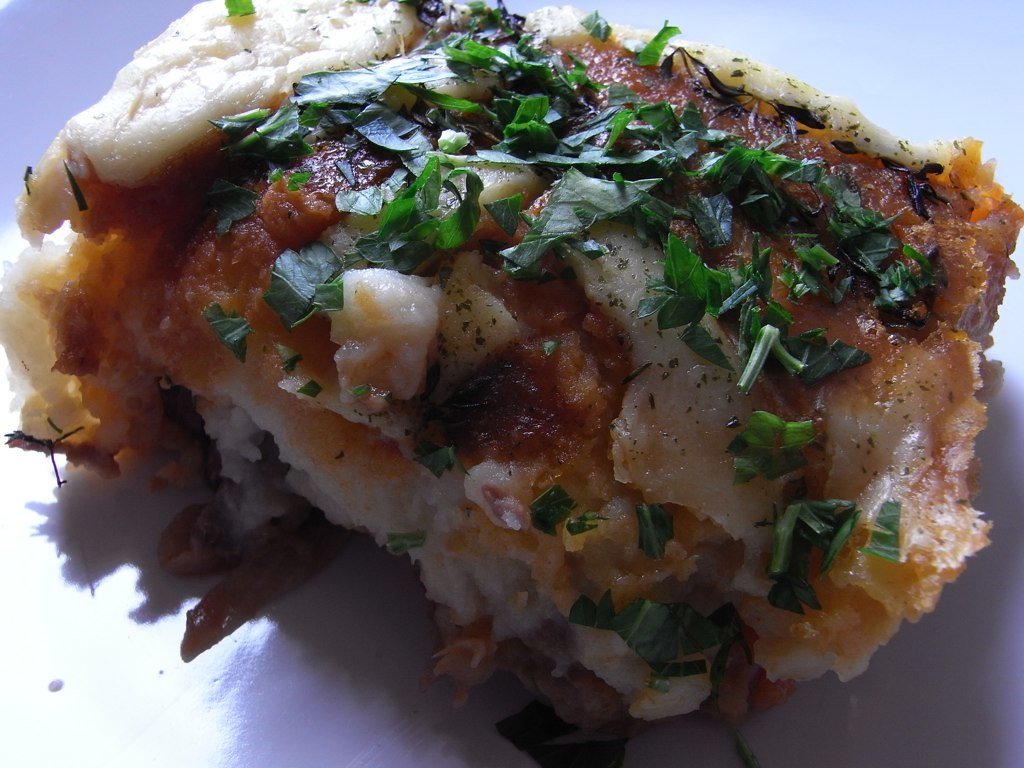
Shepherd’s Pie is celebrated not only for its rich flavors but also for its remarkable interplay of textures. At its heart, the dish showcases a delightful contrast between the creamy, smooth mashed potatoes layered atop a hearty, meaty filling. This combination is essential in creating a satisfying sensory experience for anyone enjoying the meal. The soft and buttery sheen of the mashed potatoes provides a stark yet pleasing contrast to the robust texture of the meat mixture, which typically includes ground lamb or beef, vegetables, and a rich gravy.
When preparing Shepherd’s Pie, the mashed potatoes are often whipped or beaten, resulting in a light, airy texture that enhances the overall appeal. This smooth topping not only adds a comforting feel but also acts as a barrier that retains moisture within the filling. The hearty, savory filling lies beneath, consisting of tender meat and vibrant vegetables that offer a luscious mouthfeel. The addition of ingredients such as peas, carrots, and onions adds to the diverse textures, infusing each bite with a blend of crunch and softness.
The baking process is crucial in achieving the final texture of Shepherd’s Pie. As the pie bakes, the top layer of mashed potatoes develops a delectable golden crust, providing a satisfying crunch as the spoon breaks through the surface. This crust not only enhances the visual appeal but also creates a pleasing textural contrast with the moist filling underneath. Each bite of Shepherd’s Pie encapsulates this seamless integration of textures, from the crispy exterior to the rich, blended interior, making it a beloved dish that is as fascinating to eat as it is to prepare.
Visual Appeal of Shepherd’s Pie
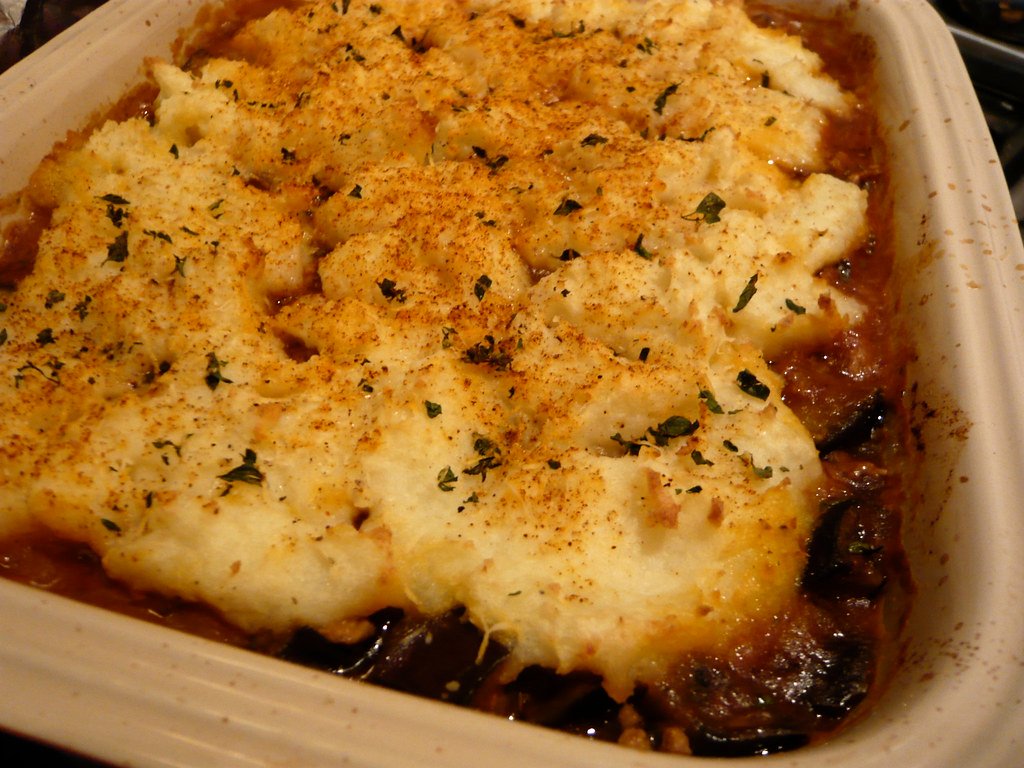
Shepherd’s Pie stands out not only for its delightful flavors but also for its visually appealing presentation. The first impression of this dish often comes from its inviting appearance, which plays a significant role in engaging diners before they even take a bite. The golden-brown crust made from fluffy mashed potatoes is a hallmark of this traditional recipe. This glossy, toasted exterior not only adds texture but also offers a warm visual cue that signifies home-cooked comfort.
Underneath this crispy layer lies a delectable filling that often contains a colorful medley of ingredients. Typically, the ground meat, along with assorted vegetables such as carrots, peas, and corn, create an aesthetically pleasing contrast. The vibrant colors of the vegetables peek through the top layer of potatoes, creating an enticing mosaic that invites diners to enjoy the dish. This variety in color not only enhances the visual experience but also hints at the range of flavors contained within the pie.
The careful arrangement of these elements is crucial, as it reflects the artistry involved in creating Shepherd’s Pie. In culinary arts, visual appeal greatly influences the perception of taste and quality. Chefs often consider how their dishes are plated, with an emphasis on creating a feast for the eyes to complement the palate. A well-presented Shepherd’s Pie communicates care and attention to detail, factors that elevate the overall dining experience.
Ultimately, the visual appeal of Shepherd’s Pie is a testament to the harmony between color, texture, and presentation. It is an essential aspect of this renowned dish, ensuring that it not only satisfies hunger but also delights the senses in a comprehensive manner, fostering a memorable culinary experience.
Plating Techniques for Shepherd’s Pie
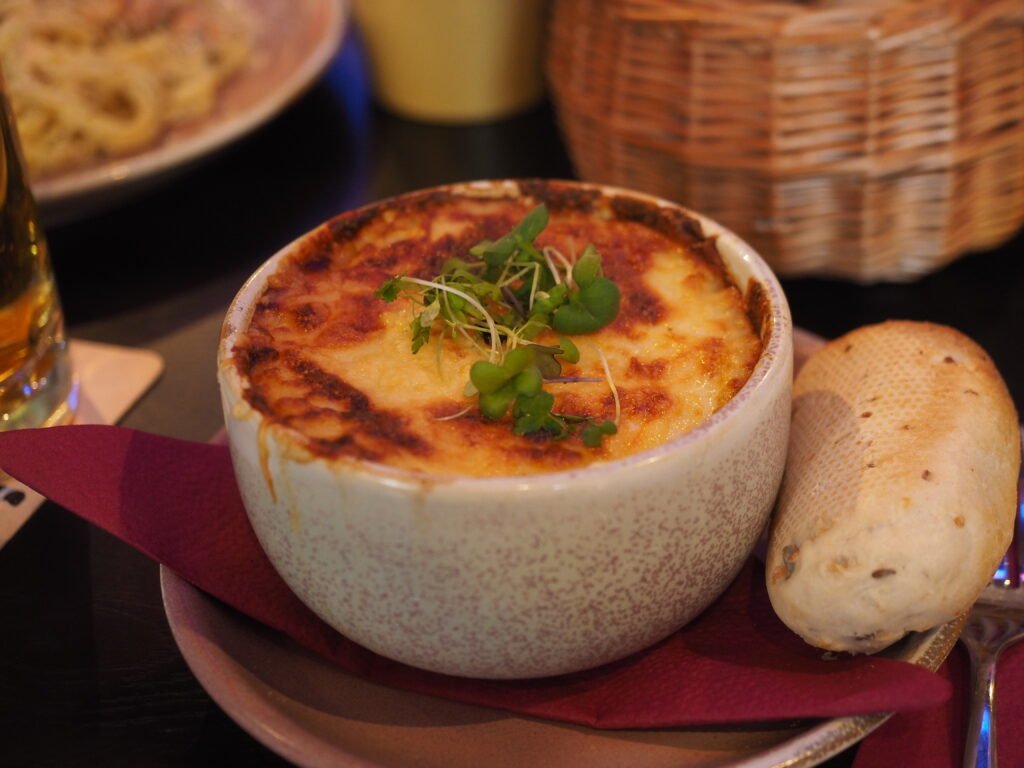
Plating is an essential aspect of culinary presentation, particularly for dishes like Shepherd’s Pie that may seem humble at first glance. Elevating its presentation can transform it into an impressive centerpiece for any dining occasion. One of the fundamental techniques in plating this classic dish is proper portioning. Serving Shepherd’s Pie in individual ramekins not only creates a sophisticated appearance but also allows for uniform portions. This approach enables guests to enjoy their meal without the need for serving utensils, adding a touch of elegance to the dining experience.
Furthermore, garnishing plays a crucial role in enhancing the visual appeal of Shepherd’s Pie. Fresh herbs, such as parsley, thyme, or rosemary, can be finely chopped and sprinkled on top just prior to serving. Not only do they provide a vibrant green contrast to the golden-brown topping, but they also introduce a fresh aroma that complements the rich flavors of the dish. A drizzle of olive oil or a light scattering of paprika can also add visual interest and enhance the overall flavor profile.
The choice of dishware is another critical component of plating. Selecting an appropriate dish, such as a rustic ceramic pie dish or modern minimalist bowls, can significantly impact how the dish is perceived. For a more traditional presentation, a classic pie dish can evoke nostalgia, whereas contemporary dishes may bring an innovative twist. Additionally, using contrasting colors in dishware can help the Shepherd’s Pie stand out, drawing attention to its creamy filling and fluffy potato topping.
In conclusion, perfecting the art of plating Shepherd’s Pie requires attention to portioning, strategic garnishing with fresh herbs, and thoughtful selection of dishware. By implementing these techniques, one can take this beloved dish from comfort food to a visually striking, gourmet experience that is sure to impress guests.
Variations of Shepherd’s Pie
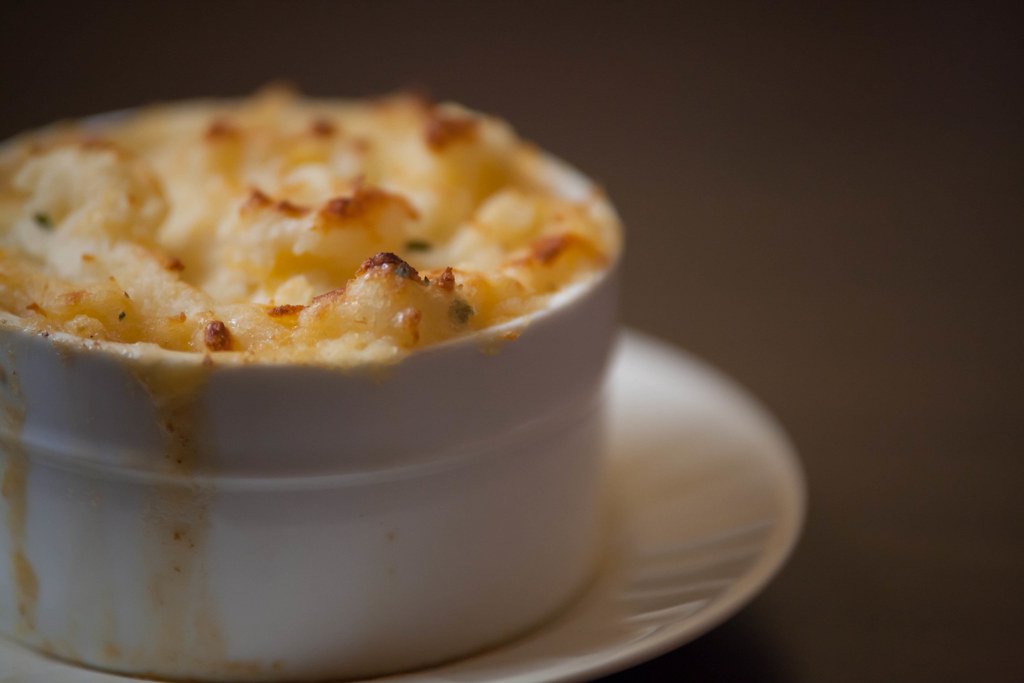
Shepherd’s Pie is cherished for its comforting flavors and hearty ingredients. However, its versatility allows for a plethora of variations, catering to diverse tastes and dietary preferences. One of the most notable adaptations is known as Cottage Pie, which primarily uses ground beef instead of lamb. This subtle shift not only modifies the flavor profile but also makes the dish more accessible to those who may not enjoy lamb. Cottage Pie retains the same essential concept of layered meat and mashed potatoes, ensuring that the comforting essence of the original dish is preserved.
In recent years, as dietary preferences have evolved, vegetarian and vegan adaptations of Shepherd’s Pie have also gained popularity. These variations typically substitute meat with nutritious ingredients such as lentils or mushrooms. Lentils are often favored due to their protein content and ability to absorb flavors, mimicking the texture of ground meat. On the other hand, mushrooms provide an earthy flavor that can enhance the dish significantly. These vegetarian versions offer a rich and satisfying alternative that guarantees that everyone can enjoy this classic meal, regardless of their dietary restrictions.
Moreover, some innovative cooks have taken Shepherd’s Pie even further by experimenting with different toppings beyond the traditional creamy mashed potatoes. Sweet potatoes, for instance, are sometimes used to create a distinct sweetness while retaining a similarly comforting texture. Furthermore, the incorporation of vegetables such as carrots, peas, or corn within the filling not only adds nutritional value but also brings color and variety to the dish, appealing to both the eyes and the palate.
Overall, the many variations of Shepherd’s Pie illustrate the dish’s adaptability while maintaining its foundational elements. Whether through meat-based or plant-based adaptations, Shepherd’s Pie continues to evolve, appealing to a broader audience while remaining a beloved favorite.
Pairing Drinks with Shepherd’s Pie
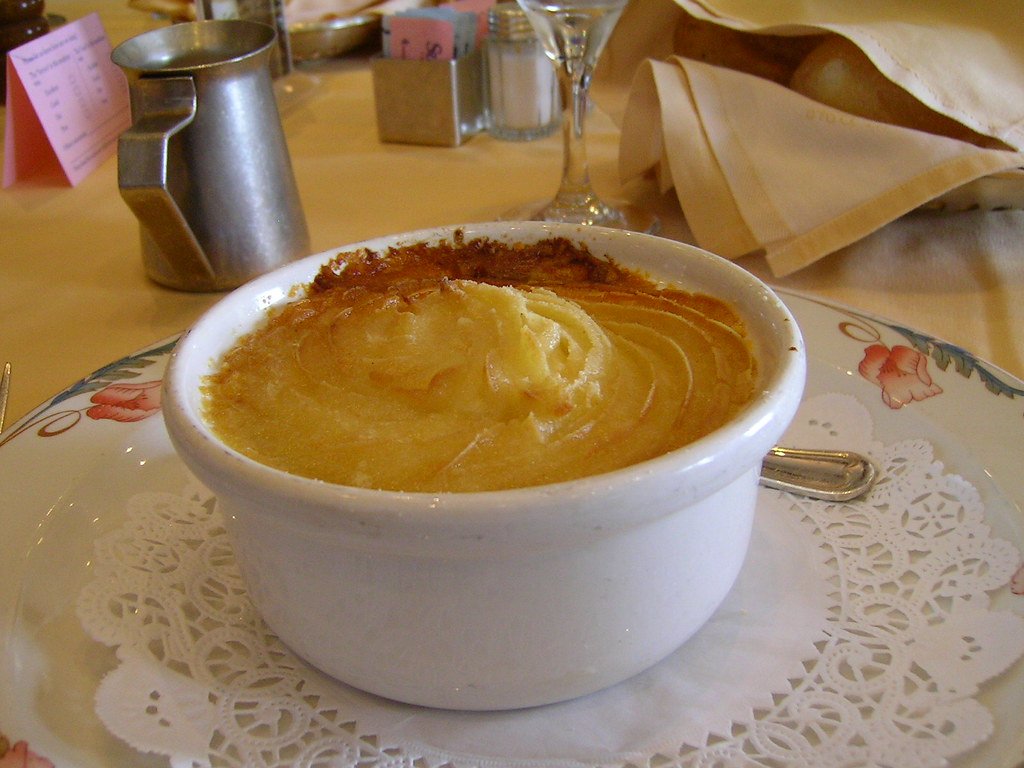
When it comes to maximizing the culinary experience of Shepherd’s Pie, selecting the right beverage can elevate the dish significantly. Traditionally, this hearty meal with its rich flavors pairs wonderfully with beverages that complement its ingredients and enhance the overall dining experience. For those who enjoy alcoholic beverages, hearty ales and red wines are ideal choices. The malty, robust character of a well-crafted ale works effectively to balance the savory meat and mashed potato topping of Shepherd’s Pie. For red wine enthusiasts, a full-bodied wine such as a Cabernet Sauvignon or a Shiraz provides a fruity contrast that highlights the meat’s umami flavors while cutting through any richness.
Additionally, white wine options should not be overlooked; a Chardonnay with its creamy texture can serve as a delightful match, enhancing the comforting creaminess of the mashed potatoes. For a lighter, refreshing touch, consider pairing your meal with a crisp Sauvignon Blanc, which can cleanse the palate between hearty bites. The acidity in these wines complements the dish’s richness, making each mouthful taste distinct.
For those who prefer non-alcoholic options, beverages such as sparkling water or apple cider can serve as excellent alternatives. Sparkling water brings a refreshing effervescence that cleanses the palate without overpowering the dish. Meanwhile, apple cider, particularly if served warm, can add a hint of sweetness, contrasting beautifully with the savory components of Shepherd’s Pie. Ultimately, the key lies in choosing a drink that reflects the comforting essence of this traditional meal while enhancing its robust flavors. Thoughtfully selecting a beverage can truly transform the Shepherd’s Pie experience into a remarkable culinary journey.
Conclusion: The Timelessness of Shepherd’s Pie
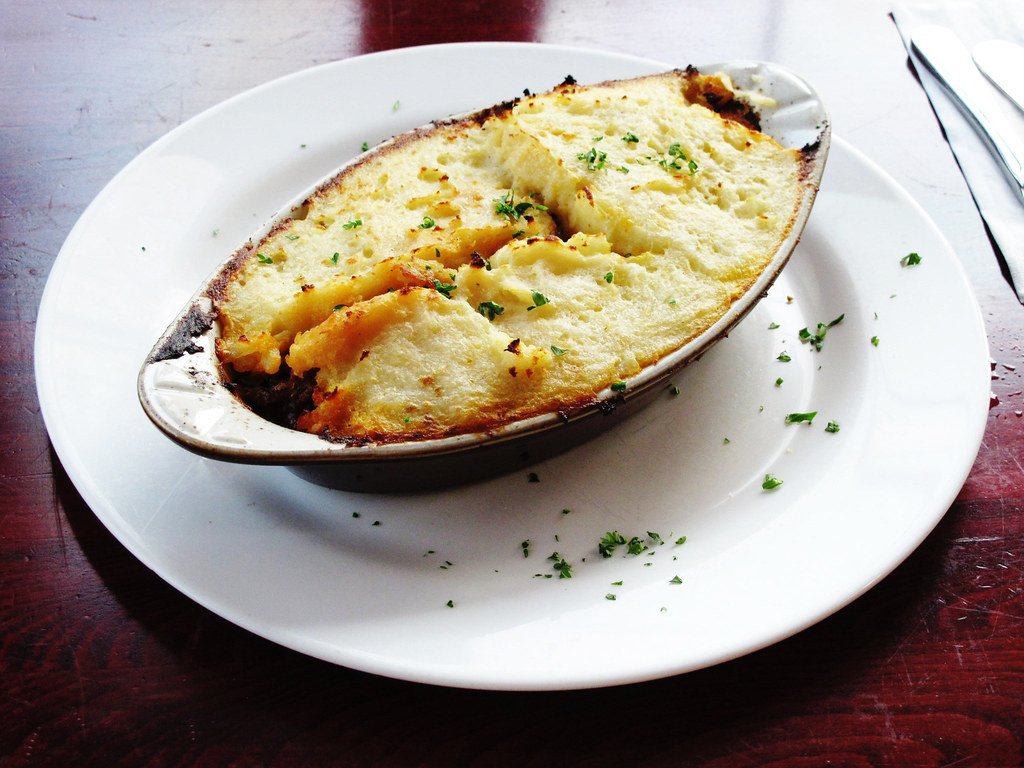
Shepherd’s Pie is more than just a dish; it is a culinary tradition that embodies comfort and nostalgia. Its enduring appeal lies in the combination of simple ingredients—meat, vegetables, and a creamy layer of mashed potatoes—that come together to create a meal that warms both the body and the soul. Over the years, this classic dish has transcended cultural boundaries, becoming a favorite in many households around the world. The versatility of Shepherd’s Pie allows for various adaptations, making it a symbol of resourcefulness in the kitchen.
As a comfort food, Shepherd’s Pie resonates with many due to its rich history and the personal stories attached to it. Families may have their own unique recipes passed down through generations, adding a sense of heritage to each bite. The beauty of this dish is that, while it retains its traditional roots, it is open to interpretation, allowing chefs and home cooks alike to infuse their creativity and flavor preferences.
This culinary journey through Shepherd’s Pie showcases how it can evolve while still paying homage to its origins. Each rendition, whether it includes lamb or beef, fresh herbs, or new vegetable combinations, tells a story that connects people and places. In appreciating the simplicity and adaptability of Shepherd’s Pie, we not only celebrate a beloved dish but also acknowledge the varying experiences and memories associated with it. As you explore your own connection to Shepherd’s Pie, consider how this timeless meal continues to bring comfort, warmth, and satisfaction to the table, making it an everlasting favorite in many cultures.