

- The Origin of Macaroni and Cheese
- Cultural Significance of Macaroni and Cheese
- Unique Flavors of Macaroni and Cheese
- Textures in Macaroni and Cheese
- Visual Appeal of Macaroni and Cheese
- The Appearance of Macaroni and Cheese Dishes
- Plating Techniques for Macaroni and Cheese
- Macaroni and Cheese Around the World
- Conclusion: The Enduring Appeal of Macaroni and Cheese
The Origin of Macaroni and Cheese
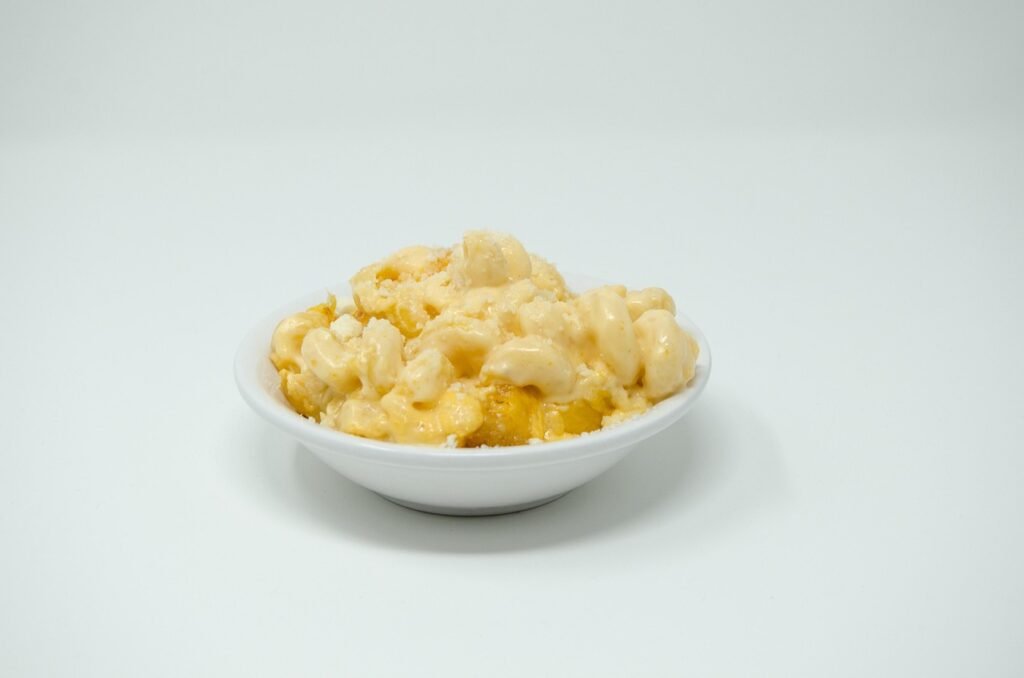
Macaroni and cheese, a dish beloved by many, has a rich history that traces back to ancient civilizations. The combination of pasta and cheese can be found in various cultures, but its formal introduction as a distinct dish evolved over time. The earliest records of a pasta and cheese concoction date back to 13th century Southern Italy, where cooks combined sheets of pasta with grated cheese. This foundation laid the groundwork for future interpretations of pasta dishes incorporating cheese.
In the late 18th century, macaroni found its way to the United States, significantly influenced by European culinary traditions. Italian immigrants brought their pasta-making techniques, while British cuisine also embraced macaroni in household recipes. The dish gained further popularity in America around the time of the American Revolutionary War, as it was relatively easy to prepare and offered hearty sustenance. One of the pivotal moments in its ascent was the role of Thomas Jefferson, the third President of the United States. After encountering macaroni in France and Italy, he famously introduced it to American high society, serving macaroni and cheese at a state dinner in 1802.
As the 19th century progressed, macaroni and cheese transitioned from a luxurious delicacy to a staple in American households. Cookbooks began to feature the dish more prominently, showcasing various recipes that incorporated ingredients like breadcrumbs, milk, and spices, enhancing its flavor profile. This evolution marked a significant departure from the simple pasta-and-cheese combinations of earlier times. By the 20th century, the introduction of processed cheese paved the way for the creamy, comforting mac and cheese we enjoy today. The dish became a culinary symbol of comfort food, establishing its enduring place in American cuisine.
Cultural Significance of Macaroni and Cheese

Macaroni and cheese stands as a quintessential comfort food, firmly embedded in the cultural tapestry of American cuisine. Originally introduced to the United States in the 18th century, macaroni and cheese has evolved from a luxurious dish enjoyed by the elite to a staple found in homes and institutions across the nation. Its widespread presence can be attributed to its simplicity, affordability, and adaptability, making it a go-to choice for many families.
In American households, macaroni and cheese is often associated with warmth and togetherness, frequently served during family dinners, potlucks, and festive celebrations. The dish elicits nostalgia for childhood, reminiscent of school lunches or cozy evenings spent with loved ones. It serves as a culinary bridge across generations, fostering a sense of belonging and comfort. Parents often pass down recipes to their children, ensuring that this beloved dish remains a part of family traditions.
Moreover, macaroni and cheese has transcended its humble origins to become a celebrated dish within popular culture. It has been featured in various television shows, films, and even music, highlighting its status as a symbol of comfort and home. From gourmet variations offered in upscale restaurants to the ubiquitous boxed convenience version, macaroni and cheese reflects the diverse culinary landscape of modern America.
In addition, the dish has embodied social unity, often being served at potlucks and gatherings where people of different backgrounds come together to share a meal. This communal aspect has amplified its significance as not only a food item but also as an expression of warmth and hospitality. As our society continues to evolve, macaroni and cheese remains a cherished dish, bridging gaps between generations and cultures, while reinforcing the value of comfort food in everyday life.
Unique Flavors of Macaroni and Cheese
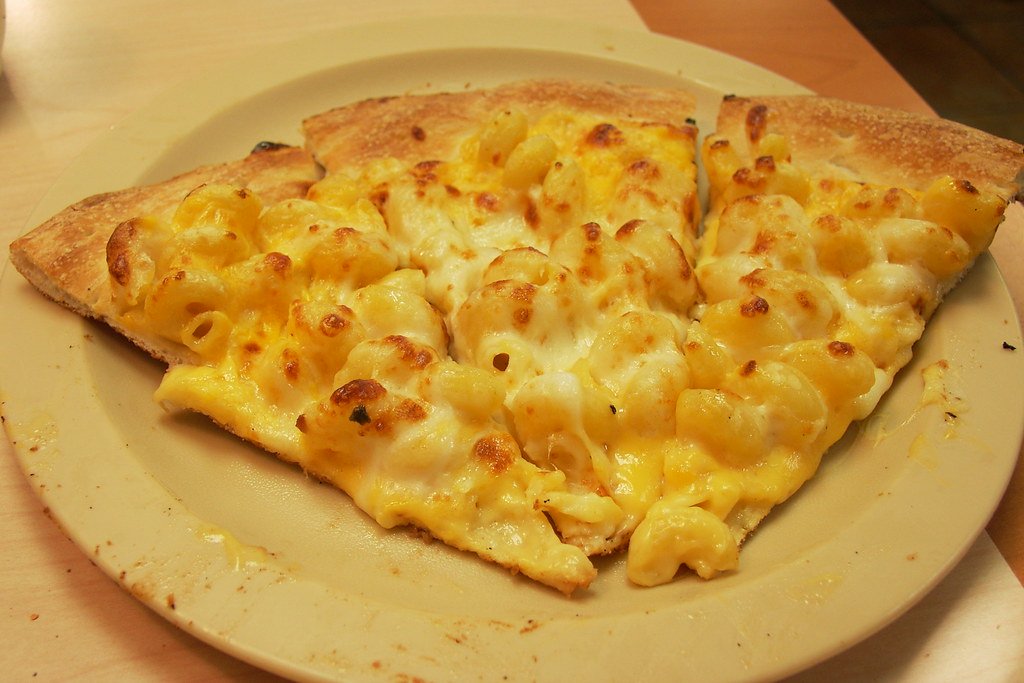
Macaroni and cheese, often regarded as a comfort food staple, offers a remarkable diversity of flavors that appeals to a wide array of palates. While the traditional version typically features sharp cheddar cheese, modern adaptations have introduced a plethora of innovative and unique flavors that elevate this classic dish. Chefs and home cooks alike have undertaken culinary experiments, incorporating cheeses such as smoked Gouda, blue cheese, and pepper jack, each contributing distinct taste profiles and textures.
Beyond cheese selection, the addition of gourmet ingredients such as truffle oil or various herbs can significantly enhance the flavor experience of macaroni and cheese. The incorporation of truffle oil, for instance, lends an earthy, rich quality that transforms the dish into a decadent indulgence. Moreover, spices and vegetables, such as jalapeños or roasted red peppers, infuse the dish with heat and freshness, appealing to those who enjoy both comfort and a bit of culinary adventure.
Regional influences also play a significant role in the variety of flavors found in macaroni and cheese. For example, in the Southern United States, the dish may be enriched with ingredients like smoked meats, while New England variations might incorporate lobster, merging local seafood traditions with the creamy classic. This regional experimentation reflects broader cultural influences, making macaroni and cheese a canvas for culinary creativity.
In contemporary gastronomy, macaroni and cheese has evolved further, with innovations such as vegan and gluten-free versions utilizing alternative cheese products and pasta options. These advancements allow for the enjoyment of macaroni and cheese without compromising dietary preferences. As this dish continues to inspire creativity in kitchens around the world, its unique flavors remain a testament to its enduring popularity.
Textures in Macaroni and Cheese
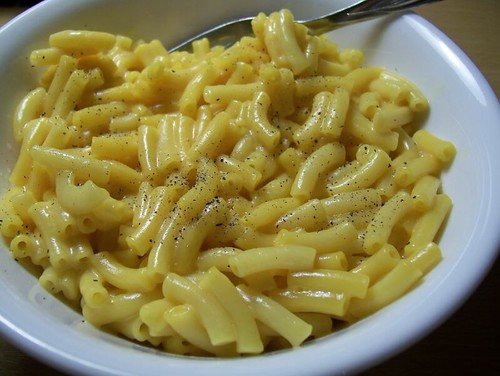
The textural elements present in macaroni and cheese play a significant role in the dish’s widespread appeal. The contrast between the creamy, gooey interior and the crispy top forms the very essence of this comforting meal. When macaroni and cheese is prepared using different cooking methods, such as stovetop versus baked, the resulting textures can vary dramatically. For instance, stovetop macaroni and cheese typically yields a smooth and creamy consistency, primarily focusing on the rich and velvety cheese sauce enveloping the pasta. This preparation ensures each bite is a delightful experience of softness and warmth.
In contrast, baked macaroni and cheese often results in a more complex textural profile. When baked, the top layer develops a golden-brown crust, often achieved through the addition of breadcrumbs or a cheese layer that crisps upon cooking. This crunchy exterior serves to enhance the overall eating experience, providing a satisfying contrast to the tender macaroni beneath. The interplay of textures beckons diners to indulge in the layers of flavor and sensation, making each bite a memorable occasion.
Moreover, the addition of ingredients such as meats, vegetables, or herbs introduces further diversity in taste and texture. For example, adding cooked bacon or sausage can impart a savory crunch, while incorporating vegetables like broccoli or spinach contributes a tender bite alongside the creaminess of the cheese. The type of pasta used also impacts the overall mouthfeel of the dish; shell or elbow macaroni tends to hold sauce well, encasing it within their contours for a rich, decadent experience. Ultimately, the variety of textures found in macaroni and cheese serves to heighten the enjoyment of this beloved dish, inviting culinary exploration and personal preference.
Visual Appeal of Macaroni and Cheese
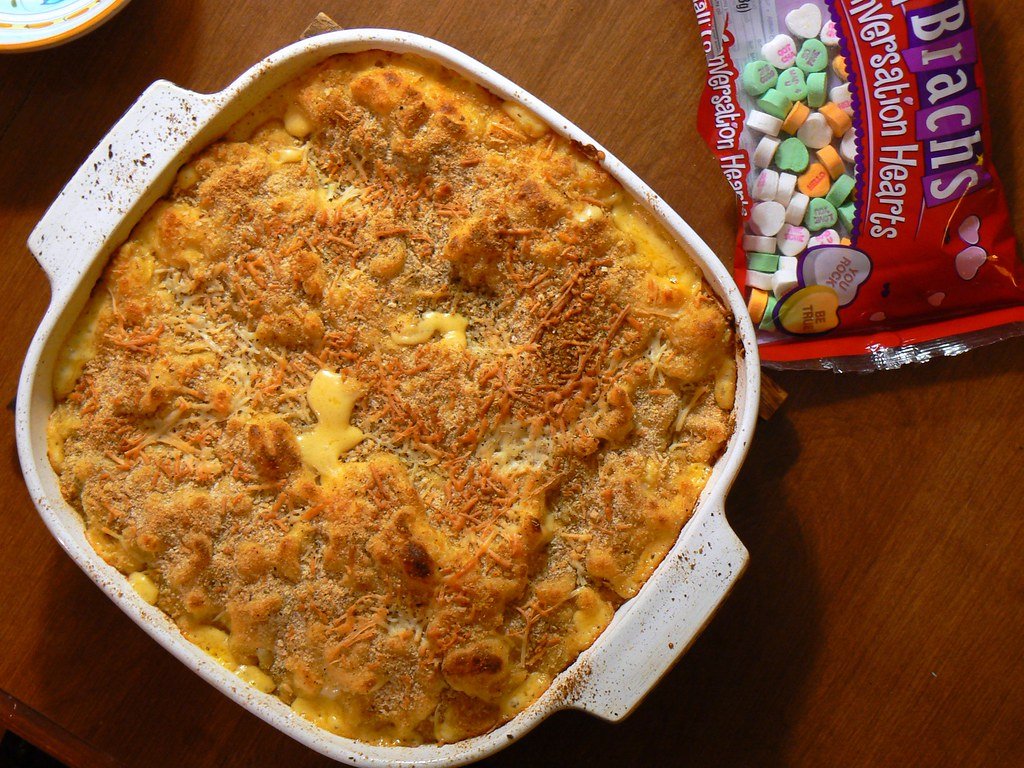
Macaroni and cheese is a dish that transcends generations, evolving from a simple homestyle meal to an impressive gourmet entry that is visually striking. The traditional version often presents a comforting golden hue, evoking nostalgia and warmth. However, culinary creativity has taken the classic formulation into new realms, promoting a shift in focus toward the aesthetics of plating and presentation. This evolution illustrates how macaroni and cheese, far from being merely a side dish, has secured its place as an elegant centerpiece in various dining contexts.
Modern culinary experts enhance the visual appeal of this beloved dish by incorporating vibrant and contrasting ingredients. For instance, the addition of roasted red peppers or spinach not only complements the creamy base but also adds an eye-catching pop of color that enhances its overall allure. Gourmet interpretations embrace artistic plating, where the macaroni is elegantly artistically swirled or topped with golden-brown breadcrumbs that shimmer under the light. These elements transform a simple bowl of macaroni and cheese into a visually appealing work of art, drawing the gaze and enhancing the anticipation of the meal.
Furthermore, garnishes such as fresh herbs or a sprinkle of chili flakes contribute not only flavor but visual interest, offering texture and color complexity. The mixture of different cheeses, such as sharp cheddar and creamy Gruyère, can also create a marbled appearance that promises a depth of flavor. As social media has influenced dining experiences, the visual storytelling of macaroni and cheese has become paramount; capturing the perfect photograph can elevate the dish into a trend, showcasing it as not just food but an experience. In this way, how macaroni and cheese is presented contributes significantly to its appeal, influencing the perception of comfort food as sophisticated dining fare.
The Appearance of Macaroni and Cheese Dishes
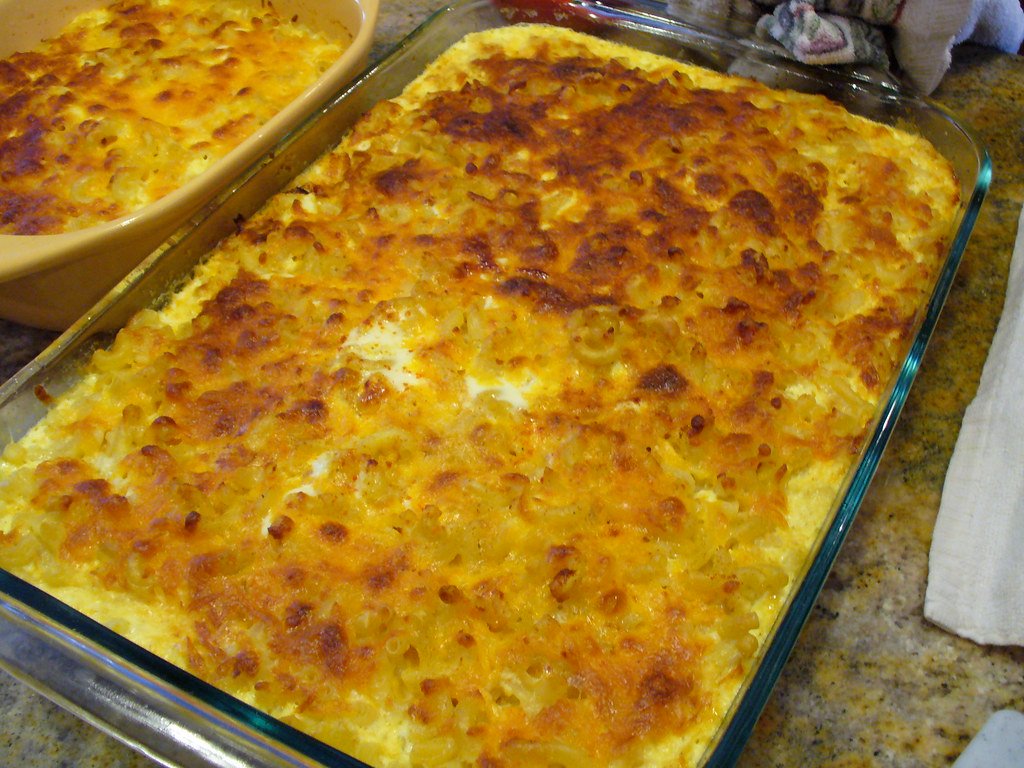
Macaroni and cheese, a beloved comfort food, exhibits a diverse range of appearances that reflect its various preparation methods and cultural influences. The most traditional form, commonly known as stovetop macaroni and cheese, typically presents a creamy, golden hue that invites diners to savor its rich flavors. This version often features small, elbow-shaped pasta coated in a velvety cheese sauce, which may vary in consistency from a smooth finish to a more textured surface, depending on the cooking style.
In contrast, baked macaroni and cheese often boasts a more rustic appearance. The top layer may be golden brown and crispy, resulting from breadcrumbs or a cheese topping that caramelizes during baking. This variation not only adds to the dish’s visual appeal but also enhances its flavor profile, providing a delightful textural contrast to the creamy pasta underneath. The choice of pasta shapes can also influence the dish’s appearance, with larger varieties, such as cavatappi or shells, offering a more substantial presentation compared to traditional elbow macaroni.
Moreover, the influence of cultural cuisines has introduced unique visual elements to macaroni and cheese across various regions. For instance, Southern-style mac and cheese often incorporates a drier, firmer texture, with slices presented in a pie-like fashion, while gourmet interpretations may elevate the dish with exotic cheeses, herbs, or additional ingredients like truffle oil. Such variations reflect local tastes and traditions, further enriching the visual experience of macaroni and cheese.
Ultimately, the appearance of macaroni and cheese has evolved significantly, with each style and regional influence contributing to its overall charm. Whether served in a casual home setting or plated elegantly in a fine dining restaurant, this dish continues to captivate culinary enthusiasts with its rich aesthetics and comforting appeal.
Plating Techniques for Macaroni and Cheese

The art of plating can transform macaroni and cheese from a humble comfort food into a gourmet dining experience. To achieve this, the selection of appropriate dishware is crucial. Whether opting for a rustic casserole dish or a sleek, modern plate, the choice should enhance the overall presentation. A shallow bowl can create a contemporary feel, while a deep dish may evoke a homey atmosphere. Each choice provides a different canvas for creativity.
Layering components thoughtfully is another essential technique. Begin by considering the texture and flavor profile of each ingredient. For instance, incorporating a crispy topping of breadcrumbs or fried onions can add an appealing contrast to the creamy pasta beneath. Similarly, incorporating mixed cheeses with varying melting qualities can enhance both the taste and texture. This strategic arrangement not only provides depth to the dish but also entices the diner’s visual senses.
Garnishing plays an important role in achieving a striking presentation as well. Fresh herbs, such as parsley or chives, can not only brighten the dish visually but also infuse additional flavor. A sprinkle of paprika or cayenne pepper can further enhance the overall aesthetic while lending a subtle kick. Moreover, the idea of creating height is instrumental in elevating the dish; consider stacking macaroni and cheese layered with sautéed vegetables or protein options like lobster or chicken for added flair.
Balancing colors is a vital aspect of plating. Incorporating colorful ingredients, such as roasted bell peppers or vibrant peas, can create a visually appealing contrast against the traditional yellow hues of the cheese sauce. Tips from seasoned chefs emphasize the importance of these plating techniques, allowing home cooks to present macaroni and cheese in a way that excites both the eyes and the palate, setting the stage for an unforgettable meal.
Macaroni and Cheese Around the World
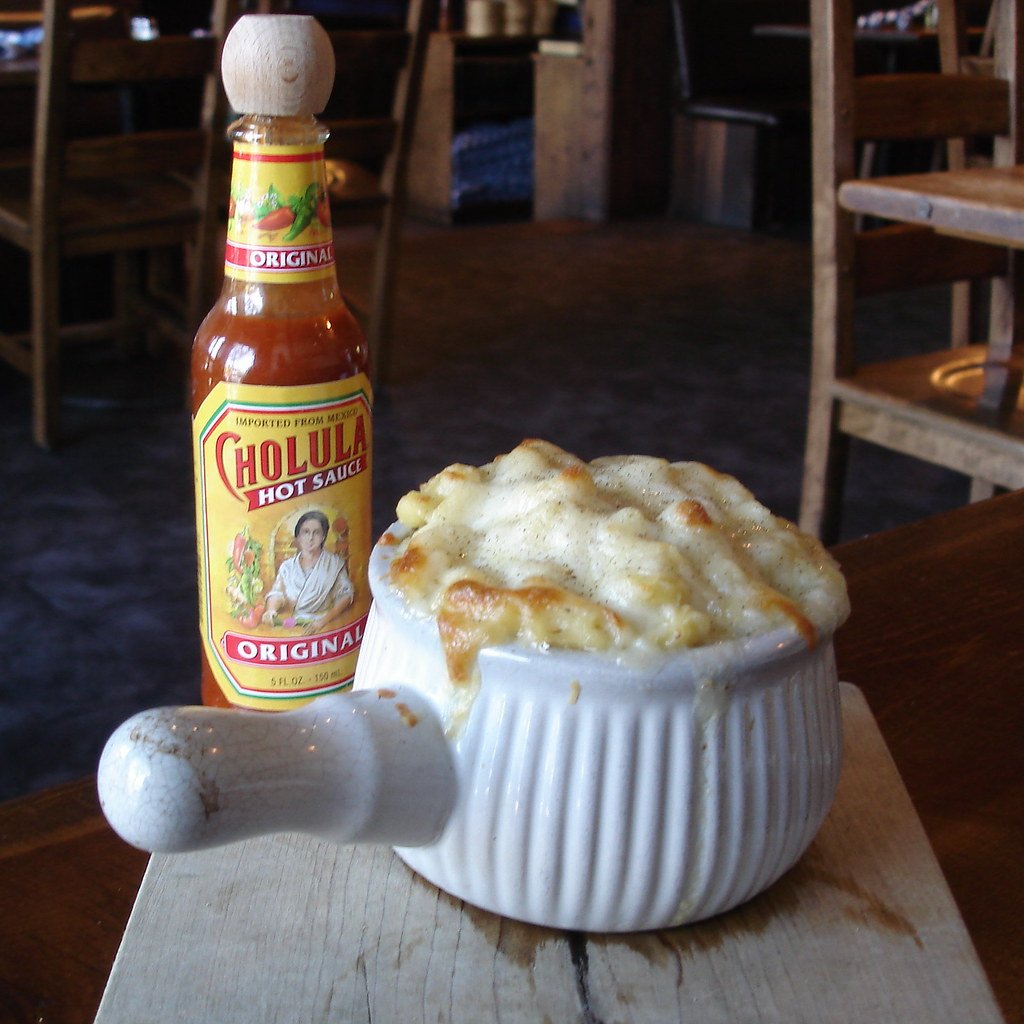
Macaroni and cheese is not merely a comfort food in the United States; it has transcended borders and assumptions to establish itself in various cultural cuisines around the globe. Each region has put its own distinctive twist on this beloved dish, proving that macaroni and cheese can adapt to local tastes and available ingredients. In Italy, for instance, you will find a delicious variation known as maccheroni al formaggio. This traditional dish is often made with creamy béchamel sauce and a blend of regional cheeses, showcasing Italy’s rich dairy heritage.
Moving to the United Kingdom, macaroni and cheese takes on yet another form, often topped with a crunchy layer of breadcrumbs. This British version not only serves to enhance the dish’s texture but also introduces an element of heartiness that reflects the traditional British palate. The use of strong cheeses, such as Cheddar, further reinforces the dish’s status as a staple in British cuisine.
In the Southern United States, macaroni and cheese varies widely, often characterized by its rich, creamy texture and a kick of spice. Many Southern recipes incorporate ingredients such as jalapeños or a variety of cheeses like Pepper Jack, adding depth and warmth to this comfort food. This adaptation illustrates how local flavor profiles influence the classic macaroni and cheese dish, creating a culinary experience that is distinctly Southern.
Around the world, macaroni and cheese serves as a canvas for creativity, inviting chefs and home cooks alike to experiment with flavors, textures, and local ingredients. From the simplicity of Italian traditions to the heartiness of American variations, each interpretation of macaroni and cheese harmoniously reflects the culinary values and tastes of its culture. This global perspective not only elevates the dish but also connects diverse communities through a shared love for comforting, delicious food.
Conclusion: The Enduring Appeal of Macaroni and Cheese
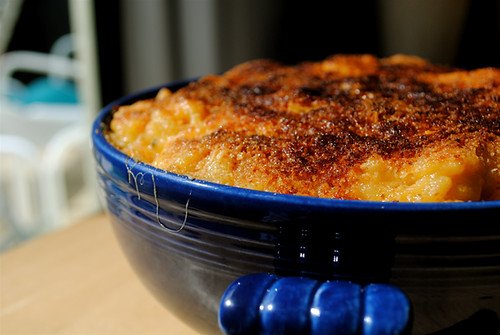
Macaroni and cheese stands as a testament to the timeless allure of comfort food. Its rich legacy is woven into the fabric of many cultures, celebrated for its simplicity and versatility. This beloved dish transcends generations, offering warmth and nostalgia that resonate with countless individuals. As explored throughout this blog post, macaroni and cheese embodies more than just a meal; it serves as a canvas for culinary creativity, inviting chefs and home cooks alike to express their unique tastes.
The key themes surrounding macaroni and cheese emphasize its cultural significance and the diverse flavors it can encapsulate. From the classic cheddar variations to gourmet adaptations featuring truffle oil or lobster, the dish is a versatile staple that invites exploration and innovation. The visual appeal of macaroni and cheese, with its golden, bubbly crust and creamy interior, ignites cravings and enhances the dining experience, earning its place at the center of kitchen tables around the world.
Looking toward the future, it is exciting to consider how macaroni and cheese may continue to evolve. As culinary trends shift and new ingredients emerge, the potential for reinvention is endless. Chefs are likely to experiment with new cuisines, incorporating spices and flavors from around the globe, ensuring that this cherished dish remains relevant and appealing. In encouraging readers to delve into their interpretations of macaroni and cheese, we celebrate the enduring nature of comfort food. Each personal recipe reflects a story, a taste, or a tradition that connects us to one another and to the past.
Ultimately, macaroni and cheese is more than sustenance; it represents a shared experience, a source of comfort, and an invitation to innovate. Its enduring appeal will undoubtedly ensure its place in kitchens and hearts alike for generations to come.