
Introduction to Pastitsio
Pastitsio is a cherished culinary staple within Greek cuisine, often celebrated for its comforting layers and rich flavors. This baked pasta dish offers a delightful combination of textures, brought together through a harmonious blend of ingredients. Traditionally, pastitsio is made with long tubes of pasta, usually bucatini or similar, which serve as the base of the dish. The pasta is layered with a flavorful meat sauce, typically composed of ground beef or lamb, simmered with tomatoes, onions, and a variety of spices that add depth to its taste profile.
One of the defining characteristics of pastitsio is its creamy béchamel sauce, which crowns the dish. This velvety sauce, made from a mixture of flour, butter, milk, and egg, not only enhances the overall flavor but also binds the layers together, creating a satisfying and cohesive meal. The rich béchamel contrasts beautifully with the savory meat sauce and the al dente pasta, making every bite a comforting experience.
While pastitsio is often associated with Greek festivities and gatherings, its versatility allows it to be enjoyed in various settings, from family dinners to special occasions. Its ability to serve a crowd efficiently contributes to its popularity among home cooks and restaurant chefs alike. The dish is baked until golden brown, resulting in a delectable crust that invites one to indulge further.
This introduction serves merely as a prelude to the extensive exploration of pastitsio, where we will delve into its historical roots, regional variations, and cooking techniques, celebrating its essential role in Greek gastronomic tradition. Through this comprehensive review, readers will gain insight into why pastitsio remains a beloved choice for many, transcending borders and bringing people together around the dinner table.
Historical Background and Origin
Pastitsio, a beloved dish in modern Greek cuisine, possesses a rich history that traces back to ancient Greece. This remarkable culinary creation exemplifies the diverse influences that various cultures have contributed over the centuries. The essence of pastitsio is a baked pasta dish, typically layered with a meat sauce and béchamel, reminiscent of lasagna, yet distinctly Greek in flavor and presentation.
The origins of pastitsio can be linked to the Ancient Greeks, who were known for their elaborate meals and sophisticated dining practices. Pasta, in its earliest forms, became a staple in many Mediterranean diets, setting the groundwork for dishes like pastitsio. However, it wasn’t until the influence of the Romans that the layering style similar to lasagna became prevalent. As Athens flourished, recipes were evolving, and the introduction of a meat sauce along with the layering technique began to define the unique characteristics of pastitsio.
During the Ottoman Empire’s reign over Greece, their culinary traditions significantly impacted Greek cuisine. Ingredients such as cinnamon and nutmeg, which are frequently used in pastitsio today, were likely introduced during this period. The method of slow-cooking the meat sauce lent a depth of flavor that is vital to the overall taste of pastitsio. The Italian influence cannot be overlooked either, as similar dishes emerged in Southern Italy, showcasing pasta in layered constructions. This interplay of flavors and techniques ultimately helped shape the pastitsio we know today.
Throughout the years, pastitsio has evolved, reflecting the dynamic nature of Greek cooking while maintaining its roots. This delightful dish serves not only as a representation of Greek culinary innovation but also as a testament to the fusion of cultures that have enriched it along the way. As pastitsio continues to be cherished in households and restaurants alike, its history remains a fascinating journey through time.
Cultural Significance of Pastitsio
Pastitsio, a beloved Greek dish, holds a prominent place in the culinary and cultural landscape of Greece. Its layered composition, combining pasta, meat, and béchamel sauce, reflects the intricate tapestry of Greek history and tradition. Often described as a comfort food, pastitsio is not merely a meal; it represents a symbol of hospitality and connection within families and communities.
This dish is frequently served during significant family gatherings and festive celebrations, such as weddings and religious holidays. The preparation of pastitsio is often a communal activity, where family members come together to collaborate in the kitchen, reinforcing familial bonds. The shared experience of cooking and enjoying pastitsio amplifies its significance, as it represents warmth, comfort, and generosity—values that are deeply embedded in Greek culture.
Moreover, pastitsio is often depicted in Greek literature and art, showcasing its enduring relevance throughout history. In stories and poems, the dish is a motif associated with feasting and abundance, embodying the joy of shared meals. Artistic representations of pastitsio not only highlight its aesthetic appeal but also serve to illustrate the cultural importance of food as a means of expression and connection.
The dish transcends geographical boundaries, as Greeks from different regions personalize pastitsio with unique ingredients and variations, enriching its culinary legacy. This adaptability contributes to pastitsio’s strength as a symbol of cultural identity and unity among Greeks worldwide. As a cherished staple in both domestic and public festivities, pastitsio stands as a testament to the enduring traditions of Greek society, representing the essential values of togetherness, hospitality, and cultural pride.
Unique Flavors and Aromas
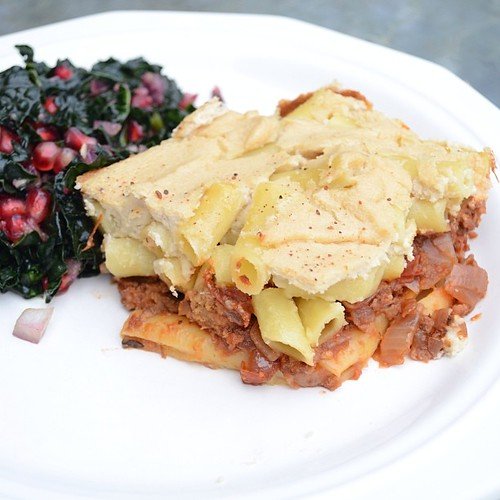
Pastitsio, a quintessential dish of Greek cuisine, is celebrated for its remarkable combination of flavors and enticing aromas. The core of pastitsio lies in its rich meat sauce, where various spices and herbs harmoniously come together to create a distinctive taste profile. A standout feature of the meat sauce is the use of ground meat, typically beef or lamb, which is enhanced by aromatic additions such as cinnamon and nutmeg. These spices not only elevate the dish but also offer a comforting warmth that lingers in the palate.
Cinnamon, often associated with sweet dishes, brings an unexpected twist when integrated into the savory realm of pastitsio. Its warm and slightly sweet notes interact beautifully with the savory meat, adding a layer of complexity that captivates the senses. Nutmeg, on the other hand, provides an earthy undertone, infusing the sauce with a spicy richness that deepens the overall flavor experience. Together, these ingredients create a bold yet familiar taste that is both comforting and inviting.
In addition to the spices, the incorporation of finely chopped onions, garlic, and tomatoes plays a pivotal role in shaping the flavor profile of pastitsio. The sautéing of these base ingredients enriches the sauce with a depth of flavor, while fresh herbs like oregano and parsley add brightness and freshness. The combination of these elements results in a well-rounded dish that showcases the culinary tradition of Greece, where the use of herbs and spices is a hallmark of its gastronomy.
The layered structure of pastitsio, built with pasta, meat sauce, and béchamel, allows these diverse flavors to meld, ensuring that every bite delivers a unique tasting experience. Each layer contributes to a collective aroma that fills the kitchen during cooking, enticing those nearby with its warm, savory scent. Ultimately, pastitsio offers a culinary journey with each forkful, highlighting the beauty of Greek cuisine through its unique flavors and aromas.
Textures of Pastitsio
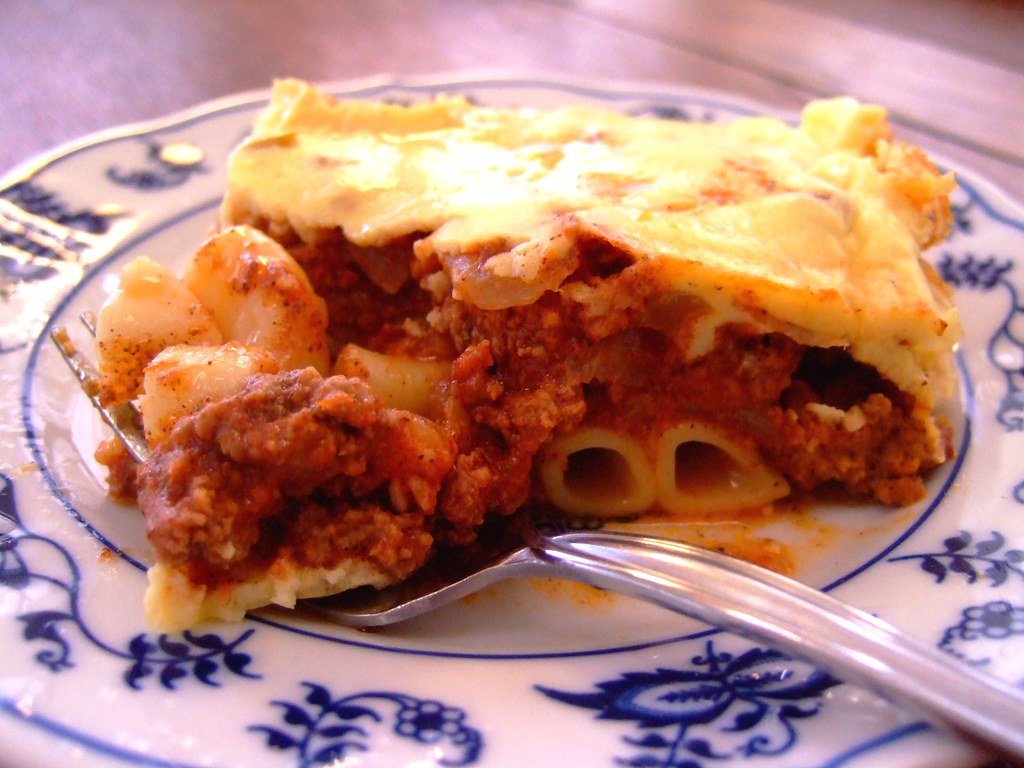
Pastitsio is a dish that captivates not only with its rich flavors but also with its delightful array of textures. At the heart of this Greek culinary staple lies the soft layers of pasta, which serve as the foundation for this intricate dish. Traditionally, pastitsio features a tubular pasta, such as bucatini or ziti, cooked to a perfect al dente. This softness provides an inviting contrast to the denser components layered within, establishing a harmonious base that supports the overall structural integrity of the dish.
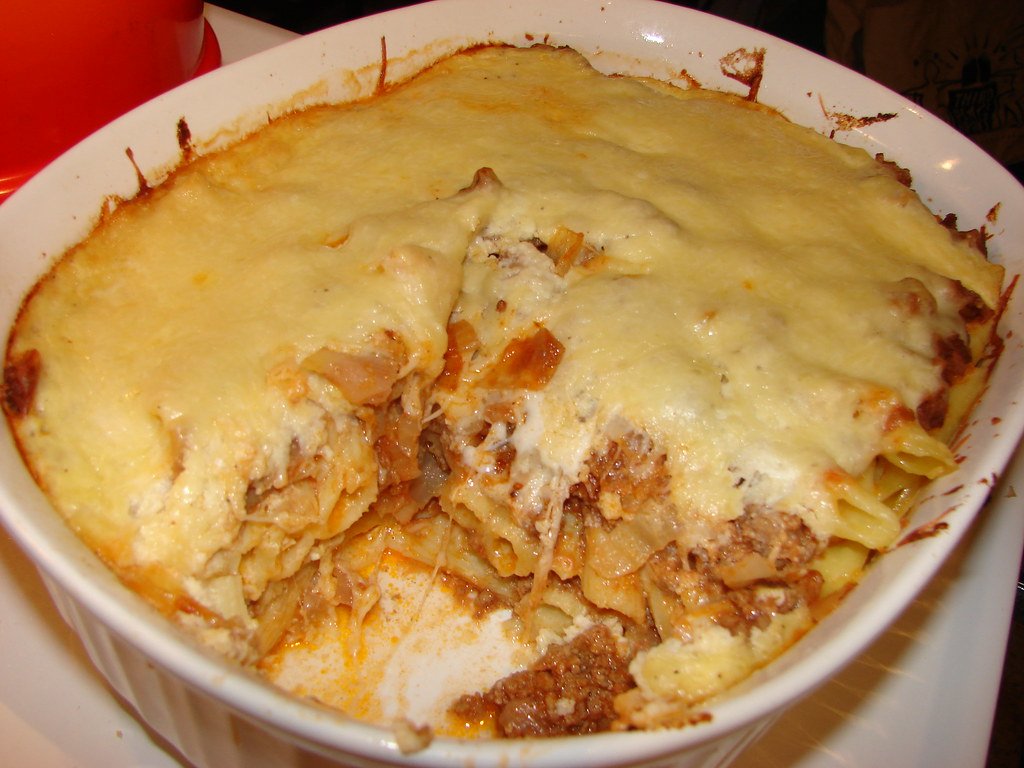
Complementing the pasta is the creamy béchamel sauce, a hallmark of pastitsio that adds a luxurious texture. The sauce is made from a roux of butter and flour, combined with milk and seasoned to perfection. When baked, the béchamel develops a slight crust that enhances the eating experience, while its silky smoothness envelops the pasta and meat filling. This creaminess does not merely contribute a rich flavor; it also bridges the gap between the softer pasta and the more substantial meat layers, creating a satisfying mouthfeel with each bite.
The hearty ground meat filling is another vital texture component of pastitsio. Typically prepared with beef or lamb, the filling is seasoned and simmered to bring out its robust flavors. This savory mixture introduces a chewy, slightly coarse texture that contrasts with the softer elements of the dish, offering a substantial bite that is both filling and flavorful. The combination of the tender pasta, velvety béchamel, and hearty meat culminates in a textured tapestry that satisfies various palates.
In summary, the interplay of soft, creamy, and hearty textures in pastitsio elevates the overall eating experience, making it not just a meal but a memorable culinary journey. The thoughtful layering of these different textures stimulates the senses, ensuring that each forkful is as pleasurable as the last.
Visual Appeal and Plating
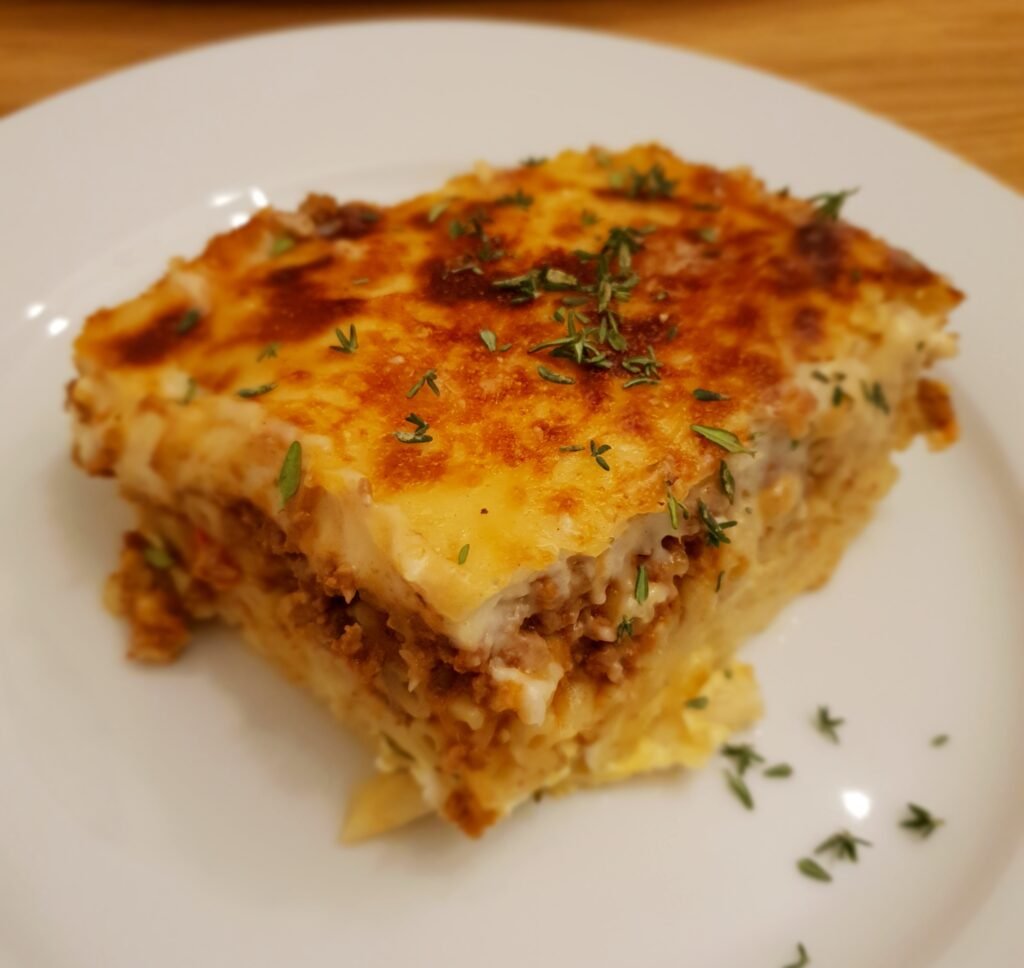
Pastitsio is a Greek dish renowned not only for its rich flavors but also for its striking visual presentation. The dish is characterized by vibrant layers, combining tan, creamy béchamel sauce, golden-brown baked pasta, and can include a variety of colorful ingredients like ground meat and aromatic herbs. This interplay of colors not only stimulates the palate but creates an inviting sight that beckons diners to indulge.
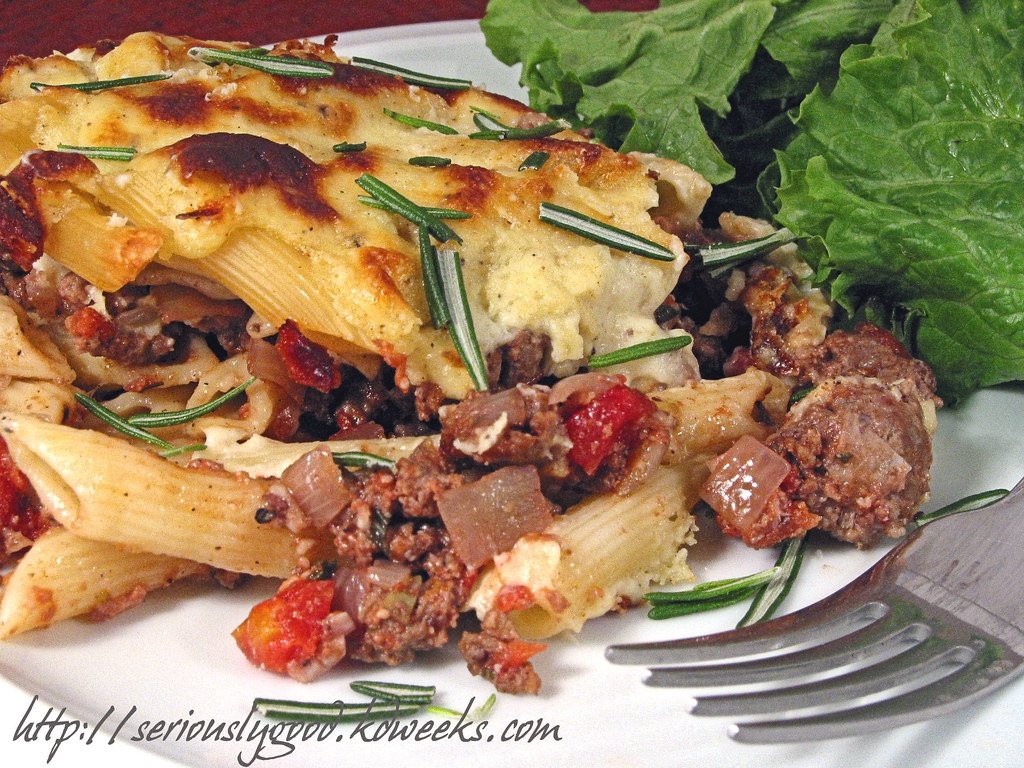
The traditional way pastitsio is prepared involves meticulous layering. At the base, one often finds a hearty meat sauce, typically made from ground beef or lamb, mixed with tomatoes and spices that add depth and warmth. This layer is crucial as it serves as the foundation for the subsequent pasta layer, usually tubular pasta such as bucatini or penne. On top, a generous spread of béchamel sauce, often enriched with cheese, creates a creamy and luscious consistency that contrasts beautifully with the textures beneath it. When baked, the béchamel forms a delicate golden crust that further enhances the dish’s overall aesthetic.
To achieve an impressive plating of pastitsio, it is essential to consider presentation techniques. A well-executed slice should reveal the distinct layers, showcasing the vibrant colors and textures. Using a sharp knife, one can create clean cuts that define each layer, which can be displayed on a contrasting colored plate to accentuate the visual appeal of the dish. Additionally, garnishing with fresh herbs, such as parsley or oregano, not only adds a pop of green but also infuses a fresh aroma that appeals to the senses. The careful arrangement of these elements transforms pastitsio into an artistic culinary masterpiece.
In conclusion, the visual aspects of pastitsio are integral to its appeal. The vibrant layers and thoughtful plating techniques transform this traditional dish into a captivating experience that delights both the eyes and the palate.
Serving and Pairing Suggestions
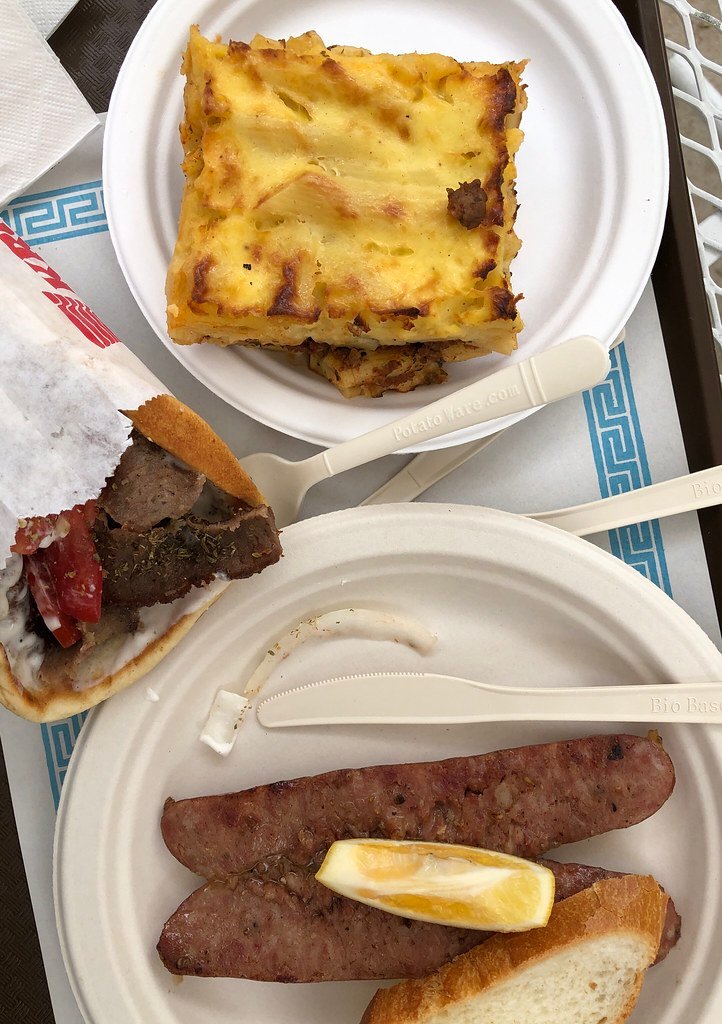
When it comes to serving pastitsio, presentation is key. This iconic Greek dish, characterized by its layers of pasta, meat sauce, and creamy béchamel, is best served warm and in generous portions, typically around one to one-and-a-half cups per serving. Pastitsio can be plated elegantly, with a sprinkle of freshly grated Parmesan on top, enhancing both its aesthetic appeal and flavor profile.
Considering the hearty nature of pastitsio, it is often paired with lighter, refreshing accompaniments that provide a balance to the dish. Traditional Greek salad, featuring ripe tomatoes, cucumbers, olives, and feta cheese, makes an excellent side. The acidity from the salad cuts through the richness of the béchamel sauce, making each bite more enjoyable. Another great option is a side of roasted vegetables, which can add a colorful presentation and earthy flavors that complement pastitsio beautifully.
To elevate the dining experience further, selecting the right beverage pairings is essential. A crisp, dry white wine such as Assyrtiko or a light red wine like Agiorgitiko can enhance the flavors of the dish while refreshing the palate between bites. If wine is not preferred, a traditional Greek beverage such as Ouzo, served chilled, can also complement pastitsio effectively. Alternatively, sparkling water with lemon or a light herbal tea can provide a refreshing contrast to the dish’s richness.
In sum, when serving pastitsio, focusing on balanced portion sizes and harmonious pairings can truly enhance the overall experience. Whichever accompaniments and beverages are chosen, ensuring they complement the unique flavors of this beloved dish will undoubtedly delight both family and guests.
Variations of Pastitsio Around the World
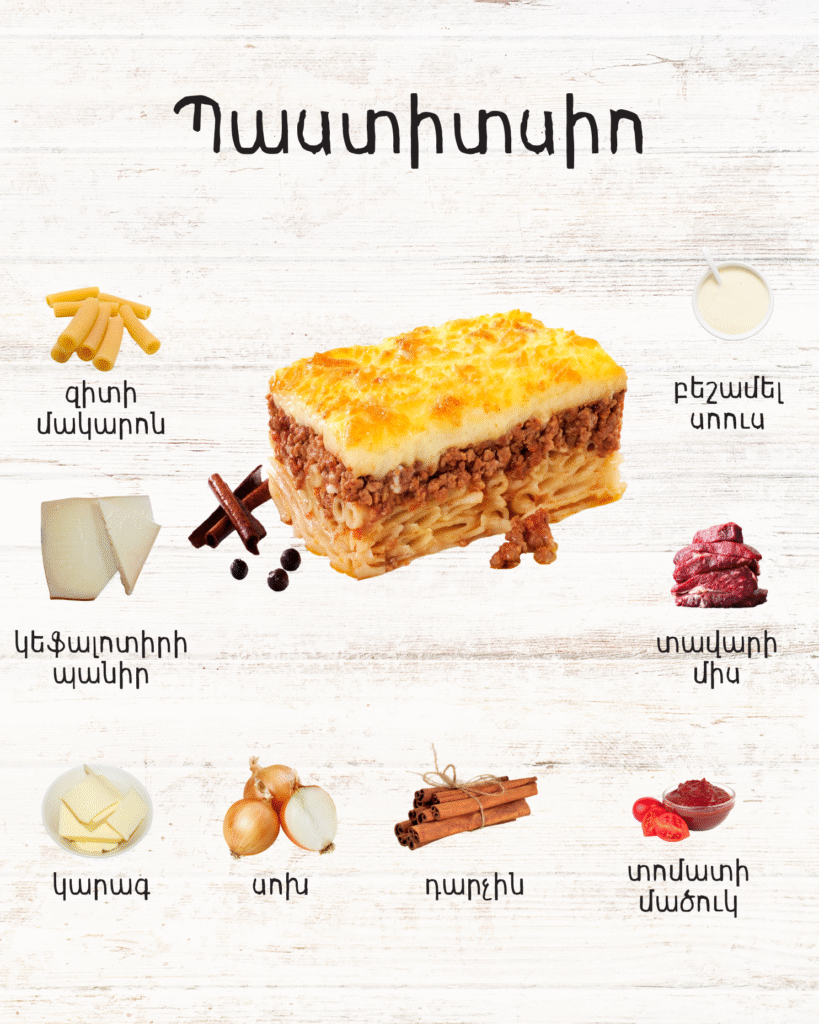
Pastitsio, a traditional Greek dish, has earned recognition far beyond its homeland, inspiring numerous regional adaptations that reflect local culinary traditions and tastes. While the classic preparation features pasta, meat, and béchamel sauce, various cultures have embraced the essence of pastitsio, adding their unique ingredients and cooking methods.
In Greece, pastitsio is often defined by its use of tubular pasta, such as bucatini or penne, combined with a spiced minced meat filling typically sourced from beef or lamb. However, regional variations emerge when one considers the distinct flavor profiles across the different Greek islands. On the island of Crete, for example, pastitsio may incorporate locally sourced cheeses, such as graviera or feta, for a richer taste. Alternatively, some Cretan versions feature a blend of herbs and spices like cinnamon and nutmeg, giving the dish a distinctive aroma.
Beyond Greece, pastitsio’s influence has reached various Mediterranean regions, each contributing its personal touch. In Egypt, pastitsio often employs a layer of macaroni topped with ground beef and sometimes incorporates an eggplant layer, showcasing the country’s preference for this commonly used vegetable. Similarly, in the Lebanese variation, the dish is typically enriched with aromatic spices, including allspice and cardamom, while still maintaining the familiar béchamel topping.
In countries such as Turkey, pastitsio is similarly beloved, yet adjustments in the meat-to-pasta ratio along with the addition of local spices can alter the final product. Furthermore, there are more modern interpretations of pastitsio that experiment with gluten-free pasta or even vegetable layers for those adhering to a plant-based diet. Through these adaptations, pastitsio has proven to be versatile, appealing to a wide range of tastes and cultural preferences, establishing itself as a cherished dish around the globe.
Conclusion: The Enduring Appeal of Pastitsio
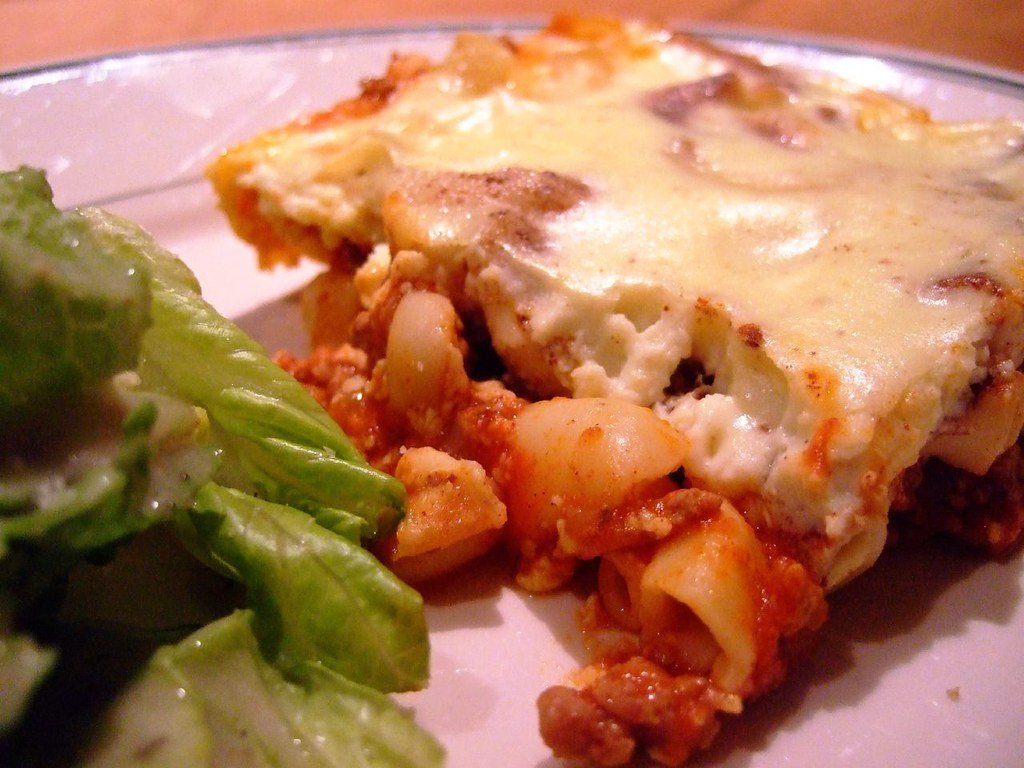
In the exploration of pastitsio, we have delved into its rich history, intricate preparation methods, and the cultural significance it holds within Greek cuisine. This dish, often described as a Greek lasagna, is a harmonious blend of layers featuring pasta, minced meat, and a creamy béchamel sauce. Such a combination of textures and flavors not only creates a satisfying meal but also showcases the artistry involved in Greek cooking.
Throughout our discussion, we highlighted how pastitsio has transcended regional boundaries, appealing to palates beyond Greece. Its adaptability and heartiness have made it a staple at both casual family gatherings and festive occasions, solidifying its role in the culinary landscape. The use of aromatic spices and the careful layering of ingredients illustrate an enduring culinary tradition that continues to be cherished in households worldwide.
Moreover, pastitsio serves as a testament to the importance of food in cultural identity. Through this dish, families can pass down cherished recipes that symbolize comfort and belonging. The communal aspect of sharing a meal of pastitsio fosters connections not only within communities but also amongst individuals who celebrate the joys of diverse culinary practices. The dish invites everyone to partake in the rich flavors of Greek heritage.
As we conclude this exploration, it is clear that pastitsio is more than just a meal; it represents a connection to history, tradition, and the love of food. For those who have yet to experience this dish, we encourage you to either create it in your kitchen or seek it out at a local restaurant. Taste the layers of this iconic dish and appreciate the culinary journey that pastitsio offers to all who indulge in it.