
Introduction to Choripan
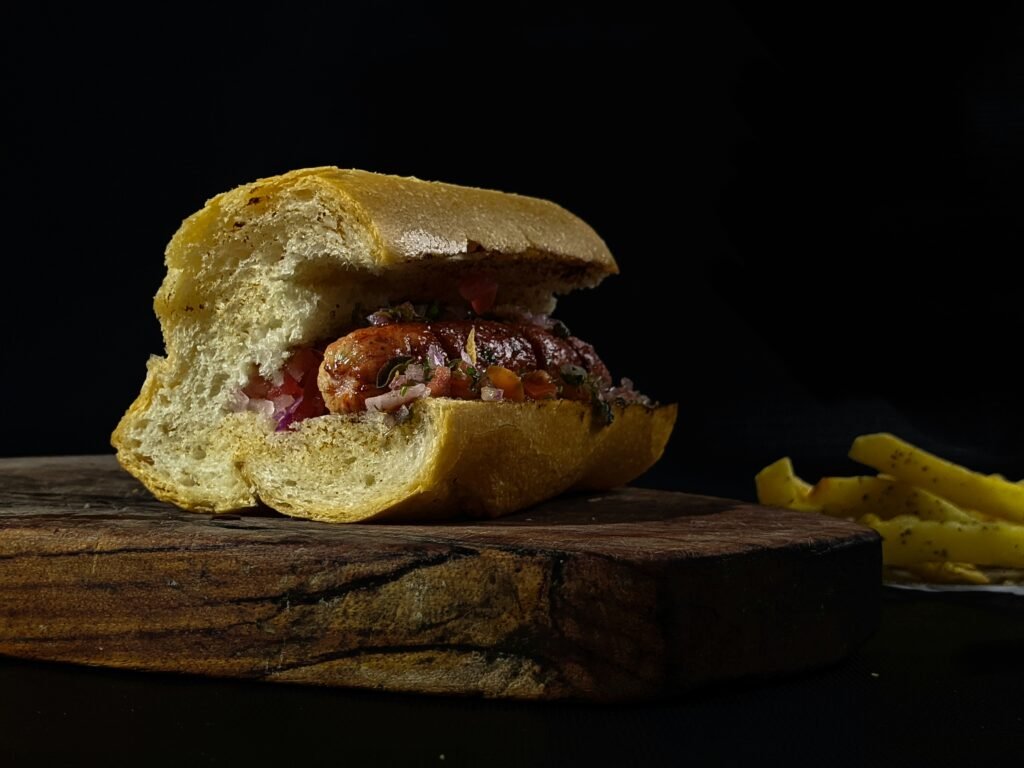
Choripan, a popular delicacy in Argentine cuisine, is a street food staple that captures the essence of the country’s culinary traditions. The name derives from the combination of “chorizo,” a type of spiced sausage, and “pan,” meaning bread. This simple yet flavorful dish features grilled chorizo placed within a crusty roll, offering a delightful contrast of textures and tastes. The preparation of choripan is often straightforward, focusing on the quality of the ingredients and the technique of grilling the sausage to perfection.
In Argentina, choripan is not merely a meal; it is a cultural icon frequently enjoyed at barbecues, street fairs, and football matches. The preparation of this dish often involves a communal celebration, known as a “asado,” where families and friends gather around a barbecue grill. At such gatherings, the aroma of sizzling chorizo fills the air, inspiring a warm and inviting atmosphere that brings individuals together over the shared enjoyment of food. The experience of consuming choripan is further enhanced by the variety of condiments available, including chimichurri, a tangy sauce made from parsley, garlic, vinegar, and oil, which adds an extra layer of flavor to the dish.
Choripan is highly regarded not only for its satisfying taste but also as an affordable option for individuals from various socio-economic backgrounds. Its convenience and savory profile make it an accessible choice for anyone seeking a quick and delicious meal. As a cherished street food, choripan reflects Argentine culture’s vibrant culinary landscape, showcasing how traditional dishes can be both simple and deeply meaningful. The popularity of choripan continues to grow, transcending borders, making it appreciated not only in Argentina but also in many other parts of the world. By exploring the heart of this beloved dish, one can truly appreciate its role and significance in the world of food.
Historical Origins of Choripan

The choripan, a beloved street food in Argentina, has a rich history that reflects the country’s diverse culinary influences. Its origins can be traced back to the traditional Argentine barbecue, known as asado, which has been a central aspect of Argentine culture since colonial times. Asado typically features various cuts of beef cooked on a grill, or parrilla, and has been influenced by both indigenous and Spanish cooking techniques. The introduction of choripan came about as a convenient way to serve the delicious flavors of asado in a portable format, making it accessible for street vendors and the general populace.
The combination of chorizo, a type of pork sausage, and pan, the Spanish word for bread, symbolizes the melding of cultures. Indigenous peoples of Argentina, known for their grilling practices, utilized available ingredients to create hearty meals. Spanish settlers brought their own culinary traditions, including charcuterie, leading to the creation of the chorizo sausage that is now a staple in choripan. Over time, the practice of grilling chorizo over open flames paired with crusty bread turned choripan into a unique gastronomic delicacy.
The evolution of choripan from a simple street food to a gastronomic delight can also be attributed to regional variations and the creativity of street vendors. Different provinces of Argentina feature unique styles of choripan, often served with various condiments and toppings, such as chimichurri or spicy sauces, enhancing its flavor profile. This adaptability has contributed to choripan’s enduring popularity across the nation, making it a quintessential component of Argentine street culture. Recognition and appreciation for its historical significance continue to grow as more people around the world seek to understand the culinary heritage of Argentina and its beloved choripan.
Cultural Significance of Choripan
Choripan, a delightful culinary creation originating from Argentina, holds a prominent place in the social fabric of Argentine society. Beyond its status as a simple food item, choripan serves as a symbol of connection, tradition, and celebration among the people. This dish, which consists of chorizo sausage served in a crusty bread roll, is not merely a meal; it embodies the essence of communal gatherings and represents the Argentine way of life.
The choripan’s cultural importance is notably evident during sporting events, particularly football matches, where it is commonly found at food stalls outside stadiums. It has become an essential feature of the matchday experience, uniting fans as they indulge in this flavorful treat. The anticipation of enjoying choripan before or after the game forges bonds among supporters and creates shared memories that are cherished. Chorizo served with chimichurri sauce, a quintessential condiment, enhances the experience, exemplifying the integration of food and sporting culture in Argentina.
Moreover, choripan is often a star attraction at gatherings such as barbecues, known locally as asados. These social events typically bring together friends and family, where the sizzle of the grill and the aroma of cooking chorizo fill the air, fostering camaraderie and warmth. In this aspect, choripan transcends its role as mere sustenance, becoming an integral part of bonding and discussion among participants.
As a staple of local culinary traditions, choripan also reflects the rich cultural identity of Argentina. Its simple yet delicious nature showcases the country’s affinity for vibrant flavors and communal dining experiences. Thus, choripan is not only a meal; it is a tradition that continues to thrive, representing the Argentine spirit and reinforcing social ties across generations.
Unique Flavors and Textures

Choripan is a celebrated street food originating from Argentina, and its unique flavors and textures contribute significantly to its acclaim. At the heart of this dish is the chorizo, a type of sausage made from minced pork or beef, which is seasoned with a variety of spices. The savory profile of the chorizo is characterized by its rich, smoky flavor, imparted primarily by paprika and garlic. When grilled to perfection, the chorizo develops a crispy exterior that contrasts beautifully with its juicy and tender interior. This balance of textures plays a pivotal role in creating an enjoyable culinary experience, as the first bite yields a satisfying crunch that gives way to the succulent meat inside.
Accompanying the chorizo is the bread, typically a crusty baguette or a soft roll. The bread serves not only as a vessel for the sausage but also adds its own unique texture to the dish. The outer crust of the bread is often toasted to ensure a delightful crunch, while the inside remains soft and flavorful, allowing it to capture the juices of the chorizo. This combination creates a delightful mouthfeel that enhances the overall enjoyment of the choripan.
Furthermore, the experience of consuming choripan is often elevated by the variety of accompanying sauces, with chimichurri being the most prevalent. This vibrant green sauce, made from parsley, garlic, vinegar, and olive oil, adds a fresh and zesty contrast to the richness of the chorizo. The addition of different sauces can range from tangy to spicy, allowing consumers to customize their choripan experience according to personal preferences. The interplay of flavors and textures—from the spiced chorizo to the crisp bread and varied sauces—ensures that each bite of choripan is a delightful exploration of taste. In conclusion, the unique combination of flavors and textures makes choripan a standout experience in the realm of street food.
Visual Appeal of Choripan Dishes

The visual aspects of choripan serve as a significant contributor to its allure, engaging the senses even before the first bite. This traditional Argentine dish, consisting of chorizo served in crusty bread, captivates diners with a vibrant palette that embodies the essence of Argentine cuisine. The chorizo itself is a star in this presentation; its rich, reddish tones signify the flavorful spices and seasonings at play. The richness of the sausage radiates warmth, inviting observers to savor its robust qualities.
The rustic appearance of the bread is equally noteworthy, as it creates a pleasing contrast with the bold colors of the chorizo. Typically, the bread is lightly toasted, providing an appealing golden-brown crust that enhances texture as well as visual interest. This combination of crispy exterior and soft interior not only showcases culinary technique but also adds to the overall enjoyment of the dish.
In essence, choripan transcends being a mere meal, morphing into a captivating culinary experience that delights the eyes. Its thoughtful composition, showcasing the interplay of color, texture, and rustic charm, embodies the spirit of Argentine street food, inviting individuals to partake in this feast of both palate and senses.
Plating and Presentation Styles

The choripan, a beloved South American street food, is not only celebrated for its delicious flavors, but also for the diverse ways it can be plated and presented. From street vendors to upscale restaurants, the presentation of choripan can greatly enhance the overall dining experience. At casual food stalls, the simplicity of the presentation often emphasizes the authenticity of the dish. Typically served on a paper plate or in a rustic bun, choripan at this level is often accompanied by a selection of condiments, such as chimichurri or salsa criolla. This straightforward approach captures the essence of the traditional Argentine experience, allowing diners to focus on the robust flavors of the grilled chorizo combined with fresh toppings.
In contrast, gourmet versions of choripan found in upscale restaurants often adopt more creative and refined plating techniques. These may involve artful arrangements of the ingredients, such as neatly sliced chorizo presented atop artisan bread, garnished with microgreens or edible flowers. Such presentation not only showcases the chef’s artistry but also elevates the dish into a culinary masterpiece. The use of high-quality ingredients, combined with innovative presentation styles, can transform choripan into an appealing dish that pleases both the eye and palate.
Additionally, serving choripan on elegant dishware or incorporating unique serving vessels can become part of the overall experience. For instance, using wooden or slate boards can invoke a rustic charm while still maintaining an upscale feel. This creative aspect of plating encourages diners to appreciate the harmony between the visual and taste aspects of the dish. Therefore, regardless of whether it’s served casually or in a high-end establishment, the plating and presentation styles of choripan truly play a crucial role in enriching this delightful culinary experience.
Customizations and Variations of Choripan
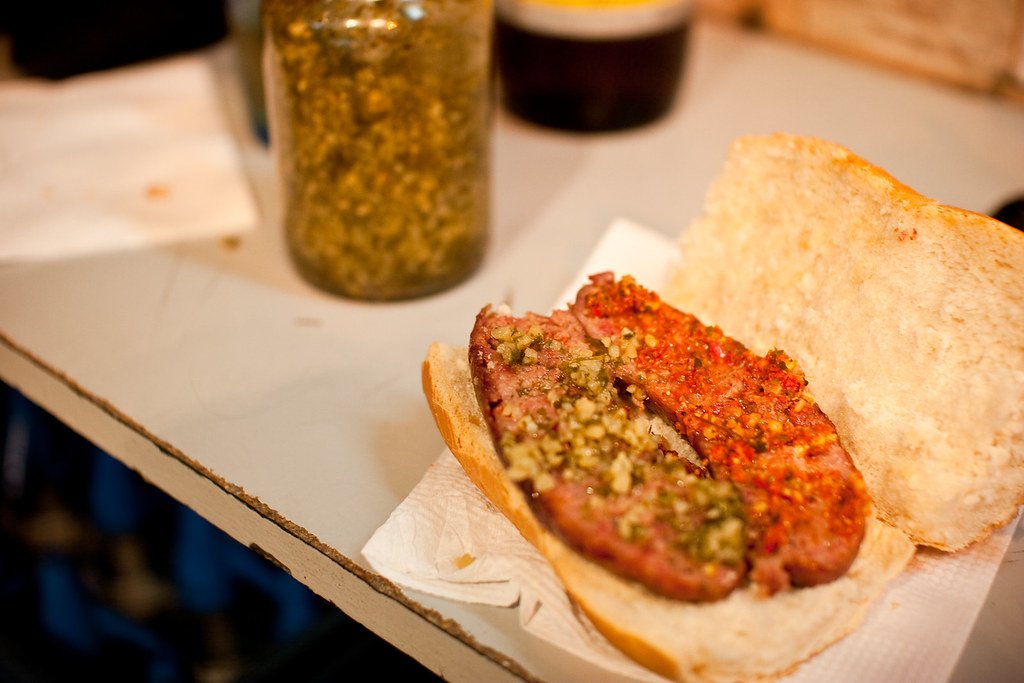
Choripan, the beloved South American sandwich, exhibits remarkable versatility when it comes to customizations and variations. The primary element of choripan is, of course, the chorizo, which serves as the foundational protein. While traditional choripan utilizes a classic Argentinian chorizo, different regions might offer their own interpretations. For instance, in some locales, a spicy chorizo variant might be favored, lending a more piquant flavor profile. Alternatively, one may encounter the use of chicken or even vegan chorizo, appealing to diverse dietary preferences.
The bread selection is equally important in the choripan experience. While a crusty baguette or traditional loaf is often utilized, other bread options such as ciabatta or even gluten-free alternatives can add unique twists to this dish. The choice of bread significantly alters the mouthfeel, creating an opportunity for each region to put its distinctive spin on the choripan.
Toppings are where the customization of choripan truly shines. One might opt for the classic chimichurri sauce, which comprises parsley, garlic, vinegar, and oil; this vibrant sauce enhances the richness of the chorizo beautifully. In contrast, some locales offer variations featuring avocado, sautéed onions, or pickled vegetables, each adding their own dimension to this dynamic sandwich. Additionally, the use of various cheeses, such as provolone or mozzarella, can elevate the choripan to form a delightful cheesy indulgence that appeals to many tastes.
Furthermore, the regional adaptability of choripan reflects local culinary customs. For example, in certain South American countries, including Uruguay, choripan can be found with unique sauces and garnishes that reflect the local palate. Ultimately, the array of customizations and variations present in choripan not only showcases the dish’s fundamental appeal but also its ability to cater to a wide spectrum of tastes and preferences, making each choripan a unique culinary experience.
Where to Find the Best Choripan
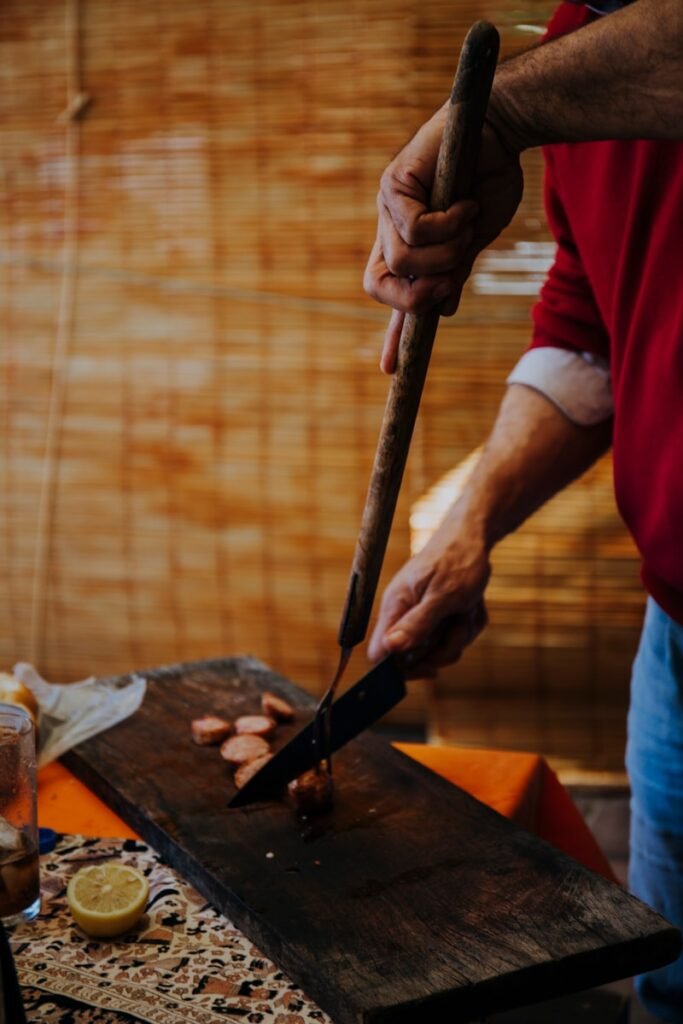
Choripan, a beloved Argentine street food delicacy, can be found in various locations across Argentina, as well as in other South American countries where Argentine influence prevails. To enjoy the best choripan, it’s essential to seek out establishments that prioritize quality ingredients and traditional preparation methods. Street vendors are often the first place to explore, as these small stalls serve freshly grilled choripanes that capture the true essence of this iconic dish.
In Buenos Aires, neighborhoods like San Telmo and Palermo are renowned for their vibrant street scenes and reputable choripan vendors. Look for food stalls where the aroma of sizzling chorizo fills the air, and always choose those that showcase an open grill where you can observe the cooking process. Popular vendors, such as “Choripan de San Telmo,” pride themselves on using locally sourced chorizo and homemade chimichurri, ensuring an authentic experience.
For a more sit-down experience, consider visiting specialized restaurants such as “La Choripanería” or “El Caminito,” which feature dedicated choripan menus. These establishments often offer various chorizo types, including spicy and smoked options, accompanied by an array of toppings and sauces. It’s essential to check customer reviews and recommendations to identify places well-known for their choripan in the area.
Food festivals celebrating Argentine cuisine also serve as excellent opportunities to discover outstanding choripan. These events often highlight regional vendors and include competitions that showcase the best interpretations of this dish. When attending, seek out booths that present their choripan with distinctive flavor pairings and artisan ingredients.
Ultimately, finding the best choripan ultimately comes down to personal taste and experience. Whether from a busy street vendor or a restaurant, the key is to savor the authenticity and craftsmanship that make each bite a delight.
Conclusion: The Last Bite of Choripan
As we draw our exploration of choripan to a close, it is essential to reflect on its significance beyond the palate. Choripan, which features a grilled sausage nestled between two pieces of bread, represents not merely a culinary delight but an integral part of Argentine culture and identity. The act of enjoying choripan often transcends the meal itself, serving as a social experience that brings communities together, especially during gatherings such as barbecues known as asados. This cherished tradition allows individuals to connect over shared tastes and experiences, fostering a sense of belonging.
The review has highlighted the diverse toppings and variations one can find, indicative of regional preferences and personal touches. From the classic chimichurri sauce to adventurous add-ons, the versatility of choripan is worth celebrating. It demonstrates the unique way Argentine cuisine marries rich flavors with unpretentious cooking methods, thus enhancing its appeal. Moreover, the process of preparation—from the grilling of the sausage to assembling the final dish—invites dialogues around heritage and culinary practices that have been passed down through generations.
Trying choripan is more than just sampling food; it is an invitation to engage with the sociocultural landscape of Argentina. Those who have not yet experienced this dish are encouraged to seek it out, as it embodies a delicious narrative of tradition and community. By indulging in this gastronomy, one takes part in a storied lineage that emphasizes the importance of food in fostering relationships and celebrating life. Ultimately, choripan stands as a testament to the profound connection between food and cultural identity, making it a must-try for anyone yearning to understand Argentina’s rich culinary tapestry.