
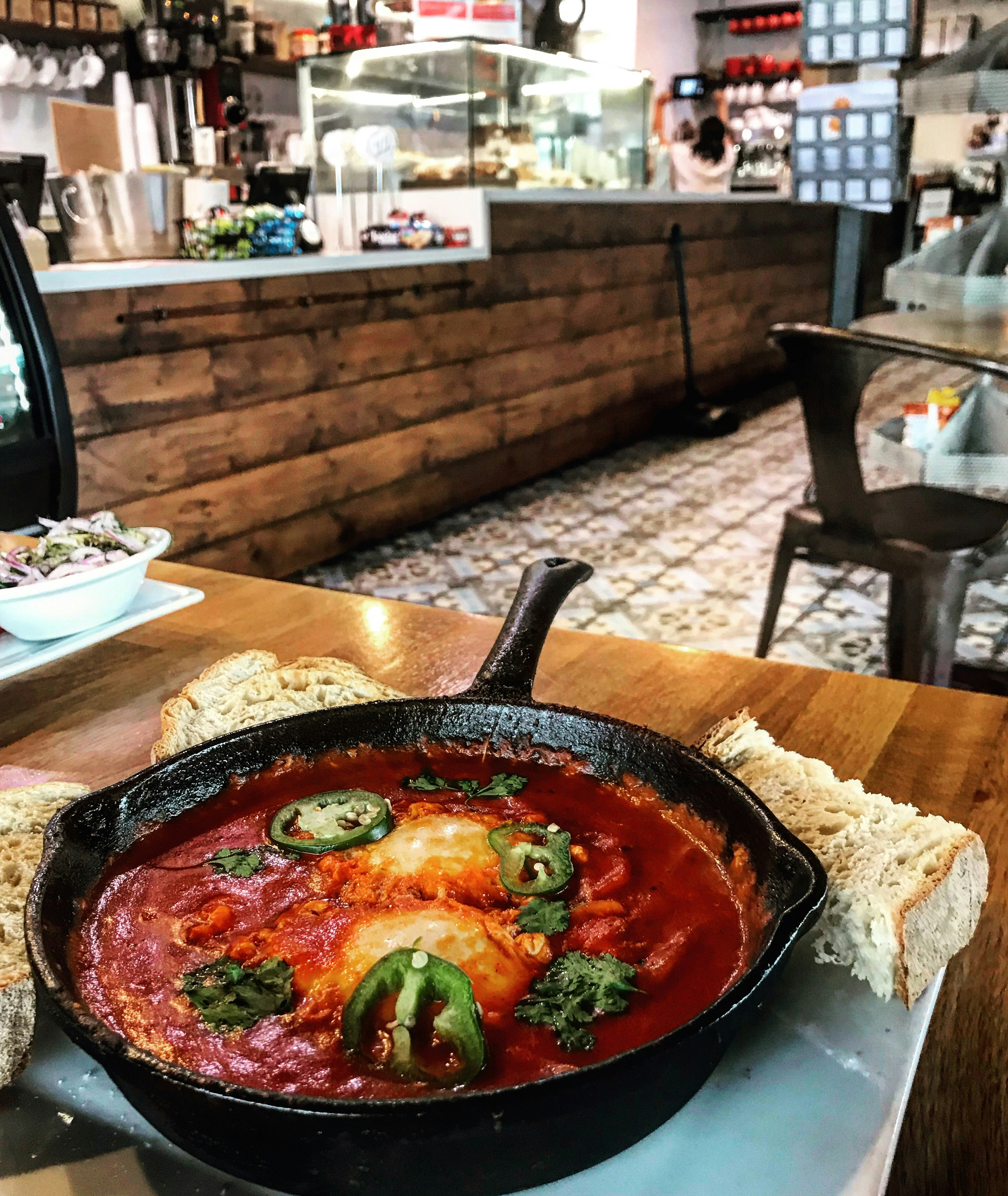
Introduction to Shakshuka
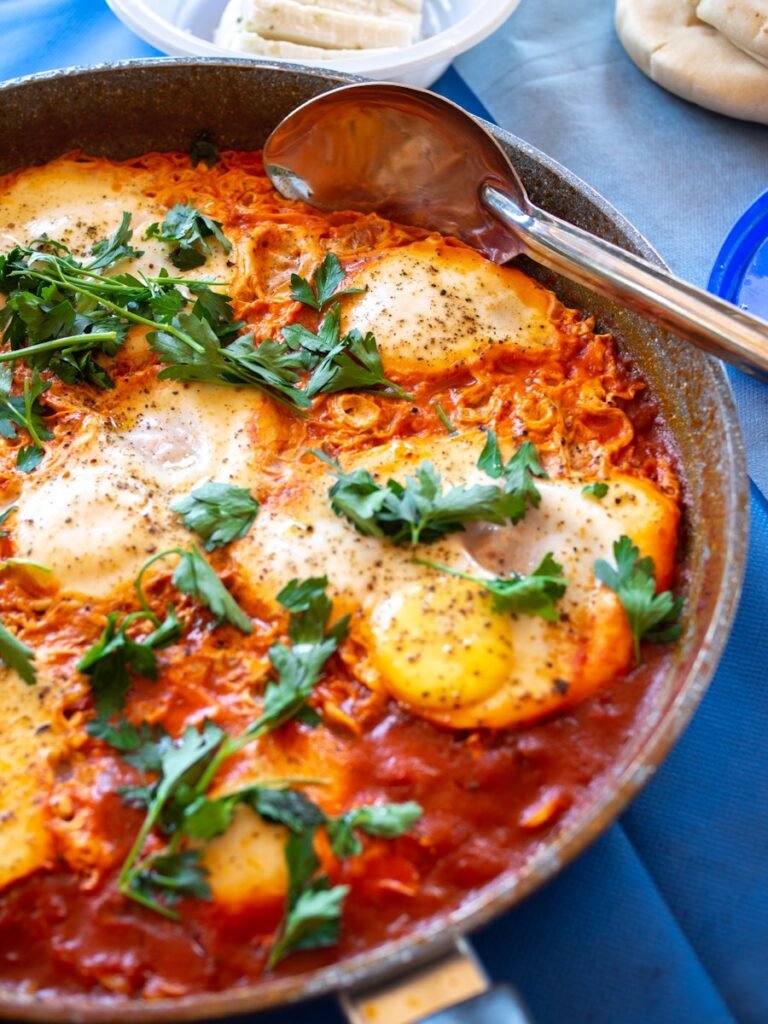
Shakshuka is a dish that has garnered increasing attention and admiration in recent years, known for its robust flavors and delightful presentation. Originally hailing from North Africa and the Middle East, this culinary treasure consists of poached eggs nestled in a rich and aromatic sauce made primarily of tomatoes and sautéed peppers, often enhanced with spices such as cumin and paprika. The appeal of shakshuka lies not only in its taste but also in its heartiness, making it an ideal meal for any time of the day—from breakfast to dinner.
As the dish has transcended cultural boundaries, it has found its way into many kitchens around the world. Its versatility allows for various adaptations, including the addition of ingredients such as feta cheese, chickpeas, or even different vegetables, providing an opportunity for chefs and home cooks alike to personalize the dish to their taste preferences. The integration of spices and herbs gives shakshuka a complex flavor profile, making it a favorite among those who appreciate bold tastes and hearty meals.
This flavorful experience is not only a testament to its roots but also a representation of how traditional dishes can evolve over time, attracting diverse audiences. As it gains popularity in global culinary scenes, shakshuka embodies the essence of comfort food while simultaneously being able to adapt to modern dietary habits. Its delightful balance of protein, healthy fats, and vegetables presents a nourishing option that caters to various dietary needs, thereby ensuring its place in contemporary cuisine.
The Origins of Shakshuka

Shakshuka, a dish characterized by poached eggs nestled in a spicy tomato sauce, has a rich and diverse history that traces its origins to the Maghreb region of North Africa. This vibrant dish is believed to have emerged in Tunisia and quickly spread throughout the Middle East, where it has become a beloved staple. Its name, derived from the Arabic term meaning “a mixture,” reflects the culinary confluence that has contributed to its unique character.
The evolution of shakshuka is closely tied to the cultural exchanges between Jewish and Arab communities over centuries. Historical migrations and trade routes facilitated the blending of various culinary traditions, allowing for the incorporation of spices and techniques from different cultures. For instance, the use of ingredients such as cumin, paprika, and harissa highlights the North African influence, while the egg element signifies an adaptation that suits regional preferences for hearty, protein-rich meals.
In Jewish tradition, particularly among communities in Israel, shakshuka has gained popularity as a satisfying breakfast or brunch option, often served with crusty bread to soak up the flavorful sauce. This dish, which embodies the spirit of communal dining, showcases how food can transcend cultural boundaries and provide a sense of belonging. Moreover, the Middle Eastern rendition further emphasizes local variations, with differing ingredients and cooking methods enhancing the dish’s appeal across various demographics.
Ultimately, shakshuka is more than just a meal; it is a symbol of cultural resilience and adaptation, illustrating how history, migration, and culinary creativity intertwine. As it evolves and finds new interpretations around the globe, shakshuka remains an essential part of the culinary landscape, reflecting the rich tapestry of the cultures it represents.
The Cultural Significance of Shakshuka

Shakshuka, a dish that marries poached eggs with a vibrant tomato sauce, holds significant cultural value, particularly in Middle Eastern and North African societies. Its origins trace back to the Jewish communities of Tunisia, but today it has transcended borders, symbolizing a communal dining experience found in various cultures. The preparation and enjoyment of shakshuka often serve as a cherished ritual, highlighting its role as a comfort food revered for its simplicity and heartwarming nature.
This dish is primarily consumed during breakfast or brunch, bringing family members together around the table to share in a hearty meal. The vibrant hues of the sauce, combined with the warm, creamy yolks of the eggs, create an inviting and engaging dining experience. Each ingredient in shakshuka not only contributes to a unique flavor profile but also encapsulates the tradition and hospitality of the cultures it represents. In many homes, the process of preparing shakshuka is a collaborative effort, echoing a sense of togetherness that strengthens familial bonds.
Furthermore, shakshuka has transcended its role as merely a meal, becoming a symbol of celebration during festive gatherings and social occasions. Whether served at a large family gathering, a friendly brunch, or even in restaurants, this dish fosters connections between people. The communal aspect of sharing shakshuka directly reflects cultural values of unity and hospitality, often encouraging guests to enjoy a meal together. In essence, shakshuka embodies more than just a delectable food item; it serves as a cultural emblem that aligns with the ideals of community and companionship in diverse societies.
The Meaning Behind Shakshuka

The term “shakshuka” has its roots in North African Arabic, where it translates to “a mixture” or “a combination.” This etymological origin is particularly apt as the dish itself showcases a harmonious blend of various ingredients, forming a cohesive and flavorful meal. Predominantly made with poached eggs nestled in a spicy tomato sauce, shakshuka captures the essence of traditional cooking methods that emphasize the art of mixing flavors and textures. Each culture interprets this dish uniquely, revealing the diverse culinary traditions surrounding it.
In Middle Eastern cultures, shakshuka is often enjoyed as a breakfast staple, symbolizing a communal meal that brings family and friends together. The bright red of the tomato sauce is complemented by various spices such as cumin and paprika, which are hallmarks of the region’s cuisine. Interestingly, variations of shakshuka exist throughout different countries; for instance, in Tunisia, it might include harissa for an added kick, while in Israel, it may be served with feta cheese or sautéed vegetables, further illustrating how the core concept of shakshuka adapts and evolves across cultures.
Moreover, the dish’s preparation method adds to its cultural significance. Cooking shakshuka typically involves a skillet, where ingredients are sautéed and simmered together, allowing the flavors to meld. This approach aligns with the traditional values of sharing and togetherness; meals are often prepared and served directly from the stovetop. Thus, the name “shakshuka” not only reflects its physical components but also embodies the social and cultural connections forged through shared culinary experiences. As you explore shakshuka in its various forms, you gain insight into its identity, rooted in the rich tapestry of Middle Eastern and North African gastronomy.
Taste Profiles of Shakshuka
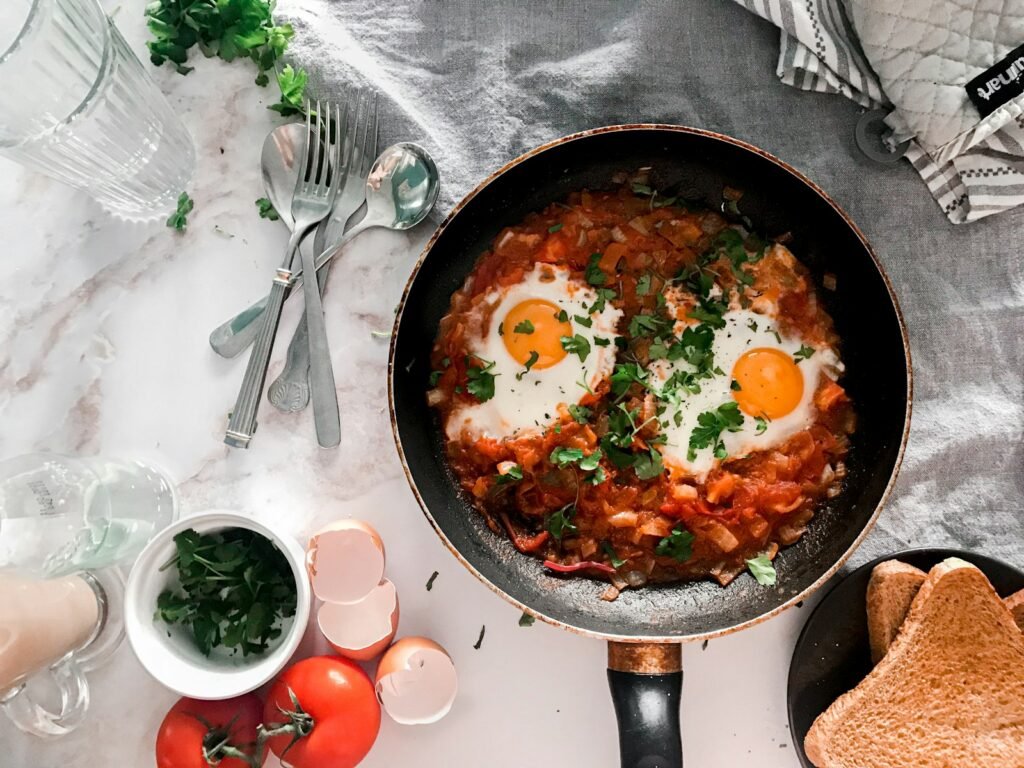
Shakshuka, a dish that has its roots in North African and Middle Eastern cuisine, is renowned for its rich and complex flavor profile. Central to this culinary masterpiece is the tomato sauce, which acts as the foundation of the dish. The base is usually composed of ripe, juicy tomatoes, either fresh or canned, which are slow-cooked to achieve a thick and hearty consistency. This tomato base is then elevated with a medley of spices like cumin and paprika, which lend warmth and depth to the overall taste.
The spices don’t merely serve to flavor the sauce; rather, they contribute to a symphony of taste that is both comforting and stimulating. Cumin, with its smoky undertones, adds a layer of earthiness, while paprika introduces a subtle sweetness and color that enhances the visual presentation of the dish. When cooked, the spices meld with the tomatoes to create a robust sauce that is both savory and satisfying.
In addition to the tomatoes and spices, fresh herbs such as cilantro or parsley provide a much-needed brightness to the dish. The addition of herbs complements the rich flavors while also balancing the dish’s richness. Their freshness invigorates the palate and contrasts beautifully with the warmth of the spices. As the eggs gently poach in the simmering sauce, they absorb the intricate flavors, resulting in a delightful combination where each ingredient works in harmony, creating a layered taste experience.
The experience of enjoying shakshuka is not just about the taste but also about the textures. The runny yolk of the eggs adds creaminess to the dish, further enriching the overall flavor. When combined, these elements provide a satisfying and hearty meal that is both comforting yet exciting, leaving a lasting impression on anyone who has the pleasure to indulge in it.
Texture and Presentation of Shakshuka
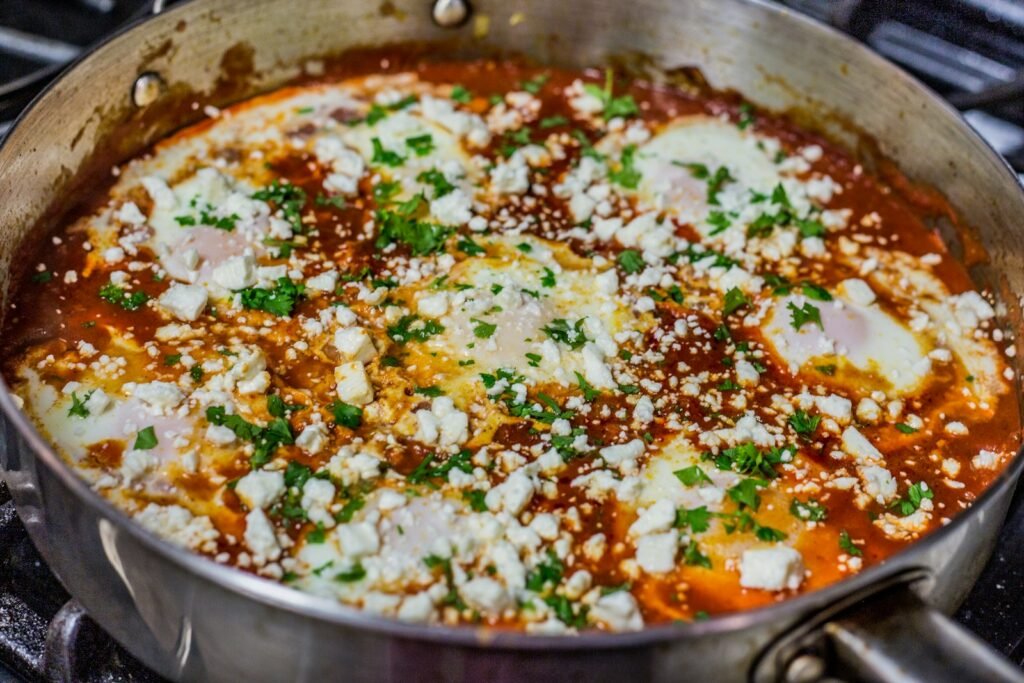
Shakshuka, a dish that has gained prominence in various culinary scenes, boasts a unique combination of textures that greatly enhance its appeal. At the heart of this dish is the perfectly poached egg, which, when broken, releases a creamy, runny yolk that melds seamlessly with the rich, thick sauce. This contrast between the silkiness of the yolk and the robust texture of the sauce creates a delightful mouthfeel, making each bite a flavorful experience. The sauce, usually made from tomatoes, peppers, and spices, has a chunky consistency, providing a hearty base that complements the tenderness of the egg. The interplay of these elements results in a dish that is both satisfying and indulgent.
In addition to its textural variations, shakshuka presents itself as a feast for the eyes. The vibrant reds and yellows of the dish create a visually appealing aesthetic, inviting diners to indulge. The fresh herbs such as cilantro or parsley are often used as garnishing elements, adding a pop of green that not only enhances presentation but also provides a fresh contrast to the deep hues of the cooked ingredients. The dish is typically served in a shallow skillet or a cast-iron pan, which contributes to its rustic charm, allowing for an implied warmth and hominess that echoes the dish’s origins.
Moreover, shakshuka is customizable; some variations introduce ingredients like feta cheese or olives, which not only intensify the flavor but also add further visual intrigue. The inclusion of these components can elevate the overall presentation, transforming a simple dish into a gourmet experience. Ultimately, the appeal of shakshuka lies not only in its rich, hearty flavor but also in its ability to entice through its textures and vibrant presentation, making it a standout dish worthy of appreciation.
Variations of Shakshuka Around the World
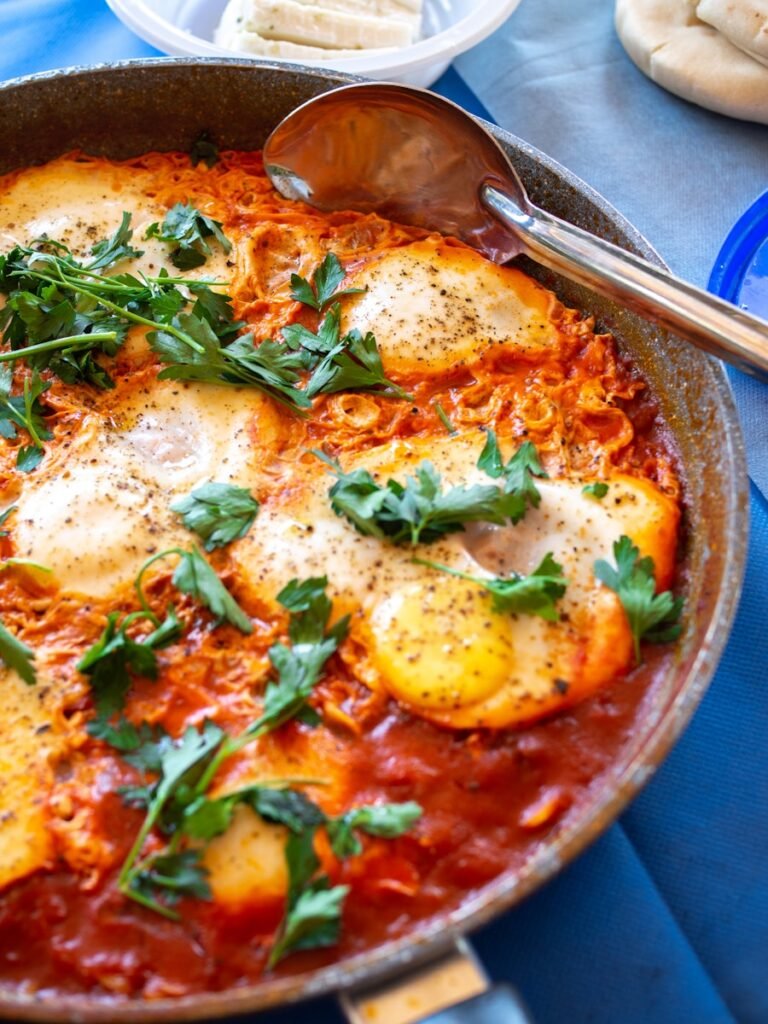
Shakshuka, a dish deeply rooted in Middle Eastern cuisine, has been embraced and adapted by various cultures, resulting in an array of regional interpretations that maintain its core essence yet reflect local flavors. The base of shakshuka typically involves poached eggs in a spicy tomato sauce, but the dish’s adaptability allows for diverse ingredient integrations across different geographical areas.
In North Africa, particularly in Tunisia, shakshuka often features harissa, a hot chili paste that enhances its flavor profile. This fiery variation is typically enriched with bell peppers and other vegetables, while the inclusion of local spices creates a vibrant dish, reflecting the region’s culinary tradition. Similarly, in Morocco, shakshuka may be served with preserved lemons or olives, which adds a unique tanginess and depth to the overall taste.
Moving to the Mediterranean region, particularly in Greece, shakshuka may incorporate feta cheese as a key ingredient, providing a creamy texture that complements the acidity of the tomatoes. This feta variation stands out for its use of fresh herbs, such as parsley and dill, which further elevate the dish’s aromatic qualities. Additionally, the Levantine version of shakshuka might include eggplant or zucchini, showcasing the abundance of vegetables characteristic of this area.
In Israel, the dish has evolved into a popular breakfast and brunch item, often served with a variety of toppings such as avocado, olives, or even spiced labneh. The emphasis on fresh, high-quality ingredients exemplifies the Israeli philosophy of food. Furthermore, a more contemporary twist has emerged, with chefs innovating by adding ingredients like sweet potatoes or even smoked salmon, demonstrating shakshuka’s versatility and appeal across modern dining experiences.
As shakshuka travels across continents, it continues to change shape while remaining rooted in its original concept, proving that its adaptability is one of the many reasons for its enduring popularity around the world.
Health Benefits of Shakshuka

Shakshuka is not only a delightful culinary experience but also a dish that offers numerous health benefits due to its wholesome ingredients. Central to this dish are tomatoes, eggs, and various peppers, each contributing essential nutrients crucial for maintaining a balanced diet.
Tomatoes are a powerhouse of vitamins and minerals. They are particularly rich in vitamin C, potassium, and folate. The presence of lycopene, a potent antioxidant, provides additional health benefits that are linked to reduced risk of chronic diseases, including heart disease. Incorporating tomatoes in shakshuka can enhance the overall nutritional profile of the meal and contribute to better cardiovascular health.
Eggs, which are typically the star of shakshuka, serve as an excellent source of high-quality protein. They contain all nine essential amino acids that our bodies cannot produce independently. Furthermore, eggs are rich in vitamins such as B12 and D, and minerals like selenium and choline. The protein found in eggs aids in building and repairing tissues, while choline supports brain health, making shakshuka a beneficial option for maintaining cognitive function.
Peppers, another key ingredient in shakshuka, are low in calories yet exceedingly high in vitamins A and C. The capsaicin compound found in peppers is known for its anti-inflammatory properties and can contribute to improved metabolism. Including peppers in this dish not only enhances flavor but also supports your immune system and contributes to healthier skin.
Overall, the combination of these ingredients makes shakshuka a nutritious option suitable for any meal of the day. With its rich profile of proteins, vitamins, and minerals, shakshuka stands out as a hearty and healthful dish that can seamlessly fit into various dietary patterns.
How to Make Shakshuka: A Simple Recipe
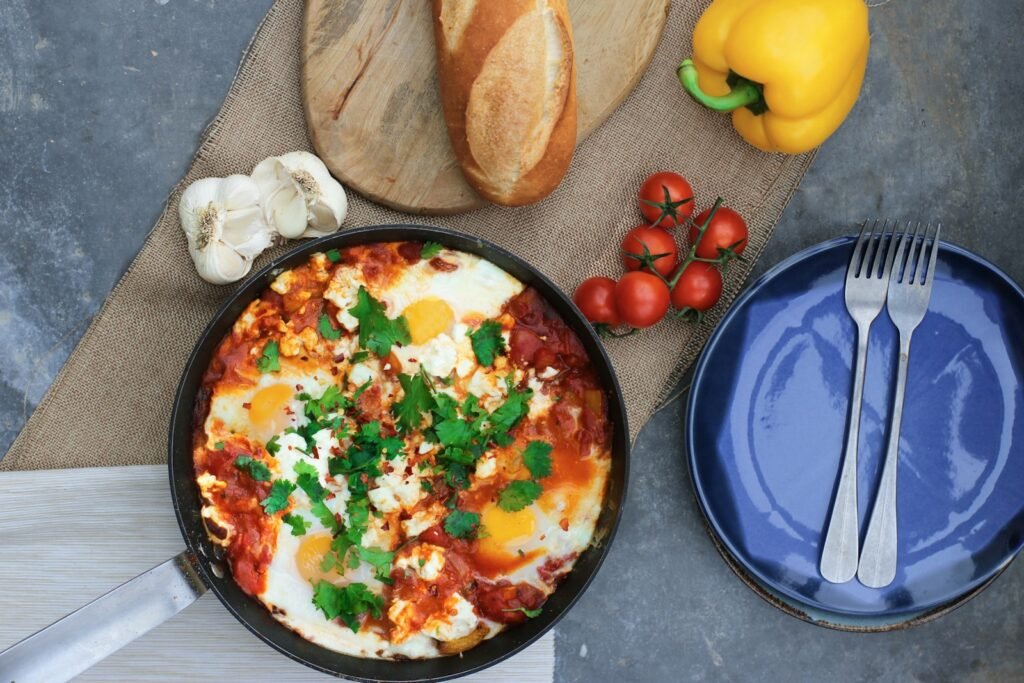
Preparing shakshuka at home is a rewarding process that allows you to explore the delightful flavors of this Middle Eastern dish. To make a traditional shakshuka, you will need the following ingredients: four large eggs, two tablespoons of olive oil, one onion, one red bell pepper, three cloves of garlic, one teaspoon of cumin, one teaspoon of paprika, 400 grams of canned tomatoes, salt, pepper, and fresh herbs for garnishing, such as parsley or cilantro.
Begin by heating the olive oil in a large skillet over medium heat. Add the chopped onion and bell pepper, cooking until soft, which typically takes about five to seven minutes. Next, add the minced garlic, cumin, and paprika, sautéing for another minute until the spices become fragrant. Pour in the canned tomatoes, season with salt and pepper, and let the mixture simmer for about 10-15 minutes, allowing the flavors to meld and create a rich sauce.
When the sauce has thickened slightly, create small wells in the mixture using the back of a spoon. Gently crack the eggs into these wells, taking care not to break the yolks. Cover the skillet with a lid and reduce the heat to low, cooking until the eggs are set to your preference, which can range from soft and runny to firm, usually within 5-8 minutes.
Once cooked, remove the skillet from heat and garnish the shakshuka with freshly chopped herbs. For an authentic experience, serve the dish with warm, crusty bread or pita to scoop up the flavorful sauce and eggs. Pairing with a side salad can provide a fresh contrast to the rich flavors of the shakshuka. By following this simple recipe, you can enjoy a delicious homemade shakshuka that brings the vibrant taste of this culinary gem right into your kitchen.