
- The Origin of Full English Breakfast
- Cultural Significance of Full English Breakfast
- Unique Flavors of Full English Breakfast
- Textures that Delight
- Visual Appeal of the Full English Breakfast
- Plating Techniques for Full English Breakfast
- Dishes with Similar Taste Profiles
- Dishes that Resemble the Full English Breakfast
- Conclusion: The Enduring Legacy of the Full English Breakfast
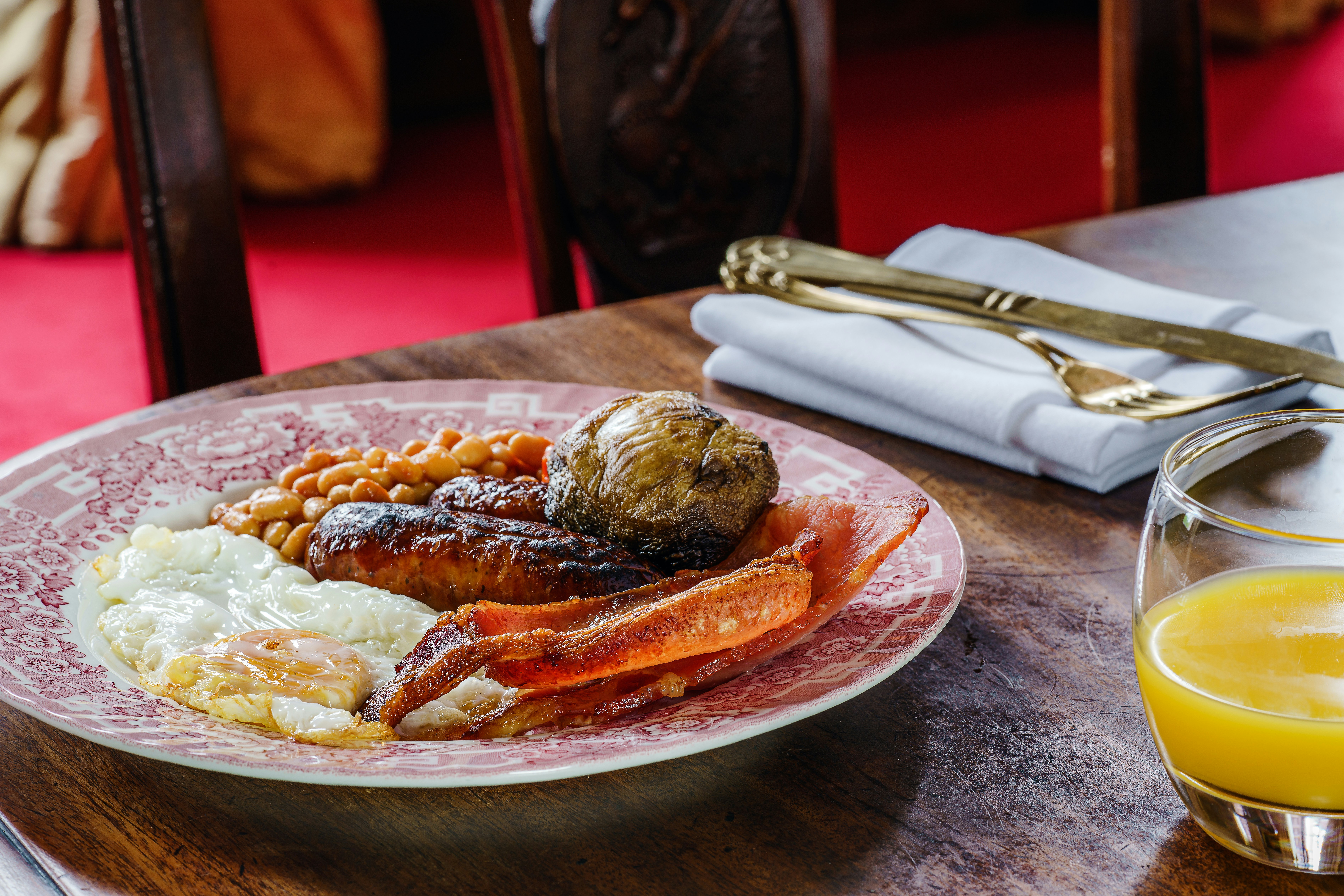
The Origin of Full English Breakfast
The Full English Breakfast is a quintessential meal that embodies the culinary history of England. Its origins can be traced back to the early medieval period, when hearty meals were common among the aristocracy. These meals were often elaborate and included a variety of meats, bread, and fruits. As time progressed, elements from these opulent breakfasts began to filter down through the social hierarchy, making their way into the daily lives of the working class.
During the 19th century, with the rise of the Industrial Revolution, the need for a substantial breakfast gained prominence. Workers in factories and mines required significant energy to endure long hours. Consequently, a more substantial breakfast became not just a luxury but a necessity for many. This shift in societal structure contributed to the popularity of the Full English Breakfast, as it provided a robust start to the day, often featuring eggs, bacon, sausages, beans, tomatoes, and black pudding.
Regional variations also played a crucial role in the evolution of this iconic meal. Different areas of England brought unique perspectives, incorporating local produce and cooking methods. For example, the use of baked beans can be attributed to the influence of British colonialism and the introduction of canned foods. Likewise, the seaside communities often featured kippers or smoked fish. The diverse influences from various social classes and regions harmoniously blended to shape the Full English Breakfast into its modern form.
Today, the Full English Breakfast is more than just a meal; it is a cultural symbol of English heritage, celebrated for its heartiness and variety. Its historical roots reflect a time when breakfast was not simply the first meal of the day, but a hearty tradition that represented vitality and sustenance across all social strata.
Cultural Significance of Full English Breakfast
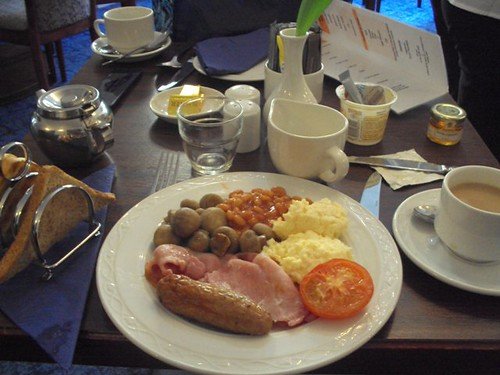
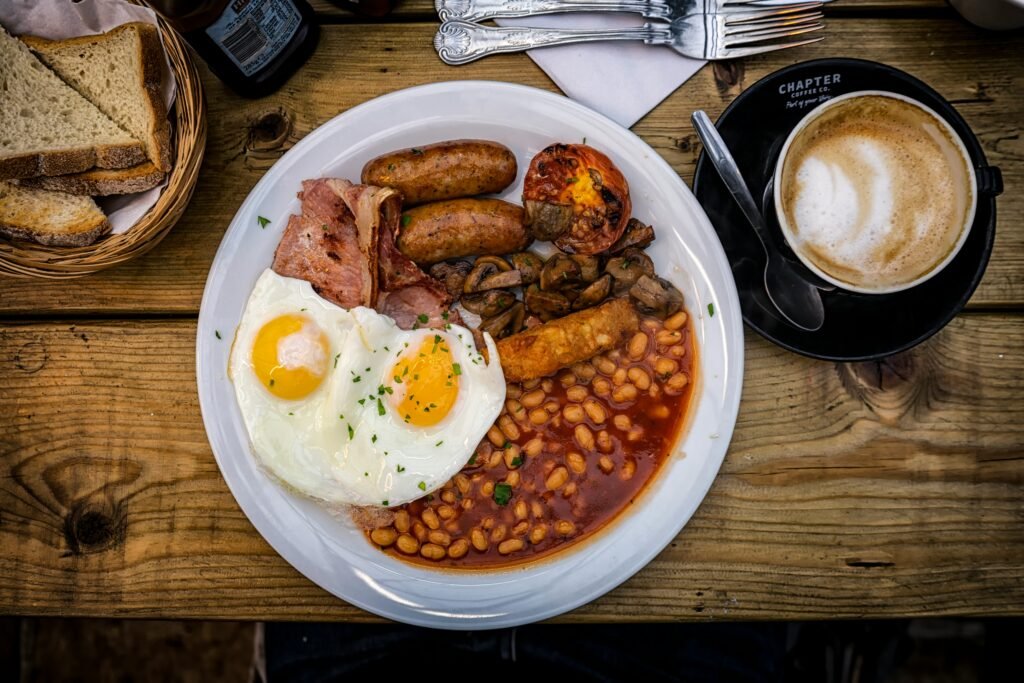
The Full English Breakfast holds a profound place in British culture, embodying hospitality, comfort, and communal gatherings. Traditionally enjoyed in homes and establishments across the United Kingdom, this meal consists of a hearty combination of ingredients such as eggs, sausages, bacon, baked beans, mushrooms, and tomatoes, often served with toast or fried bread. The Full English Breakfast not only nourishes the body but also enriches the spirit, acting as a centerpiece during family gatherings and social events.
In many British households, the act of preparing and enjoying this breakfast symbolizes care and togetherness. Families often gather around the breakfast table, fostering connections and creating lasting memories. Its presence in restaurants and cafés further establishes the Full English Breakfast as a cultural staple. Visitors to the UK frequently seek out this iconic meal, viewing it as an essential part of their culinary experience. This quest for authenticity highlights the breakfast’s status as a symbol of British identity and tradition.
Beyond its local significance, the Full English Breakfast has gained recognition worldwide, often referenced in literature, film, and popular culture. Its allure transcends geographical boundaries, making it a subject of admiration among food enthusiasts globally. This international appreciation can be attributed to its significant representation of British resilience and adaptability. As cultures interweave through globalization, the Full English Breakfast has adapted, incorporating diverse ingredients while maintaining its foundational character.
In essence, the cultural importance of the Full English Breakfast extends far beyond mere sustenance. It serves as a culinary embodiment of community, identity, and tradition, bridging generations and welcoming individuals from various backgrounds. As this meal continues to evolve, its role within British society remains a testament to its enduring legacy.
Unique Flavors of Full English Breakfast
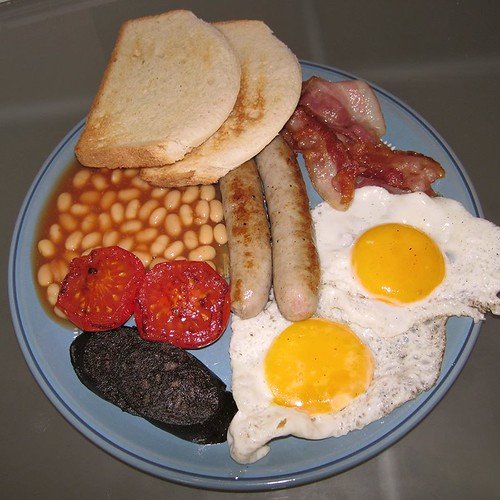
The Full English Breakfast is a culinary tradition that showcases a medley of unique flavors, which come together to create a harmonious and satisfying morning meal. At the heart of this breakfast are savory sausages, often seasoned with herbs and spices that enhance their flavor, providing a robust start to the day. The sausages, with their juicy texture, contribute not just protein but also a depth of flavor that sets the stage for the rest of the ingredients.
Complementing the sausages is the rich and smoky taste of bacon. The process of curing and smoking bacon introduces a distinctive flavor profile that is both savory and slightly sweet. This combination forms an essential part of the Full English Breakfast, elevating its overall taste. The crispy texture of the bacon contrasts beautifully with the other elements on the plate, creating a multi-layered sensory experience.
Equally important in this traditional meal is the inclusion of eggs, typically fried, scrambled, or poached. Eggs add a creamy richness and are a key source of protein. Their mild flavor balances the stronger tastes of the sausages and bacon. The yolk, when runny, enhances the dish by providing a luscious sauce that ties all components together, making each bite delightful.
Baked beans also play a significant role in this breakfast, offering a tangy sweetness that cuts through the richness of the meat and egg components. Their soft texture contrasts with the crispy bacon and sausages, providing a welcome variety. Lastly, the addition of grilled tomatoes and mushrooms enhances the dish with their fresh and earthy notes, rounding out the Full English Breakfast and providing a well-rounded flavor profile. The synergy of these ingredients leads to a balanced meal that is deeply satisfying and rooted in tradition.
Textures that Delight
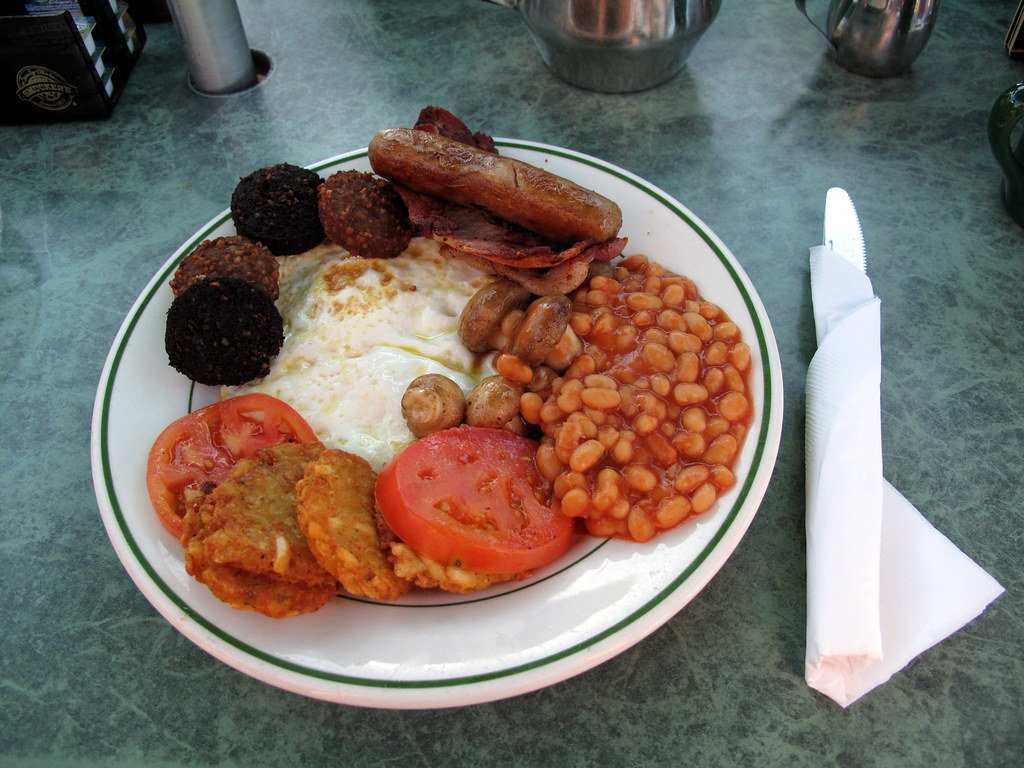
The Full English Breakfast is not merely a feast for the eyes and palate; it is also a symphony of textures that contributes significantly to the overall dining experience. Each component, from the crispy bacon and sausages to the velvety scrambled eggs, offers a unique tactile sensation that heightens enjoyment with every bite. The interplay between these diverse textures creates a balanced and enticing meal.
One of the standout features of a Full English Breakfast is the crispy bacon, which provides a satisfying crunch with each bite. This contrasts beautifully with the sizzling, juicy sausages that have a snappy skin enveloping a tender interior. The texture of the sausages brings an element of heartiness, enhancing the meal’s overall richness. The juxtaposition between these crispy and juicy elements creates a delightful experience as diners explore the different sensations.
Additionally, the scrambled eggs included in this traditional breakfast offer a creamy, smooth consistency that starkly contrasts with the firmer textures of the meats. Each forkful of rich, fluffy scrambled eggs melds perfectly with the crunchiness of the bacon, providing a harmonious balance in texture. Meanwhile, grilled tomatoes and mushrooms introduce a tender and succulent texture that further amplifies the dish’s depth. The slight char on the tomatoes adds a subtle smokiness, while the mushrooms contribute an earthy, soft bite that complements the overall dish.
This interplay of varying textures not only enhances the enjoyment of the Full English Breakfast but also encourages diners to savor every component separately and together. The mixture of crunch, creaminess, and tenderness serves to elevate the experience from a simple meal to a culinary tradition that is both satisfying and memorable. It is this delightful combination of textures that makes the Full English Breakfast a beloved and enduring choice among breakfast offerings.
Visual Appeal of the Full English Breakfast
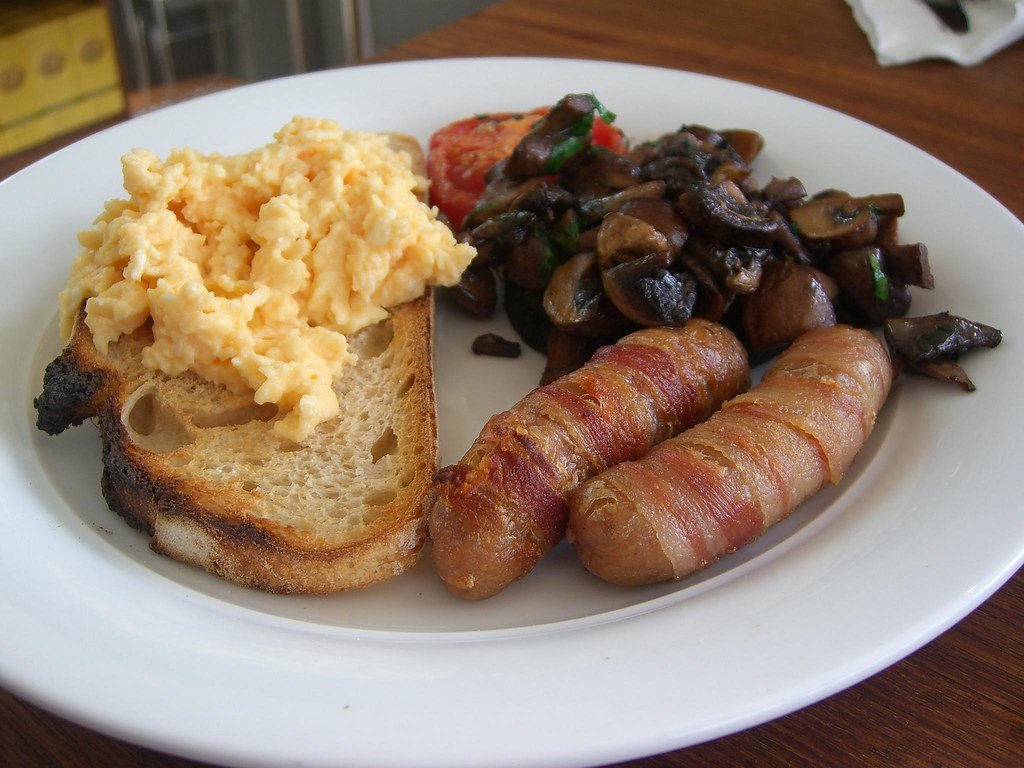
The Full English Breakfast is not just a feast for the palate; it is also a visually captivating experience that embodies culinary tradition. The arrangement and presentation of the dish play a significant role in elevating its appeal. Each component contributes to a vibrant tableau that engages diners and excites the senses. The contrasting colors of the ingredients—from the golden, crispy bacon to the deep orange of the eggs—create an aesthetically pleasing composition on the plate.
Color is a crucial aspect of the Full English Breakfast. The brilliant yellow of the fried eggs stands out against the rich browns of the sausages and toast, while the bright red of the tomatoes offers a refreshing burst amidst the more subdued hues. Additionally, the inclusion of baked beans adds a soft, warm texture and a creamy white undercurrent from the toast. This array of colors not only stimulates visual interest but also suggests a variety of flavors waiting to be explored.
Moreover, the traditional plating styles enhance the meal’s attractiveness. A classic Full English Breakfast is typically presented on a large plate, allowing ample space for each item to be individually recognizable. This thoughtful arrangement invites diners to appreciate the craftsmanship behind the culinary presentation. Chefs often carefully position each element, ensuring that the plate looks abundant and inviting. As diners encounter a well-presented breakfast, they are likely to feel a sense of anticipation, and the meal is perceived not merely as food but as an artful composition.
The Full English Breakfast serves as a reminder of the importance of visual appeal in cuisine. Understanding that the interplay of colors and textures can significantly enhance the dining experience is essential for any culinary enthusiast. A well-arranged plate not only satisfies hunger but also captivates the eye, setting the stage for the delightful flavors to follow.
Plating Techniques for Full English Breakfast
Creating a visually appealing Full English Breakfast is as significant as the flavors that each component brings to the table. Proper plating can elevate the dining experience, transforming a simple meal into an enticing sight. To achieve this, careful consideration of the arrangement and presentation is paramount. Start by selecting the right plate; a neutral-colored one can often enhance the vivid colors of the ingredients, while contrasting colors can add a dynamic feel.
When plating the Full English Breakfast, it is essential to consider the various components: sausages, bacon, eggs, baked beans, mushrooms, tomatoes, and toast. To create an organized layout, begin with the larger items at each side of the plate, such as the sausages and bacon. This positioning draws the eye outward before guiding it to the center, where the eggs—typically the focal point—can be placed. Fried or poached eggs often look best when they appear runny, adding a glossy texture that is visually appealing.
The baked beans and grilled tomatoes can be nestled in smaller sections around the proteins, allowing for a balanced distribution of color and texture. For a refined touch, consider using a separate saucer for the beans to avoid spoiling the aesthetics of the other elements. Mushrooms can be arranged in a small pile or fan-like formation, complementing the freshness of the tomatoes.
The choice of garnishes can also significantly impact the visual appeal. A sprinkle of fresh herbs, such as chives or parsley, can provide a pop of color and freshness. Additionally, a side of toast can be artfully arranged, either stacked neatly on the side or placed at an angle across the plate. By applying these plating techniques, you can ensure that your Full English Breakfast not only satisfies the palate but also offers a feast for the eyes.
Dishes with Similar Taste Profiles
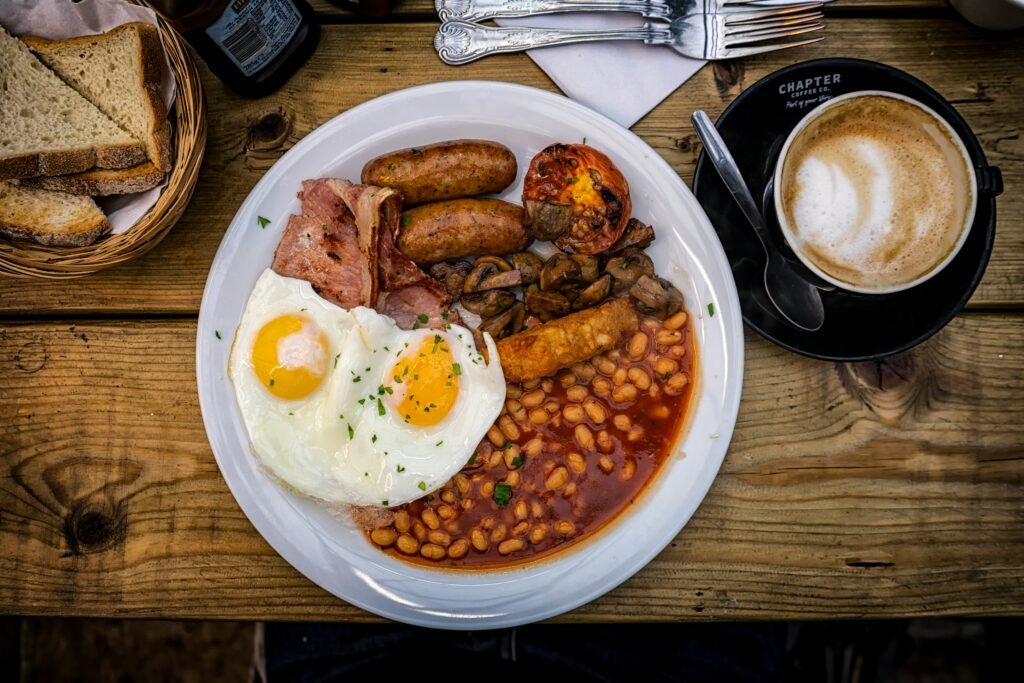
The Full English Breakfast is a hearty meal that comprises several elements, each contributing to a unique flavor profile. However, it is not alone in its culinary tradition, as various cultures offer breakfast dishes that exhibit similar taste sensations and ingredient composition. One notable counterpart is the Irish breakfast, which often includes many of the same components as its English counterpart. With items such as sausages, bacon, eggs, and black pudding, the Irish breakfast provides a similarly robust experience but frequently incorporates baked beans and soda bread, lending a softer texture that complements the other components.
Turning to the American breakfast, one finds that the American breakfast platter offers another suggestion of a hearty start to the day. Typically featuring scrambled eggs, bacon, and a variety of side options such as hash browns or pancakes, it maintains the essential richness of the Full English Breakfast. Despite differing cultural influences, both meals share a common goal – to provide a satisfying, energy-rich dish that fuels the day ahead. What sets the American breakfast apart is its inclination toward sweeter components, including maple syrup and fresh fruits, which introduce a contrasting flavor profile.
Another similar dish is the continental breakfast, commonly found in hotels around the world. Though lighter in composition, it often features items such as croissants, assorted pastries, and cold cuts. While not as protein-heavy as the Full English Breakfast, the continental option still showcases a variety of textures and flavors, highlighting the global adaptability of breakfast traditions. This array demonstrates that while the essential elements may vary from one culture to another, they often resonate with the rich, hearty essence that defines the Full English Breakfast.
Dishes that Resemble the Full English Breakfast
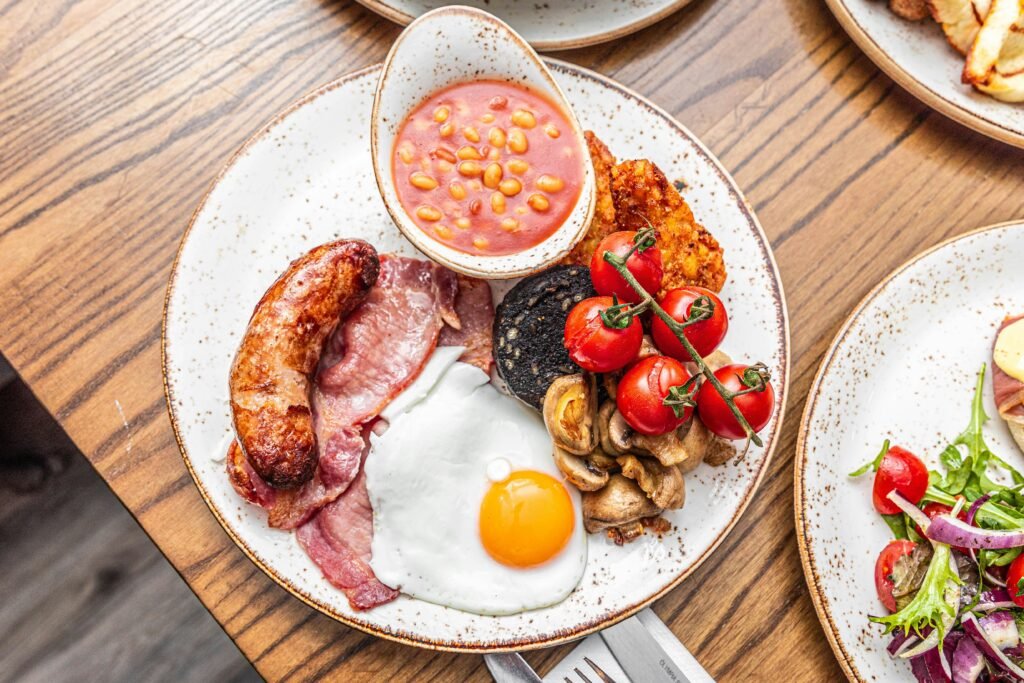
The Full English Breakfast is not only a hallmark of British cuisine but also a representation of hearty breakfast traditions found globally. These meals often consist of an assortment of proteins, eggs, and various accompaniments that satisfy the morning appetite. Many cultures have adopted this concept, resulting in diverse dishes that bear resemblance to the Full English Breakfast.
One notable example is the American breakfast platter, which typically includes scrambled eggs, bacon, sausage, and sides such as hash browns or pancakes. This meal, like its English counterpart, places a heavy emphasis on protein and calorie-rich components, catering to those looking for a filling start to their day. Similarly, the traditional Spanish breakfast often features scrambled eggs known as “huevos rotos,” served with cured meats like chorizo and accompanied by fried potatoes, showcasing another variant that prioritizes robust flavors and hearty portions.
In Mexico, the “huevos rancheros” dish offers a colorful take on the hearty breakfast theme. Comprising fried eggs served atop corn tortillas and smothered in a rich tomato sauce, it captures the essence of protein-rich fare, complemented by side options such as refried beans and avocado. Another example can be found in the Middle Eastern breakfast called “shakshuka,” where poached eggs are prepared in a spicy tomato and pepper sauce, exemplifying how various cultures utilize similar ingredients to create their hearty morning meals.
Furthermore, the Australian “brekkie” often mimics the Full English Breakfast, typically incorporating eggs, bacon, sausage, and a variety of sides such as avocado, mushrooms, and toast. This amalgamation resonates with the universal appeal of delicious and filling breakfasts, demonstrating that many culinary traditions celebrate the idea of a substantial morning meal similar to the Full English Breakfast.
Conclusion: The Enduring Legacy of the Full English Breakfast
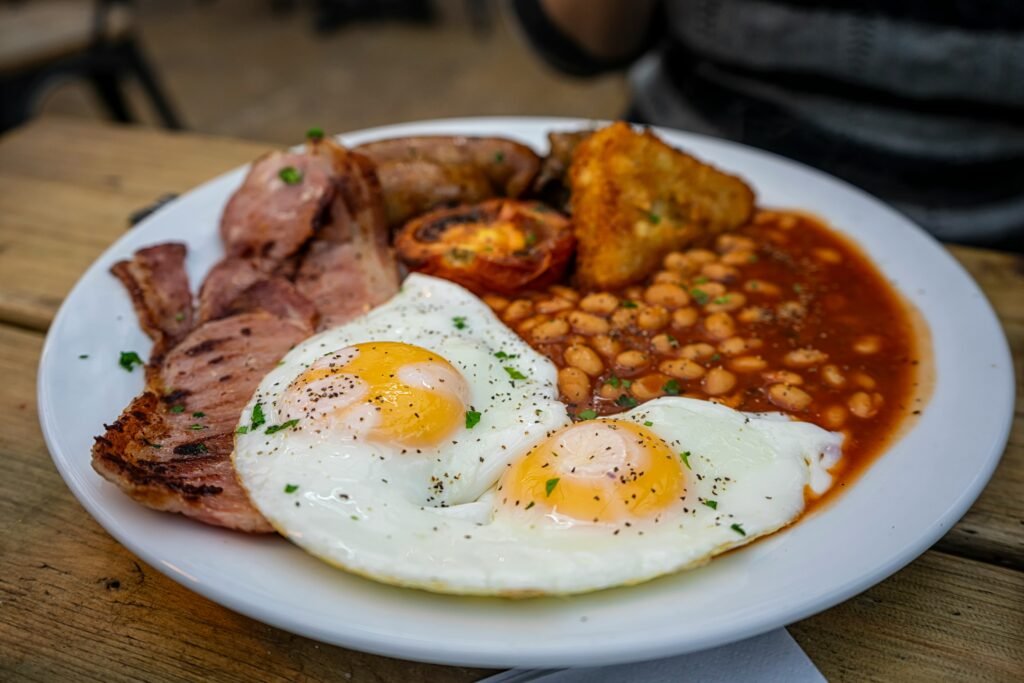
The Full English Breakfast exemplifies a culinary tradition deeply embedded in British culture, representing not just a meal but a significant aspect of social and culinary history. Historically, this hearty breakfast emerged from the practices of the Victorian era, where it served as a substantial meal designed to fuel individuals for their day ahead. Over the years, it has become a symbol of comfort and indulgence, maintaining its appeal across generations.
In contemporary society, the Full English Breakfast continues to hold relevance, notably influencing breakfast trends not only within the UK but globally. As various food movements gain traction, such as the rise of brunch culture and the appreciation for artisanal breakfast options, the Full English persists as a beloved choice. Its versatility allows for personal interpretations, with establishments proudly serving their unique takes on this traditional dish. Thus, the Full English remains a cultural icon, bridging traditional values with modern culinary practices.