
Historical Origins of Jerk Chicken
The origins of jerk chicken can be traced back to Jamaica, where it embodies a fusion of culinary practices from the indigenous Taíno people and the African influences brought by enslaved individuals. The term “jerk” itself is believed to be derived from the Spanish word “charqui,” which refers to dried strips of meat. This preparation and marination technique evolved significantly within the context of Jamaica’s unique cultural landscape.
Centrally to the development of jerk chicken are the Maroons, descendants of enslaved Africans who escaped plantations and formed free communities in the island’s mountainous regions. They adapted their cooking techniques utilizing locally available ingredients, such as allspice—known in Jamaica as pimento. This spice, alongside others, is essential to creating the characteristic jerk marinade that defines the dish today. Maroons used a specific method of cooking that involved seasoning the meat and then cooking it over pimento wood, which imparts a distinctive smoky flavor.
As the techniques spread, jerk chicken became more than just a method of cooking; it evolved into a symbol of Jamaican identity. The rich, spicy flavor profile does not simply cater to the palate; it conveys a story of resilience and heritage. Over time, jerk chicken transcended its local roots, gaining international recognition and becoming a favorite in various culinary landscapes. Its emergence into the global food scene has introduced many to the vibrant flavors of Jamaican cuisine, sparking an appreciation for the dish and its historical underpinnings.
The Essential Jerk Marinade
The cornerstone of authentic jerk chicken lies in its marinade, a rich concoction designed to impart a complex flavor profile that captures the essence of Caribbean cuisine. At the heart of this traditional jerk marinade is allspice, commonly referred to as pimento. This spice combines sweet and savory notes to create an aromatic foundation. The use of scotch bonnet peppers is also critical; these peppers are known for their remarkable heat and fruity qualities, giving jerk chicken its iconic spiciness without overshadowing the other flavors.
In addition to allspice and scotch bonnet, the marinade typically includes fresh thyme, along with a variety of other spices such as cinnamon, nutmeg, and black pepper. These ingredients contribute significantly to the aromatic depth of the dish. The balance of heat from the peppers and the aromatic quality of the thyme creates a harmonious blend, ensuring that the flavor profile of jerk chicken is both vibrant and nuanced. Moreover, the sweetness of brown sugar or honey is often added to enhance the flavor complexity, providing a subtle counterpoint to the heat.
Preparing the marinade is a simple yet crucial step in ensuring that the chicken absorbs these flavors thoroughly. After blending the ingredients—to achieve a smooth, paste-like consistency—generous application to the chicken is essential. Furthermore, marination time cannot be overlooked. Ideally, allowing the chicken to marinate for at least four hours, or overnight if possible, allows the flavors to penetrate deep into the meat. This infusion process is vital for creating jerk chicken that is not only flavorful but also moist and tender.
Cooking Techniques for Perfect Jerk Chicken
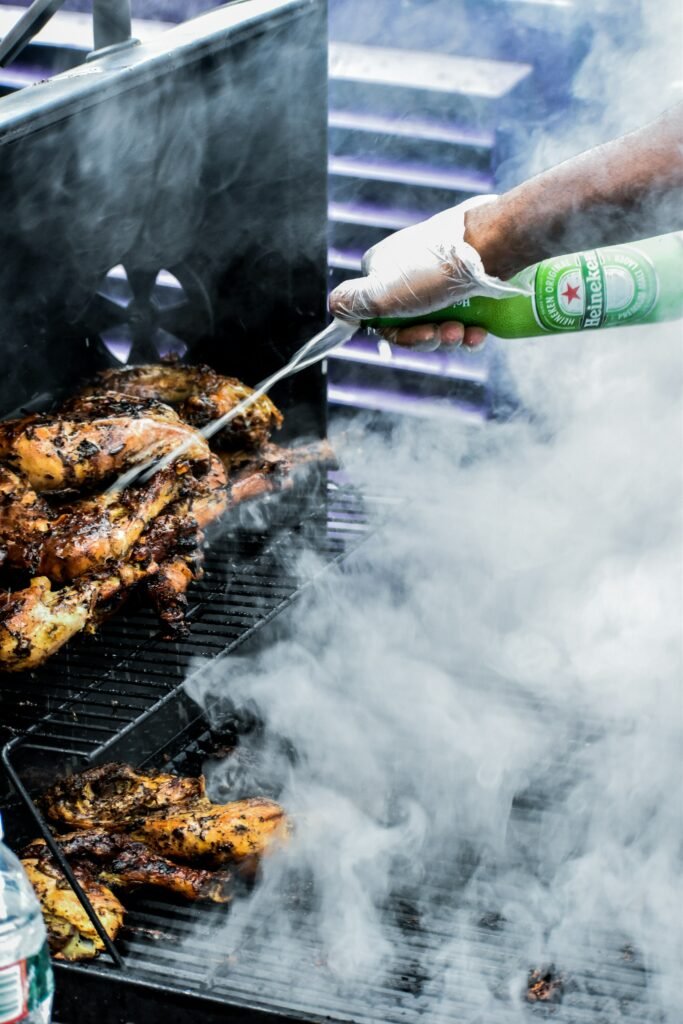
Achieving the ideal jerk chicken requires a mastery of various cooking techniques, each contributing to the dish’s acclaimed flavor and texture. Traditionally, jerk chicken is best prepared by grilling over pimento wood, which imbues the meat with a distinct smoky flavor. This method is indicative of the authentic Jamaican culinary experience, where the wood’s natural oils caramelize on the chicken, creating a delightful char that complements the marinade’s spices.
For individuals without access to pimento wood, backyard barbecues or home kitchens can still yield mouthwatering results. Using a charcoal grill can mimic the smoky essence, while gas grills can also be adjusted to impart satisfactory results. Regardless of the grilling method, achieving the perfect char while retaining the juiciness of the meat requires careful attention to temperature control. It is recommended to cook the chicken over medium heat, flipping it regularly to prevent charring on the outside before the inside cooks through.
In addition to grilling, alternative cooking methods such as baking or pan-searing can also produce delicious jerk chicken. Baking allows for even heat distribution, which helps in keeping the chicken moist while still allowing the marinade to develop its flavors. For those opting for a stovetop method, pan-searing the chicken on high heat can create a crispy exterior that locks in moisture. However, it is advisable to finish the cooking in the oven to ensure the meat is cooked thoroughly without drying out.
Lastly, smoking jerk chicken is an exceptional method that enhances its overall profile. Incorporating wood chips, such as hickory or applewood, in a smoker can deepen the flavor complexities. The combination of low and slow cooking alongside the aromatic wood elements brings forth rich nuances that celebrate the dish’s vibrant heritage. With the right techniques and attention to detail, anyone can enjoy a sumptuous plate of jerk chicken that embodies its rich culinary significance.
A Professional Review of Jerk Chicken
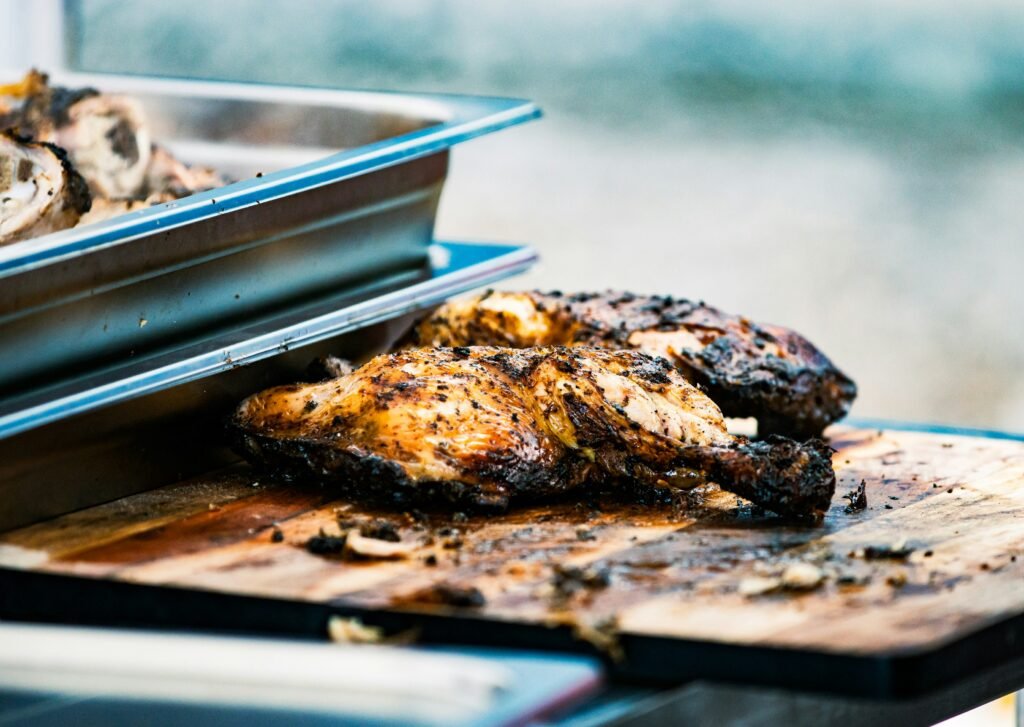
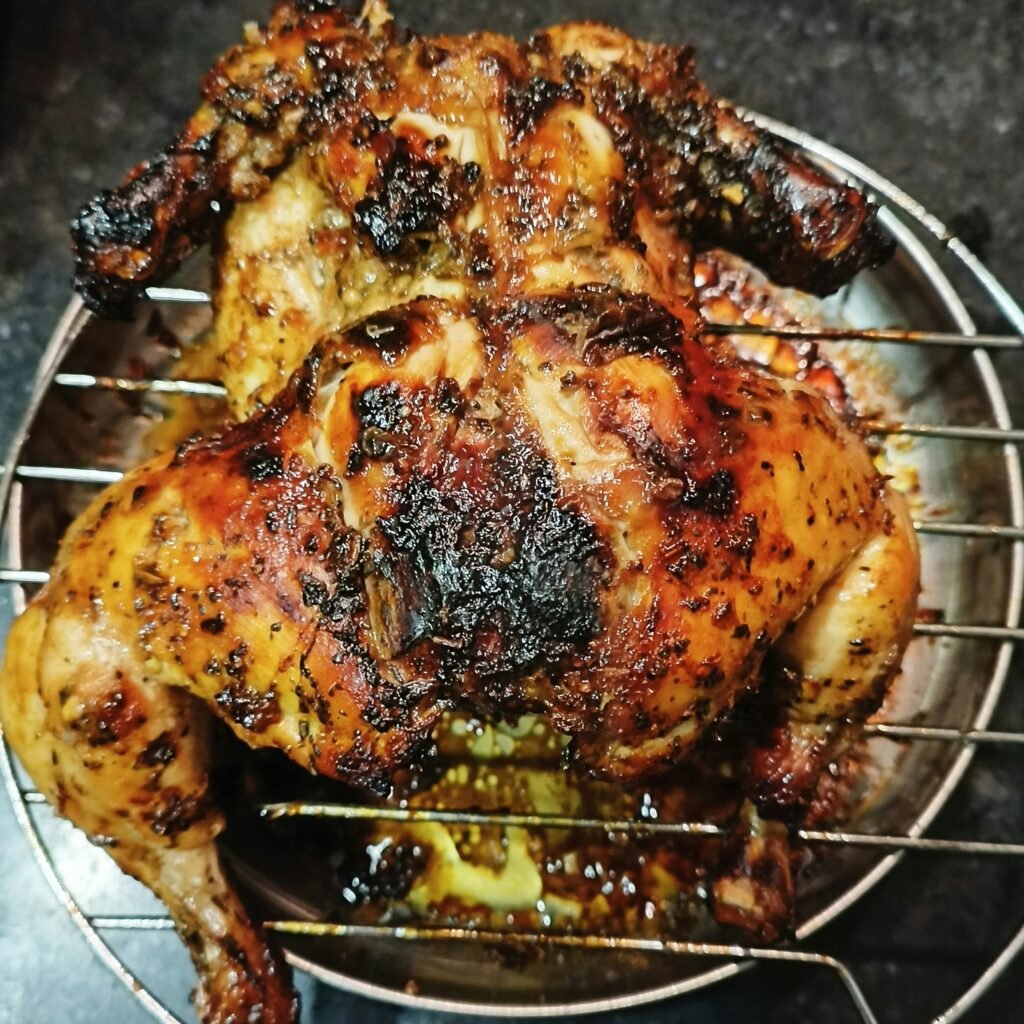
Jerk chicken, a quintessential dish originating from Jamaica, offers a complex flavor profile that is synonymous with bold spices and smoky undertones. Upon initial examination, the dish is visually striking, typically showcasing a deep, rich brown color marked with charred, crispy edges resultant from the grilling process. The well-defined marbling of the chicken highlights the careful preparation that goes into achieving the traditional jerk style.
The aroma of jerk chicken is immediately enticing, balancing spicy notes with a hint of sweetness from ingredients like brown sugar and allspice. As one approaches a platter of jerk chicken, the enticing fragrance of herbs such as thyme and scallions adds an additional layer of depth. The sensory pleasure continues upon tasting; the texture is both succulent and slightly crispy, providing a satisfying contrast that enhances the overall experience. The marinated chicken is often tender, indicative of a proper marination period that allows the spices to permeate deeply.
Flavor-wise, authentic jerk chicken showcases a harmonious blend of heat and spice, typically featuring ingredients such as Scotch bonnet peppers, garlic, and ginger. Each bite delivers a layered experience ranging from spicy to savory, often complemented by a hint of smokiness derived from the traditional cooking method over pimento wood. Various establishments have put their unique spin on this iconic dish, influencing both the taste and the level of authenticity found in jerk preparations. From upscale restaurants to vibrant street vendors, the culinary variations reflect personal recipes passed through generations.
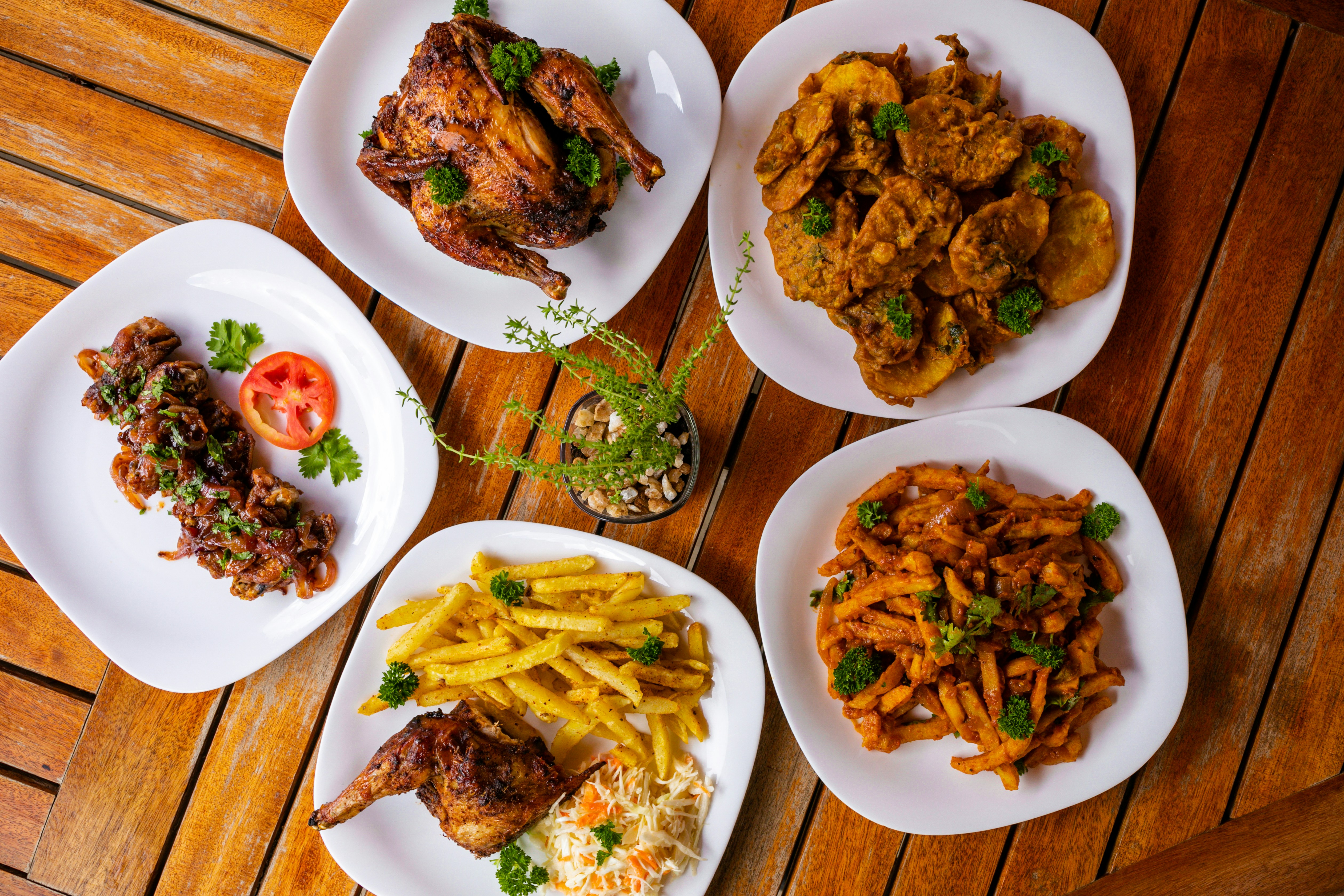
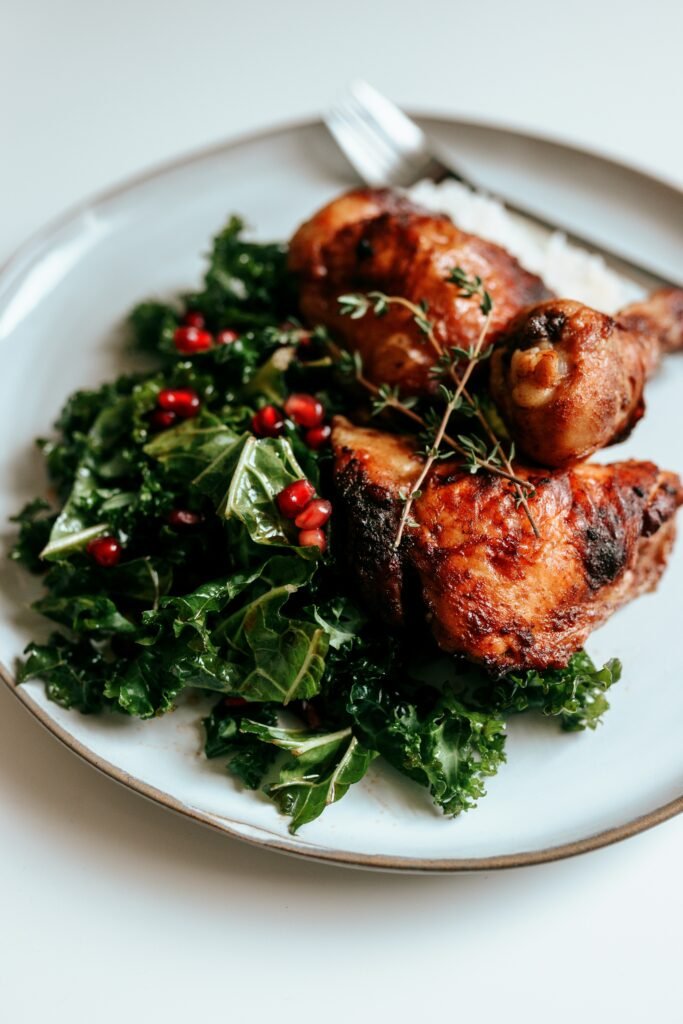
To elevate the dining experience further, jerk chicken pairs wonderfully with traditional sides such as rice and peas, coleslaw, or fried plantains. Additionally, a refreshing beverage selection, including traditional rum drinks or tropical fruit juices, can refresh the palate, enhancing the robust flavors of the meal. The diverse styles of jerk chicken available in various locales demonstrate the dish’s versatility and the deep-seated cultural heritage that accompanies it.