
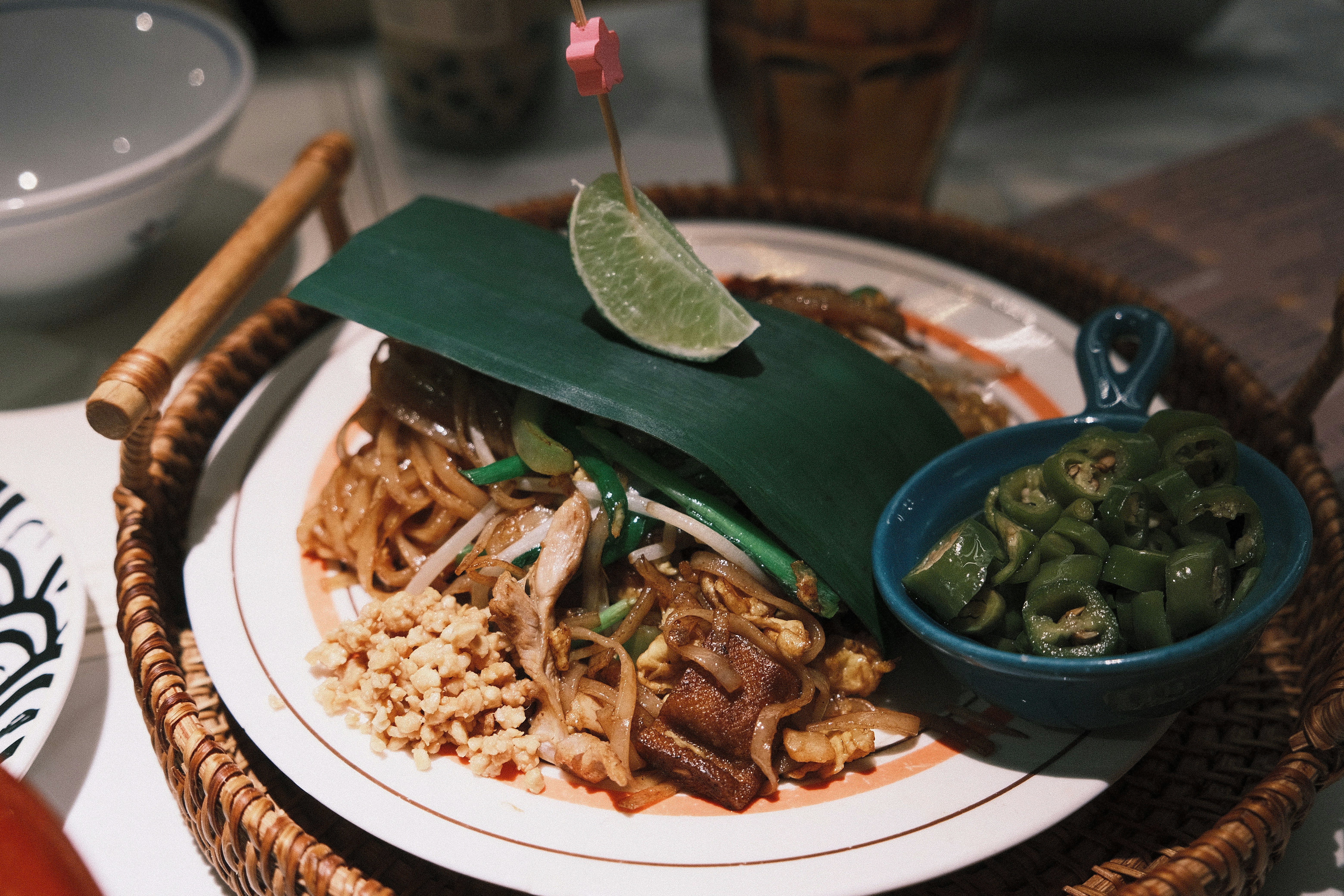
Historical Background of Pad Thai
Pad Thai, a beloved and internationally recognized Thai dish, has a rich history that traces its origins to the early 20th century. Its development is a fascinating reflection of Thailand’s cultural transformations and culinary evolutions. Traditional street food, Pad Thai is characterized by stir-fried rice noodles combined with various ingredients, including shrimp, chicken, tofu, vegetables, eggs, and a distinctive sauce made from tamarind paste and fish sauce. While its precise beginnings remain somewhat obscure, it is widely believed that Pad Thai was significantly influenced by Chinese culinary practices, especially the method of stir-frying noodles.
During the early 1930s, the dish gained prominence as a result of nationalistic efforts led by Prime Minister Plaek Phibunsongkhram. He initiated a campaign to promote Thai nationalism and identity, advocating the adoption of a unified Thai culture. As part of this movement, Phibunsongkhram recommended Pad Thai as a national dish, thus elevating its status among the Thai population and integrating it into everyday dining. This strategic promotion not only popularized the dish but also helped to distinguish it from other culinary traditions present in the region.
The influence of migration and cultural exchanges played a crucial role in shaping Pad Thai. The amalgamation of flavors and cooking techniques from various cultures facilitated the evolution of this dish. At the same time, it became a symbol of Thai identity, reflecting the complexities and nuances of the country’s history. Today, Pad Thai is celebrated not only within Thailand but also across the globe, embodying both the country’s culinary heritage and its adaptability to global influences. Overall, the historical context of Pad Thai reveals much about the social and cultural dynamics of Thailand, underscoring its significance as more than just a dish; it represents resilience, national pride, and a vibrant culinary landscape.
Key Ingredients and Preparation
Pad Thai, a beloved dish originating from Thailand, stands out due to its distinctive combination of ingredients and the method of preparation. The core component of Pad Thai is the rice noodles, which serve as the foundation of the dish. These thin noodles absorb the robust flavors of the accompanying ingredients and sauces, resulting in a harmonious marriage of textures and tastes. Traditionally, rice noodles are soaked in water before being stir-fried, ensuring they achieve the perfect balance of tenderness and chewiness.
Tofu and shrimp commonly accompany these rice noodles, providing a contrast of textures and flavors that enhances the overall dining experience. Tofu, often chosen for its versatility, absorbs surrounding flavors while adding a rich source of protein for vegetarians. Shrimp, with its tender and slightly sweet profile, offers an oceanic freshness that complements the dish beautifully. Eggs are another essential ingredient; they are scrambled into the mix, adding creaminess and depth to the overall flavor.
Bean sprouts contribute a refreshing crunch, elevating the textural profile of Pad Thai, while crushed peanuts introduce a nutty flavor and additional crunch. These toppings are often added just before serving, ensuring they retain their crispness. Moreover, Pad Thai is typically garnished with fresh lime wedges and cilantro, which invigorate the dish with a burst of citrus and herbaceous tones.
Regional variations of Pad Thai can offer different ingredients or cooking techniques. For instance, some regions might incorporate crispy fish or alternative protein sources. The cooking method, involving quick stir-frying at high temperatures, plays a crucial role in preserving the freshness of each ingredient while melding their flavors. Overall, understanding the key ingredients and preparation techniques reveals the intricacies of Pad Thai, making it not just a meal but a culinary experience steeped in tradition and creativity.
Culinary Experience: Taste and Texture
Pad Thai is a dish that embodies a harmonious blend of flavors and textures, making it a staple in Thai cuisine. The combination of sweet, sour, salty, and umami elements creates a complex flavor profile that captivates diners. On my culinary journey, I had the pleasure of tasting Pad Thai at multiple renowned establishments, each offering a unique interpretation while adhering to its traditional roots. The first bite is often a delightful experience, with the soft rice noodles coated in a slightly sweet and tangy tamarind sauce, delivering a comforting familiarity that makes this dish immensely popular.
The texture of Pad Thai is equally compelling, featuring a contrast between the tender noodles and the crunchiness of roasted peanuts. As I enjoyed my Pad Thai at a bustling street food stall in Bangkok, the addition of fresh bean sprouts and sliced scallions contributed not only to the taste but also to a refreshing crunch that complemented the softer elements of the dish. The vibrant vegetables invited a satisfying mouthfeel, balancing the palate with each forkful. It’s moments like these that highlight the expertise in creating not just a meal, but a culinary experience that is so deeply satisfying.
Presentation also plays a significant role in enhancing the overall enjoyment of Pad Thai. During a visit to a local Thai restaurant, the bright colors of the dish—golden noodles garnished with specks of green and pink shrimp—truly stood out. The inviting aroma wafting from the plate sparked anticipation, setting the stage for an unforgettable gastronomic experience. The presentation of Pad Thai serves as a visual cue, signaling the exciting medley of flavors and aromas that are about to unfold with each bite.
In summary, Pad Thai offers a delightful blend of tastes and textures that engage the senses and evoke fond memories of its cultural heritage. Each tasting experience reinforces the dish’s status as a beloved favorite across the globe.
Pad Thai’s Global Popularity and Evolution
Pad Thai has transcended its origins in Thailand to become a beloved dish around the world. Its allure lies not only in its unique combination of flavors but also in its cultural significance as a representation of Thai cuisine. As it traveled across borders, Pad Thai underwent various adaptations, reflecting local culinary preferences while still retaining its core essence. Different countries have embraced this iconic dish, contributing to its global popularity.
In the United States, for instance, Pad Thai often features a more pronounced sweetness, with an increase in the use of sugar, while the addition of proteins such as shrimp and chicken has become commonplace. This modification aims to cater to American palates and dietary preferences, emphasizing rich flavors and a satisfying dining experience. Similarly, in European countries, local ingredients like seasonal vegetables or different types of noodles have been incorporated, creating unique versions of this famous dish. Such adaptations illustrate the versatility of Pad Thai in satisfying diverse tastes while preserving its foundational elements.
Furthermore, the cultural significance of Pad Thai extends beyond mere culinary enjoyment. As a globally recognized dish, it serves as a bridge between cultures, introducing people from various backgrounds to the rich flavors of Thai cuisine. Pad Thai has gained popularity as a street food option in international food markets, further solidifying its status as a culinary ambassador. It represents not only a meal but also shared experiences and connections, fostering an appreciation for Thai culinary traditions. Its evolution on the international stage highlights the importance of adaptability and cultural exchange in the global food landscape.