
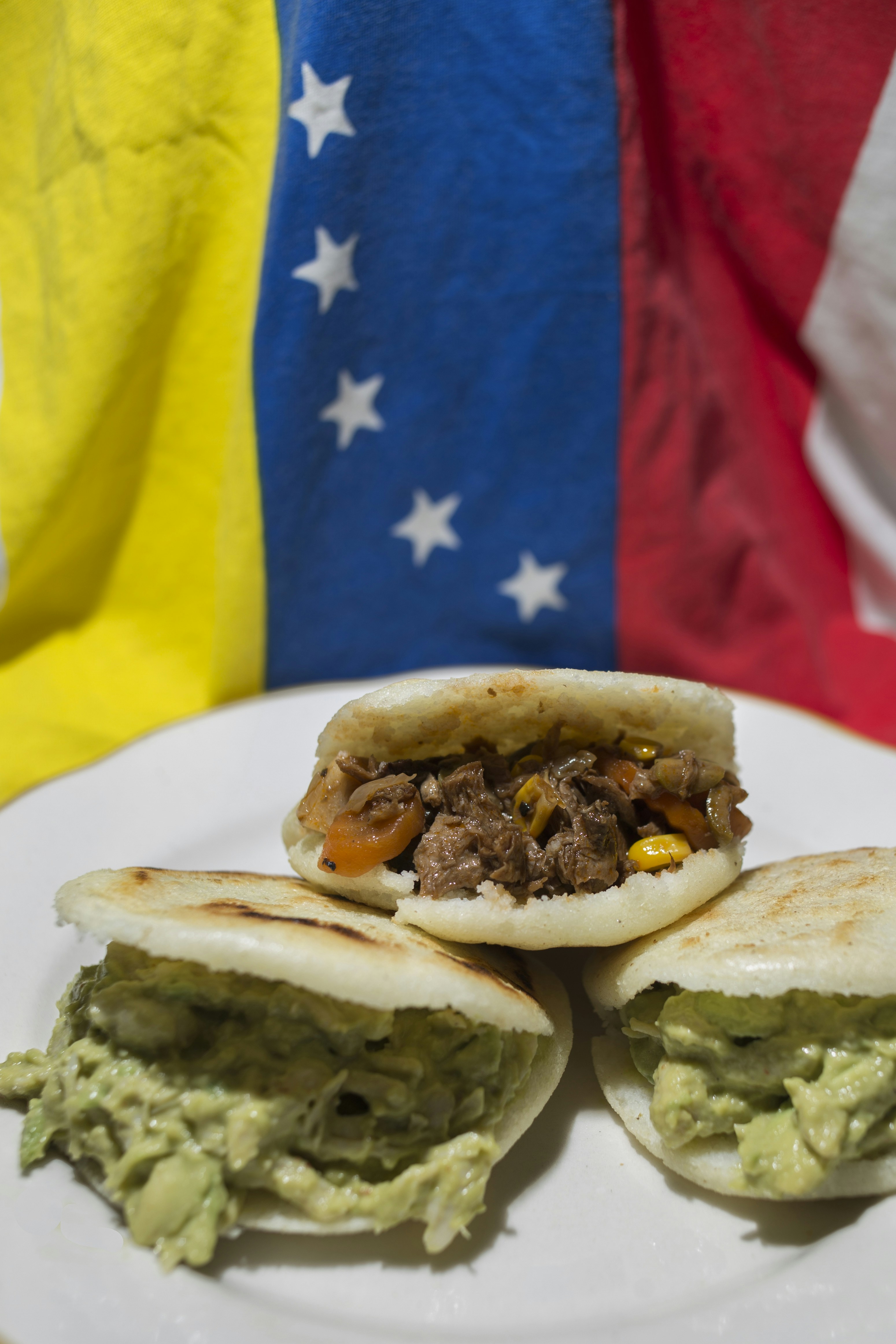
Introduction to Arepas: A Culinary Delight
Arepas are a traditional staple in the culinary landscapes of Venezuela and Colombia, serving as a vital element of both daily meals and festive occasions. Originating from the indigenous peoples of these regions, the arepa has evolved over centuries, becoming a cherished item that reflects the rich cultural heritage of its creators. Its foundational ingredient, masa arepa, is made from ground maize flour, which is then transformed into a versatile dough that can be grilled, baked, or fried to create the distinctive flatbread.
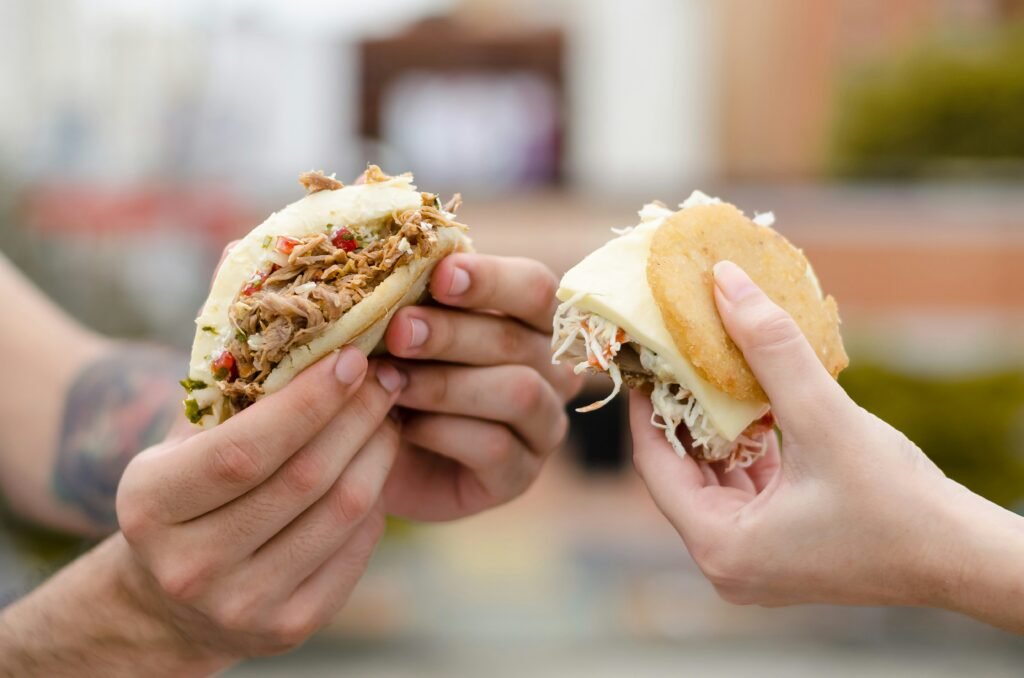
The cultural significance of arepas cannot be overstated. They are not merely a food item but rather an integral part of the daily life and identity of many Venezuelans and Colombians. Arepas can signify home, family gatherings, and celebrations, with each region boasting its unique style and filling preferences. For instance, in Venezuela, arepas may be stuffed with a range of delicious fillings, including shredded beef, cheese, or black beans. Meanwhile, Colombian arepas often feature different ingredients, like sweet corn, and might be enjoyed plain or with a simple topping.
Moreover, the variety of fillings and toppings available enables an abundance of flavor combinations, catering to diverse palates. The adaptability of the arepa allows it to accommodate an array of ingredients, from savory to sweet, thus appealing to a broad audience. Whether enjoyed as breakfast, lunch, or dinner, arepas are a versatile dish that promotes creativity in the kitchen.
Through exploring the origins, ingredients, and variations of arepas, one gains an appreciation for their essential role in Venezuelan and Colombian cuisine. This blog post aims to further delve into the myriad flavors and experiences associated with arepas, inviting readers to savor the culinary delights they offer.
The Different Types of Arepas: A Flavorful Spectrum
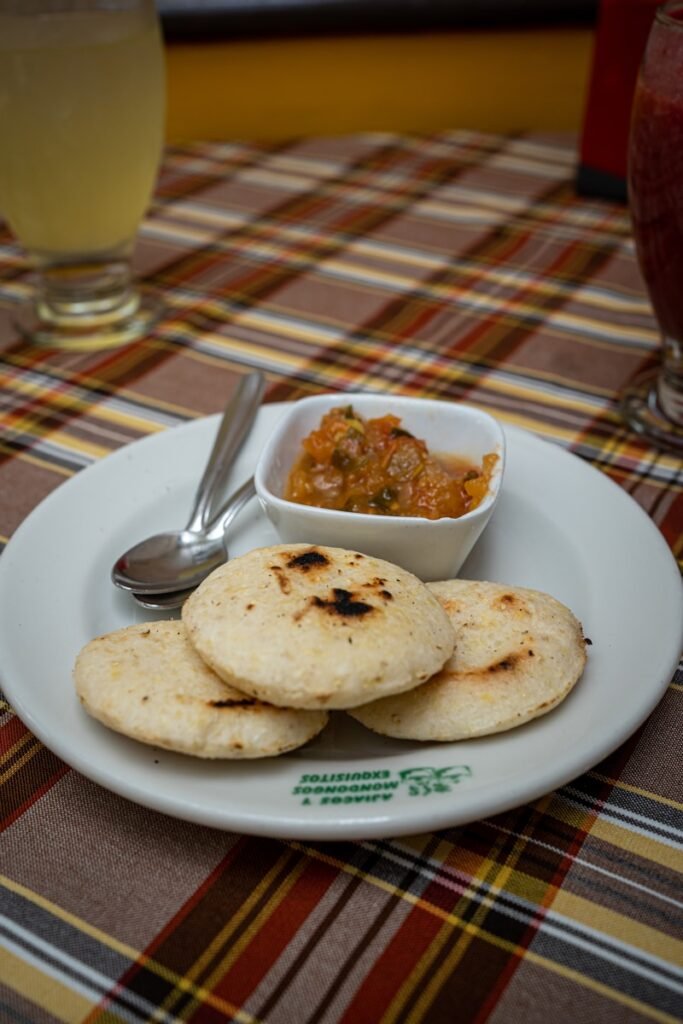
Arepas are a cherished staple in both Venezuelan and Colombian cuisine, taking many forms and flavors. Each type of arepa reflects the diversity of its origins, showcasing distinct ingredients, preparation methods, and cultural significance. Among the many variations, three prominent types stand out: the Arepa Reina Pepiada, Arepa de Choclo, and Arepa Pelua.
The Arepa Reina Pepiada is renowned for its delightful filling of chicken, avocado, and mayonnaise. This arepa hails from Venezuela, where it is often enjoyed as a hearty meal. The name “Reina Pepiada,” loosely translated to “The Peppy Queen,” embodies its celebrated status in Venezuelan hospitality. Its combination of textures and flavors provides a rich culinary experience, symbolizing the country’s embrace of fresh and vibrant ingredients.
Another popular variant, the Arepa de Choclo, is particularly beloved in Colombia. Made from fresh corn, this arepa has a slightly sweet flavor and a tender texture. Typically filled with cheese and often griddled to perfection, the Arepa de Choclo embodies the agricultural richness of Colombia. It’s common to find this version at street vendors throughout the country, where it serves as a comforting snack or light meal. The use of corn speaks to a deep cultural history, celebrating the pre-Columbian heritage of maize as a dietary staple.
Lastly, the Arepa Pelua showcases shredded beef along with cheese, creating a savory and satisfying dish that is equally popular in both countries. Often grilled or baked, this arepa encapsulates the essence of home-cooked comfort food. The name “Pelua,” which means “hairy” in Spanish, refers to the distinctive cheese topping that resembles hair, adding to the arepa’s unique appeal. Each of these varieties not only highlights local ingredients but serves as a narrative of community and tradition in the culinary landscape of Latin America.
The Arepa Experience: Tasting and Flavor Profiles
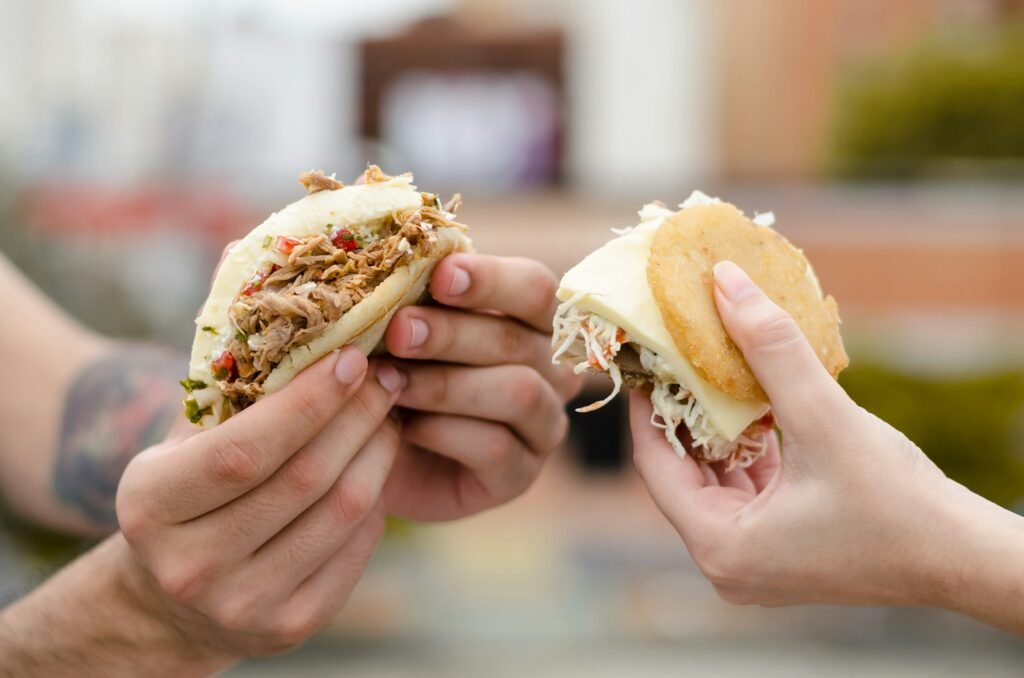
The sensory experience of tasting an arepa is a journey through a variety of textures, aromas, and flavors. Arepas, iconic to both Venezuelan and Colombian cuisine, are typically made from ground maize dough, resulting in a pleasingly thick yet tender texture. When first encountered, the arepa’s surface provides a delightful crispiness, while the interior remains soft and warm, often with slight chewiness. This ideal textural contrast enhances the overall tasting experience, making each bite a celebration of sensory delight.
Aromatically, arepas can vary depending on the fillings and cooking methods employed. For instance, grilled arepas benefit from a subtle smokiness that complements their rich, buttery taste. Commonly used fillings, such as shredded beef, pork, cheese, or avocado, also contribute unique scents that elevate the experience further. When you unwrapped a warm, freshly-made arepa, the mingling fragrances elicit immediate anticipation for the tasting that follows.
The flavor profiles are equally diverse. While the plain arepa may offer a mild, comforting corn flavor, its fillings can range from savory to spicy, ensuring that every palate is satisfied. Anecdotes from testers often highlight encounters with arepas that feature a blend of cheese and chorizo, which creates a rich, indulgent experience. Others may prefer the sweet contrast of an arepa de choclo, made from fresh corn, served with a drizzle of honey or a dash of cheese.
In addition to the arepa itself, traditional pairings enhance the overall meal experience. A side of guasacaca—a creamy avocado salsa—introduces a refreshing element, while a serving of fried plantains can introduce sweetness, providing balance to the meal. Overall, savoring arepas is about appreciating the harmony of textures, aromas, and flavors that transport you through the culinary landscapes of Venezuela and Colombia.
Where to Find the Best Arepas: A Guide for Food Lovers

For enthusiasts looking to indulge in authentic arepas, there are numerous establishments across cities that celebrate this cherished dish. From local eateries and food trucks to popular restaurants, food lovers will find a variety of options to savor the rich flavors of Venezuela and Colombia. One such acclaimed spot is Arepa Factory in New York City, known for its diverse menu that features both traditional and innovative fillings. Their shredded beef and black bean arepa is particularly loved for its balance and richness, drawing in crowds eager for a taste of Latin America.
In Miami, La Latina is a must-visit for those seeking to experience a true arepa haven. This vibrant restaurant offers a wide range of arepas, including vegetarian options like the classic cheese and avocado arepa, making it a favorite among locals and tourists alike. The inviting ambiance and friendly staff contribute to a memorable dining experience.
Food trucks also provide great opportunities for discovering exceptional arepas. The Arepa Peruanita food truck in Los Angeles has garnered a loyal following, serving mouthwatering fillings such as chorizo and cheese, all within a cozy and casual atmosphere. Their readiness to adapt to various dietary preferences ensures that everyone can enjoy this beloved dish.
If you wish to embark on the culinary journey of making arepas at home, the process is wonderfully accessible. A simple recipe includes a mixture of arepa flour, water, and salt, while the fillings can range from cheese to meats and vegetables. There are many resources available online that provide detailed guidance and creative filling ideas to help you expand your arepa-making skills. Engaging with this culinary art at home not only enhances appreciation for arepas but also fosters a deeper connection with the vibrant cultures they represent.