
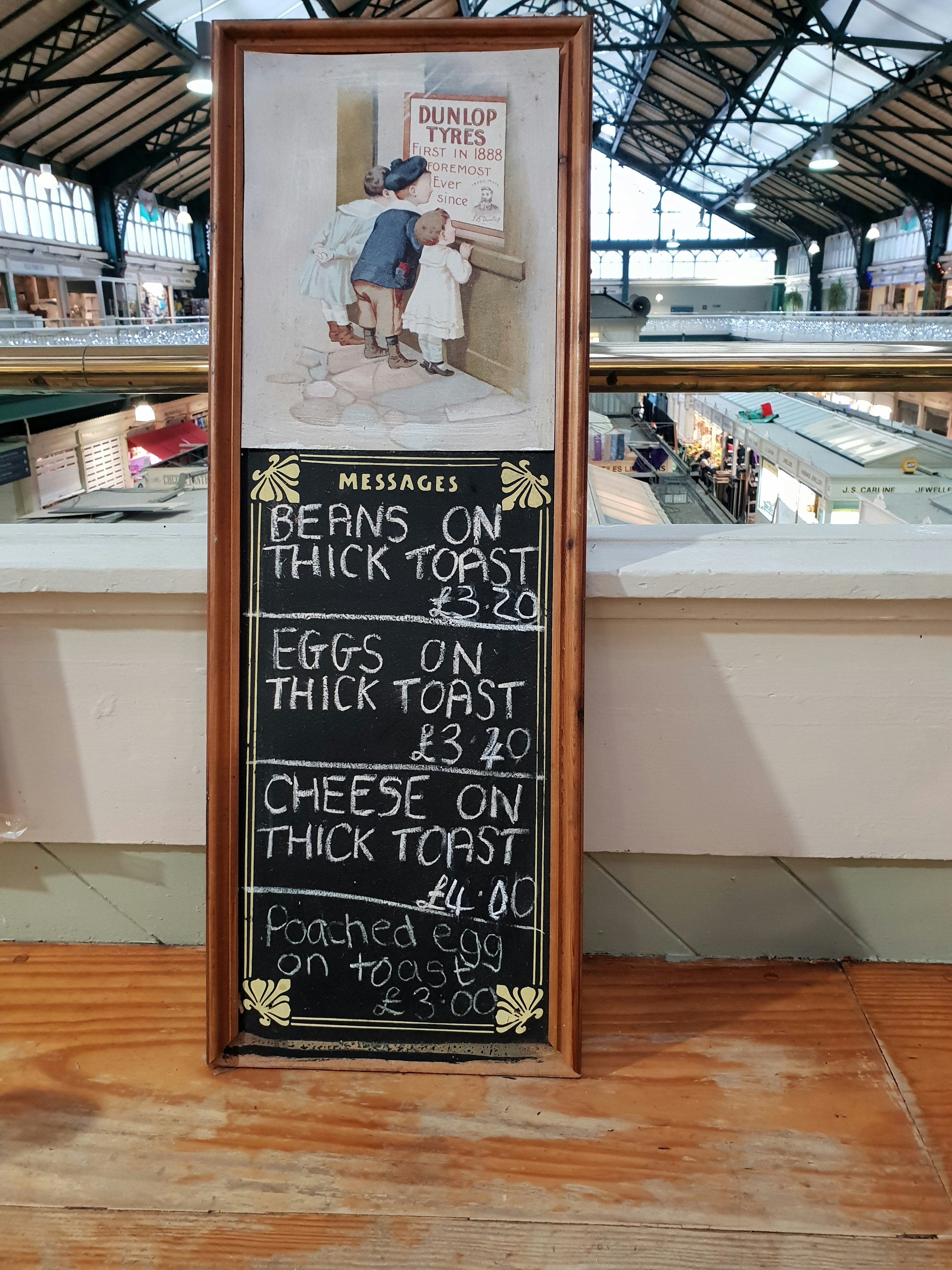
Introduction to Beans on Toast
Beans on toast is a quintessential dish deeply embedded in British culinary culture. It traces its origins back to the early 20th century, rising from the humble kitchens of working-class households during a time when affordability and sustenance were paramount. This simple yet hearty meal, consisting of buttered toast topped with baked beans, has evolved significantly over the decades, transforming into a beloved comfort food across various demographics.
Historically, beans served as an economical source of protein, making them a staple in many households facing the challenges of food scarcity and economic uncertainty. The dish gained traction in the post-war era, celebrated not only for its nutritional value but also for its accessibility. Moreover, the versatility of beans on toast is part of its charm; it can be enjoyed at breakfast, lunch, or dinner, appealing to diverse tastes and preferences. This adaptability has contributed to the dish’s enduring popularity, enabling it to navigate generational shifts and changing food trends.
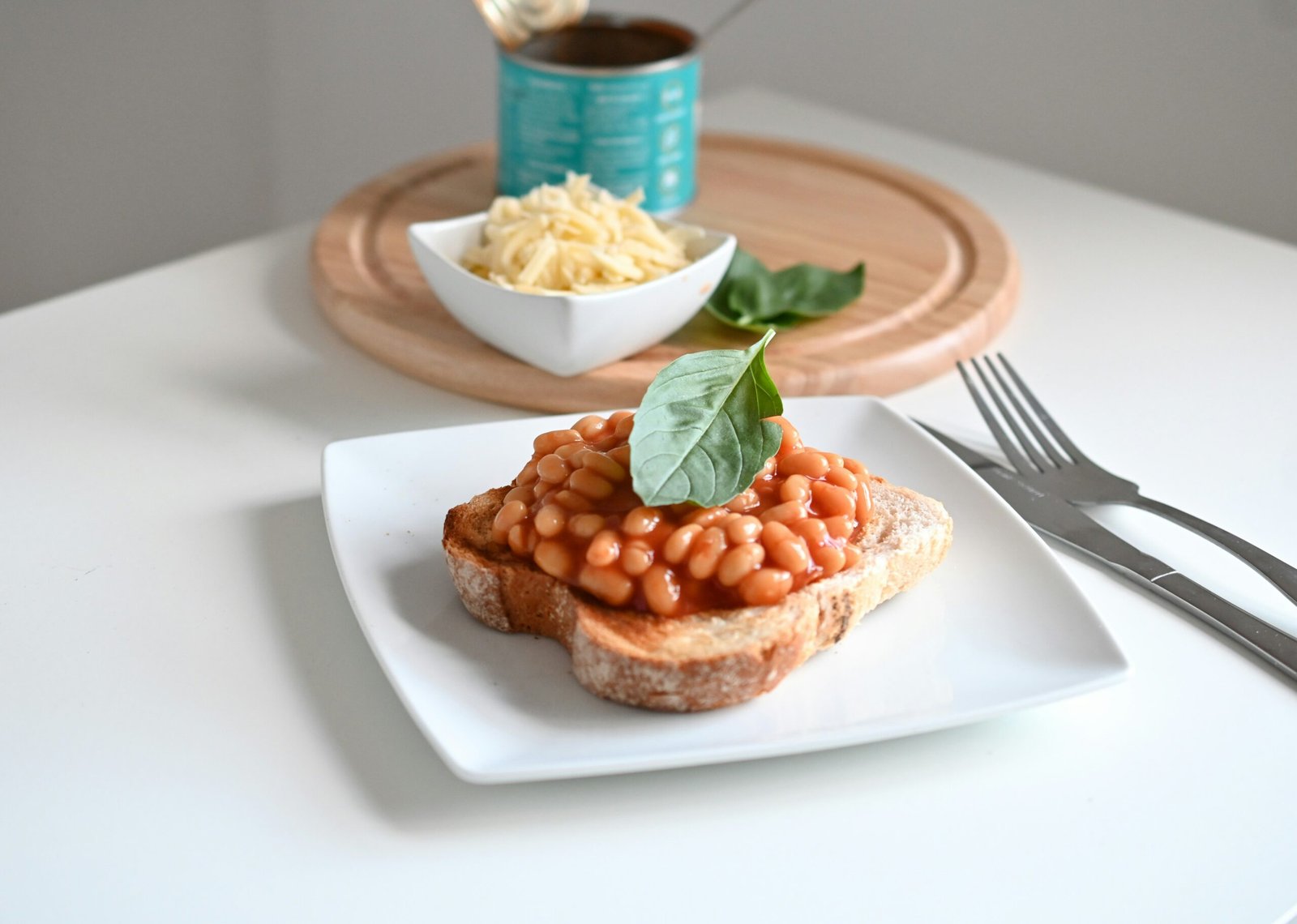
Moreover, beans on toast reflects broader culinary traditions and cultural nuances. Variations abound depending on regional ingredients and personal preferences, showcasing the dish’s adaptability. While traditional recipes often feature plain baked beans, many modern iterations incorporate flavors such as cheese, herbs, or chili, highlighting contemporary culinary creativity. This transformation illustrates how a simple staple can evolve into a canvas for experimentation, allowing individuals to customize their experience while honoring its roots.
In essence, beans on toast is more than just a plate of beans and bread; it symbolizes a history of resilience and resourcefulness. This classic British dish serves as a reminder of the intersection of food, culture, and economy, making it a fascinating subject for both culinary enthusiasts and casual diners alike.
Types of Beans and Preparation Methods
Beans are a beloved staple in many culinary traditions, and they offer a variety of flavors, textures, and nutritional benefits when used in dishes such as beans on toast. Among the most popular types of beans used for this dish are baked beans, kidney beans, and black beans, each contributing unique characteristics to the overall experience.
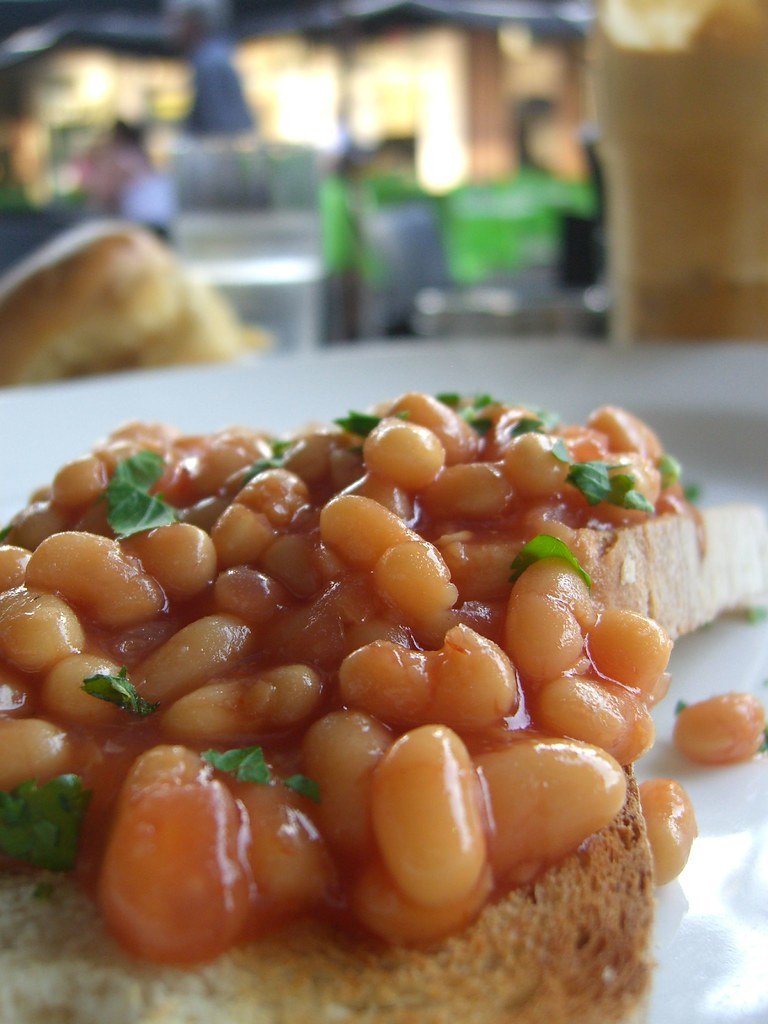
Baked beans are often the go-to choice for a classic beans on toast dish. Typically made with navy beans, they are prepared in a savory sauce that usually includes ingredients like tomatoes, molasses, and spices. Their sweet and tangy flavor pairs well with crispy toast, making them a popular comfort food across various cultures. Alternatively, kidney beans, with their firm texture and deep color, deliver a robust earthiness to the dish. They are commonly used in chili or mixed bean salads, but can also provide interesting variations in taste and texture when used for beans on toast.
Black beans, known for their creamy consistency and slightly sweet flavor, are another great option for this meal. They hold their shape well during cooking and add a rich depth that enhances the toast experience. Each type of bean not only influences the dish’s flavor profile but also contributes different nutritional benefits, making the choice vital for those looking to enhance their health through their meals.
When it comes to preparation, there are several methods to consider. Traditional boiling is a straightforward technique that allows for control over cooking time and texture, ensuring that beans maintain their structural integrity. Baking the beans can enhance their flavor, particularly when using a blend of spices and sauces. Canned beans offer convenience, requiring minimal preparation while still delivering satisfying taste. For those interested in a home-cooked approach, soaking dried beans overnight and cooking them slowly can elevate the overall experience, allowing for flavorful infusions from spices and herbs added during the cooking process.
The Bread Factor: Choosing the Right Toast
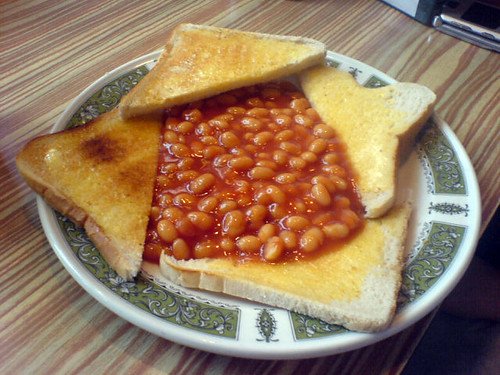
When it comes to creating the perfect beans on toast, the choice of bread plays a crucial role that can significantly enhance the overall experience. The bread not only serves as the base for the dish but also contributes to the flavor profile and texture that complement the savory beans. Various types of bread can be employed, each bringing its unique characteristics to the table.
Classic white bread is a popular choice due to its neutral flavor and soft texture. It absorbs the flavors of the beans and sauces without overpowering them, providing a familiar and comforting foundation. On the other hand, whole grain bread offers a nuttier flavor and increased nutritional value, thanks to its higher fiber content. This choice adds a wholesome aspect that can make the dish feel more substantial.
Sourdough is another exceptional option, known for its tangy taste and chewy crust. The fermentation process involved in sourdough yields a distinctive flavor that pairs wonderfully with the savory notes of beans, often creating a delightful balance. For those with dietary restrictions, gluten-free bread can be utilized without sacrificing quality. Many gluten-free varieties now available in the market can deliver an enjoyable crunch, ensuring that those avoiding gluten can still savor a classic dish.
In addition to the choice of bread, the toasting technique can greatly influence the enjoyment of beans on toast. Achieving the right level of crispiness can provide an additional layer of texture, enhancing each bite. Furthermore, incorporating toppings such as butter, cheese, or fresh herbs can elevate the dish to new heights. Butter can add richness, while cheese introduces a creamy element that melds beautifully with the beans. Fresh herbs like parsley or chives can introduce brightness, rounding out the flavors for a more sophisticated experience.
Nutritional Value and Health Benefits
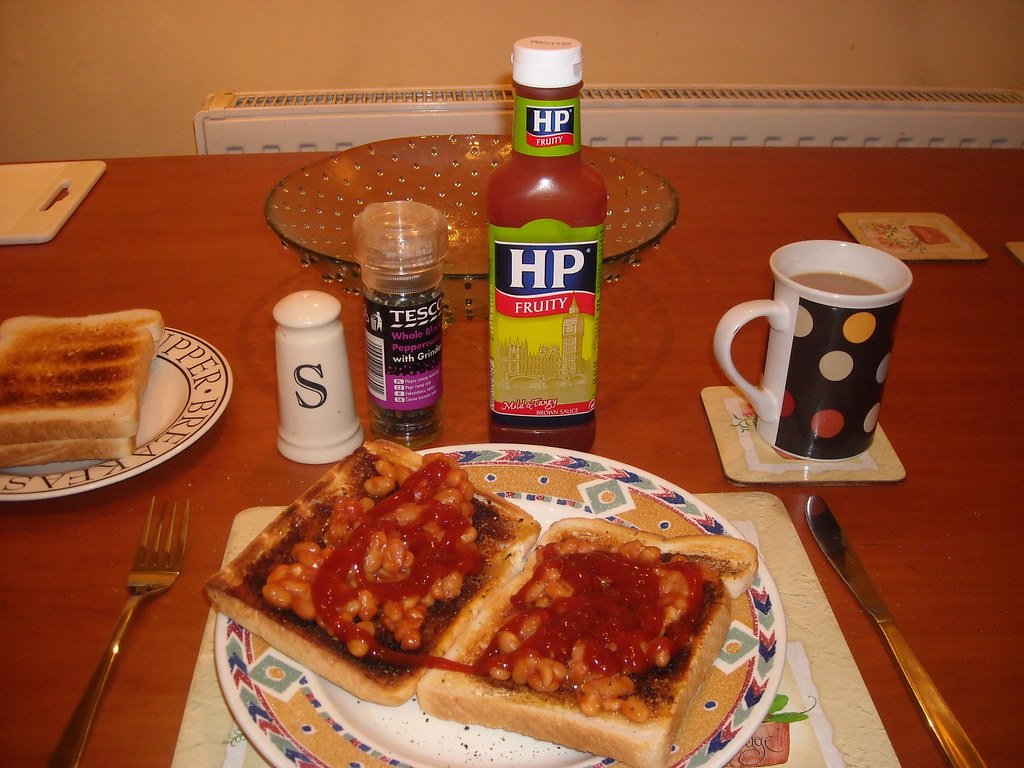
Beans on toast is not only a comforting meal but also a nutritious one that offers a variety of health benefits. The primary ingredients, beans and bread, each contribute essential nutrients that, when combined, create a balanced dish. Beans, particularly varieties such as kidney, black, and chickpeas, are high in protein and dietary fiber. A single serving can provide up to 15 grams of protein, making it an excellent option for individuals seeking to enhance their protein intake without relying solely on animal sources. Moreover, the fiber content in beans promotes digestive health and can assist in maintaining a healthy weight by fostering a feeling of fullness.
On the other hand, the bread used in this dish supplies carbohydrates, which are vital for energy. Whole grain or whole wheat bread is preferred, as it contains more nutrients and fiber compared to white bread. This addition not only complements the protein and fiber from the beans but also offers various vitamins and minerals, such as B vitamins and iron, necessary for energy metabolism and overall well-being.
Beans on toast is particularly valuable for individuals following vegetarian and vegan diets, as it provides a complete meal that meets protein and fiber needs. The combination also fits well within a balanced diet, as it comprises protein, healthy fats (if topped with avocado or olive oil), and carbohydrates—all essential macronutrients. Adjusting portion sizes and adding varied toppings can transform this simple dish into a gourmet meal while maintaining its health value.
By incorporating ingredients such as tomatoes, spinach, or herbs, one can introduce additional vitamins and minerals, enhancing not only flavor but also the nutritional profile. In summary, beans on toast serves as a wholesome meal option that caters to diverse dietary preferences while ensuring a rich intake of essential nutrients.