
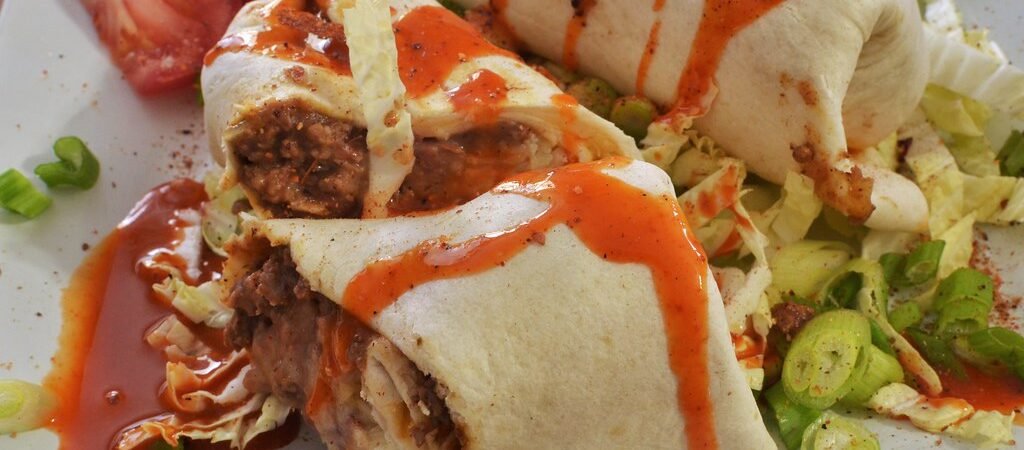
- Introduction to Burritos: A Culinary Journey
- Essential Ingredients for the Perfect Burrito
- Choosing the Right Protein: Meat and Meat Alternatives
- The Perfect Tortilla: Types and Tips
- Building Your Burrito: Layering Techniques
- Enhancing Burrito Flavors with Salsas, Sauces, and Spices
- Wrapping Techniques: Keeping it Together
- Serving Suggestions: Accompaniments and Sides
- Conclusion: Personalizing Your Burrito Experience
Introduction to Burritos: A Culinary Journey
The burrito, a beloved staple in Mexican cuisine, embodies a rich history that dates back to the early 20th century. Its origins are often linked to the state of Sonora, where it is believed that the first version was created to facilitate the transport of food. Named after the Spanish word for ‘donkey,’ the burrito was conceived as a convenient meal for laborers, with various fillings wrapped in a tortilla, allowing for portability and ease of consumption.
As the burrito gained popularity in Mexico and gradually crossed into the United States, it underwent numerous regional adaptations. Today, it can be found in various forms, ranging from the traditional beans and cheese-filled variety to the extravagant fusion versions laden with diverse ingredients such as grilled chicken, seafood, and an array of fresh vegetables. Each region has its own subtle variations, reflecting local tastes and cultural influences. For example, the California burrito includes French fries, while the Mission-style burrito, originating from San Francisco, is known for its oversized portions and generous fillings.
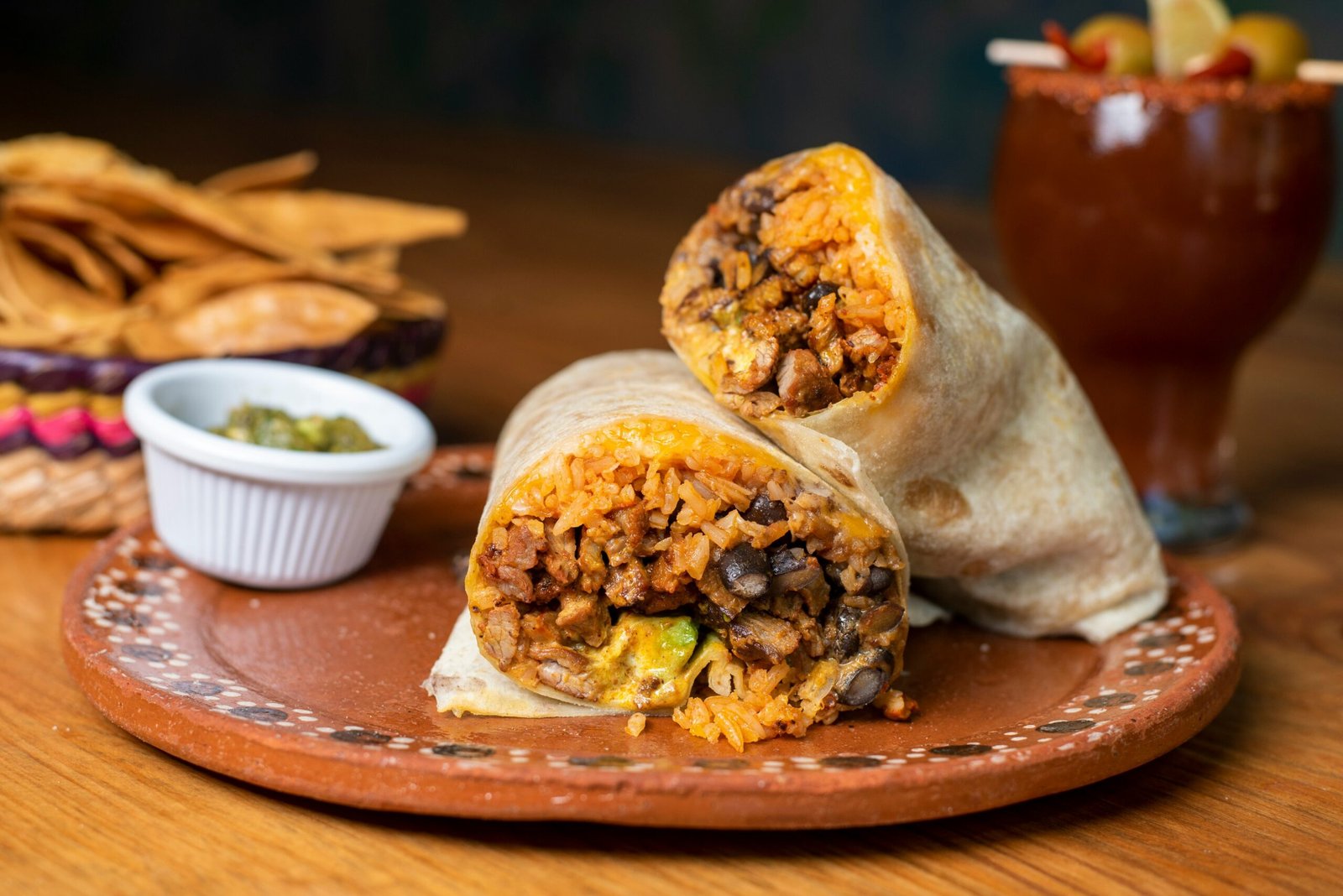
The popularity of burritos has transcended borders, making them a significant part of the culinary landscape in many parts of the world. Cultural significance is evident as burritos are embraced in various guises, from fast food options in the U.S. to gourmet interpretations in upscale restaurants. In many ways, burritos embody the spirit of fusion cuisine—a meal that adapts to local ingredients while retaining its core identity. This cultural exchange allows burritos to resonate with diverse communities, making them more than just a meal; they are a symbol of communal sharing and culinary exploration. As we delve deeper into how to build the perfect burrito, it is essential to appreciate this rich heritage and the myriad of flavors it brings to the table.
Essential Ingredients for the Perfect Burrito
Creating the perfect burrito begins with selecting the right ingredients, each contributing to the overall flavor and texture of this beloved dish. The first essential component is the tortilla, which serves as the foundation. Flour tortillas are typically considered the classic choice due to their pliability and mild flavor, but corn tortillas provide a gluten-free alternative that is equally feasible. The size of the tortilla is also important, with larger versions allowing for more filling.
Next, we move to proteins. Ground beef, chicken, and pork are traditional meat options, but it is essential to include vegetarian alternatives to cater to a wider audience. Grilled vegetables, sautéed mushrooms, or spiced tofu can add depth and flavor while satisfying those who prefer plant-based diets. Additionally, legumes like black beans or pinto beans are popular choices, offering not only a source of protein but also adding a creamy texture to the burrito.
An array of grains can elevate your burrito’s nutritional value. Brown rice, quinoa, and couscous are excellent additions, providing a hearty base that pairs well with both meat and vegetables. It is advisable to choose whole grains when possible, as they tend to be more filling and nutritious.
Lastly, fresh vegetables and toppings are indispensable for constructing a well-rounded burrito. Ingredients such as lettuce, tomatoes, onions, and peppers contribute crunch and brightness. Toppings like cheese, sour cream, and guacamole enhance the overall experience, offering creamy and rich contrasts to the other ingredients. Importantly, high-quality, fresh ingredients should never be overlooked, as they are crucial in elevating the flavor profile of any burrito.
Choosing the Right Protein: Meat and Meat Alternatives
When building the perfect burrito, selecting the right protein is essential to achieving a well-balanced flavor profile and texture. The protein options can be divided into two primary categories: traditional meats and plant-based alternatives.
Among the most popular meat choices are chicken, beef, pork, and fish. Chicken is renowned for its versatility; it can be seasoned in various ways, with options like marinating it in a mix of lime juice, cumin, and garlic. This simple marinade not only enhances the flavor but infuses moisture into the meat during cooking. Beef, often preferred for its rich taste, can be prepared using flank steak or ground beef. A classic seasoning blend of chili powder, paprika, and salt can elevate its taste significantly. For pork lovers, options include shredded carnitas or pork belly, both of which benefit from slow cooking to retain juiciness and tenderness.
Fish, such as grilled shrimp or tilapia, offers a lighter alternative. Seasoning seafood with a citrus-based marinade can bring out its natural flavors and create a refreshing contrast within the burrito.
In addition to traditional meats, plant-based proteins have gained popularity, catering to diverse dietary preferences. Tofu, for instance, is an excellent meat substitute when marinated properly. Combining soy sauce, garlic, and ginger provides a flavorful profile that complements the burrito’s other ingredients. Tempeh, made from fermented soybeans, has a distinct nutty flavor and is ideal for grilling or sautéing. Legumes, including black beans or lentils, not only add protein but also contribute fiber, enhancing the nutritional value of your burrito.
Regardless of your choice between meat or plant-based options, the key lies in the preparation. Marinating, seasoning, and cooking your protein to perfection can transform an ordinary burrito into a culinary delight that showcases the complexity of flavors.
The Perfect Tortilla: Types and Tips
The tortilla is a fundamental component of a burrito, serving not only as a vessel but also adding texture and flavor. There are several types of tortillas available for burrito-making, each with unique characteristics. The most popular choice is the flour tortilla, known for its soft and pliable nature. These tortillas create a delightful wrap, which effectively holds the fillings without tearing. Their mild flavor allows the other ingredients to shine.
Corn tortillas offer a different experience, with a slightly firmer texture and a distinct taste that comes from the masa. While typically used in tacos, they can also be adapted for burritos. However, it is advisable to use them with caution, as they can be a bit more brittle compared to flour tortillas.
For individuals with dietary restrictions, gluten-free tortillas are widely available. These can be made from various ingredients, such as almond flour or rice flour, providing an alternative for those needing to avoid gluten. While they may not replicate the exact texture of traditional tortillas, they serve as a suitable option with their own unique flavor profiles.
When preparing tortillas for burrito assembly, warming them is essential. This increases pliability, making folding significantly easier. There are a few methods to warm tortillas: microwaving them for a few seconds, placing them in a skillet over medium heat, or wrapping them in foil and placing them in an oven. Additionally, it is beneficial to cover warm tortillas with a clean cloth to retain heat and prevent drying.
Finally, to achieve optimal burrito assembly, lay your ingredients centrally on the tortilla, leaving enough space on each side for folding. Practicing good tortilla preparation is crucial in creating the perfect burrito that combines texture, ease of assembly, and flavor.
Building Your Burrito: Layering Techniques
Assembling the perfect burrito is not merely about throwing ingredients together; it’s an intricate art that balances flavor, texture, and stability. When constructing your burrito, the order in which you layer the ingredients plays a significant role in the overall dining experience. Proper layering techniques will enhance taste and ensure that each bite delivers a delightful mix of flavors.
To begin with, it’s essential to start with a solid base. Use a generous scoop of your chosen rice or beans as the foundation. This not only provides a hearty base but also acts as a moisture barrier that helps in keeping the tortilla intact. It’s advisable to avoid overloading this layer, as too much moisture can lead to a disintegrating tortilla.
After establishing a secure base, the next step is to add proteins. Popular choices include seasoned chicken, beef, or plant-based alternatives. Placing proteins just above the base prevents them from getting soggy and allows the flavors to mingle without overwhelming the initial layer. While it may be tempting to pile on the protein, aim for a balanced portion. Generally, a quarter cup of protein is sufficient for most burritos.
Following the proteins, focus on adding vegetables. Fresh ingredients such as lettuce, tomatoes, and peppers not only introduce vibrant colors but also a refreshing crunch. When layering vegetables, consider using a mix of textures, keeping firmer vegetables at the bottom to support softer ones like salsa or guacamole that might add moisture.
Finally, complete your burrito with toppings such as cheese and sauces. Cheese should be sprinkled evenly to allow it to melt slightly, enhancing flavor. Sauces, whether it’s sour cream, salsa, or hot sauce, should be drizzled lightly rather than slathered on, as this maintains the structural integrity of your burrito. Keeping the ingredients layered correctly results in a satisfying burrito that bursts with flavor and holds together well when eaten.
Enhancing Burrito Flavors with Salsas, Sauces, and Spices
Creating a burrito that is bursting with flavor involves careful consideration of salsas, sauces, and spices. These components not only enhance the overall taste of your burrito but also provide an enjoyable contrast of textures. It is essential to find the right balance between heat and flavor, ensuring that each bite is satisfying without overpowering the palate.
One common choice for adding flavor is salsa. Classic salsa recipes often include fresh ingredients such as tomatoes, onions, cilantro, and jalapeños, blended together for a refreshing condiment. A simple recipe involves chopping two ripe tomatoes, one onion, and a handful of cilantro, then mixing in diced jalapeños to taste along with lime juice and salt. This salsa can provide a delightful zing, perfect for complementing the rich ingredients in your burrito.
For those looking for a creamier option, creamy sauces can elevate the experience. A popular choice is a cilantro-lime crema, which can be easily made by blending sour cream, fresh lime juice, and cilantro. This adds a cooling element that balances the heat from spicy fillings, enhancing the burrito’s flavor profile significantly.
Incorporating spices into your burrito fillings is another effective way to add depth of flavor. Spices like cumin, coriander, and smoked paprika can impart a warm, earthy flavor that pairs well with proteins such as chicken or beef. A simple spice blend might include one teaspoon of each of these spices, mixed with salt and pepper, to season the filling. This not only adds flavor but also awakens the essential characteristics of the main ingredients.
By thoughtfully adding salsas, sauces, and spices, you can transform your burrito into a culinary masterpiece. Experimenting with different combinations allows for personalizing flavors, ensuring that every burrito is a delightful creation tailored to individual tastes.
Wrapping Techniques: Keeping it Together
Successfully wrapping a burrito is essential to enjoy this flavorful dish without worrying about its contents spilling out. The first vital step is to select a tortilla that is large enough to accommodate your filling. A tortilla that is too small will make it extremely difficult to wrap securely. Typically, a 10- to 12-inch tortilla works best for this purpose.
Once you have your tortilla ready, it’s crucial to position it correctly on the work surface. Place the tortilla on a clean, flat surface with the smoother side facing down. This will help the tortilla hold together better as it cooks. Next, add your desired fillings—beans, rice, protein, vegetables, and your preferred sauces—above the centerline of the tortilla. It is recommended to avoid overfilling to prevent difficulties in wrapping.
To execute the wrapping technique, follow these steps: First, fold the sides of the tortilla inward towards the center. This creates a barrier, helping contain the ingredients within. Next, carefully lift the bottom of the tortilla up towards the filling. As you do so, tuck the filling in using your fingers to create a snug fit. Finally, while holding the sides and bottom securely, roll the burrito away from you, keeping it tight throughout the process. By following this method, you can ensure that the burrito holds together without any accidental spills.
Common mistakes to avoid include overstuffing the burrito, which can lead to a messy wrap, and not securing the tortilla tightly enough during the rolling process. Additionally, using a cold tortilla can make it more prone to cracking. Thus, it’s beneficial to warm the tortilla slightly before beginning the wrapping process, as it makes it more pliable and manageable.
Serving Suggestions: Accompaniments and Sides
To elevate the experience of enjoying a burrito, it is essential to consider a variety of accompaniments and sides. These complementing dishes and beverages not only enhance flavors but also create a well-rounded meal. One of the most popular sides to serve with burritos is tortilla chips. Crunchy and salty, they provide a delightful contrast to the soft, cohesive texture of a burrito. Furthermore, serving these chips alongside a zesty salsa, or even a fresh pico de gallo, can add an exciting layer of flavor.
Guacamole is another classic accompaniment that pairs perfectly with burritos. The creaminess of the avocado-based dip contrasts beautifully with the flavors typically found in a burrito. Its rich consistency and subtle seasoning enhance each bite, making the meal all the more enjoyable. Likewise, a side of Mexican rice can serve as an excellent pairing, allowing those who indulge to savor another aspect of authentic Mexican cuisine.
Beverage pairings play an equally significant role in the overall dining experience. Popular choices include a refreshing Mexican soda or an ice-cold cerveza, both of which can complement the spices and ingredients within the burrito. For a non-alcoholic option, horchata or agua frescas can serve as a wonderful accompaniment, offering a sweet and refreshing contrast to savory flavors.
Beyond food and drinks, presentation and serving style are vital elements to consider. Arranging the burrito with colorful sides can create an appealing visual experience. Consider using vibrant plates or bowls to contrast against the food, and don’t shy away from garnishing with fresh herbs or lime wedges. By thoughtfully curating each component of the meal, one can create an inviting atmosphere that enhances the enjoyment of the burrito experience.
Conclusion: Personalizing Your Burrito Experience
As we conclude this ultimate guide to building the perfect burrito, it is essential to emphasize the beauty of personalization in this culinary adventure. The principles outlined throughout the blog have equipped you with the foundational knowledge required to construct a delicious burrito that appeals to your palate. However, the true magic lies in the freedom to customize each aspect of your burrito to reflect your unique tastes and preferences.
Whether you prefer zesty salsas, rich cheeses, hearty proteins or an array of vibrant vegetables, the possibilities are virtually limitless. Experimentation is key; try pairing unexpected ingredients or flavors together to discover what resonates most with your taste buds. Perhaps a dash of exotic spices could elevate your standard beans and rice, or perhaps a sweeter element might introduce a delightful contrast to savory ingredients. Each choice can lead to new and exciting discoveries.
Moreover, consider variations in presentation. Serving your burrito with a side of freshly made guacamole, crunchy tortilla chips, or even a crisp salad can enhance your overall dining experience. The art of burrito building extends beyond the wrap itself, inviting creativity in serving styles and combinations.
Ultimately, this journey is about making the burrito experience not only enjoyable but also a reflection of who you are. Encourage your friends and family to join in the fun of creating personalized burrito masterpieces, fostering a spirit of collaboration and culinary exploration. By embracing this approach, you transform each meal into a cherished memory. So grab your ingredients, unleash your creativity, and embark on your unique burrito journey today!