
- Introduction to Kung Pao Chicken
- Historical Origins of Kung Pao Chicken
- The Cultural Significance of Kung Pao Chicken
- Ingredients That Make Kung Pao Chicken Unique
- Flavor Profile: Taste and Texture
- Popular Variations of Kung Pao Chicken
- Cooking Techniques and Preparation Methods
- Serving Suggestions and Pairing Recommendations
- Conclusion: The Enduring Appeal of Kung Pao Chicken
Introduction to Kung Pao Chicken
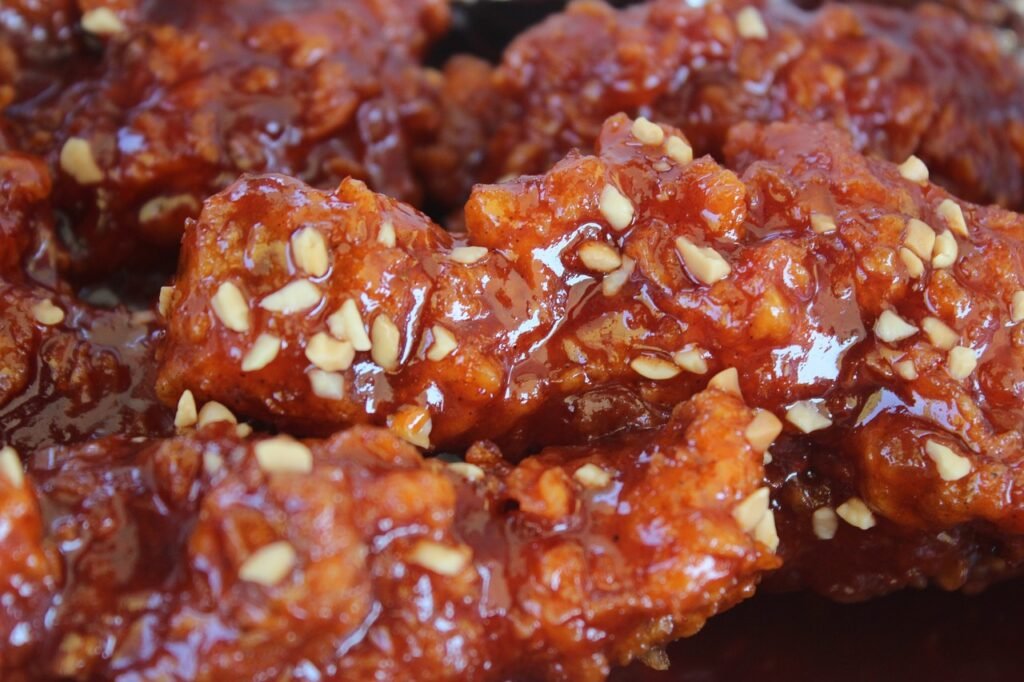
Kung Pao Chicken is a celebrated dish that has gained widespread popularity in both Chinese cuisine and across the globe. Originating from the Sichuan province of China, this stir-fried dish is distinguished by its unique combination of flavors, textures, and ingredients. The primary components include diced chicken, peanuts, and vegetables, all infused with a savory and slightly spicy sauce. The presence of Sichuan peppercorns adds a characteristic zing that is central to the authenticity of the dish.
There is a rich cultural significance tied to the preparation and presentation of Kung Pao Chicken. Historically, the dish is named after Ding Baozhen, a 19th-century governor of Sichuan, who was also known as Kung Pao. His affection for the flavors of this dish contributed to its legacy, transforming it from a local specialty to a hallmark of Chinese cuisine.
In contemporary dining, Kung Pao Chicken has evolved to accommodate various culinary tastes. As a result, variations can be found in restaurants not just within China but also in many Western nations. While traditional recipes focus on authenticity, many modern adaptations have fused local ingredients, thereby enhancing the dish’s appeal for diverse palates.
This dish is often recognized for its balance of heat and sweetness, making it a favorite among diners looking for complex flavors. The use of peanuts gives a crunch that contrasts with the tender chicken, while the medley of vegetables contributes additional layers of taste. In restaurants and home kitchens alike, Kung Pao Chicken remains a prominent menu item, showcasing the allure of traditional Chinese gastronomy infused with regional interpretations.
Historical Origins of Kung Pao Chicken
The origins of Kung Pao Chicken can be traced back to the late Qing Dynasty in the Sichuan province of China, around the 19th century. The dish derives its name from Ding Baozhen, who served as the governor of Sichuan during this period. His official title, “Kung Pao,” translates to “palace guardian,” reflecting both his status and the dish’s esteemed position in Chinese cuisine.
Initially, Kung Pao Chicken was a meal primarily enjoyed by the elite. The original recipe featured diced chicken stir-fried with peanuts, chili peppers, and a selection of fragrant spices, creating a harmonious blend of flavors reflective of Sichuan’s unique culinary traditions. The fame of the dish spread gradually, reaching the upper echelons of society where it was considered a delicacy. The blend of savory and spicy elements became quintessential to the Sichuan culinary style, earning it popularity beyond provincial borders.
Over the decades, the dish underwent significant transformations. As Chinese immigrants traveled to different parts of Asia, particularly the United States, they adapted the recipe to cater to local palates. These adaptations often resulted in sweeter variations or borrowed ingredients which deviated from the traditional preparation methods. Still, the essence of Kung Pao Chicken remains rooted in its original recipe, with its core ingredients retaining a significant place in its identity. Today, it is a staple in Chinese restaurants worldwide, celebrated for its bold, complex flavors and bite-sized pieces that are easy to enjoy.
The historical journey of Kung Pao Chicken illustrates not only the evolution of a dish but also serves as a lens through which we can examine the broader changes in Chinese culinary practices, as socio-political contexts and migration patterns have shaped both the ingredients and the methods used in preparing this cherished meal.
The Cultural Significance of Kung Pao Chicken
Kung Pao Chicken is not merely a flavorful dish but a culinary icon within Chinese culture that embodies a rich historical narrative. Originating from Sichuan province, this dish reflects the region’s bold flavors and unique cooking techniques. The classic combination of chicken, peanuts, vegetables, and an array of spices creates a symphony of taste that highlights the importance of balance in Chinese cuisine. The use of distinct ingredients, such as Sichuan peppercorns, underscores the cultural significance of aromatic spices that have been integral to Chinese cooking for centuries.
Beyond its flavors, Kung Pao Chicken represents the social dynamics of Chinese dining practices. Traditionally, meals are a communal experience, and this dish encourages sharing among diners, fostering a sense of togetherness and hospitality. As part of a larger meal, it showcases the concept of harmony in flavors and textures, which is a cornerstone of Chinese culinary philosophy. Furthermore, Kung Pao Chicken holds a place in family celebrations and gatherings, symbolizing unity and cultural heritage.
As globalization expands culinary horizons, Kung Pao Chicken has been adapted into various forms around the world, particularly in Western cultures. While Western interpretations may vary in ingredient choice or preparation methods, the essence of Kung Pao remains, showcasing its versatility and appeal. The dish has transcended cultural boundaries, creating a bridge between traditional Chinese cooking and contemporary cuisine. This adaptation not only highlights the dish’s global popularity but also indicates the ongoing evolution of culinary traditions. In Chinese restaurants worldwide, Kung Pao Chicken serves as a familiar flavor for many and is a testament to the influence of Chinese cuisine across continents.
Ingredients That Make Kung Pao Chicken Unique
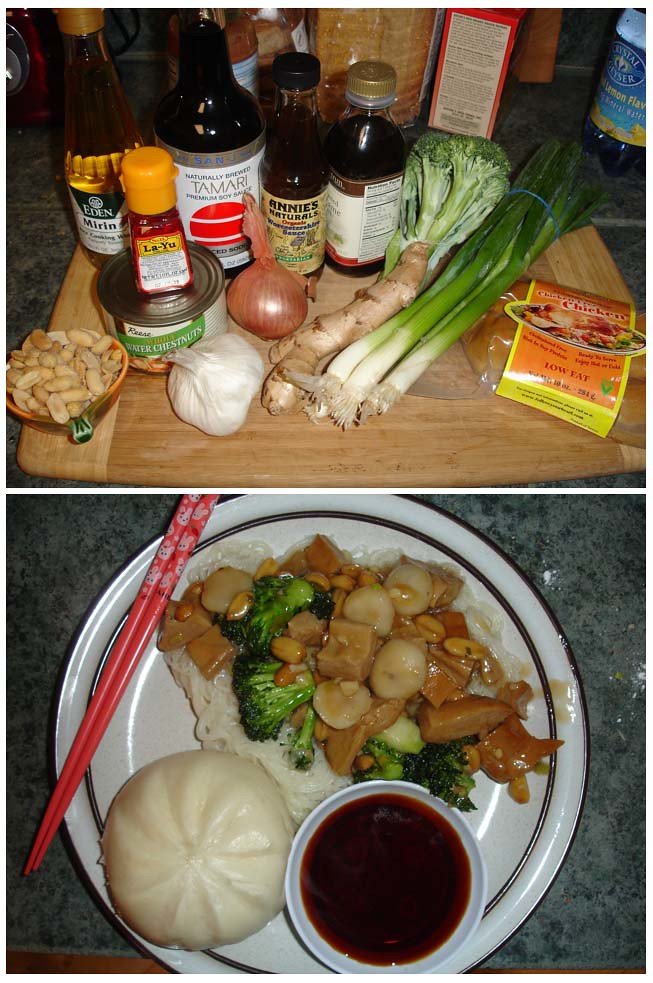
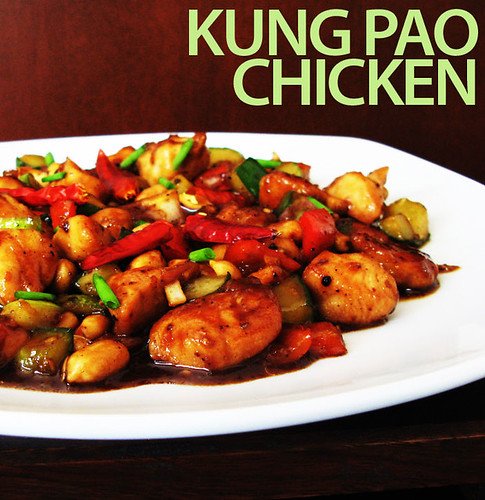
Kung Pao Chicken stands out as a quintessential dish in Chinese cuisine, primarily due to its distinctive ingredients and the manner in which they harmonize to create a balanced flavor profile. The foundation of this dish is, of course, chicken, which is commonly diced into bite-sized pieces, making it easy to stir-fry quickly. Traditionally, boneless, skinless chicken thighs are preferred for their richer flavor and tender texture, though many recipes utilize chicken breast as a leaner option.
Another signature ingredient of Kung Pao Chicken is the peanuts, which add a delightful crunch and nutty flavor. These roasted peanuts not only enhance the texture of the dish but also contribute to its overall richness. In addition to peanuts, a variety of vegetables often accompanies the dish, such as bell peppers, scallions, and sometimes zucchini, which provide a refreshing contrast to the savory chicken and nuts.
Spices are crucial in achieving the authentic taste of Kung Pao Chicken. The dish typically features Sichuan peppercorns, which impart a unique, numbing heat that elevates the dish beyond mere spiciness. Alongside these, dried red chilies are often incorporated to add both heat and color, making the dish visually appealing. A savory sauce comprising soy sauce, rice vinegar, and sugar is essential, as it brings all ingredients together, creating a cohesive and tantalizing flavor burst.
It is worth noting that variations of Kung Pao Chicken exist across different regions and cultures. For example, some adaptations may include unique ingredients, such as cashews in place of peanuts or the addition of pineapple for a sweet contrast. These international adaptations reflect local tastes and ingredients, yet they retain the fundamental characteristics that make Kung Pao Chicken a culinary delight. The layering of flavors and textures is what ultimately sets this dish apart, making it a staple in both traditional and contemporary Chinese dining.
Flavor Profile: Taste and Texture
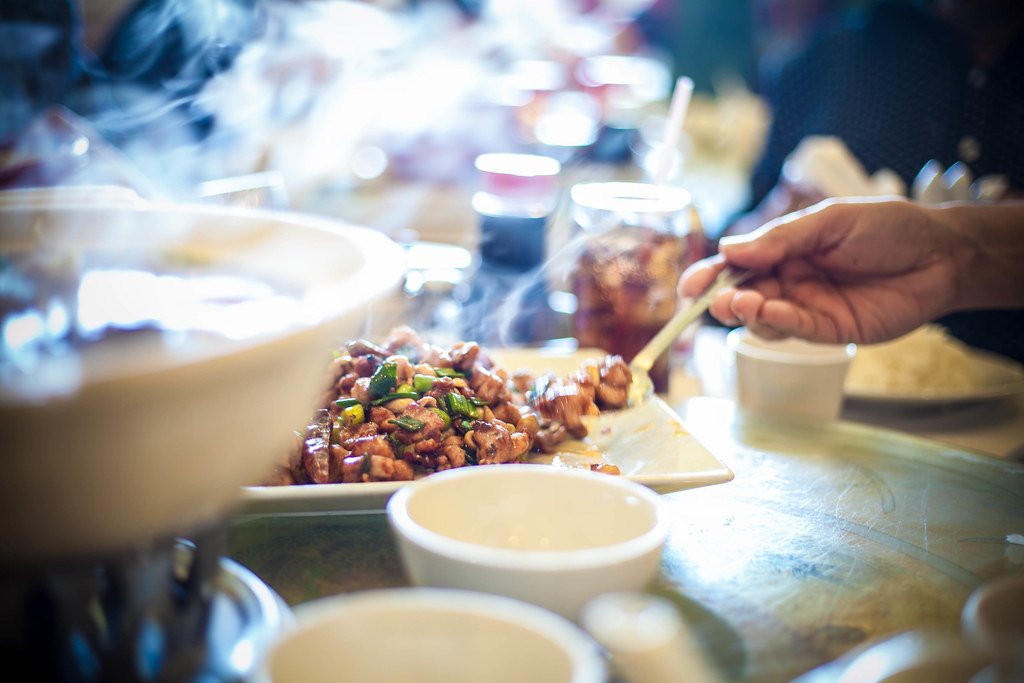
Kung Pao Chicken is renowned for its remarkable and complex flavor profile that harmoniously blends various elements, resulting in a truly distinctive dining experience. At its core, the dish features tender chunks of chicken that provide a savory foundation. The use of soy sauce, combined with the bold addition of Sichuan peppercorns, offers a salty and slightly numbing sensation that awakens the palate.
In addition to the savory notes, Kung Pao Chicken incorporates sweetness through the inclusion of sugar and sometimes, a hint of vinegar. This sweet-and-sour aspect effectively balances the heat derived from the dried red chilies. The interplay between sweetness and spiciness enhances the overall flavor dynamics, making each bite intriguing and multi-faceted.
The texture of Kung Pao Chicken contributes significantly to its appeal. The chicken is usually stir-fried until perfectly cooked, maintaining a juicy and tender consistency. Accompanying the protein are crunchy peanuts or cashews that not only add a delightful crunch but also a nutty flavor, enriching the dish. Furthermore, bell peppers and scallions introduce a refreshing crispness, contrasting beautifully with the soft chicken and the chewy texture of the sauce that clings to each component.
This combination of varying textures—tender, crisp, and crunchy—creates a satisfying mouthfeel that enhances the enjoyment of the dish. The thick sauce, characterized by its glossy consistency, envelops the ingredients, ensuring that each element contributes to the holistic experience. Overall, the unique flavor profile and the medley of textures in Kung Pao Chicken come together to deliver a well-balanced and satisfying dish that is both comforting and exciting to eat.
Popular Variations of Kung Pao Chicken
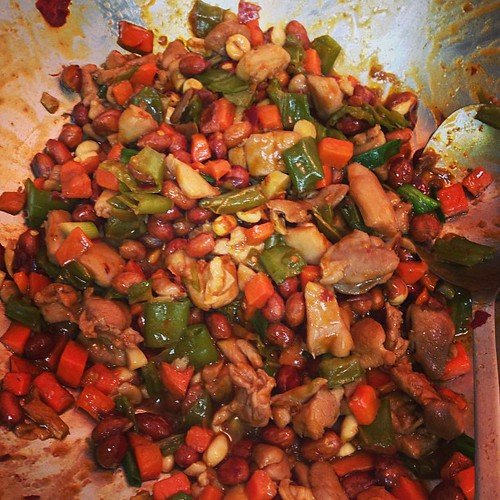
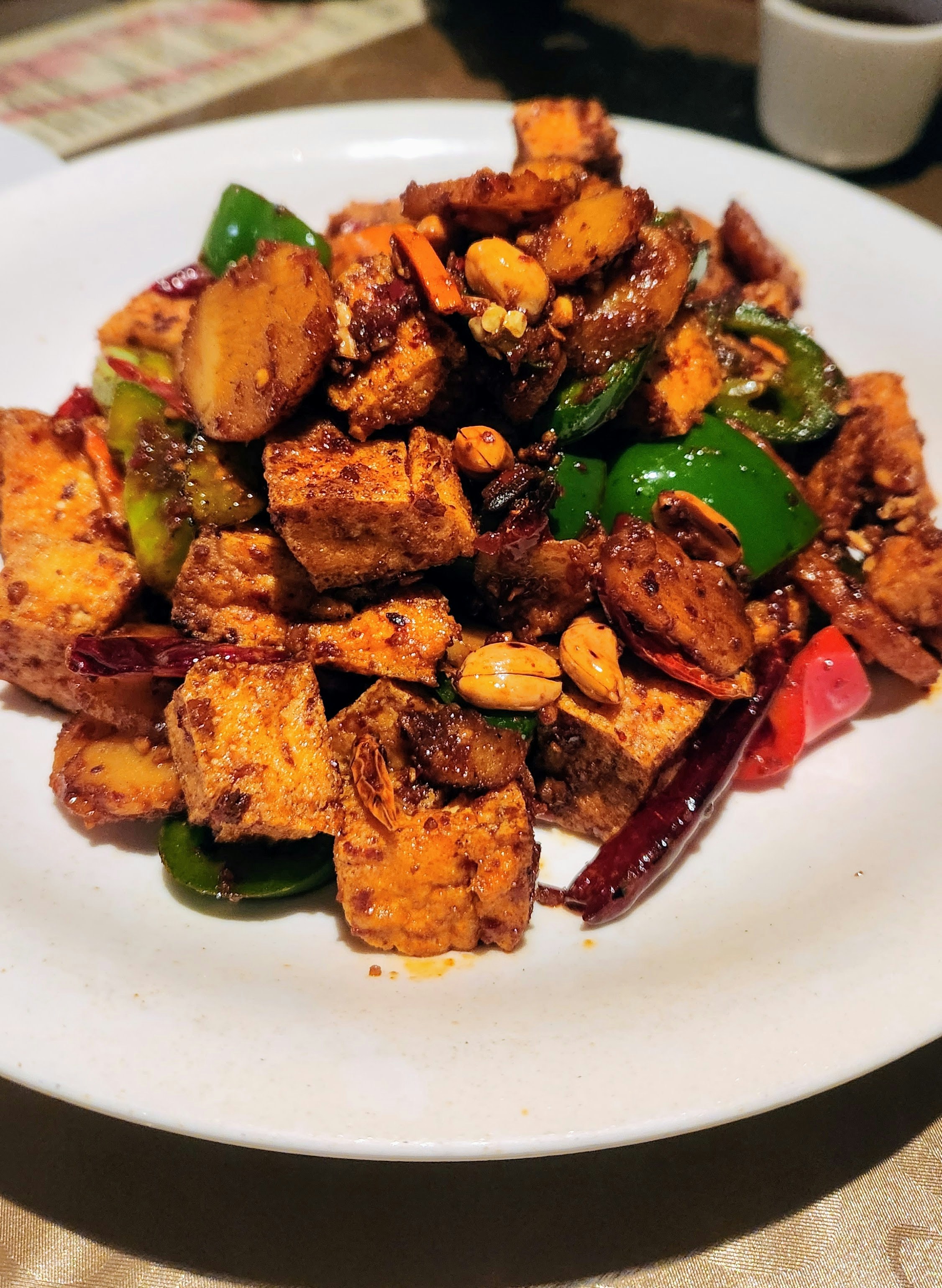
The dish known as Kung Pao Chicken has transcended its origins to become a versatile culinary staple, reflecting various interpretations and adaptations both within China and around the globe. Among the notable variations are vegetarian adaptations, which often substitute traditional chicken with tofu or a medley of vegetables. This vegetarian style retains the essential flavors of Kung Pao through the use of peanuts, Sichuan peppercorns, and the classic stir-fry technique, appealing to those who prefer plant-based diets yet seek the familiar taste profile.
In addition to vegetarians, seafood adaptations have emerged, offering an exciting twist on the conventional recipe. Common seafood substitutes include shrimp or fish, prepared with the customary Kung Pao sauce, resulting in a dish that balances the freshness of the ocean with the spicy, sweet, and savory notes characteristic of this popular stir-fry. These variations provide not only a refreshing take on the classic but also introduce different textures and flavors, broadening the dish’s appeal.
Moreover, Kung Pao Chicken has also found its way into fusion cuisine, integrating culinary elements from diverse food cultures. For instance, some creative chefs may incorporate ingredients such as avocado or even peanuts into tacos, creating inclusive dishes that respect the original flavor while presenting them in novel formats. These fusion dishes highlight the adaptability of Kung Pao Chicken, illustrating how traditional Chinese culinary art can meld seamlessly with other global cuisines.
Overall, the multitude of variations and adaptations of Kung Pao Chicken is a testament to its enduring popularity and versatility. Each modification not only brings a unique twist but also ensures that this classic dish can cater to evolving palates and dietary preferences worldwide.
Cooking Techniques and Preparation Methods
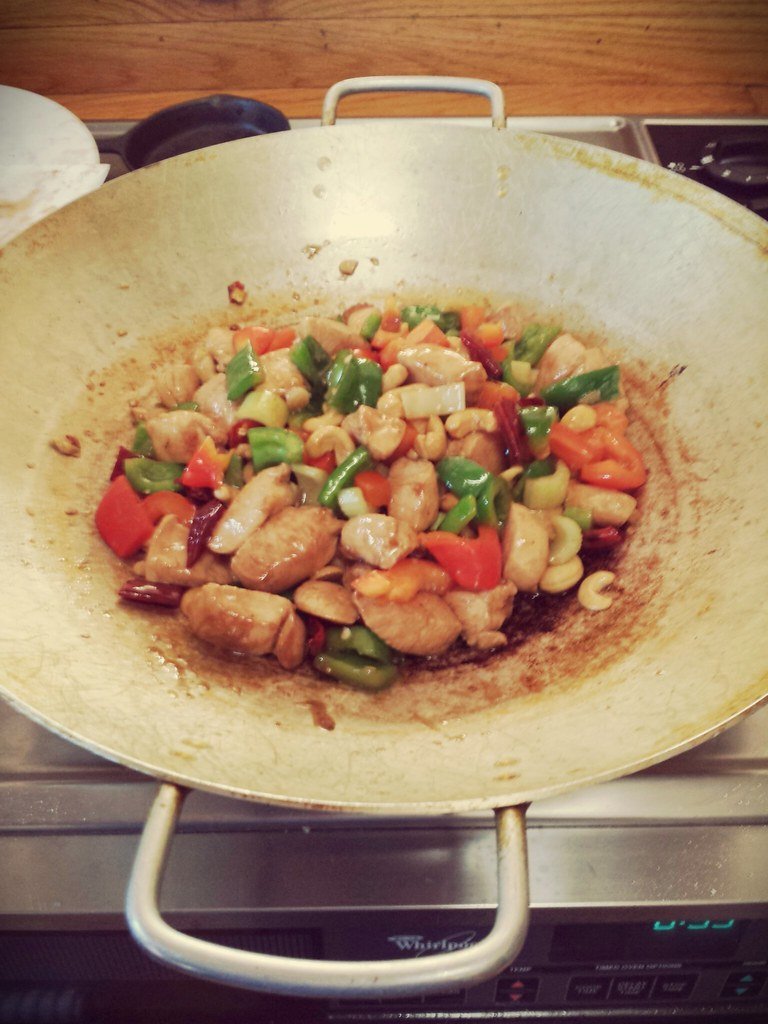
To achieve the distinctive flavor and texture that define Kung Pao Chicken, certain cooking techniques and preparation methods are vital. The cornerstone of this dish lies in stir-frying, a method that allows for quick cooking over high heat, which helps maintain the ingredients’ natural flavors and crispness. This technique requires the use of a well-seasoned wok, enabling the chicken and vegetables to sear effectively, locking in moisture while developing a rich, smoky flavor.
Marination is another essential step in preparing Kung Pao Chicken. The chicken pieces are typically marinated in a mixture of soy sauce, rice wine, and cornstarch. This process not only enhances the meat’s flavor but also tenderizes it, creating a pleasing texture. It is recommended to allow the chicken to marinate for at least 30 minutes to achieve the best results. In addition, the use of freshly ground Szechuan peppercorns brings a unique numbing heat that elevates the dish’s complexity.
Timing plays a critical role in the preparation of Kung Pao Chicken. It is crucial to have all ingredients prepped and ready before beginning the stir-fry process, as this technique requires constant attention. Adding ingredients in the correct order—starting with aromatics such as garlic and ginger, followed by chicken, vegetables, and finally peanuts—ensures that each component reaches its ideal level of doneness without overcooking. Common mistakes include overcrowding the pan, which can lead to steaming rather than frying, and neglecting to monitor the cooking process closely. Proper technique will undoubtedly lead to an authentic Kung Pao Chicken experience, marrying flavors and textures harmoniously. With attention to these methods, anyone can create a delightful version of this classic dish.
Serving Suggestions and Pairing Recommendations
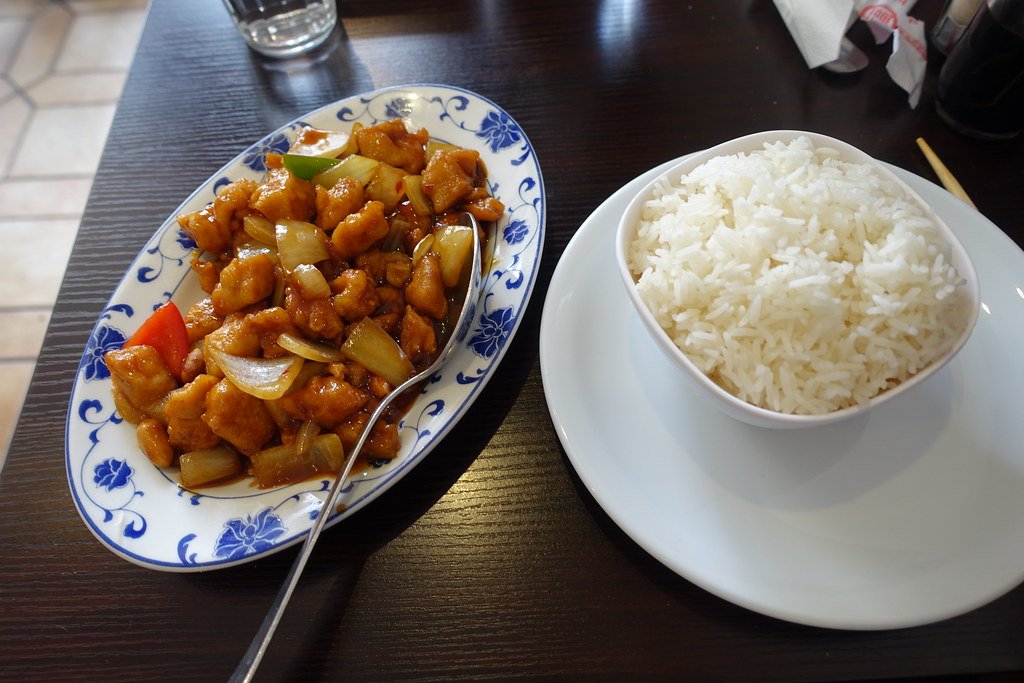
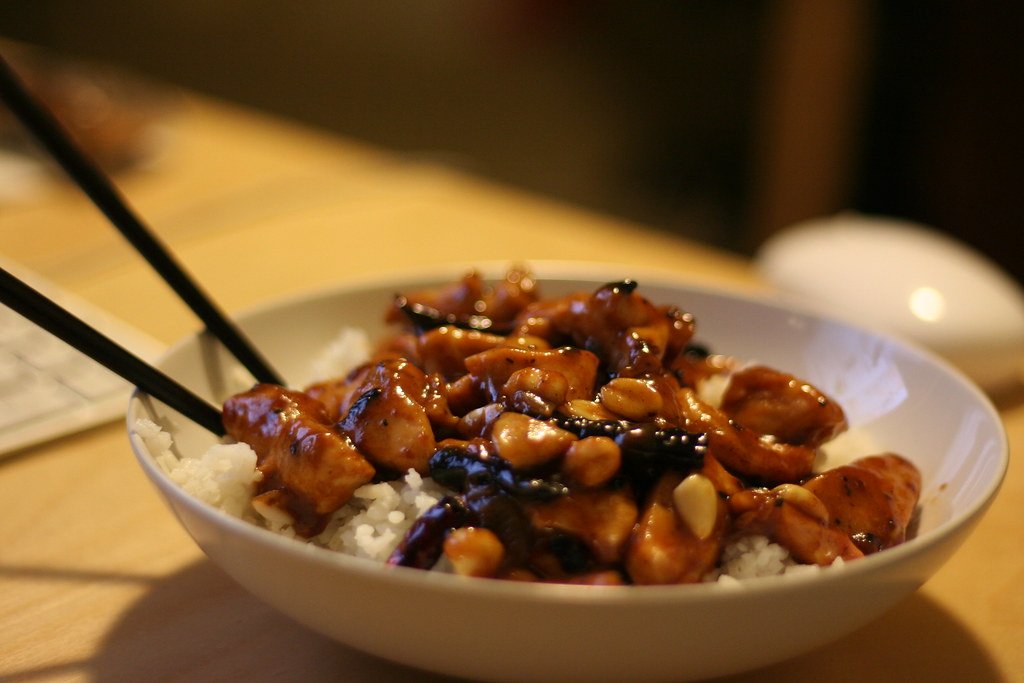
Kung Pao Chicken is a beloved dish known for its rich flavors and satisfying textures, making it an excellent centerpiece for any meal. To enhance the dining experience, it is important to consider thoughtful serving suggestions and suitable pairings. Traditionally, Kung Pao Chicken is served over a bed of steamed rice, which helps absorb the delicious sauce and adds a neutral base that balances the dish’s bold flavor. For a twist, consider pairing it with fried rice, which can introduce additional textures and flavors that complement the chicken well.
In addition to rice, incorporating a variety of fresh vegetables into the meal can elevate the overall experience. Lightly steamed or sautéed bok choy, broccoli, or green beans can provide a contrast to the savory elements of Kung Pao Chicken. These sides not only add nutritional value but also introduce different colors and textures to the plate, making it visually appealing.
When it comes to beverage pairings, a crisp white wine such as Sauvignon Blanc or a light lager can work wonderfully with the bold flavors of Kung Pao Chicken. The acidity and freshness of these drinks help cleanse the palate, allowing the complexities of the dish to shine. For those preferring non-alcoholic options, iced green tea or a refreshing lemonade can provide a delightful contrast to the dish’s spices, enhancing the overall flavor experience.
Lastly, presentation plays a critical role in serving Kung Pao Chicken. Consider garnishing the dish with a sprinkle of chopped green onions or roasted peanuts before serving. This not only adds aesthetic appeal but also delivers an additional crunch that enhances the dish’s texture. Furthermore, serving the meal on vibrant plates can make the colorful elements of the dish stand out even more, inviting diners to enjoy their meal even before tasting it.
Conclusion: The Enduring Appeal of Kung Pao Chicken
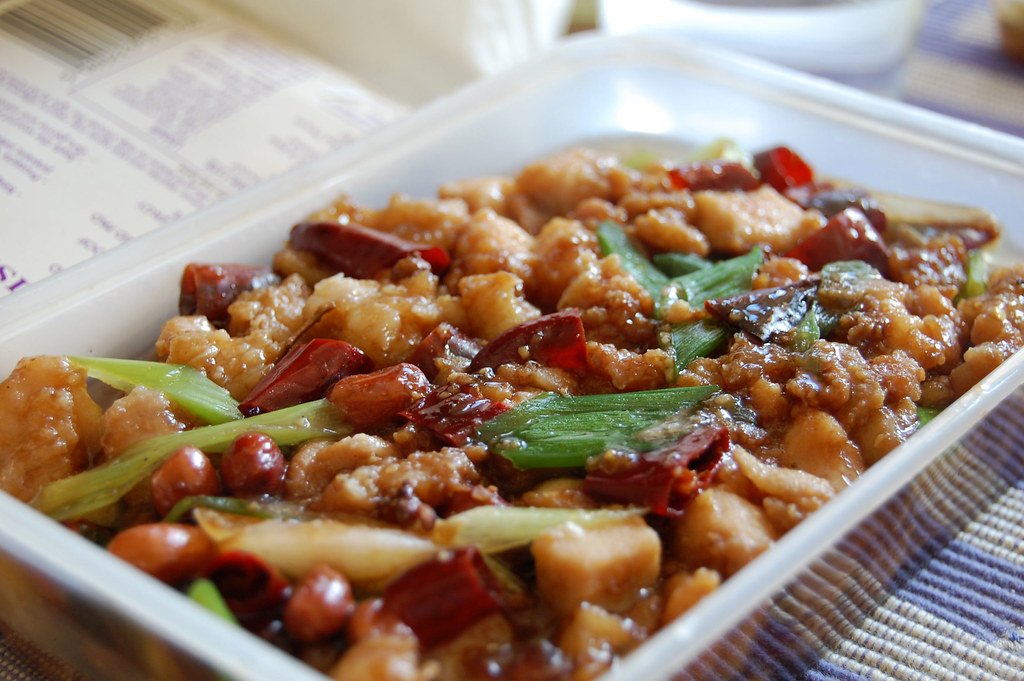
In the culinary landscape, few dishes have garnered as much acclaim and popularity as Kung Pao Chicken. This iconic dish not only encapsulates the essence of Chinese cuisine but also exemplifies a harmonious blend of flavors, textures, and cultural significance. As we have explored throughout this blog post, Kung Pao Chicken is more than just a meal; it is a gastronomic experience that has stood the test of time.
One of the most compelling aspects of Kung Pao Chicken is its cultural connections. Originating from the Sichuan province, this dish reflects centuries of Chinese culinary traditions. Its name pays homage to a Governor of Sichuan, further anchoring it in the rich history of the region. The vibrant flavors of spicy peppers, tender chicken, and crunchy peanuts illustrate a masterful balance that is deeply appreciated by food enthusiasts around the globe.
The complex layering of flavors in Kung Pao Chicken is another reason for its enduring appeal. The interplay of sweetness, spiciness, and umami creates a taste profile that is both intriguing and satisfying. The careful selection of ingredients, including the use of authentic Sichuan peppercorns, adds a unique twist that distinguishes it from other stir-fry dishes. Additionally, this culinary delight can be tailored to meet various dietary preferences, making it versatile and adaptable. Whether one prefers a vegetarian version or seeks to incorporate different proteins, Kung Pao Chicken can easily be modified without losing its core essence.
In conclusion, the enduring popularity of Kung Pao Chicken can be attributed to its rich cultural heritage, its complex flavor combinations, and its remarkable adaptability in contemporary cuisine. As this dish continues to find its way into restaurants and homes worldwide, it remains a testament to the timeless appeal of traditional cooking that embraces innovation and diversity.