
Understanding Ceviche: A Cultural and Culinary Perspective
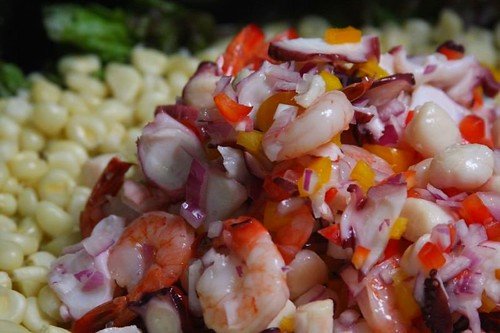
Ceviche is a dish deeply rooted in Latin American culinary traditions, particularly prevalent in coastal countries like Peru and Mexico. Its origins can be traced back thousands of years to Indigenous cultures who inhabited the region, where raw fish was marinated in citrus juices, a technique used not only for flavor but for preservation. The modern interpretation of ceviche has evolved over time and has become synonymous with Peruvian cuisine, which is often credited with elevating this dish to gourmet status.
The primary ingredients of ceviche typically include fresh raw fish or seafood, citrus juices—commonly lime or lemon—and various seasonings such as salt, cilantro, onion, and chili peppers. These elements play a pivotal role in crafting the overall flavor profile of ceviche, balancing the acidity from the citrus with the freshness of the fish. Different types of fish can be used, ranging from the popular firm-fleshed white fish like sea bass (corvina) to shrimp and octopus, showcasing the diversity of seafood available in various regions.
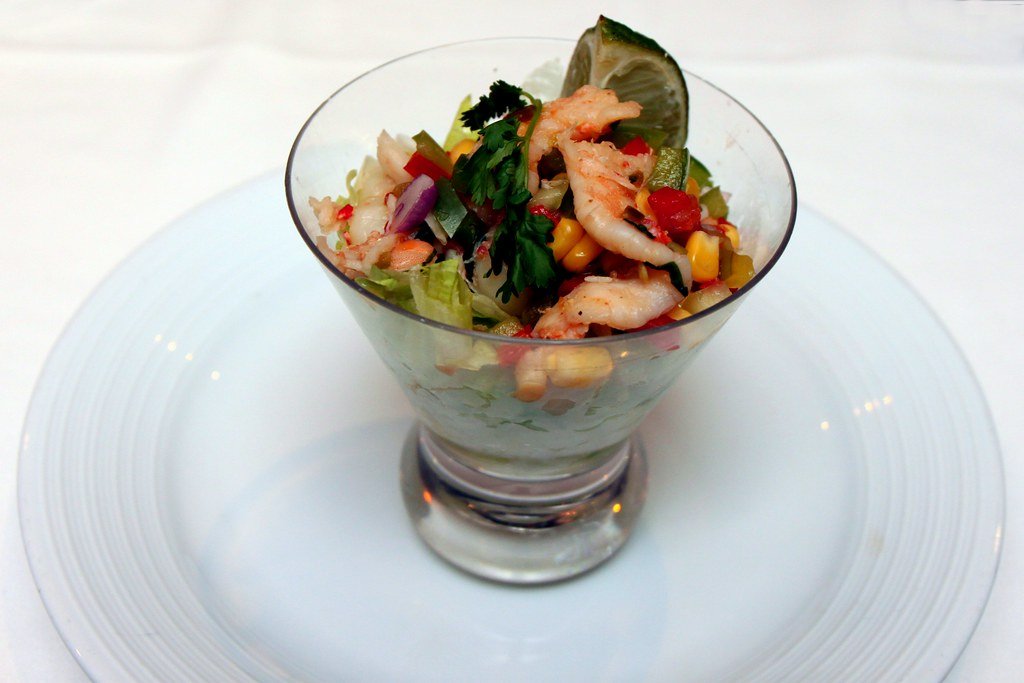
Regional variations of ceviche reflect local tastes and ingredients, allowing the dish to be enjoyed in numerous forms. In Peru, ceviche is often served with side dishes like sweet potatoes and corn, which provide a sweeter contrast to the acidic marinade. In contrast, Mexican ceviche may incorporate additional ingredients such as avocado and mango, melding flavors and textures that celebrate its unique culinary heritage. The cultural significance of ceviche extends beyond its ingredients; it often embodies social gatherings and celebrations, uniting families and communities around the shared enjoyment of seasonal seafood. This dish not only serves as a gastronomic delight but also as a cultural emblem that tells the story of the regions it originates from.
Essential Ingredients for Authentic Ceviche
When it comes to crafting authentic ceviche, selecting the right ingredients is crucial for achieving a dish that is both fresh and flavorful. The foundation of ceviche typically lies in its choice of fish. Commonly used fish varieties include tilapia, snapper, and even scallops, each offering a distinct texture and taste. It is essential to ensure that the fish is ultra-fresh to achieve the ideal flavor and avoid foodborne illnesses. Ideally, purchasing from a reputable fishmonger or ensuring the fish is sustainably sourced is critical.
Next, citrus juices play an indispensable role in ceviche preparation. The most common citrus used is lime juice, but a combination of lime and lemon can elevate the dish, providing a well-rounded acidity that ‘cooks’ the fish and brings out its natural flavors. Freshly squeezed citrus is highly recommended, as it provides a brighter and more vibrant taste compared to bottled alternatives.
Additionally, red onions are a traditional ingredient that contributes both texture and a hint of sweetness to the ceviche. They should be thinly sliced and preferably soaked in cold water prior to use to mellow their sharpness. Following this, chopped cilantro is another key ingredient that adds freshness and a herbal note to the dish, completing the balance of flavors. While optional, ingredients such as diced jalapeños or other peppers can provide a spicy kick, suited for those who enjoy heat in their dishes. Furthermore, avocado, when included, adds creaminess and a rich mouthfeel, enhancing the overall experience.
In summary, choosing high-quality, fresh ingredients is essential for preparing authentic ceviche. Each component, from the fish to the citrus and herbs, contributes to the fundamental flavors, and when combined skillfully, they result in a delightful and refreshing dish that embodies the essence of traditional ceviche.
Step-by-Step Process to Make Authentic Ceviche
Preparing authentic ceviche at home can be a delightful culinary experience. The key to achieving the perfect ceviche lies in a few simple steps that highlight the natural flavors of the seafood, typically fish, shrimp, or other shellfish. Begin by selecting the freshest fish available; varieties such as tilapia, snapper, or halibut are excellent choices. It is crucial to ensure the fish is sushi-grade to maintain safety and texture.
Once the seafood is chosen, begin by cutting it into small, even pieces, ideally about half an inch in size. This consistency allows for even marination. Place the fish in a glass or ceramic bowl and prepare the marinade, consisting mainly of fresh lime juice. The acidity in the lime juice is essential, as it effectively “cooks” the fish through a process called denaturation.
Cover the fish with lime juice, ensuring it is fully submerged. The marination time varies depending on the thickness and type of seafood; typically, fish should marinate for about 15 to 30 minutes, while shrimp may require 30 to 45 minutes. A visual cue for doneness is when the flesh becomes opaque and flakes easily when forked.
As the fish marinates, prepare additional ingredients such as finely chopped red onions, fresh cilantro, and diced tomatoes for a burst of flavor and texture. Once the seafood is ready, mix these ingredients gently, trying not to break apart the fish pieces. Include a pinch of salt and pepper, adjusting to taste. For added complexity, adding diced jalapeños can provide a spicy kick.
Finally, serve the ceviche immediately after mixing, ideally in chilled bowls, and garnish with avocado slices and extra lime wedges. To avoid common pitfalls, ensure the marinating process is not excessive, as over-marination can lead to a rubbery texture. With experience, making authentic ceviche will become second nature, allowing for unique variations tailored to personal tastes.
Serving Suggestions and Pairing Options for Ceviche
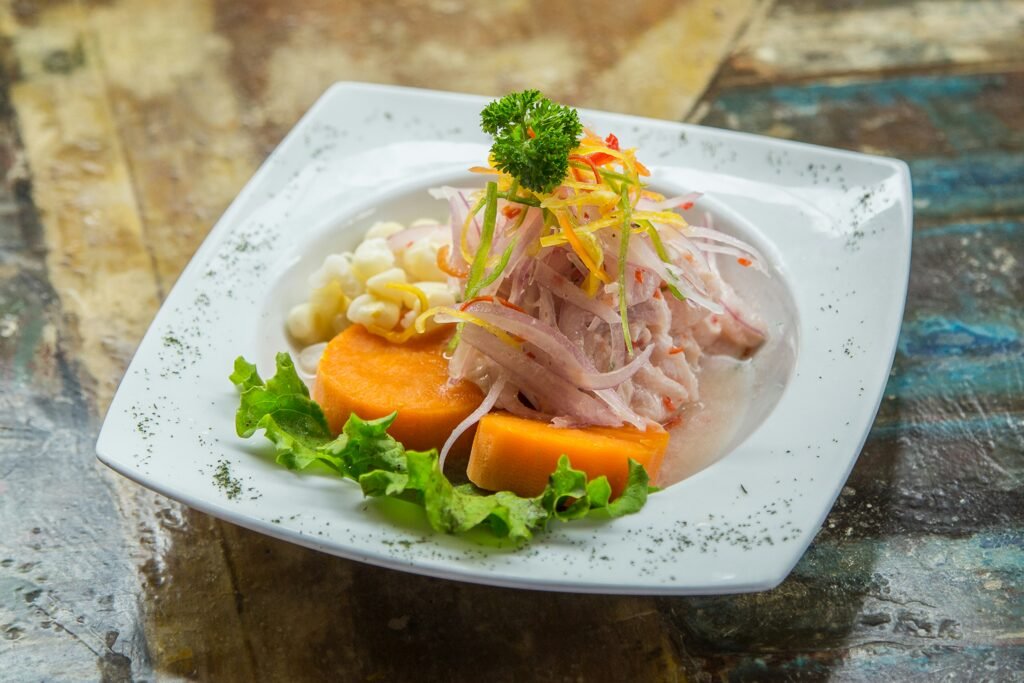
Ceviche, known for its refreshing flavors and vibrant presentation, can be served in various creative ways to enhance the dining experience. One popular method is to serve ceviche on crispy tostadas, which provide a delightful crunch that contrasts beautifully with the tender fish. Tostadas can be topped with a generous spoonful of ceviche, allowing each bite to deliver a burst of flavor. Another delightful option is to use ripe avocado slices, which add a creamy texture and subtle richness that complements the acidity of the ceviche.
Additionally, serving ceviche on a bed of crisp lettuce leaves offers a refreshing and light alternative. This presentation not only makes for an appealing dish but also provides a healthy option for those looking to enjoy a guilt-free meal. As for garnishes, consider adding fresh cilantro, thinly sliced radishes, or diced tomatoes. These can elevate the visual appeal and add an extra layer of flavor to the preparation.
When it comes to beverage pairings, ceviche can be beautifully complemented by various drinks. A classic accompaniment is a pisco sour, a cocktail that balances the acidity of the ceviche with its sweet and sour notes, enhancing the overall dining experience. Light beers also serve as a refreshing counterpoint, their carbonation cleansing the palate effectively. For wine lovers, opt for a crisp, dry white wine, such as Sauvignon Blanc or Albariño, which pairs excellently with the citrusy notes of ceviche.
Incorporating side dishes can further enhance the ceviche experience. Popular options include plantain chips, which provide a satisfying crunch, and corn salad, which brings a touch of sweetness to the meal. These serving suggestions, along with careful consideration of beverages and garnishes, will undoubtedly elevate the enjoyment of your ceviche and impress your guests.